The Vulnerability of Open Endpoints
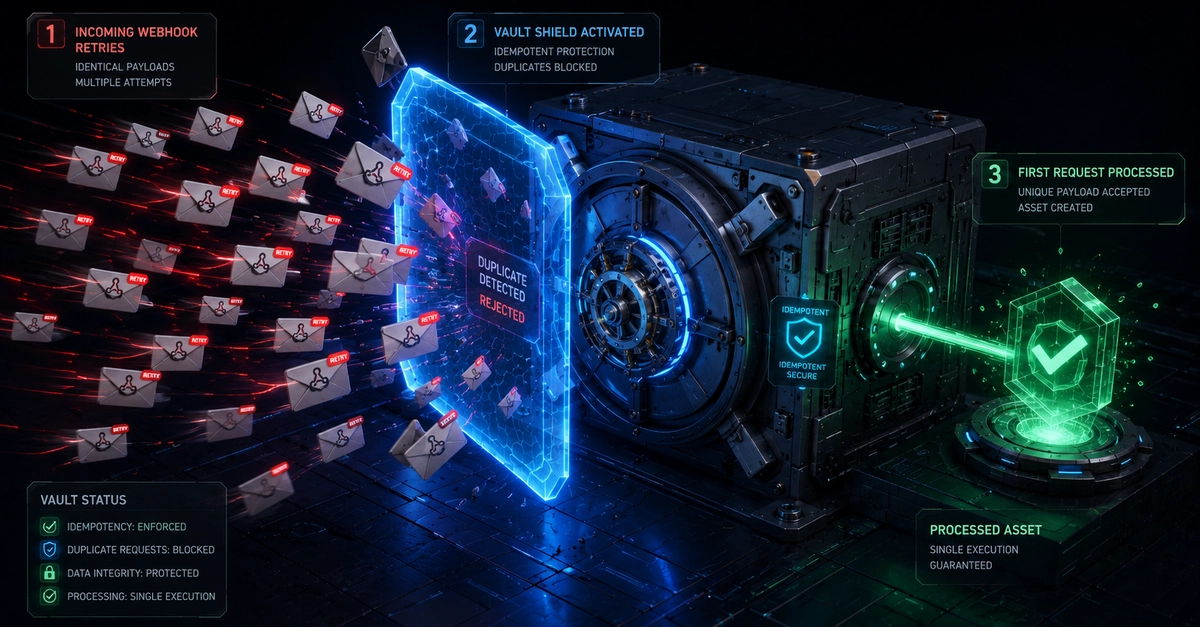
In modern enterprise architecture, your platform does not exist in a vacuum. It must communicate constantly with third-party providers. When a customer successfully pays an invoice, Stripe needs to notify your system. When a background video finishes rendering, AWS MediaConvert needs to alert your backend. This asynchronous communication is handled via Webhooks—user-defined HTTP callbacks triggered by specific events.
The architectural challenge with webhooks is that they require you to open an unauthenticated POST endpoint to the public internet. If you create a route at https://your-app.com/webhooks/stripe that updates a user's subscription status to "Active," what stops a malicious actor from discovering that URL and spamming it with fake JSON payloads, granting themselves free premium access?
At Smart Tech Devs, we build financial systems and high-stakes SaaS platforms where data integrity is paramount. To secure our integrations, we implement a robust Secure Webhook Architecture based on cryptographic HMAC signatures, timing-attack prevention, and asynchronous queuing.
Understanding HMAC Signatures