The Webhook Spoofing Vulnerability
When engineering a B2B SaaS platform at Smart Tech Devs, relying on external services like Stripe, Shopify, or GitHub is inevitable. These services communicate with your application via **Webhooks**—sending automated HTTP POST requests to your server when an event occurs (e.g., invoice.paid).
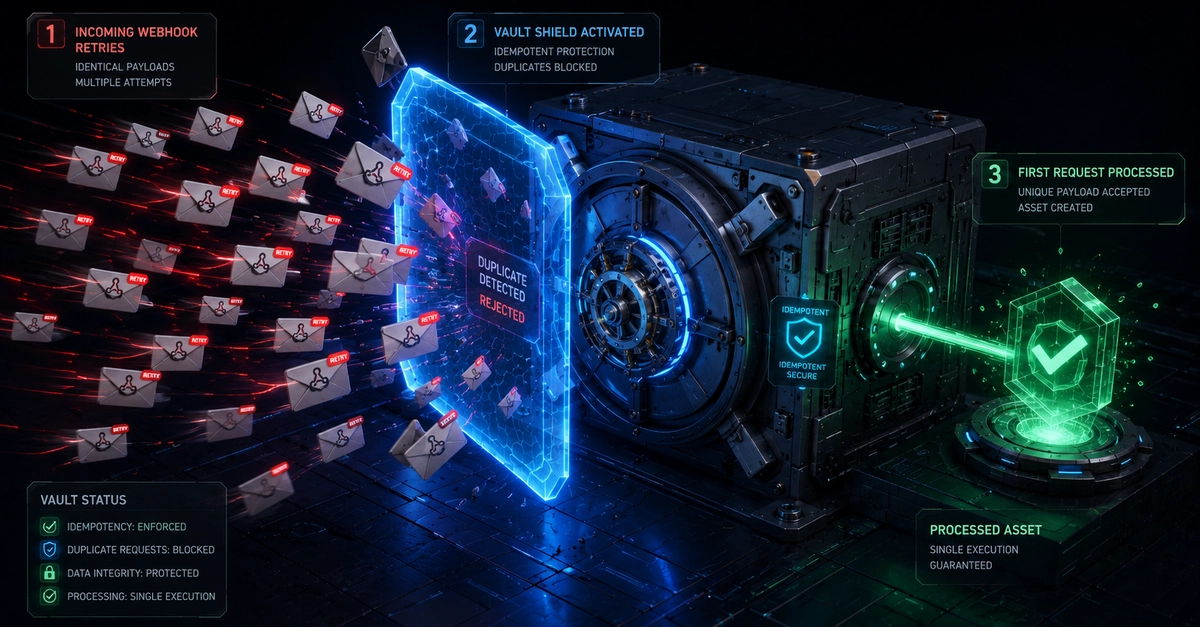
A catastrophic security flaw occurs when developers blindly trust the data hitting their /api/webhooks/billing endpoint. Because webhooks are publicly exposed URLs, any malicious actor can use Postman to send a fake JSON payload to your server claiming that a $10,000 enterprise invoice was successfully paid. If your controller processes that payload without verification, you just granted a hacker free lifetime access to your platform. To build zero-trust APIs, you must implement **HMAC Signature Verification**.
The Cryptographic Solution: HMAC-SHA256
Enterprise webhook providers do not just send a JSON body; they also send a cryptographic signature inside the HTTP headers (e.g., Stripe-Signature). This signature is a hash generated using the payload body and a secret key that only you and the provider know.