The initiative on spectrum disorder is welcome
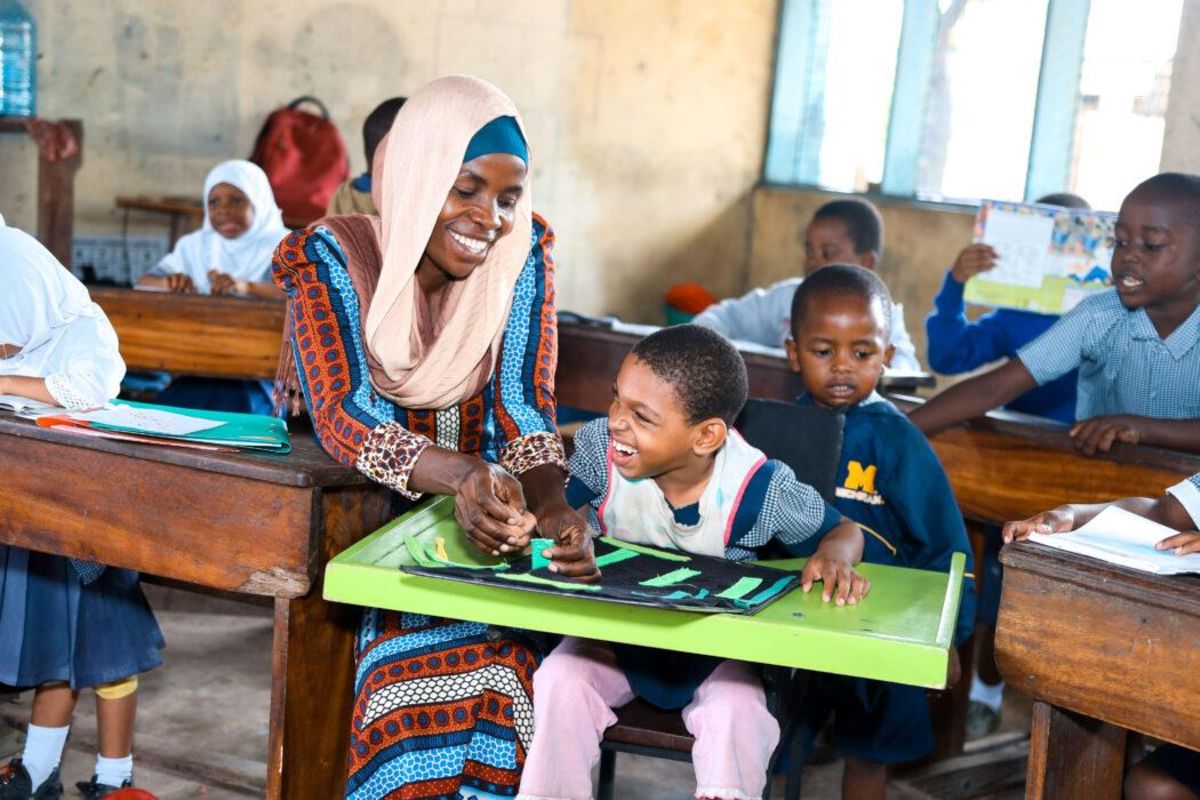
We commend the initiative by the federal government to transform autism care through expanded specialist training, targeted investments in tertiary institutions, and the establishment of autism centres across the country’s six geopolitical zones. The initiative, according to the Minister of Education, Tunji Alausa, represents a significant step towards addressing the country’s shortage of highly skilled professionals in Audiology, Speech and Language Therapy, and Occupational Therapy, while also revealing that the number of universities offering the specialised programmes has increased.
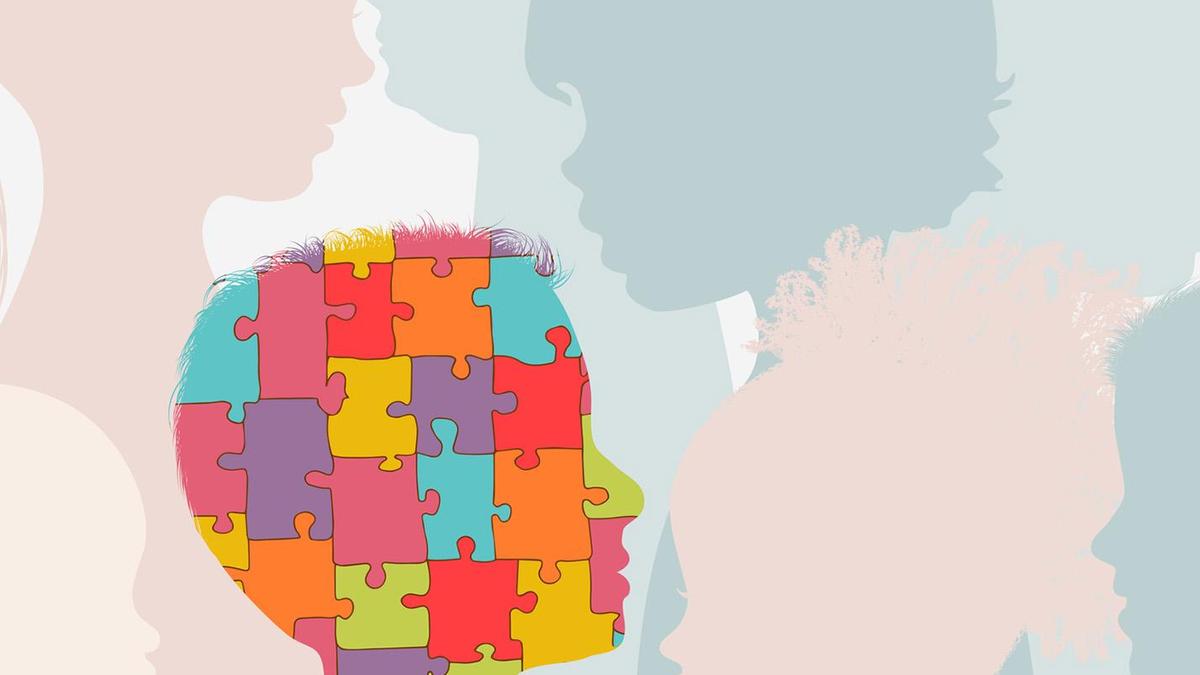
According to a recent report, one in every 100 Nigerian children currently live with autism while no fewer than 600,000 children are on the spectrum nationwide. Across all ages, about 2.4 million Nigerians are reportedly affected by the health condition that alters brain functioning, especially in how a person communicates, behaves, and relates to others. Even at that, these figures are, at best conservative. Those living with the condition may talk later than others or have difficulty understanding jokes, body language, or social cues. They may prefer simple, direct communication or just being alone. For many families, the journey is isolating and financially draining. The Nigerian system has not been designed to include them. But this is not merely a health gap, it is a structural failure.