By Aigbovboise Ayo Ehabahe
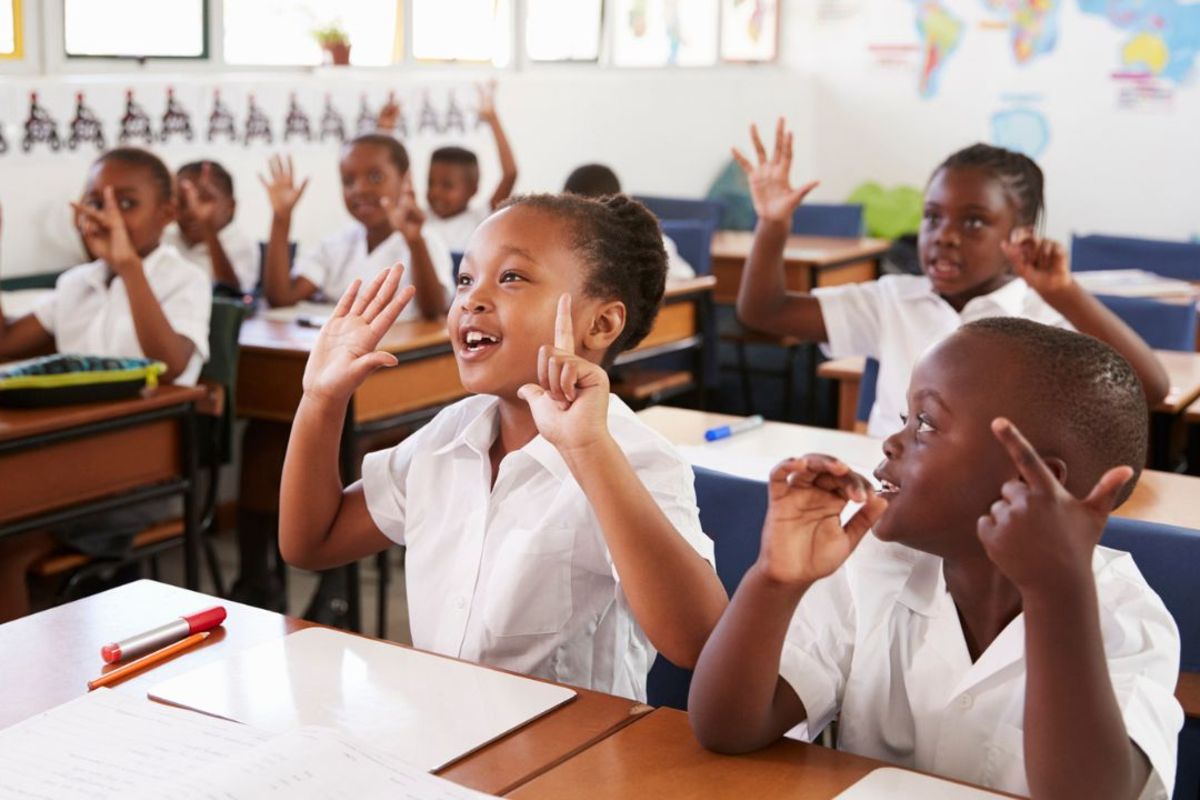
Every child deserves the opportunity to learn, grow, and participate fully in society. For children on the autism spectrum, this right is best realized through inclusive education, an approach that allows them to learn alongside their peers in supportive and accommodating school environments. In Nigeria, inclusive education is increasingly recognized as an important pathway to ensuring that children with disabilities have equal access to quality education and meaningful participation in school life. The Nigerian National Policy on Inclusive Education (NPIE) emphasizes that all learners, regardless of their abilities, should have equal educational opportunities within mainstream schools.
Autism Spectrum Disorder (ASD) is a neurodevelopmental condition that affects communication, social interaction, behavior, and learning. Children with autism may experience difficulties understanding social cues, expressing their needs, adapting to changes in routine, or coping with sensory stimuli such as noise, light, or crowded environments. However, autism affects each child differently. Many children on the spectrum possess unique strengths, including strong memory skills, attention to detail, creativity, and specialized interests. Inclusive education seeks to recognize these strengths while providing support for areas of difficulty.