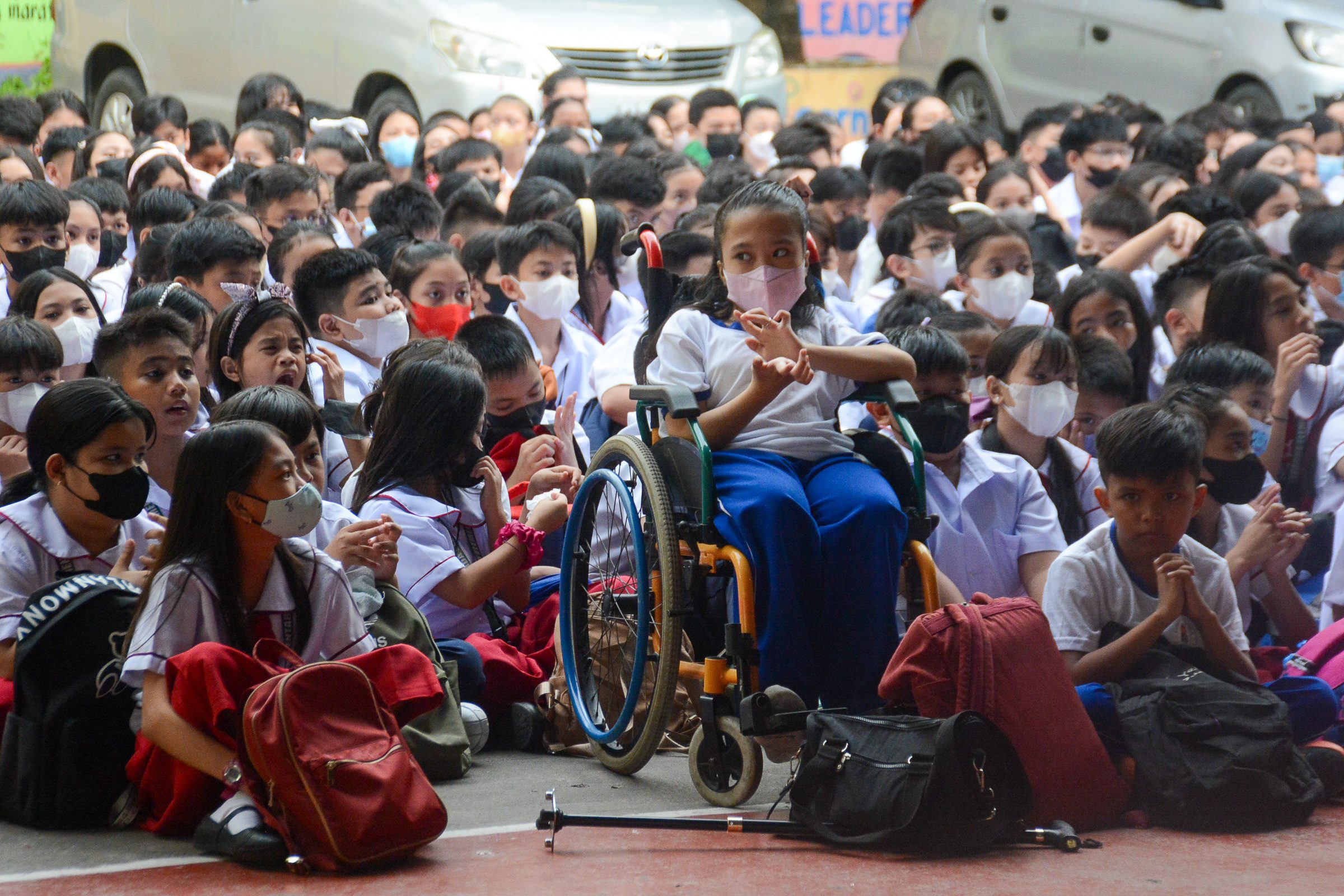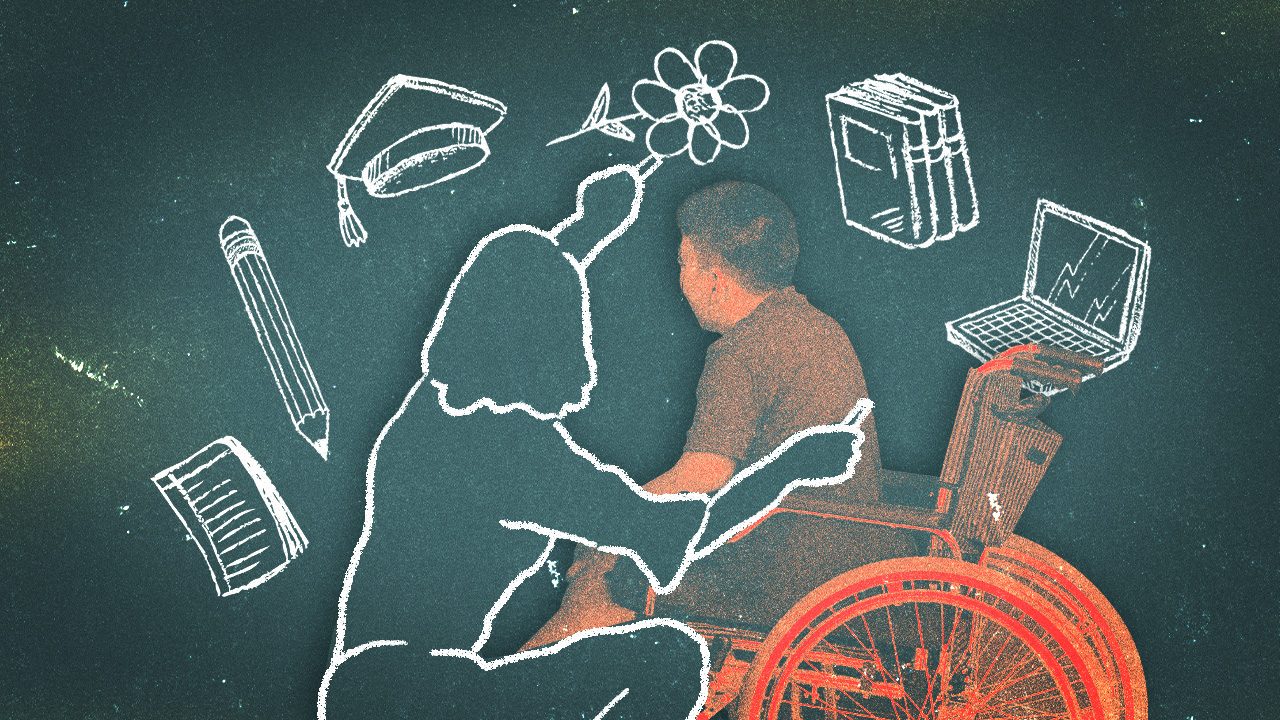
There is a quiet crisis in Philippine education that we do not talk about enough. It is not only that many children cannot read, or that classrooms remain congested, or that teachers carry far too many burdens. It is also this: many children with disabilities are still unseen by the system that promised to serve them.
In 2022, the country passed Republic Act (RA) No. 11650, or the Inclusive Education Act. It was a landmark law. It said that no learner should be denied admission on the basis of disability. It mandated Inclusive Learning Resource Centers, child find systems, individualized education plans, support services, and reasonable accommodation. In short, it promised that children with disabilities would no longer have to beg for a place in school. They would belong there by right.
That promise matters. For too long, families have heard the answer: “Doon na lang po kayo sa school na may SPED.” (Go to a school that offers special education.) We do not have space anymore. We do not have the teacher. We do not have the facility. We do not know what to do.
RA 11650 rightly rejects that answer. But now we must confront a harder question: once a child is admitted, what happens next?
Because admission without support is not inclusion. Mainstreaming without preparation is not inclusion. Placing a child inside a regular classroom, without assistive devices, trained teachers, adapted materials, specialist support, or an individualized education plan, is not inclusion. It may satisfy a rule on paper. But for the child, the parent, and the teacher, it can become another form of abandonment.