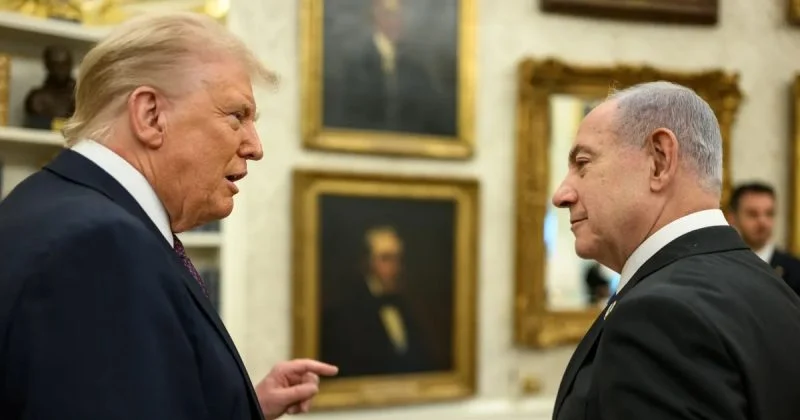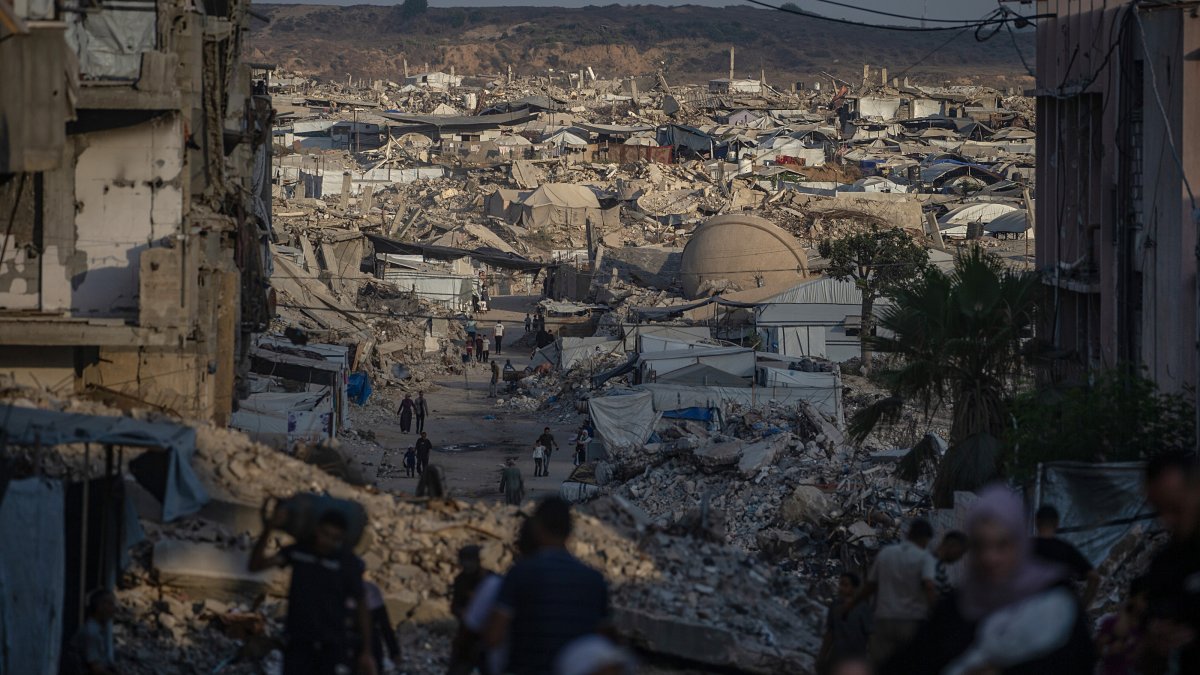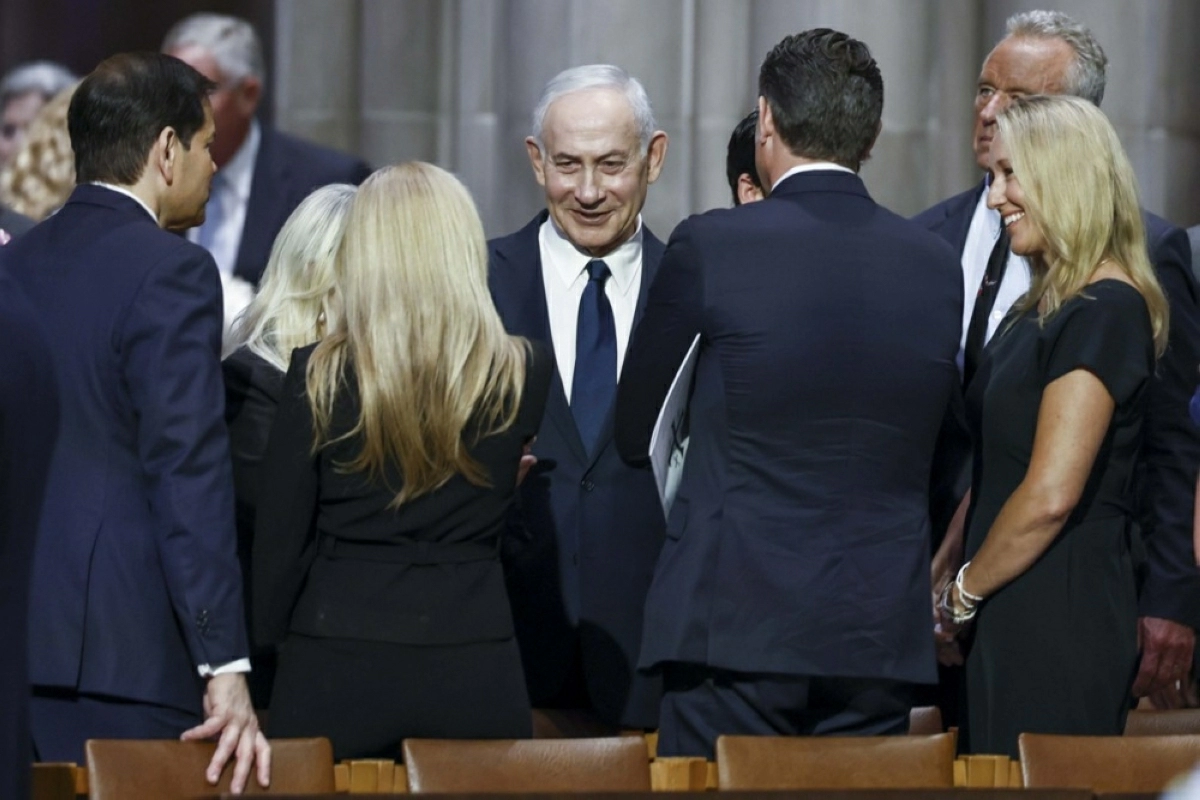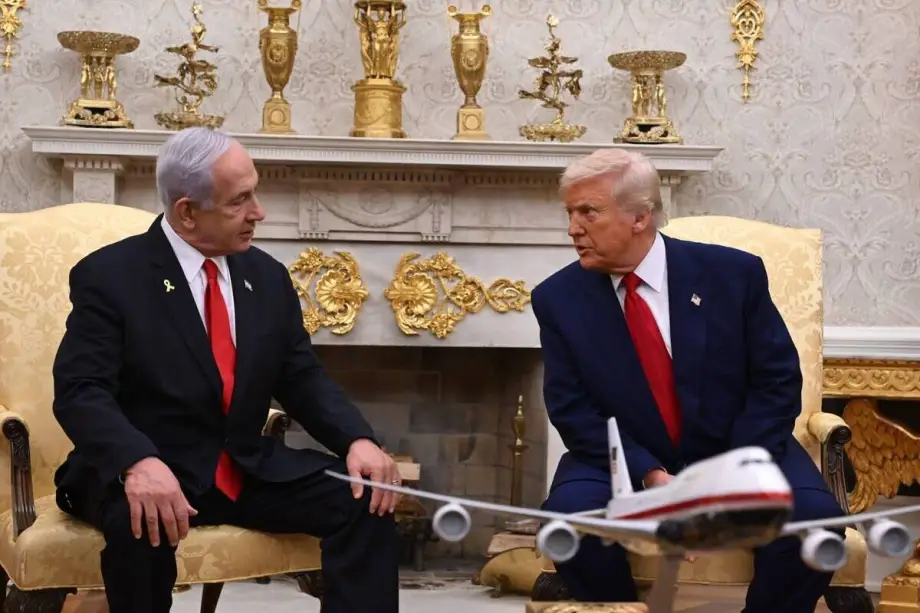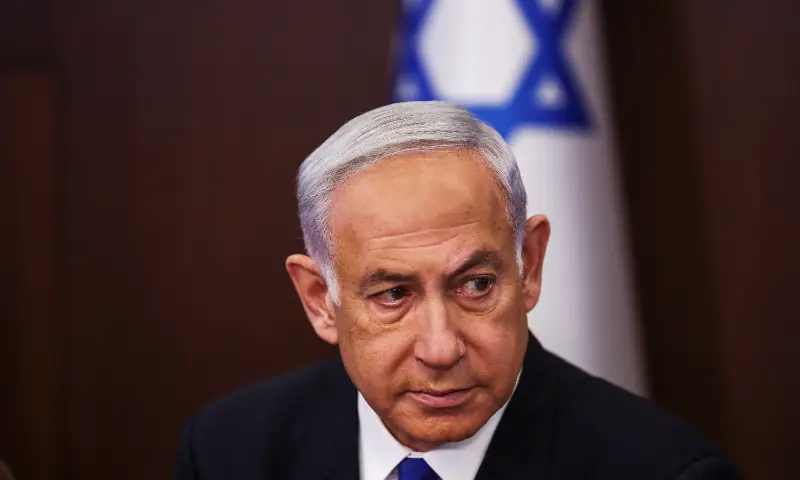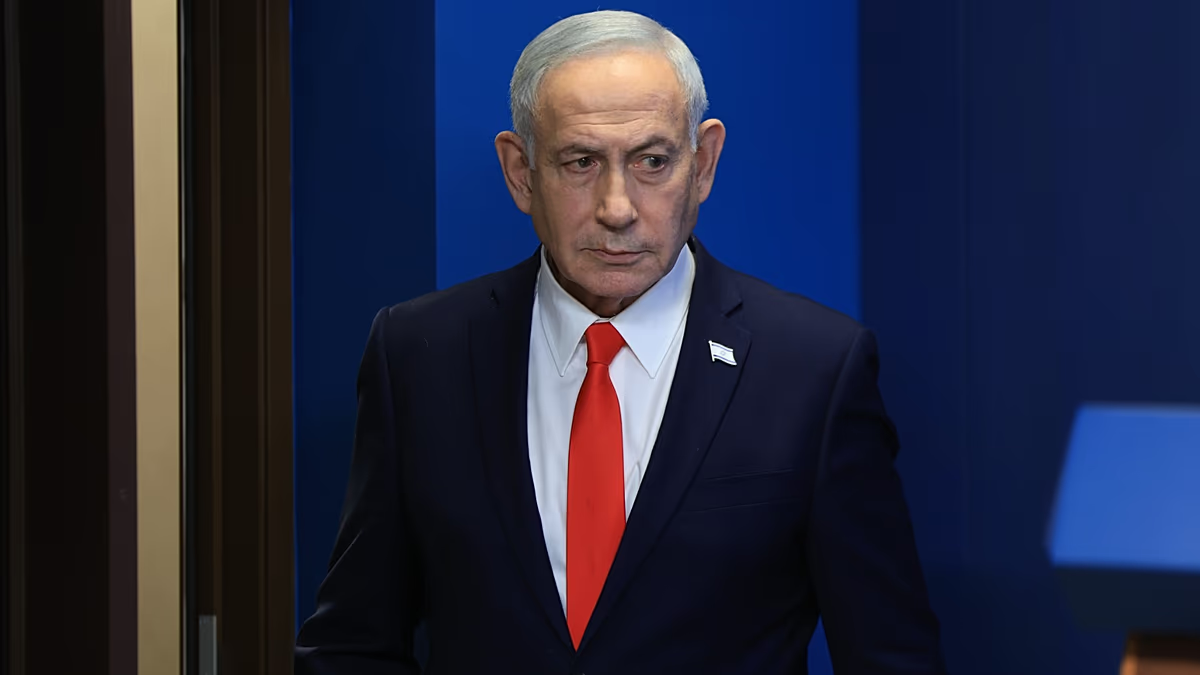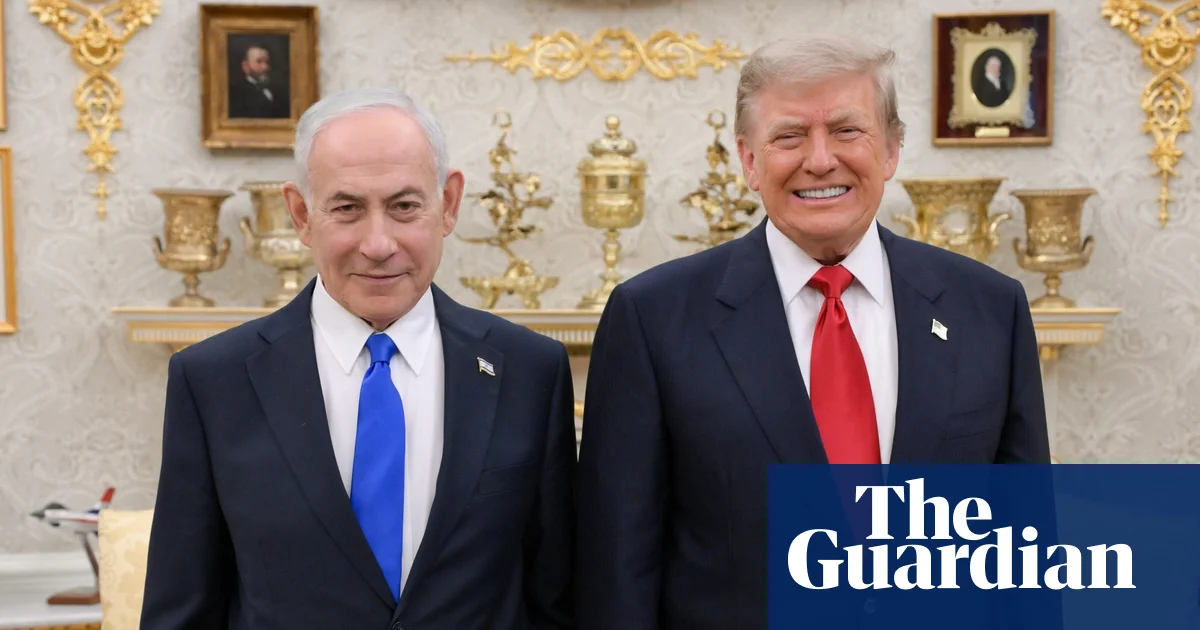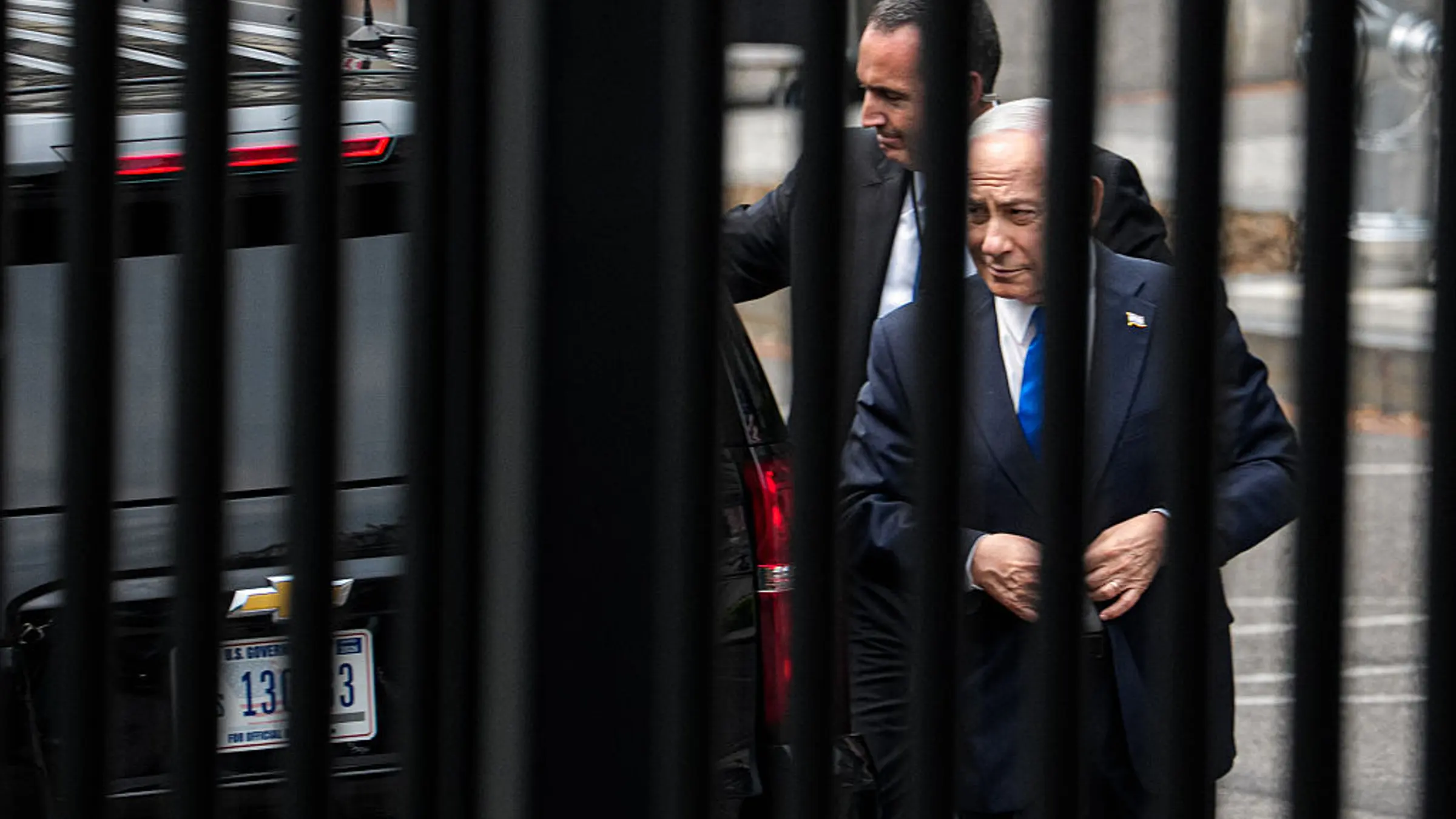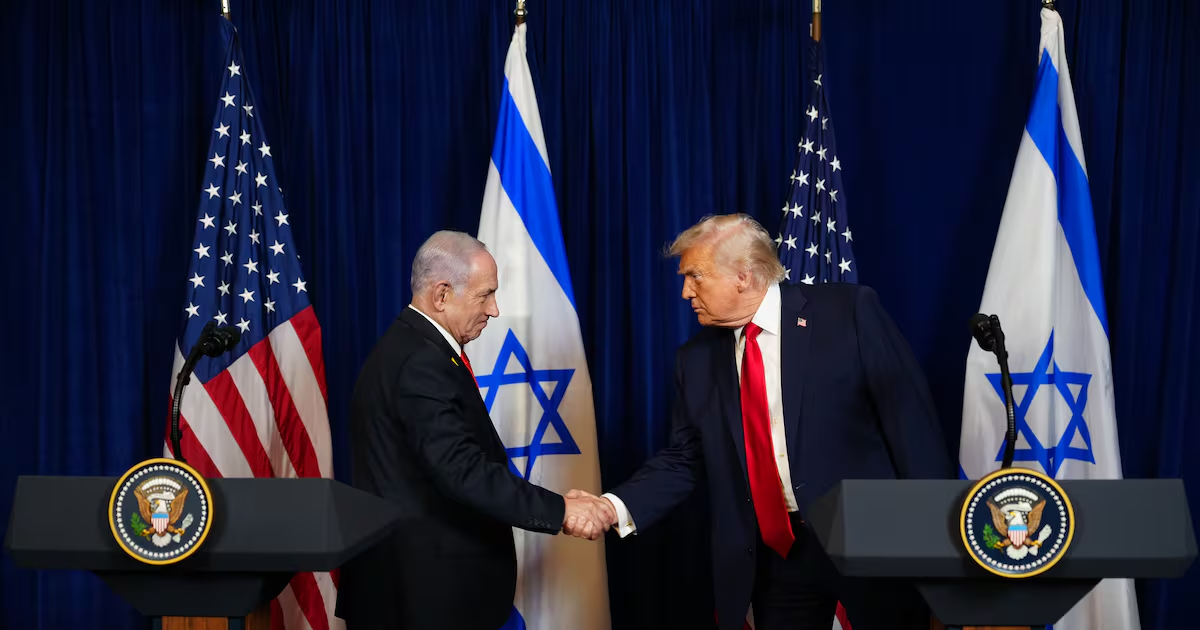
Israeli prime minister Binyamin Netanyahu has formally rejected the 15-point Gaza peace plan, unveiled at the end of July by US president Donald Trump.The Israel Defence Forces (IDF) “will not carry out any withdrawal until Hamas is genuinely disarmed and will continue to thwart threats against our forces and our citizens”, he told ministers at the weekly cabinet meeting in Jerusalem on Sunday.The peace plan was accepted by Hamas, but the Islamist group said handing over its heavy weapons was contingent on Israel ending “all forms of aggression” and withdrawing its forces from Gaza. The plan called on Hamas and the smaller groups to surrender weapons to a new technocratic Palestinian governing body and for the IDF to gradually withdraw to the Israeli border.But details were scarce and Israeli officials expressed serious doubts over whether Hamas really intended to lay down its arms. Netanyahu told ministers that Hamas must give up all of its weapons, a goal that Trump’s Board of Peace members say is not realistically achievable. “We are talking about real disarmament, not fictitious disarmament,” he said, adding that Israel was in discussions with the United States about its objections. “They have ideas; some of them are acceptable to us, and some are not, and we know how to stand our ground on these matters,” he said.The formal rejection came as no surprise.Israel goes to the polls in October and Netanyahu faces the prospect of being voted out of office. He has made repeated promises to the Israeli public to crush Hamas ever since the traumatic attack by Hamas-led militants on southern Israel on October 7th, 2023. Politicians across the political spectrum have spoken out against any concessions that keep Hamas in power without full disarmament.Senior Hamas official Basem Naim responded on Sunday by saying the militant group expects mediators and Washington to keep up the pressure on Israel, stressing that Hamas remains committed to the agreement.“We expect the mediators and the American guarantor to pressure Netanyahu and his government to adhere to the roadmap and not obstruct the process for internal political and electoral reasons,” he said.Israel’s formal rejection is bound to put further pressure on the increasingly tense bilateral US-Israel relations, with Trump eager to chalk up a foreign-policy success in advance of the November midterm elections.While praising Trump for his partnership against Iran, Netanyahu stressed that the security of all Israel’s citizens is not up for negotiation. “I have great appreciation for President Trump,” he told ministers. “He is a great friend of ours in the White House”, but “we can and know how to stand our ground even against our very best friends when necessary”, he said.Exiled Palestinian politician Mohammed Dahlan, who it is believed played a key role in clinching the Gaza ceasefire, described Netanyahu’s rejection of the Board of Peace Gaza roadmap as a “challenge, disdain, and deception towards the American administration and President Donald Trump’s team”.He said mediators “now recognise Netanyahu as the obstacle to achieving security and stability”. Far-right Israeli finance minister Bezalel Smotrich welcomed Netanyahu’s rejection.“We went to war with a central goal: the destruction of Hamas,” he said. “The IDF cannot withdraw even a millimetre from the Gaza Strip. The Gaza Strip cannot begin any process of reconstruction before the complete dismantling and demobilisation of Hamas and the Gaza Strip.” More than 73,000 people have been killed in the almost three years of fighting in Gaza and, according to the United Nations, about 1.9 million people – 90 per cent of the enclave’s population – have been displaced. Israel has continued to carry out strikes on Gaza since agreeing to an initial ceasefire last October, resulting in the death of at least 1,150 residents, according to the Hamas-controlled Gaza health ministry. The IDF has also gradually extended to almost 70 per cent the territory it controls, pushing the yellow line temporary border further west.
Netanyahu’s rejection of Gaza deal to exert pressure on relations with Trump
US president keen to register foreign policy success in advance of November mid-term elections
646 words~3 min read