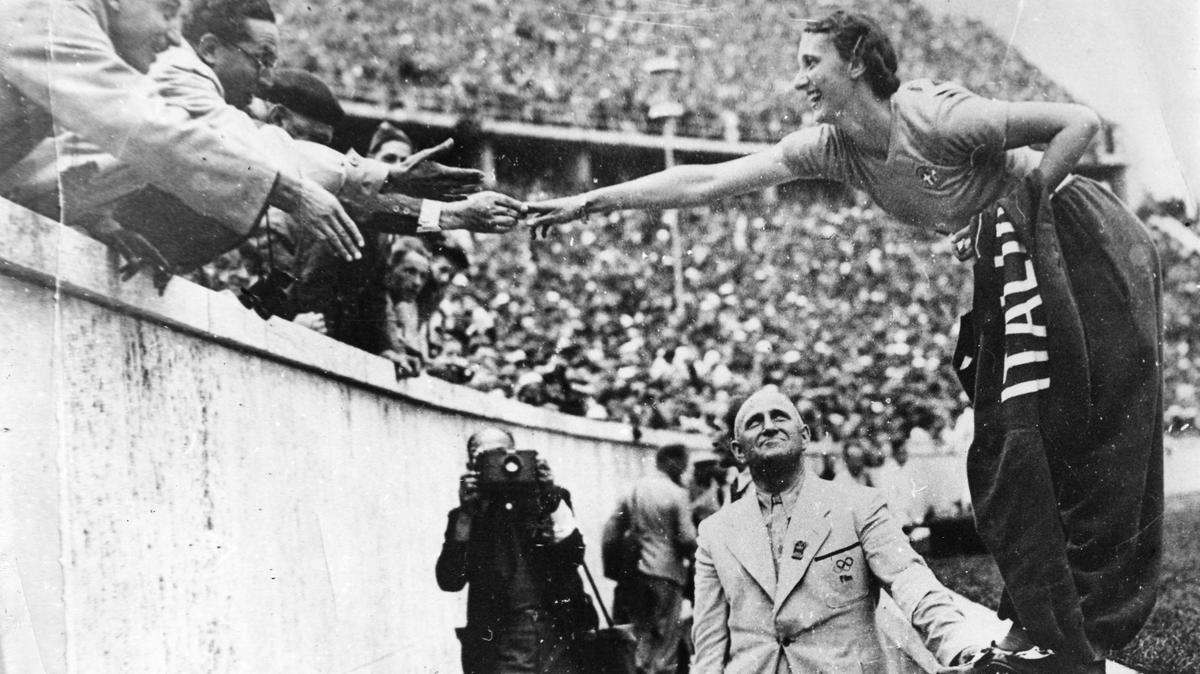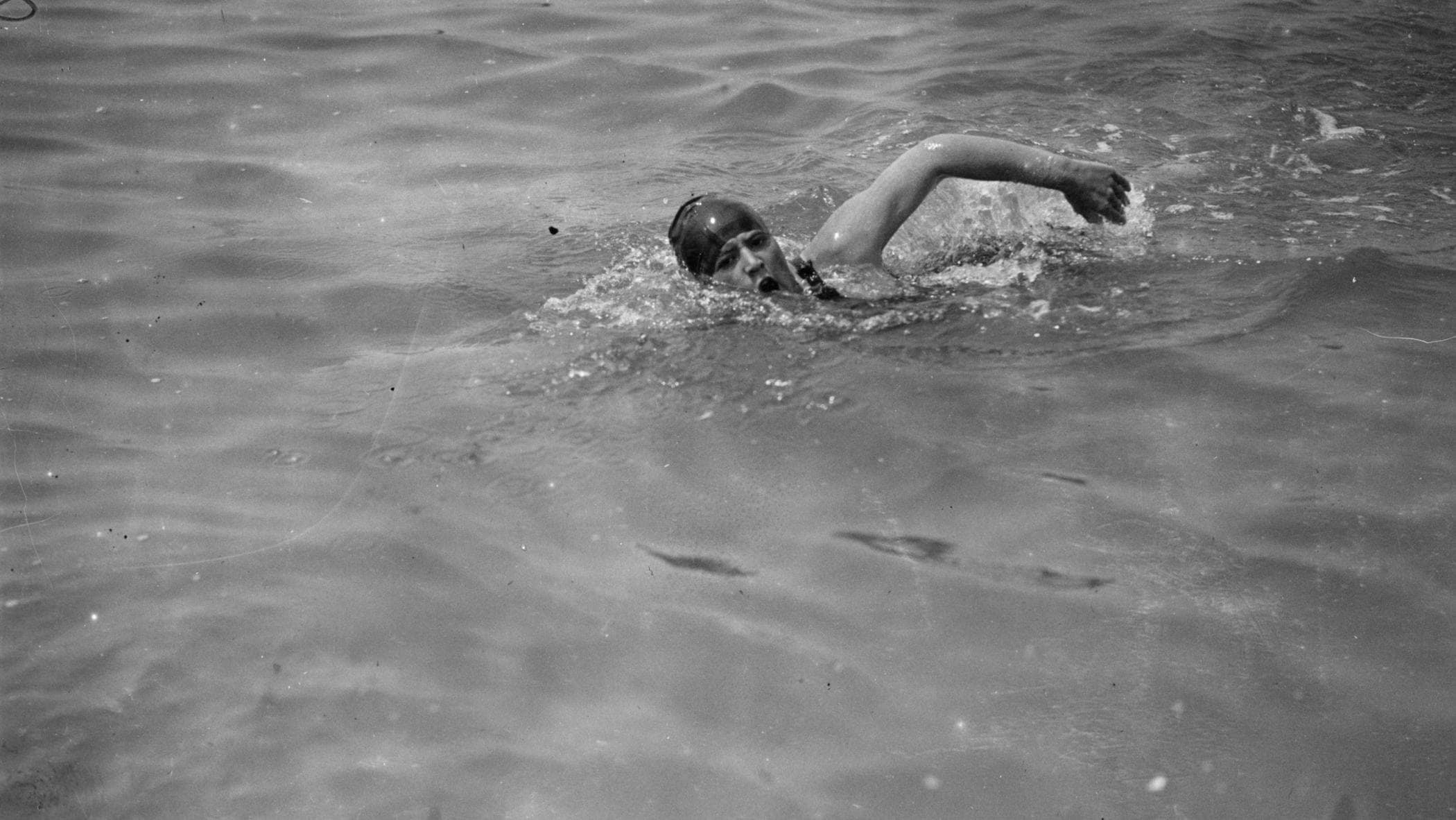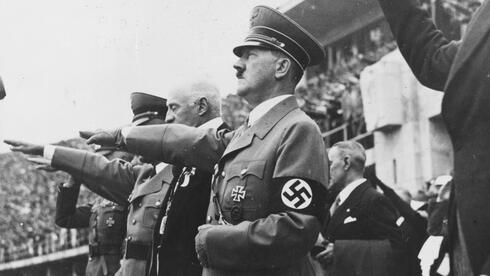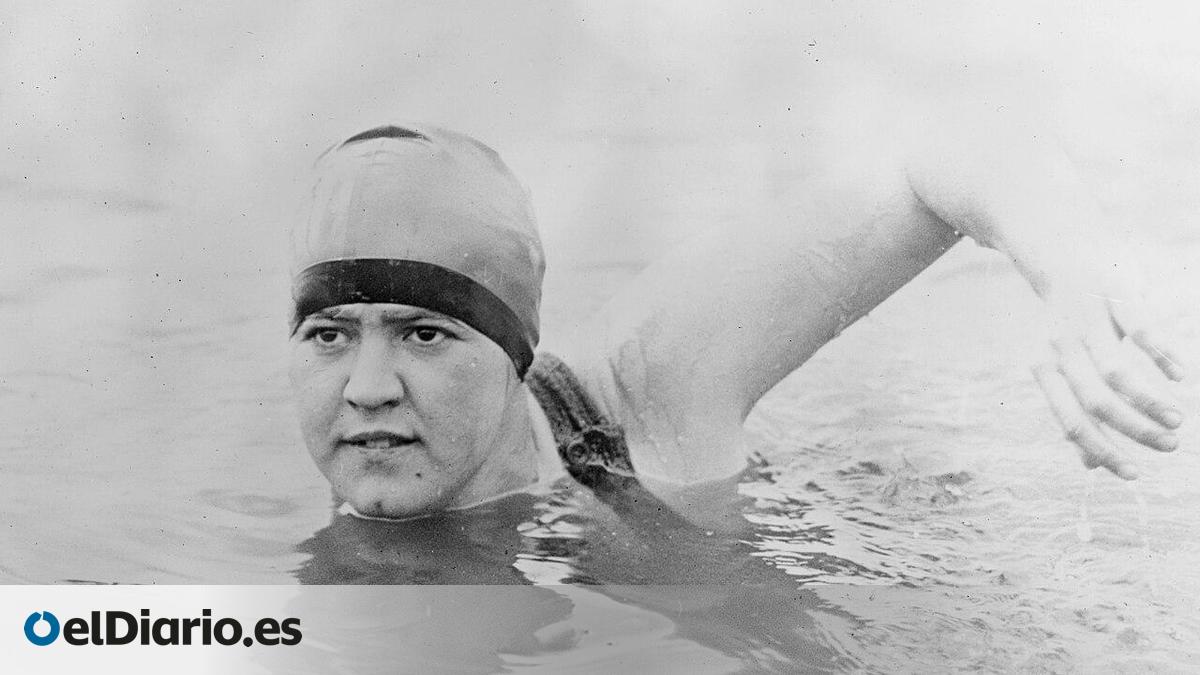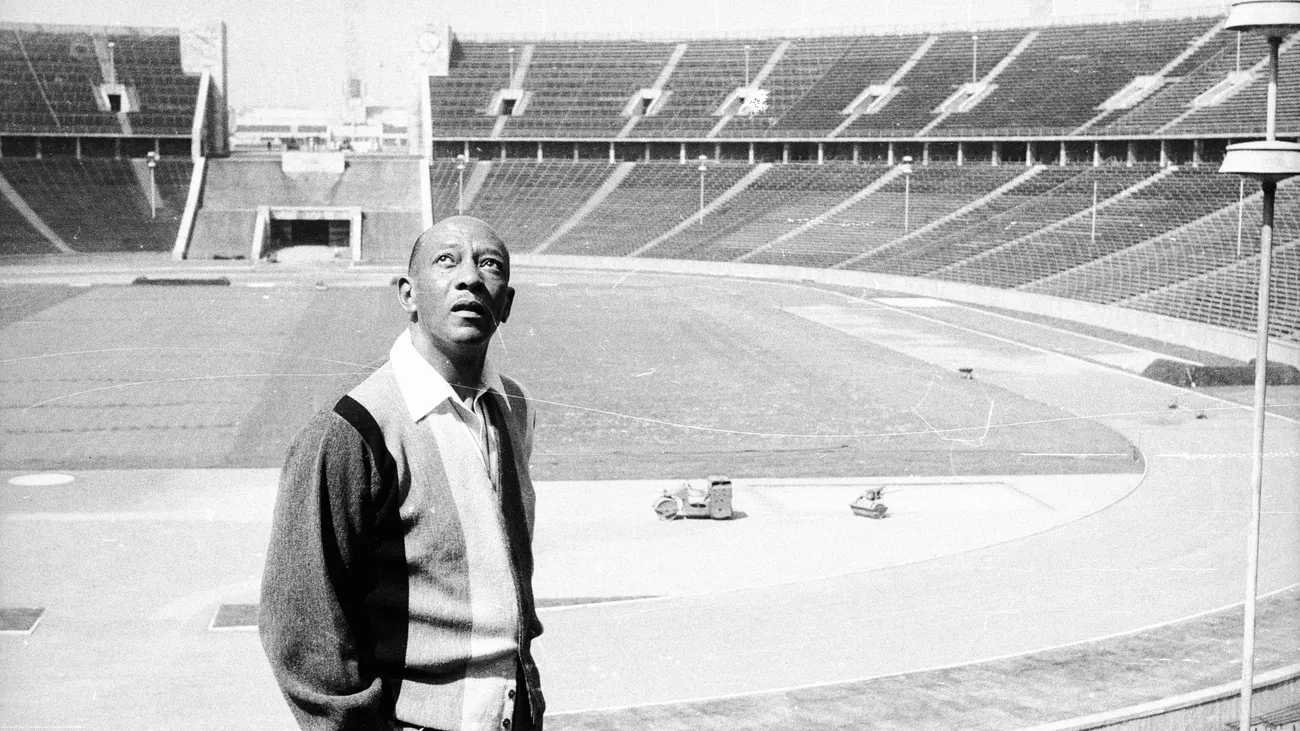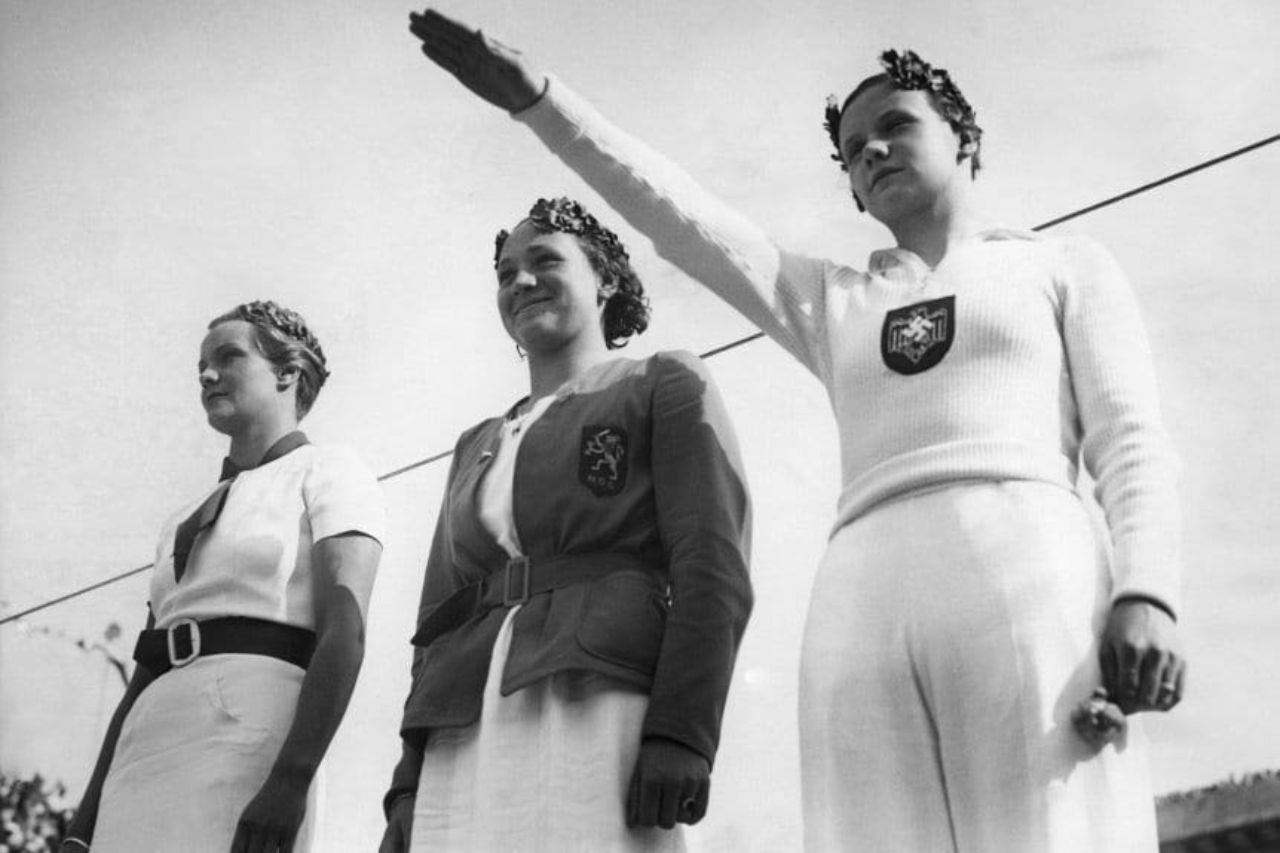
Argentine sport is full of trailblazing stories, from Emanuel Manu Ginóbili conquering the NBA to Gabriela Sabatini winning the US Open in 1990. Few, however, did it by breaking gender and historic barriers like Jeanette Campbell did at the 1936 Olympics, under the eye of Nazi Germany’s leaders.
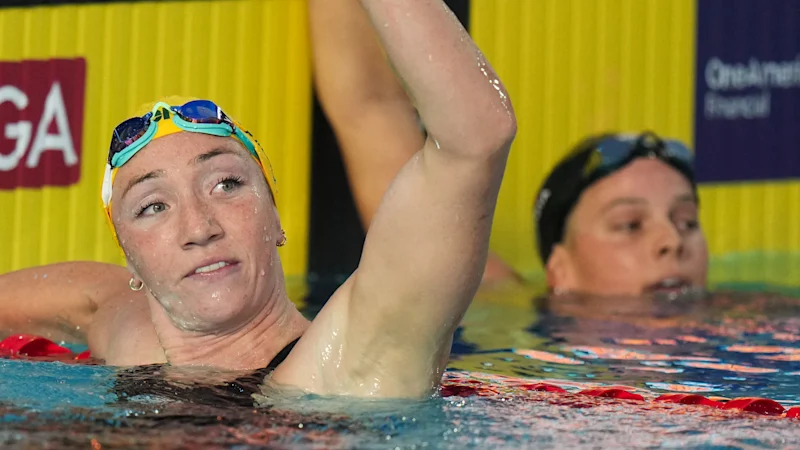
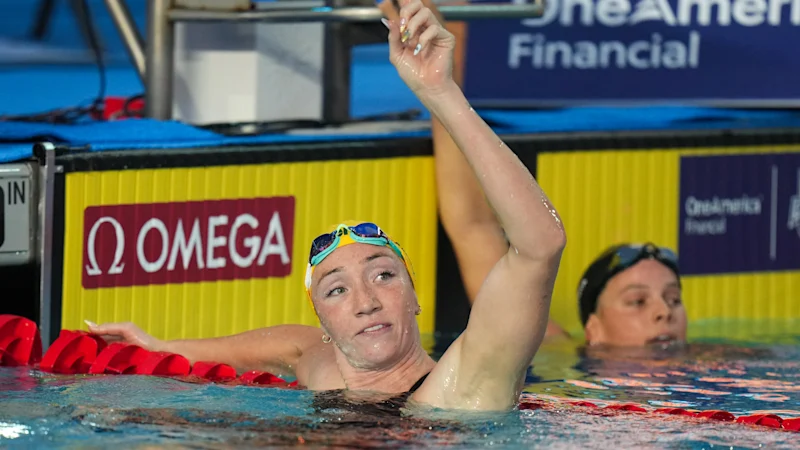
On August 9, 1936, when she crossed the line in second place in the 100m freestyle swimming final, she became not only the first Argentine woman in history to represent Argentina at an Olympic Games, but also the first to claim a medal.
According to Alicia Morea, vice president of the Argentine Olympic Committee (COA) and chair of the committee’s Women in Sports Commission, it was “one of the most important milestones in the history of the Argentine Olympic movement.”
“It wasn’t just the first Olympic medal won by an Argentine woman; it was proof that talent, determination, and athletic excellence know no gender,” said Morea.
Today, 90 years later, Campbell’s legacy remains one of incredible talent, overcoming difficulties, and pioneering for women’s sports in the country.