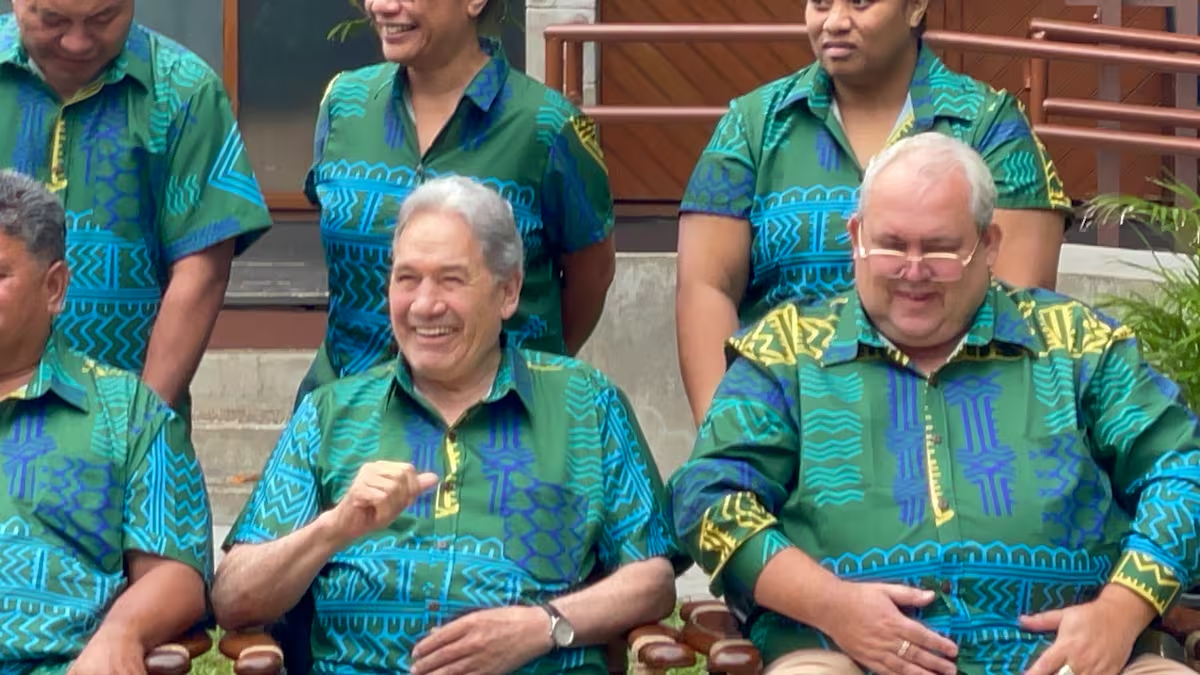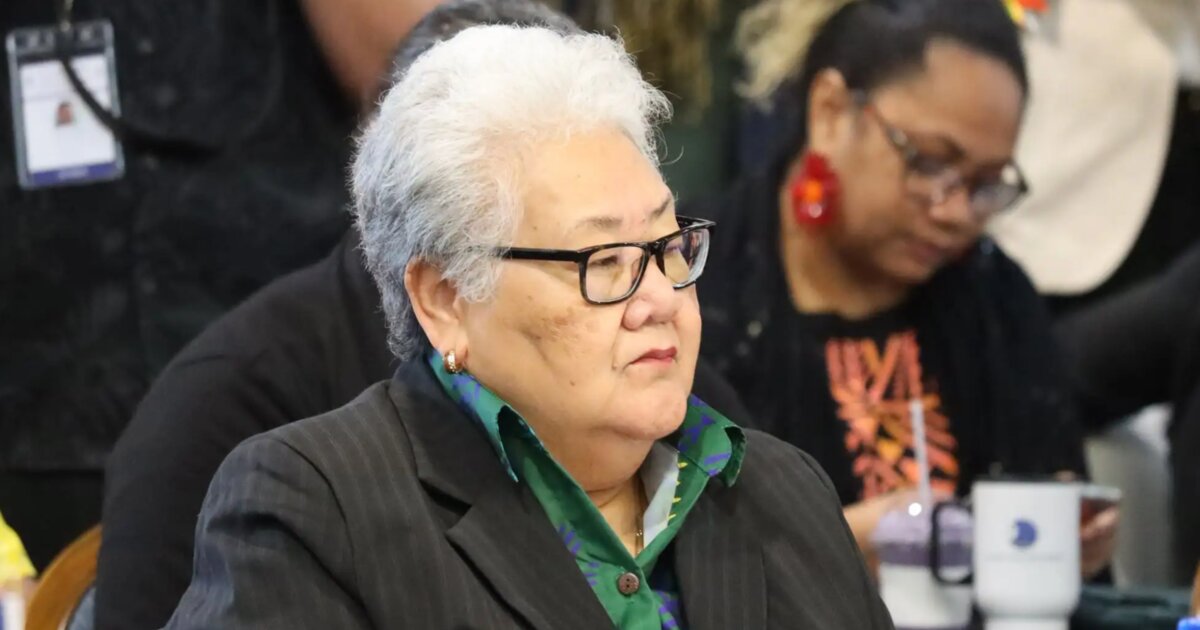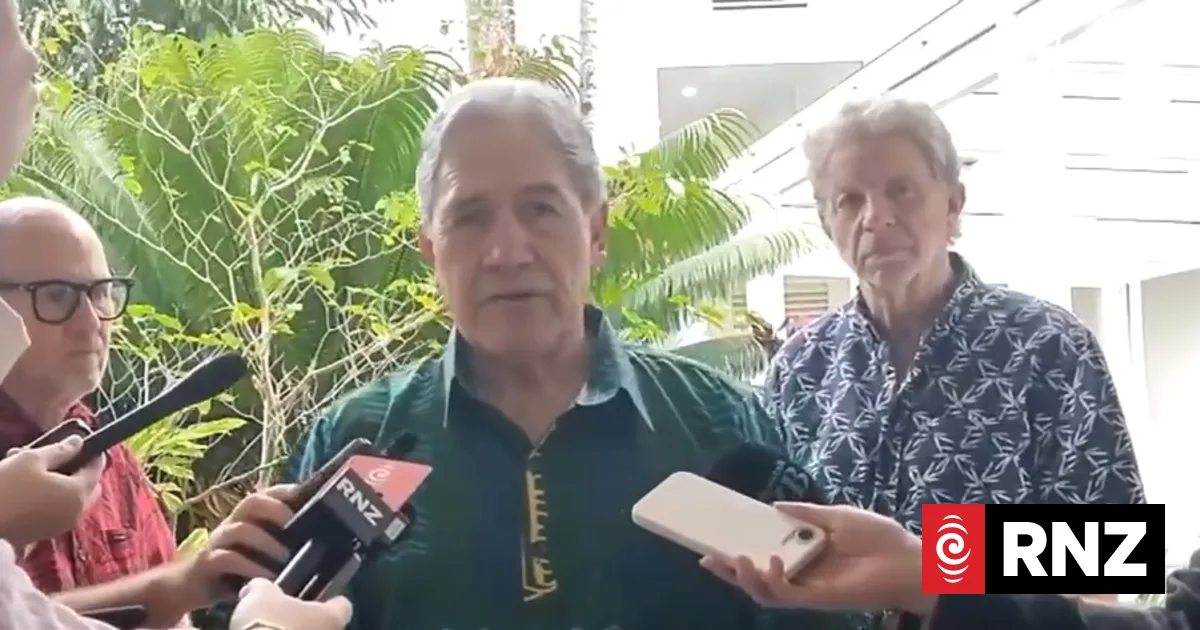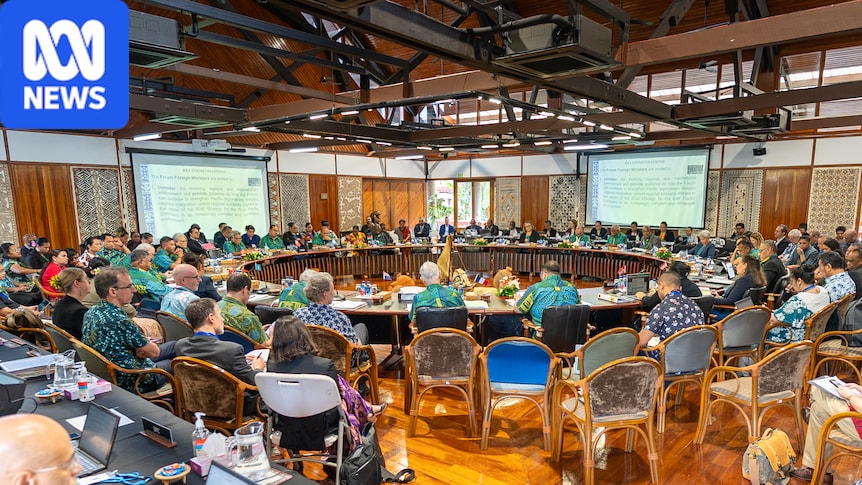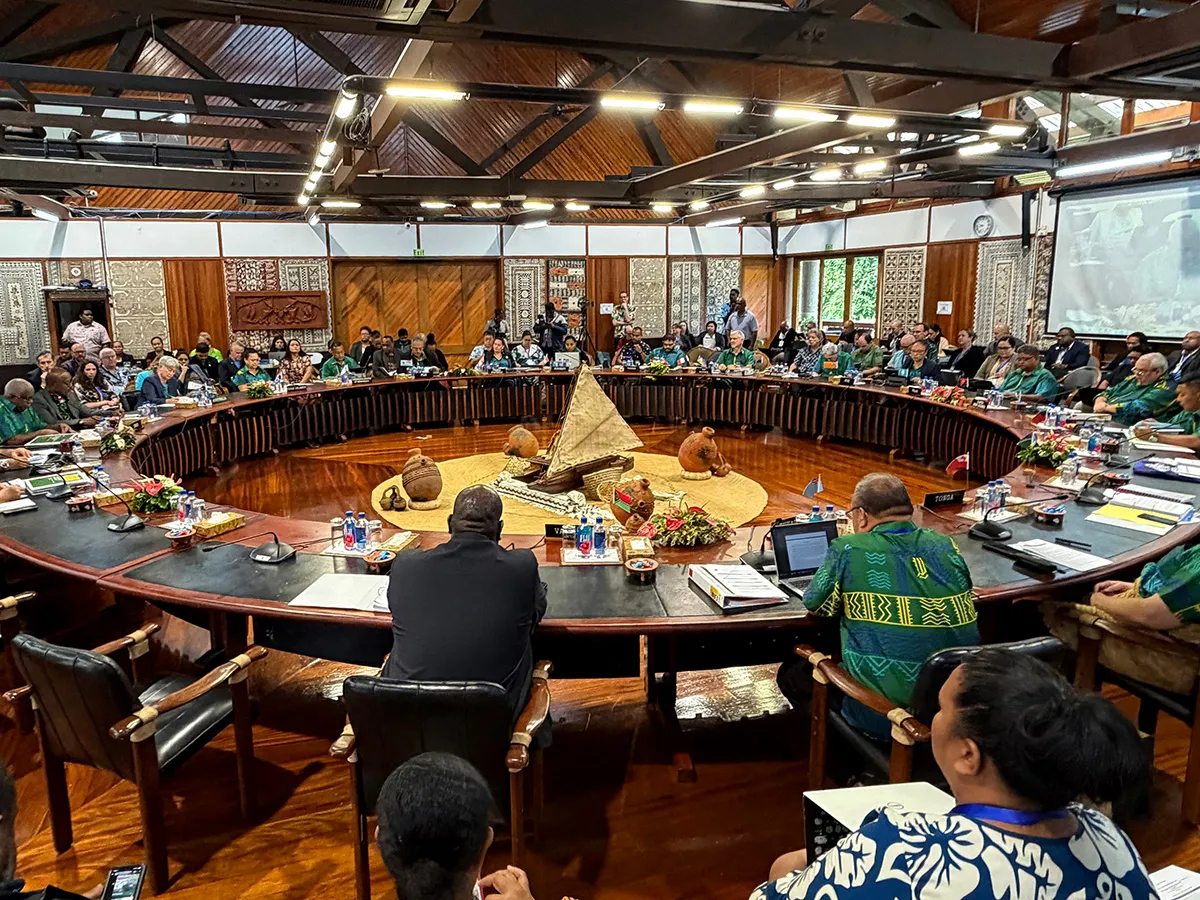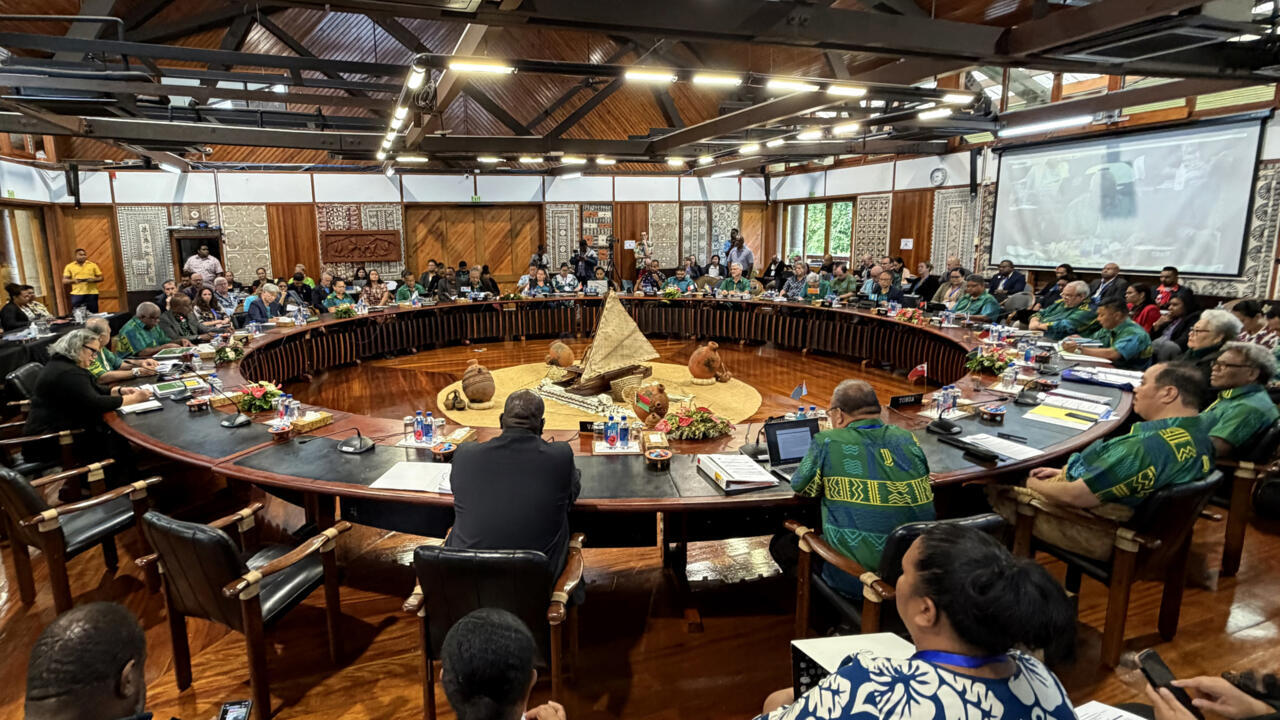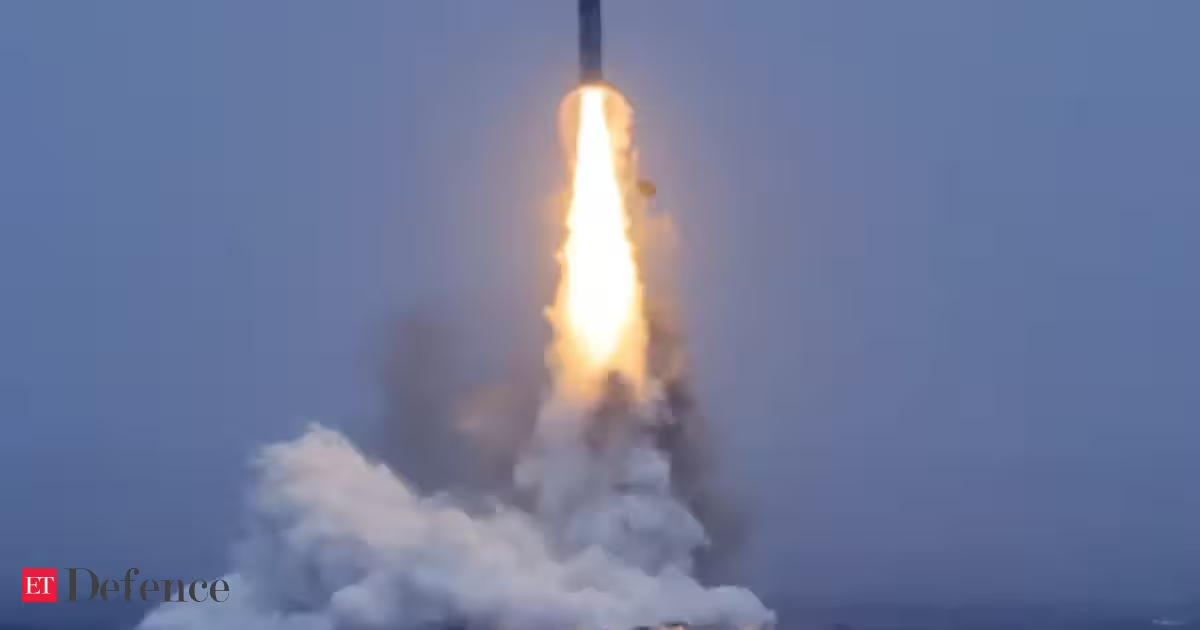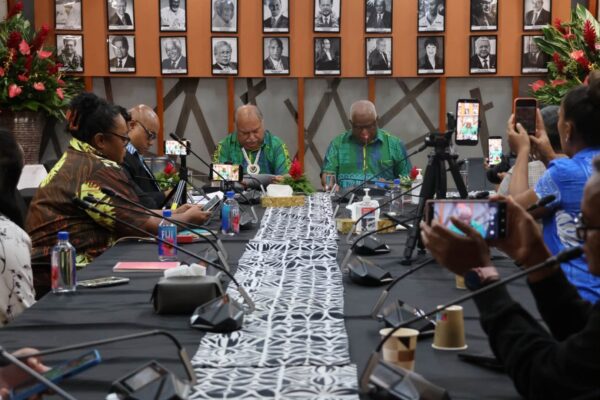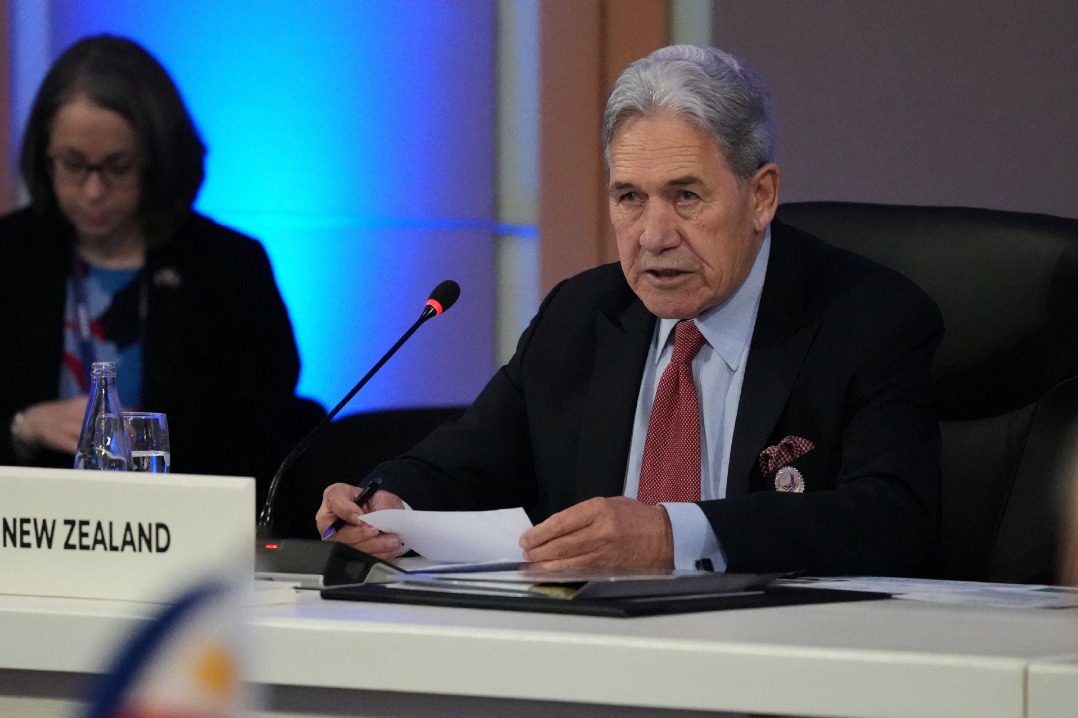
The Pacific Islands Forum Foreign Ministers Meeting ended on Friday without a joint statement criticizing China's July missile test over the high seas, much to the dismay of New Zealand Foreign Minister Winston Peters. Before the meeting, Peters had urged Pacific Island nations not to miss an opportunity to collectively rebuke Beijing, even invoking "logic" as though the region's leaders needed a reminder of their homework.
But the forum participants did not oblige. The issue was deferred to the leaders' meeting in Palau later this month. No statement was made, no condemnation was issued — just a diplomatic shrug.
This was not a missed opportunity. It was a missed memo: the Pacific is no longer a quiet pond where Australia and New Zealand decide who the neighborhood "bully" is. Pacific Island countries are sovereign states with their own interests, and they are increasingly unwilling to be drawn into a binary contest between China and the West.
Peters accused unnamed countries of being "influenced by those outside the region". But who, exactly, is the outsider? Pacific nations are fully capable of making their own judgments. Many have prioritized climate change, development, infrastructure, trade and economic security over becoming "foot soldiers" in another major-country rivalry.