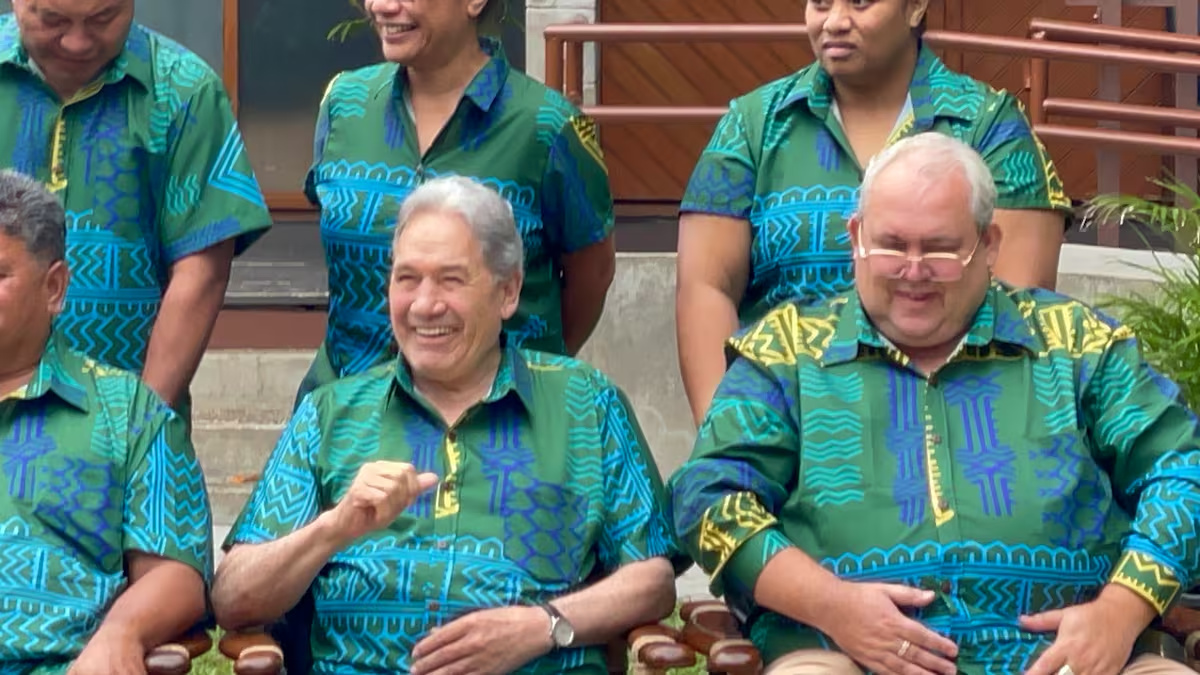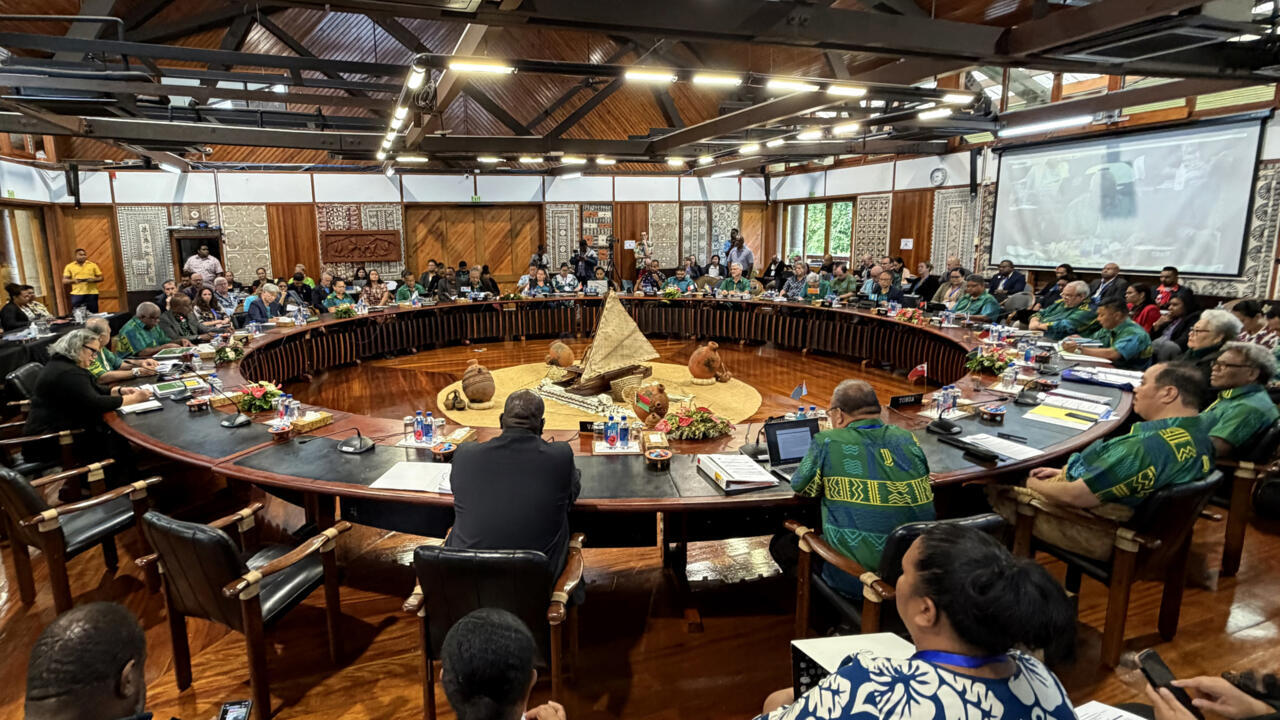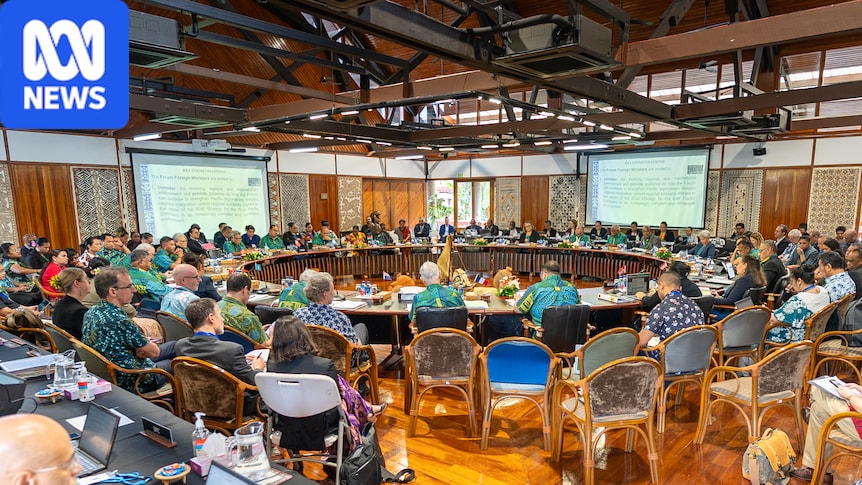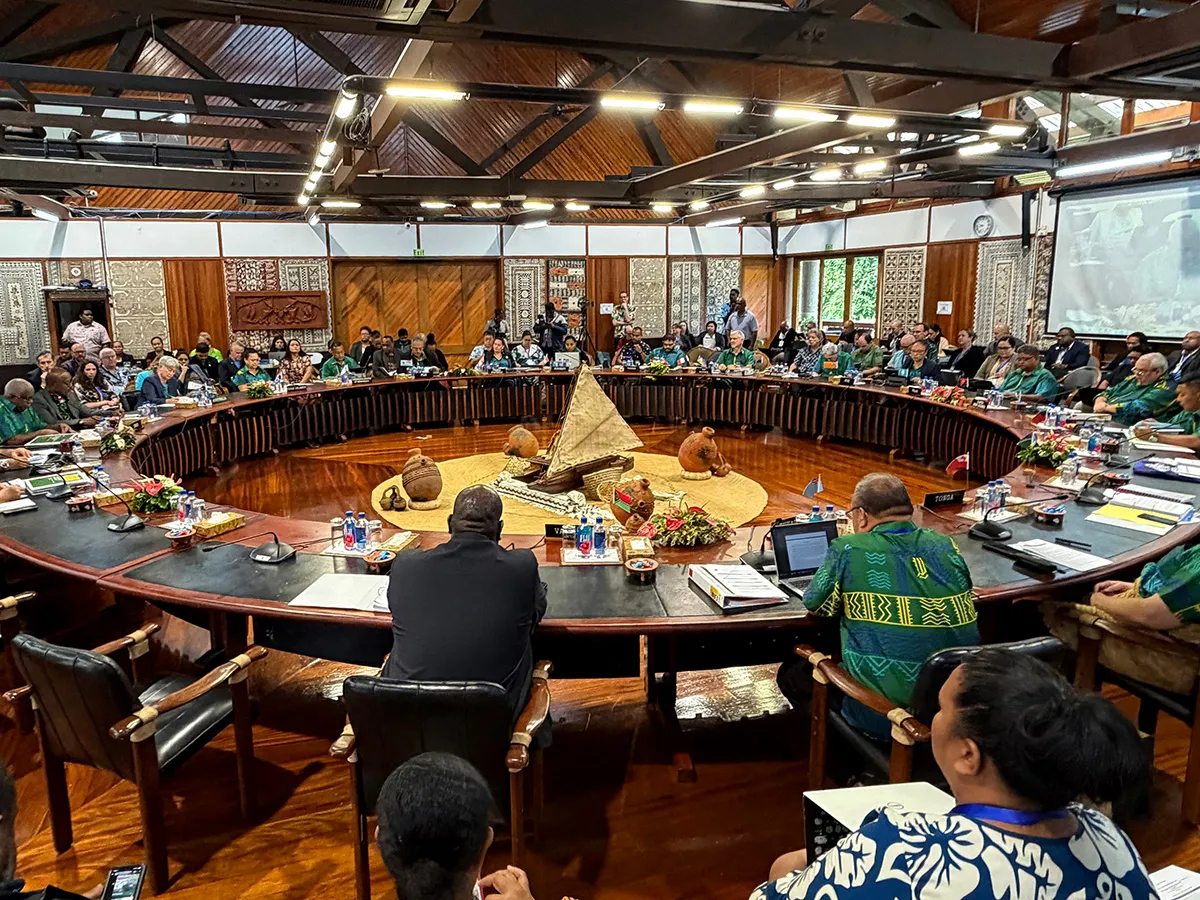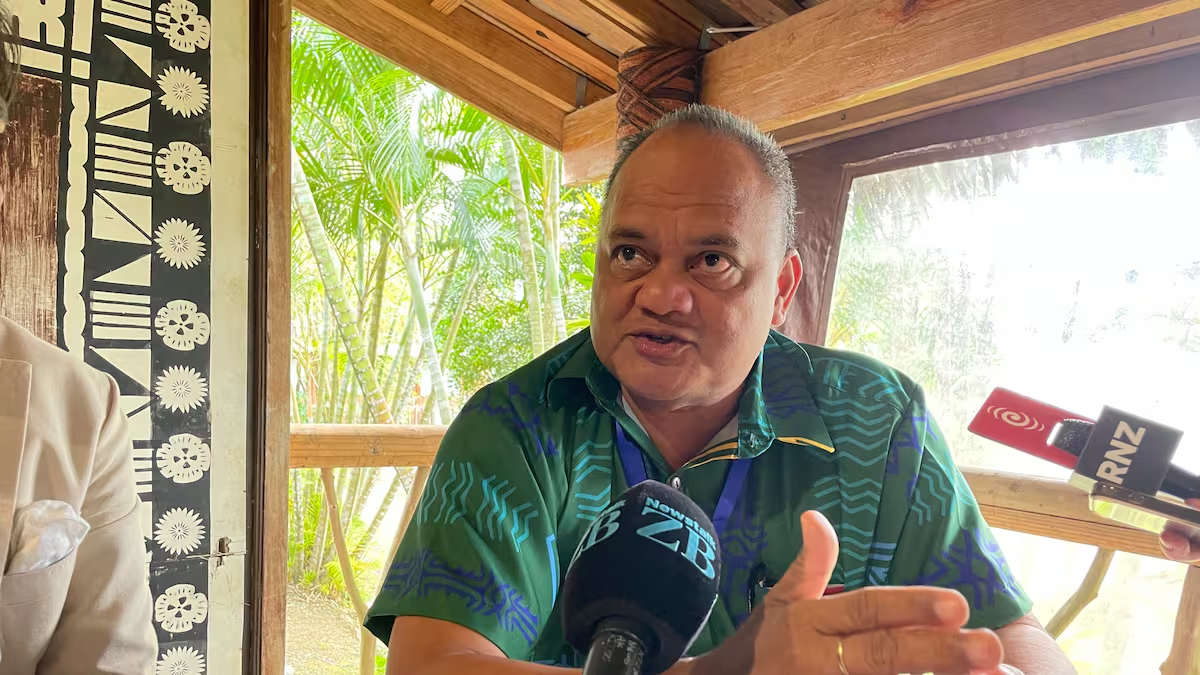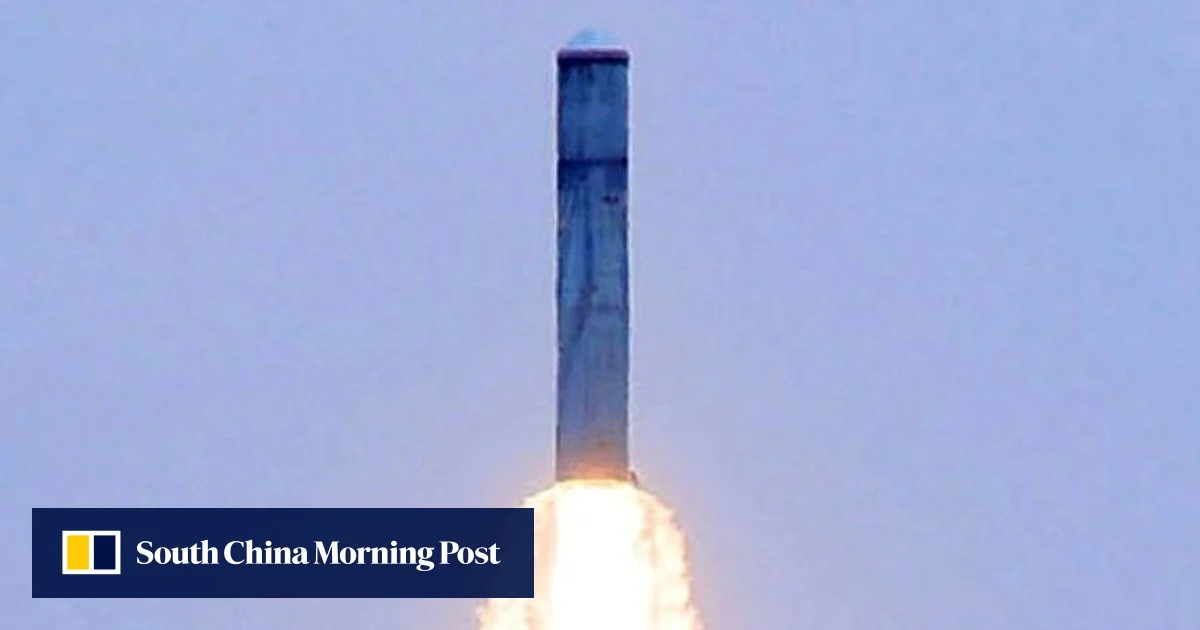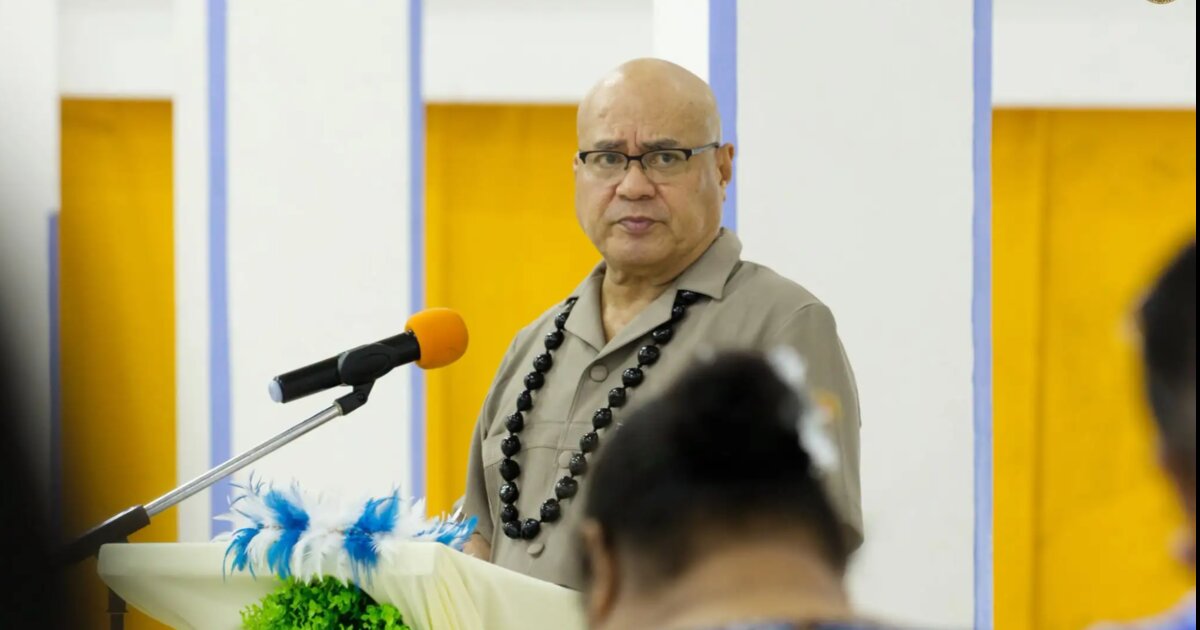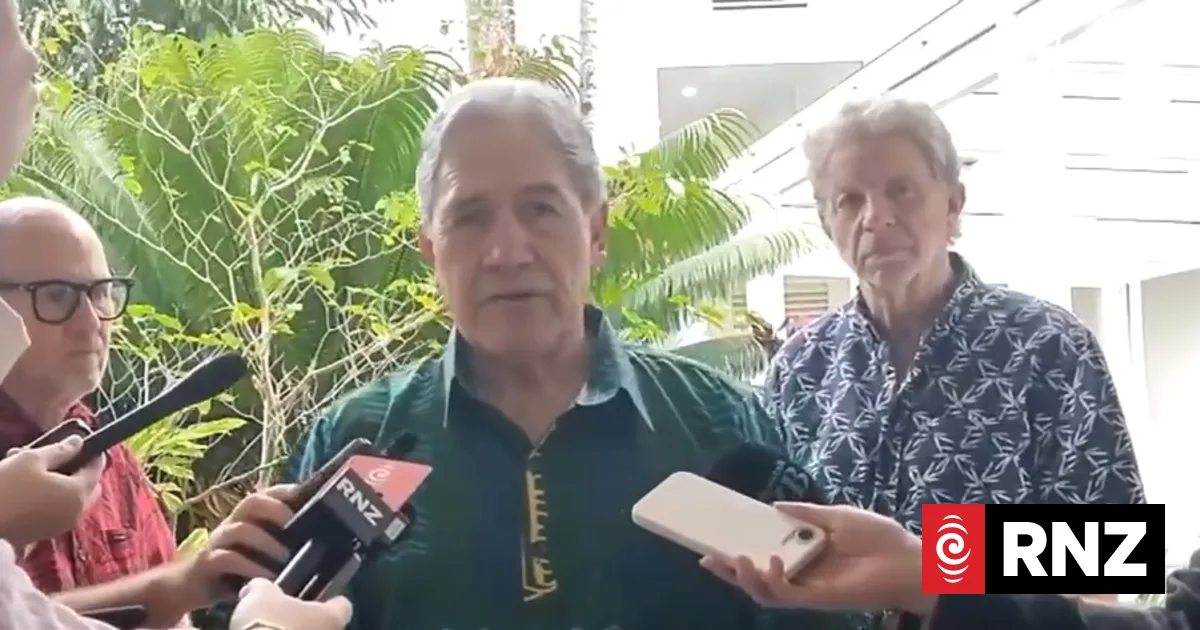
Foreign Minister Winston Peters says the Pacific missed an opportunity not to issue a joint statement soon after China launched a nuclear-capable missile into waters near Tuvalu.It's unclear whether a consensus will be reached at today's Pacific Islands Forum (PIF) Foreign Ministers' Meeting, with Peters labelling it a "delicate issue".Peters is in Fiji for the meeting along with counterparts from 17 other Pacific countries, in preparation for the leaders' meeting in Palau, in early September.It's been a month since China test-launched a nuclear-capable ballistic missile with a dummy warhead into the Pacific Ocean - a nuclear free zone.It was met with condemnation from some Pacific leaders, and Christopher Luxon said the New Zealand government made clear to China that the move was unacceptable - but there has not been a unanimous statement from Pacific nations.Peters said New Zealand had been pushing for one."It's a very delicate issue," he said, suggesting some countries would come to the meeting with their minds made up."The roadblock is that if you've had a predetermined position, any discussion here and any logic and reasoning will not land," he said."We'll see whether logic prevails in this debate, or whether the debate has already been settled by people having a predetermined position from which they will not move."The PIF Foreign Leaders' Meeting group photo in Fiji on 7 August 2026.RNZ / Lauren CrimpPeters would not name the countries he believed were holding things back.He said it was not too late to take a joint position however it should have been done sooner: "the sooner the better."The countries should not be in a position where they could not reach consensus on the matter, said Peters."At this point in time, we've got one third of the world's surface, there's a desperation for serious funds when it comes to resilience building in this part of the world," he said."The economic situation is not good, so we need each other more than ever, and we need international recognition as well more than ever."Peters had a brief discussion with Australia's foreign minister Penny Wong on Friday morning ahead of the meeting, but would not say whether the two countries were on the same page.He said there would also be discussion about how partner countries work with PIF following the controversial decision to ban them - including heavy hitters like China and the US - from last year's meeting in the Solomon Islands.Peters has spoken out repeatedly about "outsiders" influencing the Solomon Islands Prime Minister Jeremiah Manele to implement the ban, which Manele denied, arguing the block made sense while PIF leaders considered how best to respond to the increasing interest from partners wanting a seat at the regional decision-making table."We need their help," Peters said."This idea of tiering people and all sorts of this part of the discussion, if it means that you actually lose the chance for buy-in by serious countries, then that'll be a big mistake."Fiji's foreign minister Sakiasi Ditoka opened the meeting with a call for unity."Even as our strategic environment becomes more complex, the Pacific response should not be fragmentation or division," he said, as the Pacific Islands Forum Foreign Minister's meeting kicked off."It should be greater regional solidarity, stronger consensus and continued confidence in our own regional institutions and processes."He said the foreign ministers had a "unique responsibility," helping to shape how the Pacific "engages the world, manages these partnerships, and protects the integrity of our regional institutions".Ditoka said the matters before the forum reflect that responsibility, from "strengthening our peace and security architecture", to advancing the 2050 "international engagement strategy" and "deepening regional integration".He also stated it was about "ensuring our partnerships continue to serve Pacific priorities"."Together they represent practical steps towards implementing the vision set out in the 2050 strategy for the blue Pacific continent."The secretary general Baron Waqa followed, saying guidance from the foreign ministers would continue to shape the evolution of regionalism and the "trajectory of regional institutions".For his part, he said, "allow me to reaffirm that the secretariat remains committed to supporting a forum that is increasingly strategic" and responsible."One that is able to anticipate emerging challenges, coordinate regional action, and deliver effectively on the priorities set by leaders."
Winston Peters says Pacific missed chance to issue statement after Chinese missile test
Foreign Minister Winston Peters says the Pacific missed an opportunity not to issue a joint statement soon after China launched a nuclear-capable missile into waters near Tuvalu.
697 words~3 min read