Umair Bilal spent months in Sehwan, Pakistan, trying to direct a documentary. Then he gave up.
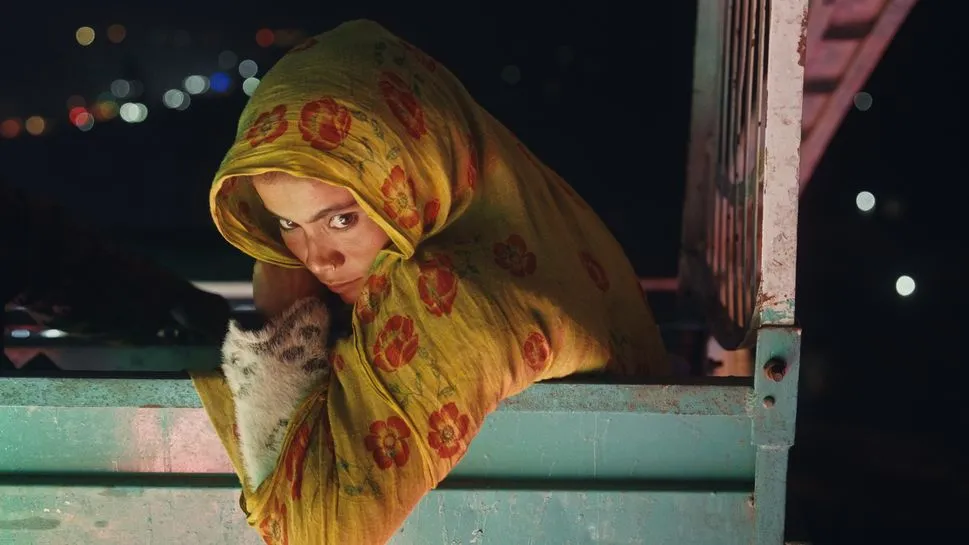
“Every time I tried to impose that logic onto Sehwan, it felt like I was working against the place rather than with it,” the Pakistani filmmaker tells Variety of his debut feature, “As Light as Air,” which premieres in Semaine de la Critique at the 79th Locarno Film Festival. What began as an attempt to find characters and structure inside the Sufi shrine town instead became a 65-minute surrender to its rhythm – no plot, no protagonist, just pilgrims, malangs – wandering ascetics who have given up conventional life to devote themselves to the shrine – and the ecstatic communal trance of the dhamal.
Bilal traces the project’s origins to sensory fragments rather than plot. “What stayed with me was not a sequence of events, but a series of sensations: people praying in deeply absorbed, almost transcendent states, the smell of burning incense, the glow of oil lamps, devotional music, and the feeling that these places operated according to a different logic from the outside world,” he says.
Sehwan quickly overtook whatever nostalgia had drawn him there in the first place. “My childhood may have opened the door to Sehwan, but once I arrived, Sehwan gradually replaced those memories with its own reality,” he says. “By the end, I realized the emotional and visual world of the film belonged far more to Sehwan than to my childhood memories of it.”