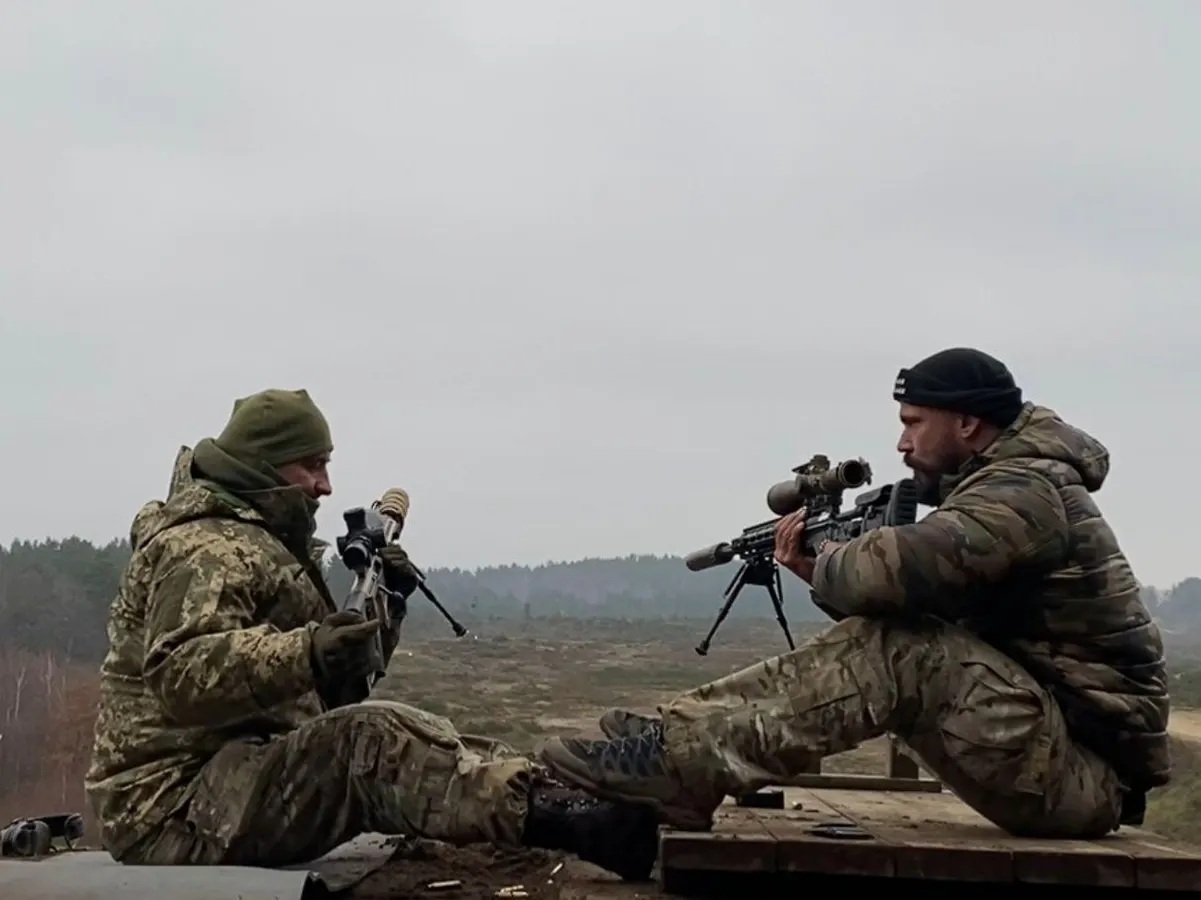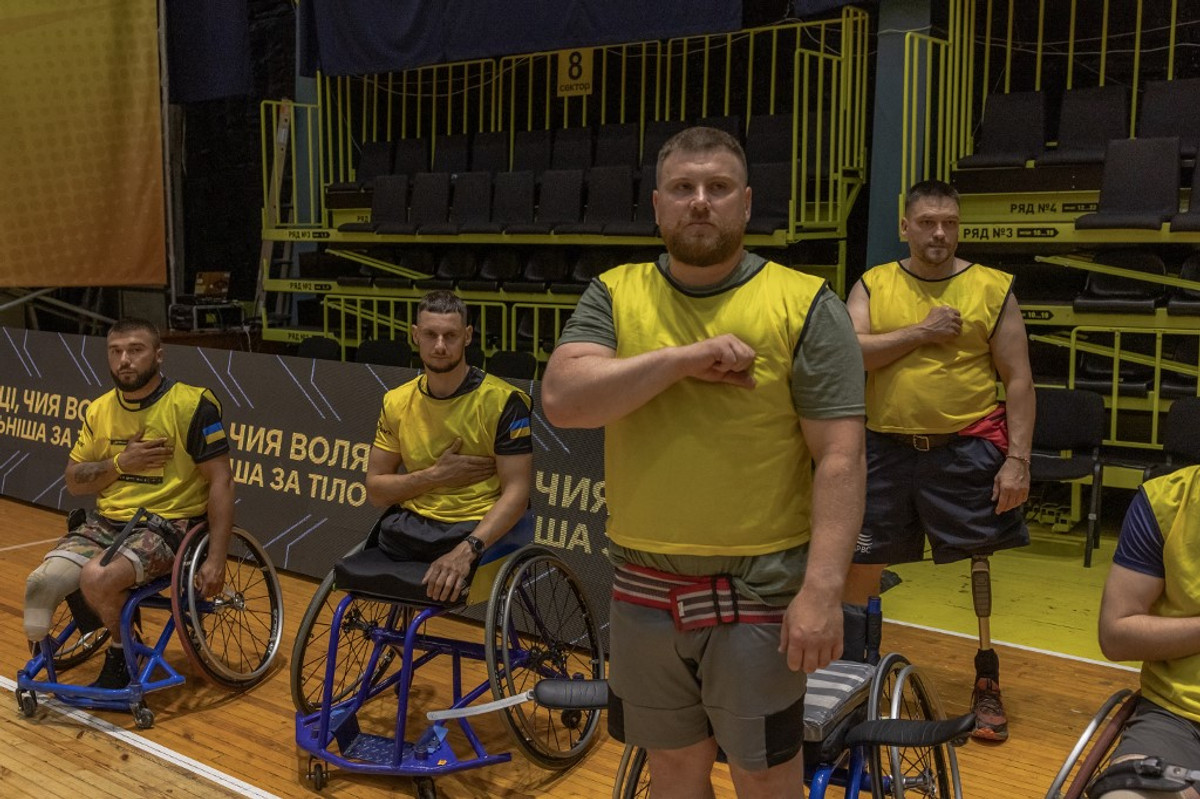
In 2012 having visited a firing range in Cyprus I realized that there was a disconnect between the servicemen I had met and the public perception of the health and ability of those in the Forces. This led to a piece of research which suggested that they were regarded as victims, mostly damaged by their service and not suitable for work in the private sector. As a result, I offered to conduct a study for the government, which I published in 2014 as the Veterans’ Transition Review, setting out recommendations for the better management of transition to civilian life, covering work, health, housing education and welfare. The government accepted the recommendations and much of the support veterans receive today comes out of those. I followed up, as asked, with three annual updates commenting on progress and all set out similar themes: slow progress, a failure to get information to those that needed it and the lack of an information campaign to improve the image of Service leavers. I have always felt that the government has been reluctant to apply as much energy as it could while the Forces charity sector remains suboptimal with too many charities in competition with each other.JOIN US ON TELEGRAMFollow our coverage of the war on the @Kyivpost_official. Over the past four years I have visited Ukraine 15 times. I am overawed by their resilience, courage, and innovation in the face of what we believed to be the massive Russian military capability. I have donated money, some of which naturally has gone to help those who have suffered, and discovered that their new Ministry of Veterans Affairs was making plans for the transition of their service personnel mirroring the measures I had recommended to the UK government 12 years ago. But it’s not just a mirror; it is far more comprehensive and moving faster than anything we have experienced here. For a brief moment, I thought that I could use my previous work on this to help them; instead, we can learn from them.
Ukraine Is Not Only Out-Innovating the UK on the Battlefield, It Is Also Far Ahead With Its Veterans’ Policy
On the battlefield Ukraine is not only out-innovating the UK, it is also well ahead and moving quickly with its veterans’ policy.
1,208 words~5 min read