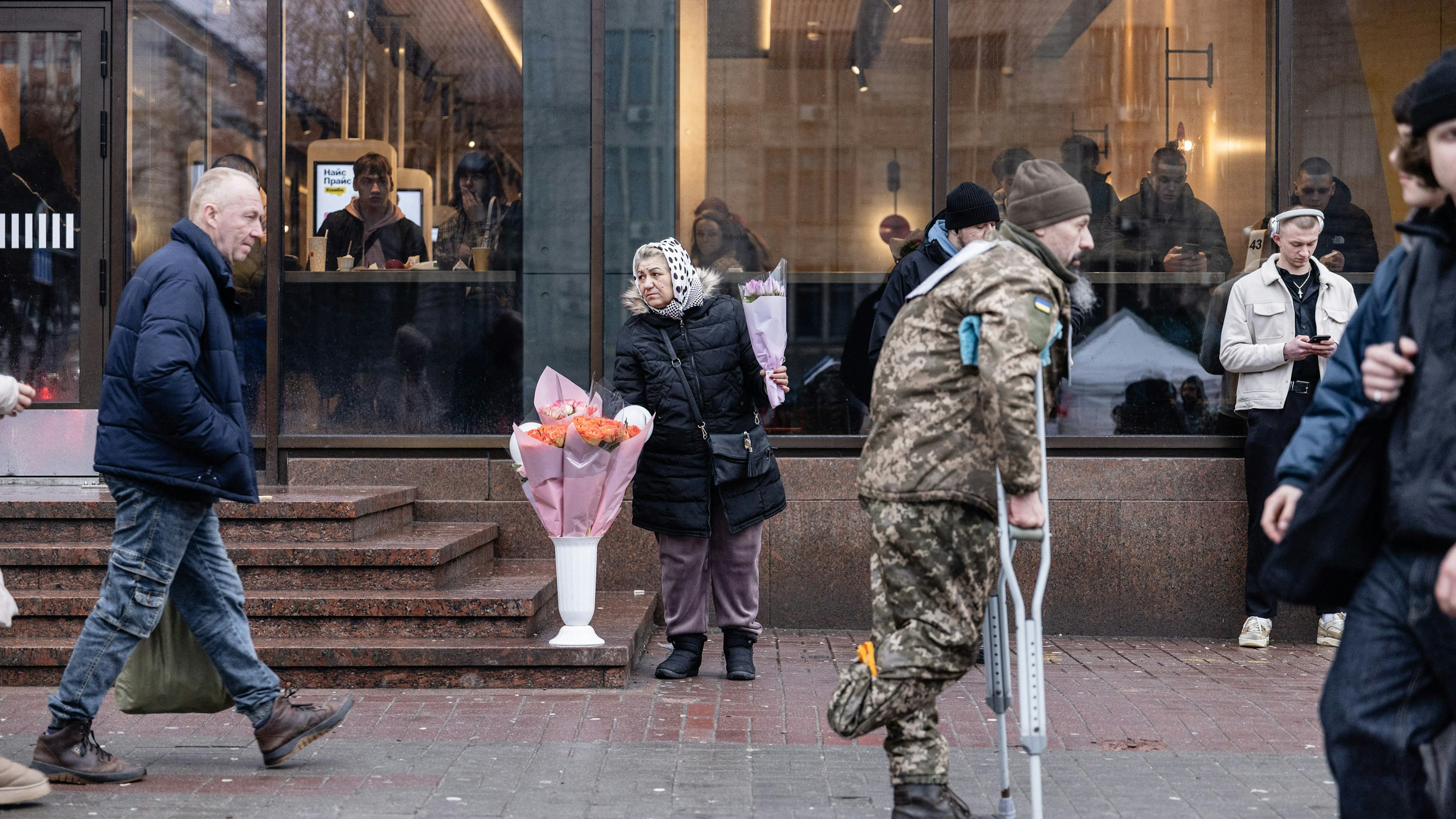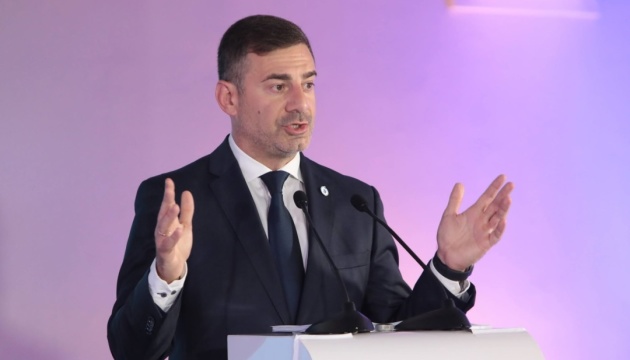
LVIV, UKRAINE — Andriy Zholob, the deputy mayor of Lviv for Veterans Affairs, understood there was, unmistakably, a mental health crisis brewing among Ukrainian veterans after one disquieting phone call.Zholob recounted to the Washington Examiner the moment when a former comrade in arms called him to say his car had been towed away. The veteran, a former prisoner of war suffering tremendous mental anguish after returning from service, was politely asking Zholob if he was allowed to shoot the officer who had impounded his vehicle.“I usually explain to civilians, you will not understand that,” the deputy mayor told the Washington Examiner. “But he accepts me as a commander and he called me. I said, ‘Please don’t [shoot], but you will be our patient zero.'”
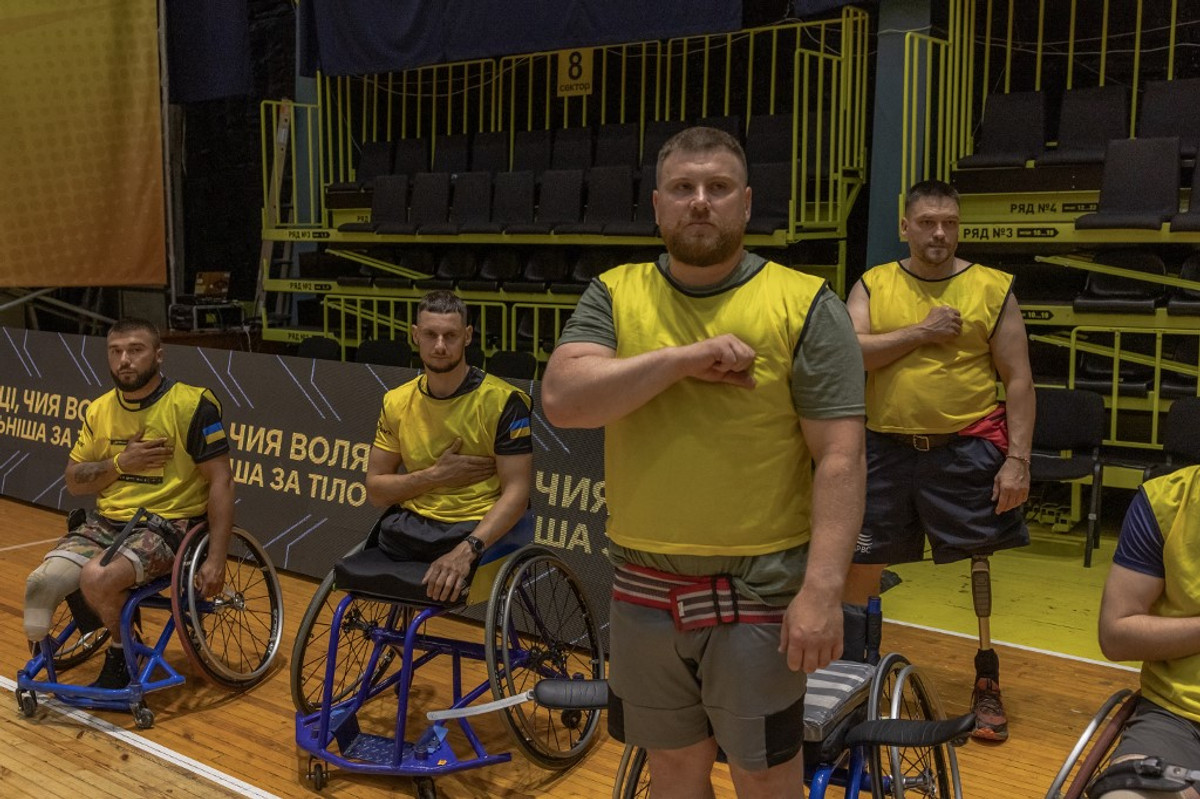
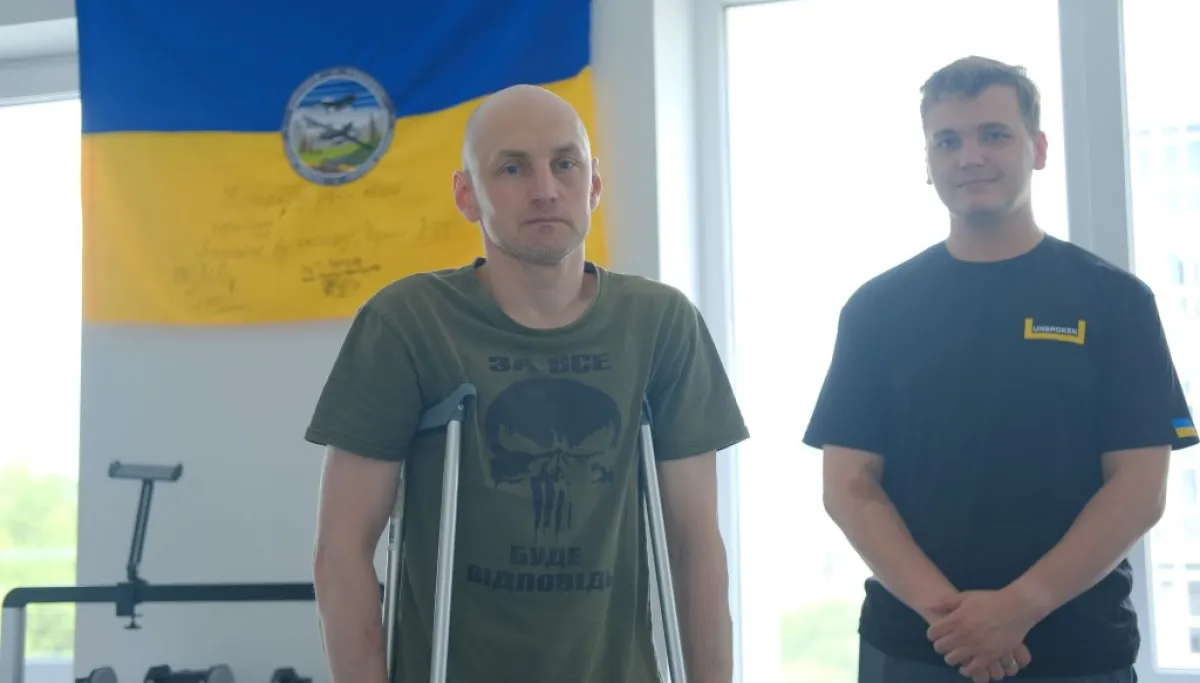
Zholob, himself a former officer of the Ukrainian Medical Forces, is now taking a lead role in Lviv’s effort to address the deluge of veterans returning to the city with physical and psychological injuries that undercut their ability to reintegrate into society and drive many into the abyss.
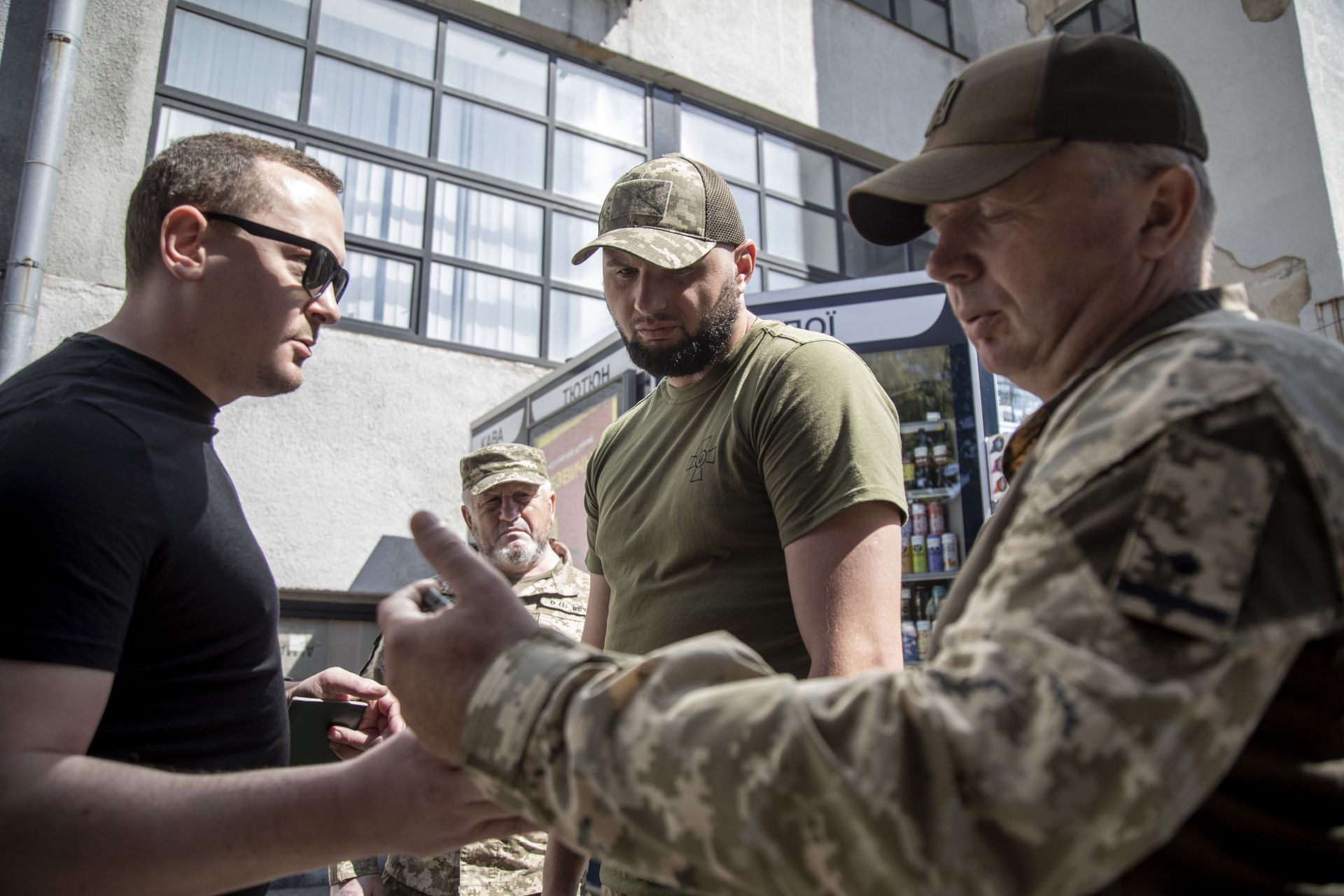
He sat down with the Washington Examiner at a city council office while he was meeting with representatives of two American nonprofit groups hoping to allocate unused prosthetics from U.S. service members.