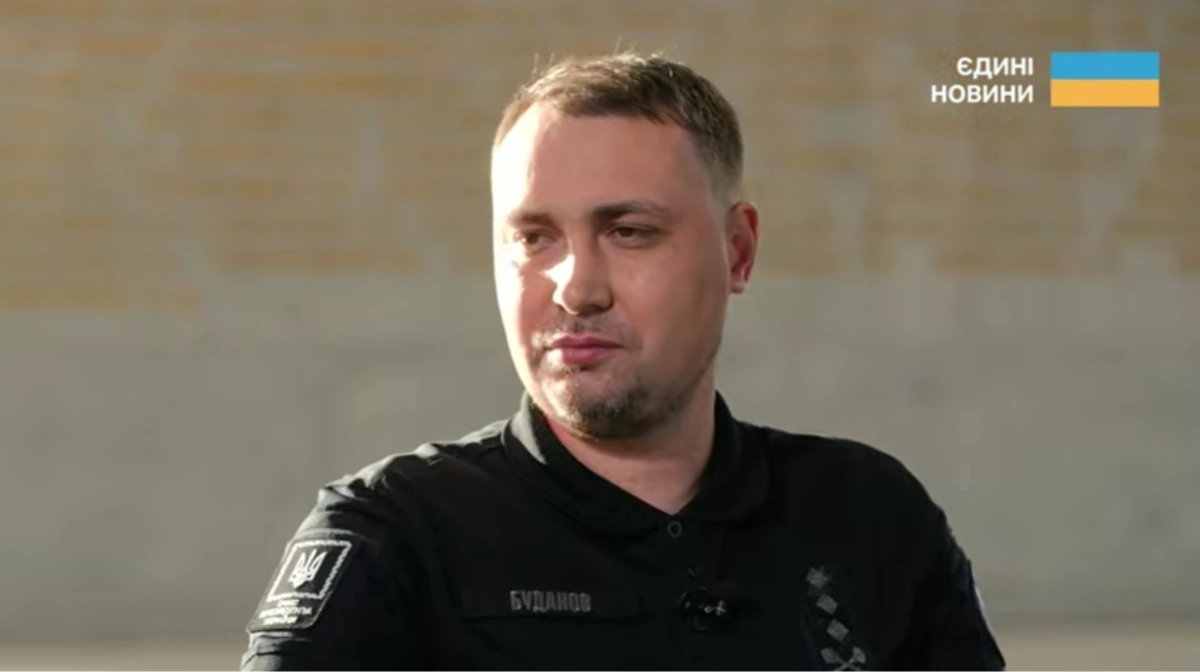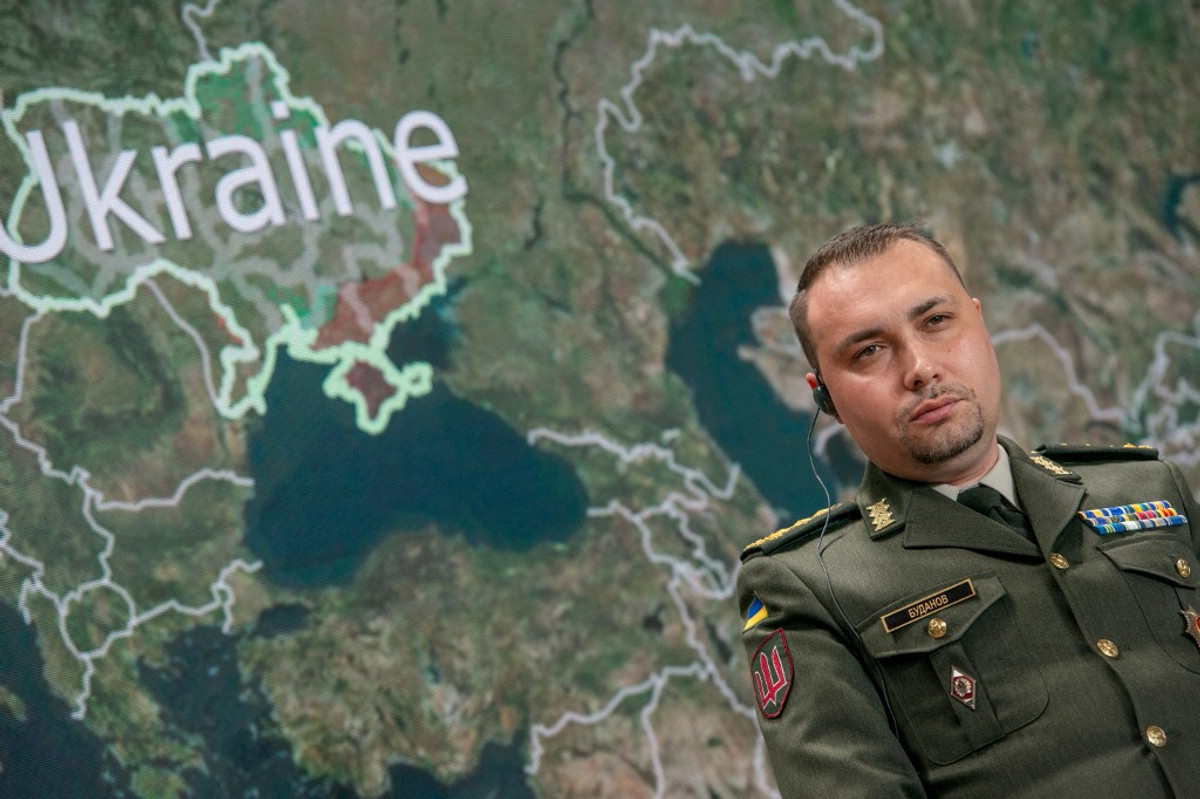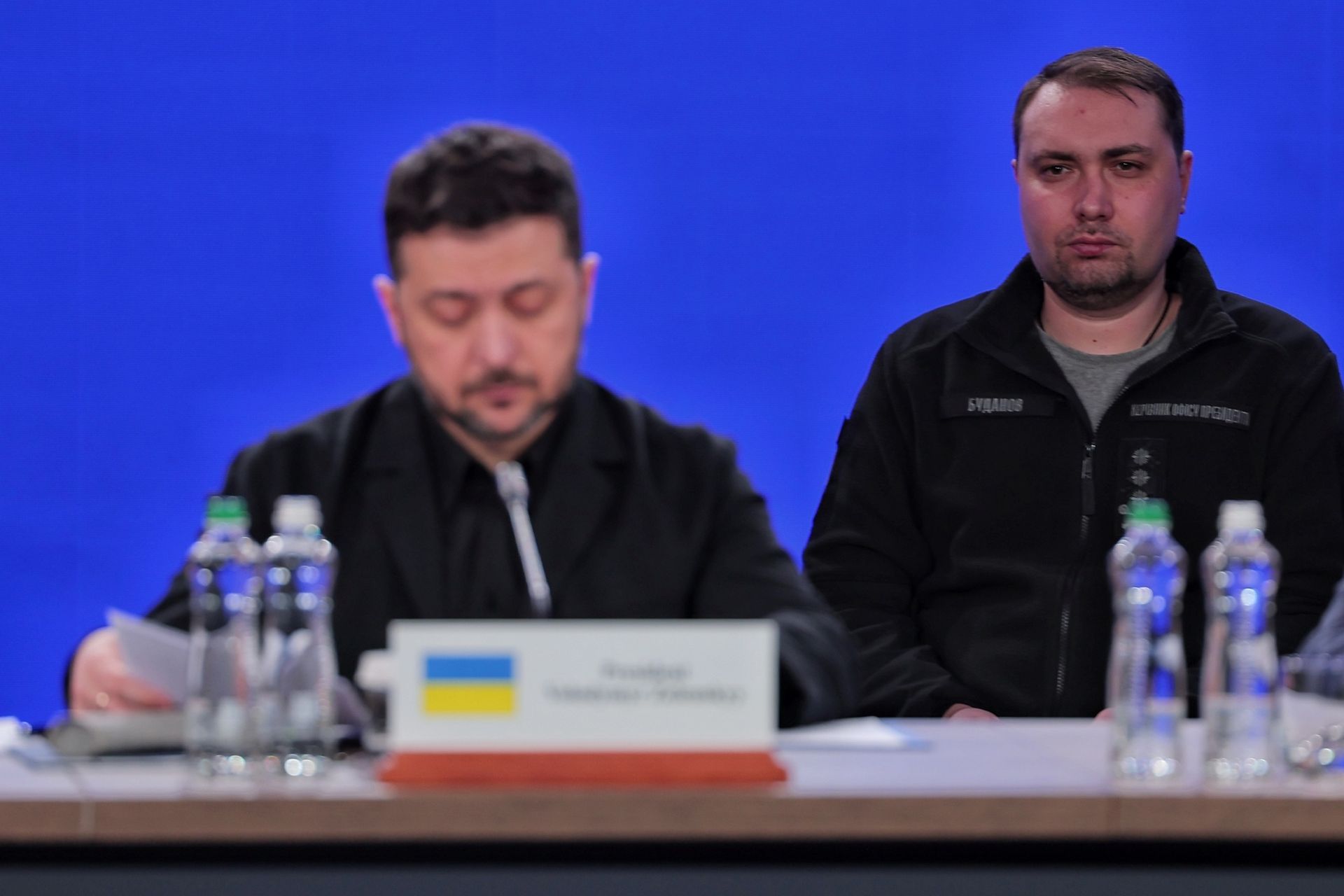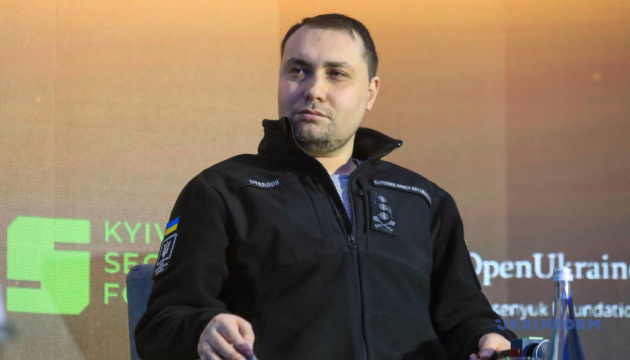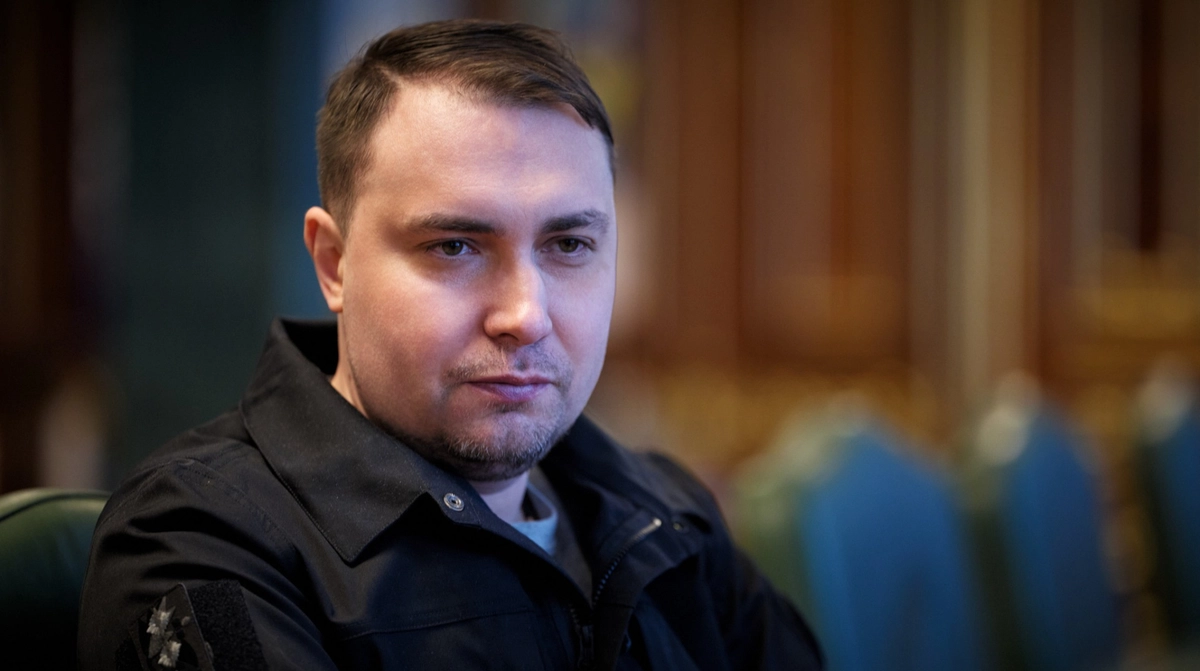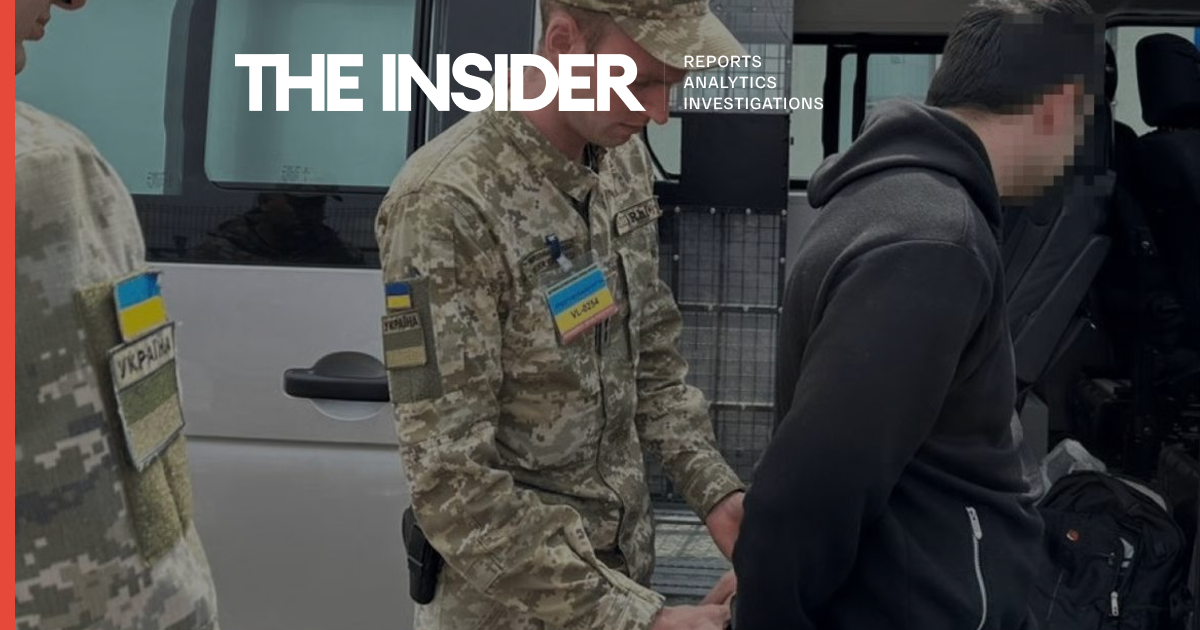
Kyrylo Budanov, head of the Office of the President of Ukraine, has been criticizing the mobilization methods the country has been using. While acknowledging that coercive measures are unavoidable, he noted that there is room for reform in order to eliminate “cases of inhumane treatment.” For the first time, the country’s highest authorities have admitted that the actions of territorial centers of recruitment often cross legal boundaries, turning recruitment efforts into a manhunt. At the moment, abuse connected with mass mobilization is creating tensions on the home front.Contents1.Territorial centers of recruitment: how the system works2.Corruption in mobilization3.Response from society and the armed forces4.Ukrainian mobilization and Kremlin propaganda5.Russia’s mobilization of occupied Ukrainians6.Steps taken to restore orderTerritorial centers of recruitment: how the system worksUkraine’s system of territorial centers of recruitment and social support (TCRs, or ТЦК in Ukrainian) replaced the Soviet-style military enlistment office system relatively recently: on Feb. 23, 2022, one day before the start of Russia’s full-scale invasion (the reform law itself had been adopted by the Verkhovna Rada in 2021). Unlike the old enlistment offices, TCRs were tasked not only with military registration and drafting but also with providing social protection and adaptive solutions for veterans and their families. They were meant to be part of an effort aimed at humanizing and optimizing military service as a whole.Another important objective of the TCRs was to replace paper-based bureaucracy with digital systems, in order to help transform the cumbersome Soviet-era structure into a “service-oriented” institution, in line with Zelensky’s reforms aimed at building a “state in a smartphone.”However, under the conditions of full-scale war, the TCRs effectively remained focused almost exclusively on manning the military. In the first year of the war, the system could not cope quickly enough with the enormous influx of volunteers, and queues formed outside offices. However, as the number of motivated recruits was exhausted and it became clear that the war was turning into a prolonged conflict — especially following the failure of Ukraine’s counteroffensive in the fall of 2023 — the situation began to change.Videos showing draft-age men being detained on the streets and forcibly taken to TCRs began appearing online more and more frequently. In 2023 alone, more than 1,000 conflicts between civilians and TCR personnel were recorded. The issue became the subject of public debate, though mostly at the grassroots level.According to a Kyiv-based source for The Insider, a serviceman with the Armed Forces of Ukraine: “At first, the topic of TCRs was mostly discussed on social media. In 2023, I learned that there were Telegram and WhatsApp chats where people warned each other about TCR patrols appearing in crowded places. Back then, this contrasted sharply with the overall patriotic mood, but it was already a worrying trend.”In 2024, the situation deteriorated drastically, especially after the mobilization law was tightened in May. The changes expanded the categories of people eligible for service and lowered the mobilization age from 27 to 25. During this period, mobilization became increasingly coercive, and conflicts grew more violent.The word of the year became the neologism “busification,” derived from the minivans used by TCR patrols to transport mobilized men to recruitment centers. As tensions escalated, protests by relatives of mobilized men broke out, and attacks on TCR personnel became more common, leading to multiple deaths.Corruption in mobilizationCorruption has exacerbated this society-wide issue. According to Kyiv-based sociologists, a majority (54%) of Ukrainian citizens consider corruption a greater threat to the country than even the Russian military aggression (39%).Footage of a high-profile detention of TCR personnel in Odesa, complete with gunfire and a chase, even circulated widely in Ukrainian media. On April 21, 2026, the Security Service of Ukraine (SBU) arrested servicemen from one of the district territorial recruitment centers who had been caught taking bribes and extorting money. According to the Odesa-based outlet Dumska, bats, brass knuckles, and cash were found in the suspects’ possession. Before that, rival TCR teams travelling in two minivans (the infamous “buses”) staged a showdown on Mykhailivska Square.Such “officers” have become a genuine source of public concern. Since the very beginning of the full-scale war, Odesa has been notorious for incidents connected with the draft. Notices were handed out on beaches and in nightclubs, and the corrupt income over the years of the war was enough for Yevhen Borysov, head of the Odesa TCR, to buy real estate in Spain.Odesa is far from the only example of draft-related abuses. On April 30 in Bila Tserkva, the SBU detained a group of TCR officers who had been providing “services” involving fake exemptions from mobilization for a flat fee of $5,000. The officers’ accomplice was the owner of a military-uniform manufacturer that fictitiously employed draft evaders.A resident of one of Ukraine’s regional centers, speaking anonymously to The Insider, said that the “fees” charged by enlistment officers are widely known among the public. Buying one’s way out of a TCR bus costs €1,000, provided relatives manage to bring the money quickly enough. Upon arrival at the enlistment office — but before the medical examination — the fee rises to between $5,000 and $10,000. Another popular scheme involves losing a recruit on the way; in such cases, the team leader is fined 20,000 hryvnias ($455) for the escape, and in return receives a bribe worth several thousand dollars.Response from society and the armed forcesIt is the prevalence of corruption that has made “busification” so odious. At the start of the war, draft evaders and people resisting the delivery of draft notices were ostracized. Ukrainian social media even produced the meme “Ukhilles” — a combination of the Ukrainian word “ukhyliant” (“draft dodger”) and the name of the ancient Greek hero Achilles.But as the scale of corruption within the TCRs came to light, many more Ukrainians began to see the system as deeply unjust. Some would-be recruits are shoved into minibuses with their arms twisted behind their backs, while others easily buy their way out of service by purchasing fake exemptions or forged disability certificates.Ukrainians began to view the system as profoundly unfair: some are forcibly taken away in minibuses, while others easily buy their freedom
Ukraine’s Achilles’ heel. How Kyiv is overcoming its military recruitment crisis
Kyrylo Budanov, head of the Office of the President of Ukraine, has been criticizing the mobilization methods the country has been using. While acknowledging…
2,960 words~13 min read