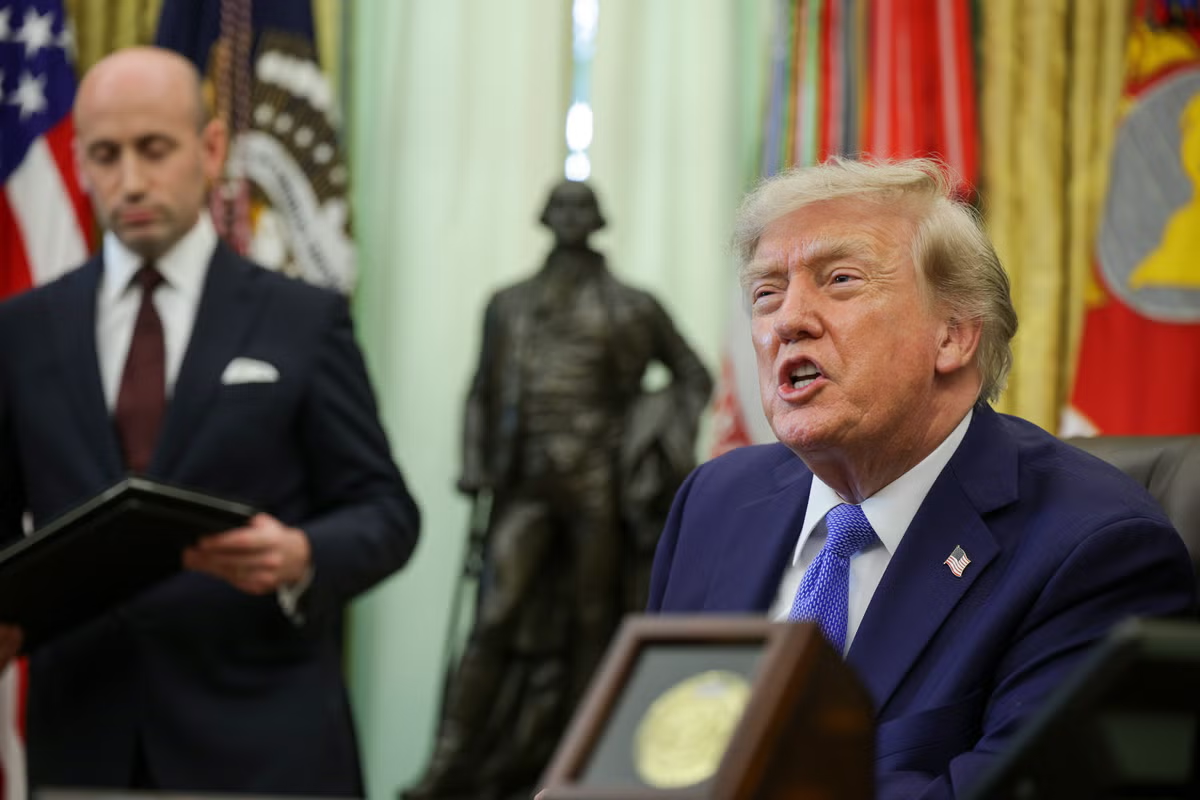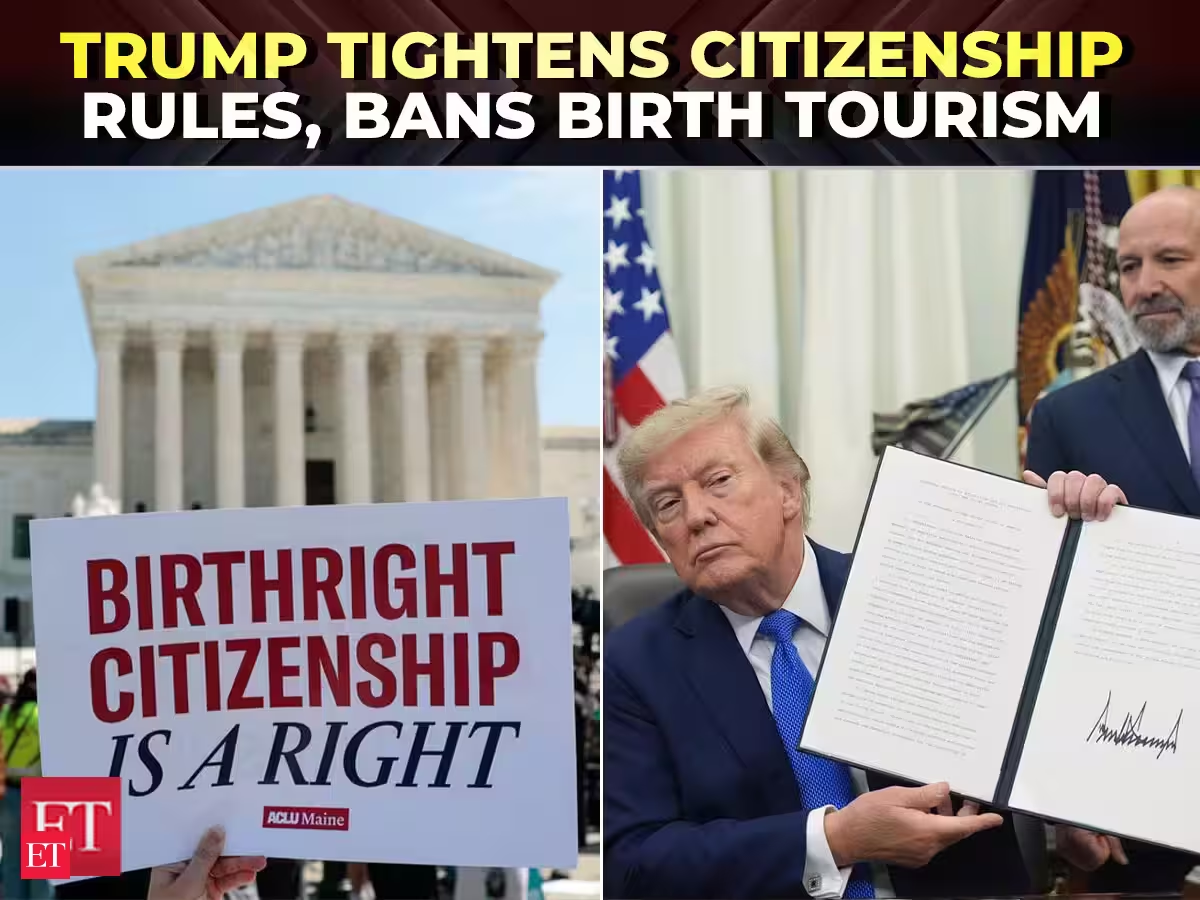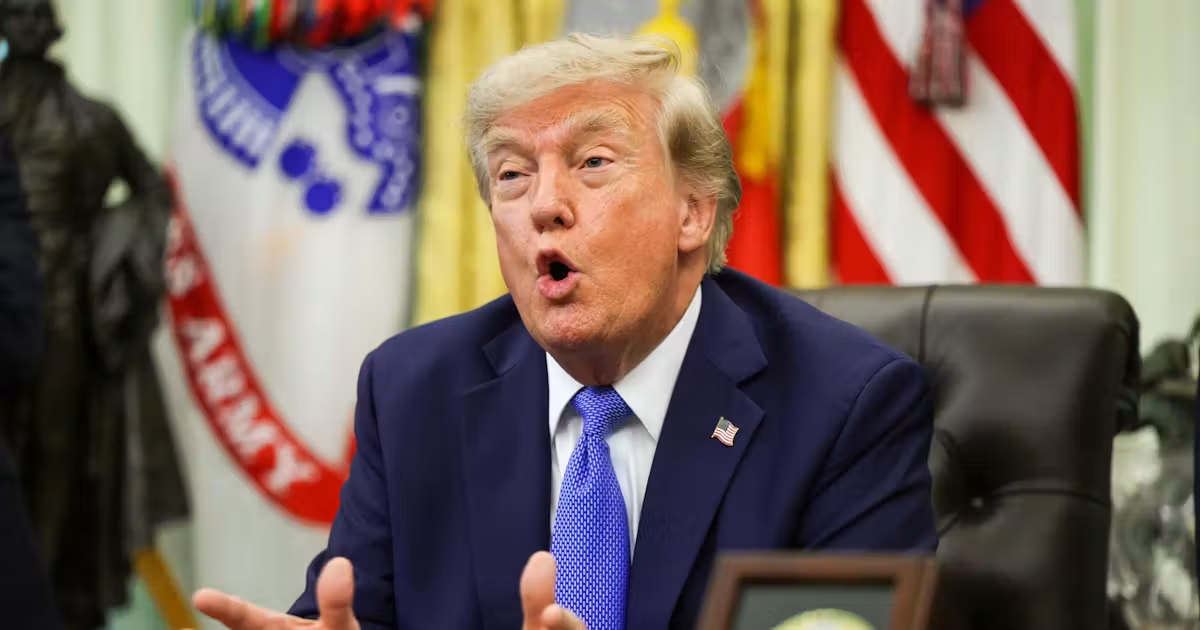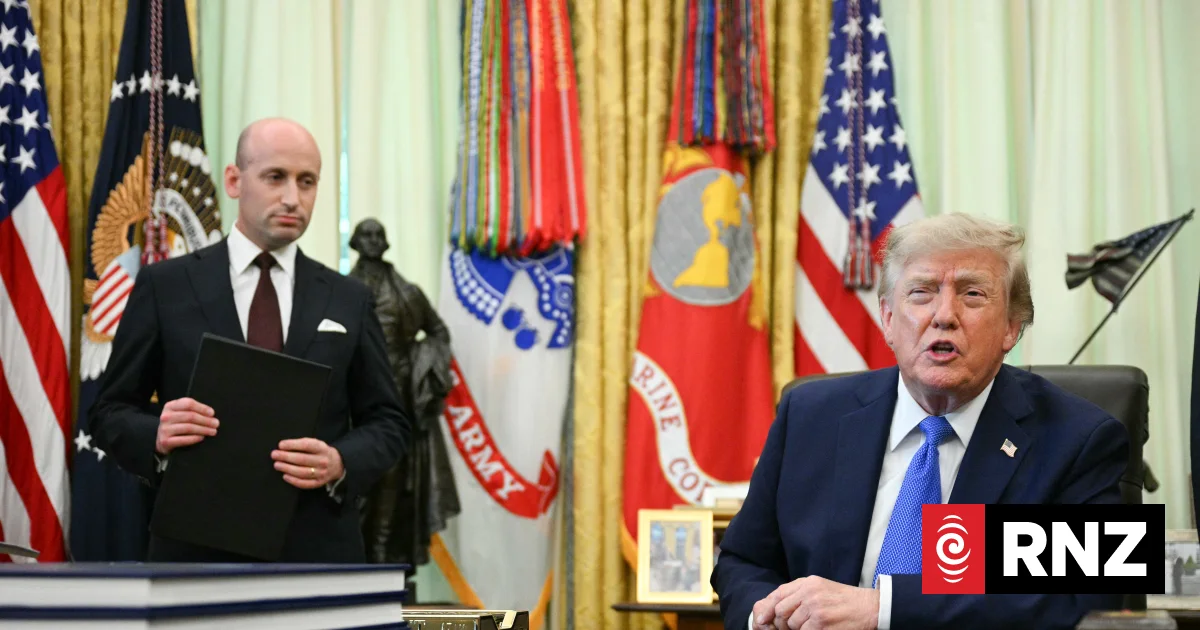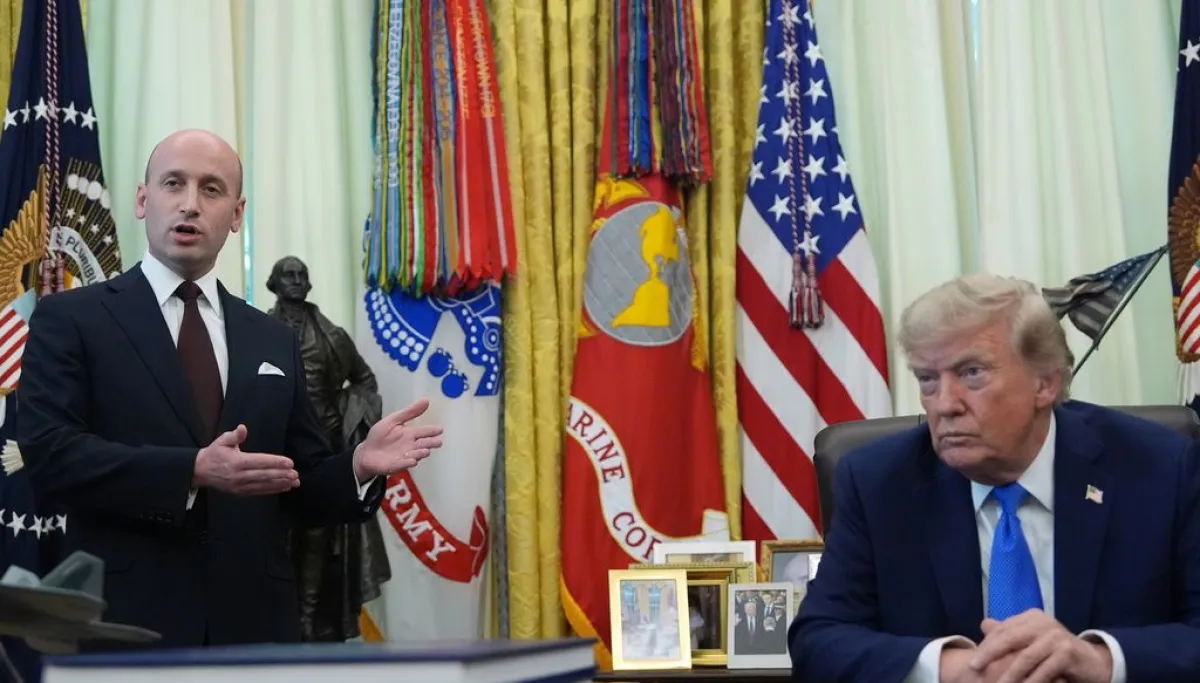
Stephen Miller thinks President Donald Trump’s second bid to curb birthright citizenship can survive where the first failed, he said Thursday from the Oval Office alongside the president at an executive order signing.Trump’s two new executive orders do not revive his previous broad effort to deny citizenship to children of illegal immigrants and temporary visitors. Instead, they target categories the administration says fall within narrow historical exceptions the Supreme Court left unresolved.Miller described the orders as an attempt to use the Supreme Court’s ruling in Trump v. Barbara to “expand the definition of people who are ineligible for birthright citizenship.”
“That includes, for example, alien enemies,” Miller said.Trump’s first birthright citizenship order would have denied automatic citizenship to children born in the United States to parents who were either in the country illegally or present only temporarily. In June, the Supreme Court held that the 14th Amendment extends citizenship to children born to those parents.Chief Justice John Roberts rooted that ruling in the citizenship clause’s “broad reach and narrow exceptions.” He wrote that the clause begins with territory, requiring a person to be “born … in the United States,” and ends with sovereign power, requiring that person to be “subject to the jurisdiction” of the U.S.The chief justice said a child born in the U.S. and subject to U.S. law “was made an American citizen.” The established exceptions, he said, were “carefully defined,” covering children of foreign ministers and members of 19th-century Indian tribes over whom the U.S. had ceded part of its territorial jurisdiction.Trump’s new citizenship order attempts to operate in those narrower areas. It directs agencies to deny citizenship to children born to certain foreign government officials, employees of international organizations with immunity, individuals designated as “alien enemies,” and parents who used commercial arrangements to travel to the U.S. to give birth.South Texas College of Law professor Josh Blackman said Trump is trying to identify questions that Barbara did not conclusively answer.“I think he’s trying to find vulnerabilities in the chief’s opinion,” Blackman told the Washington Examiner.The American Samoa factor could offer courts a lesser explored legal territory