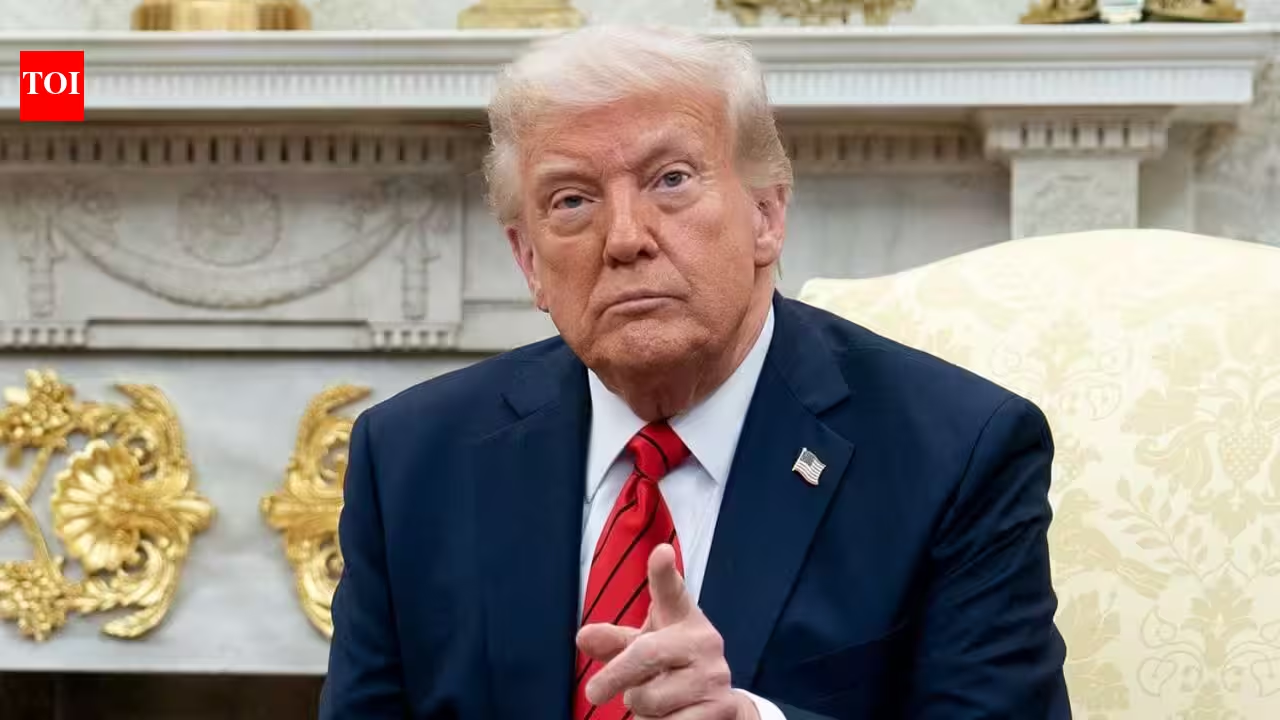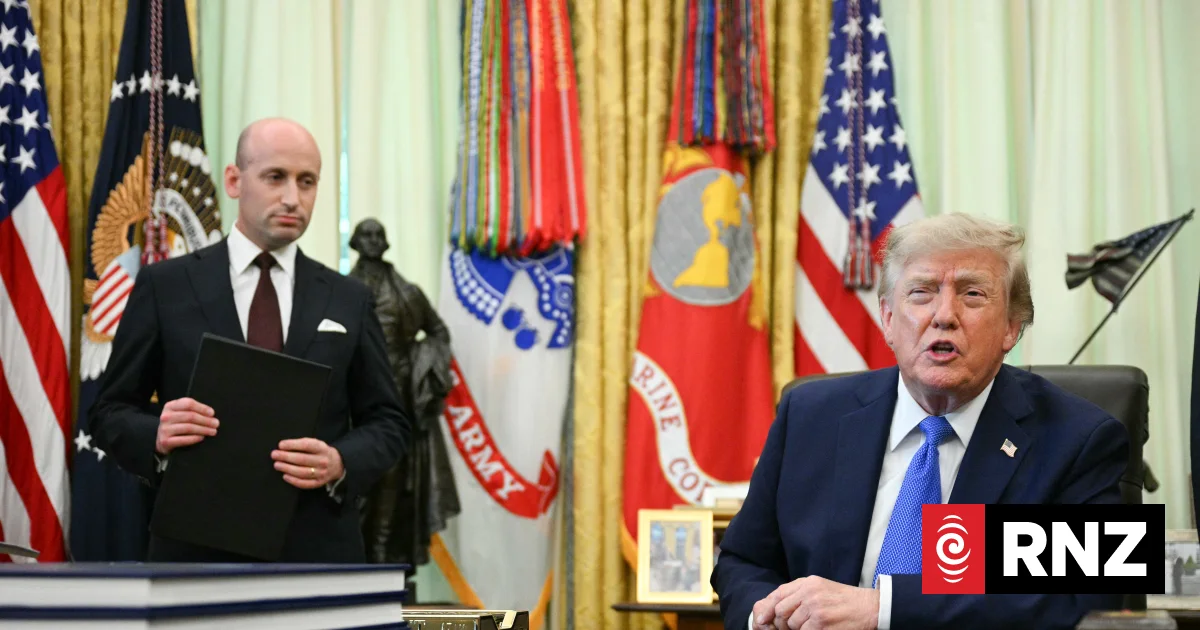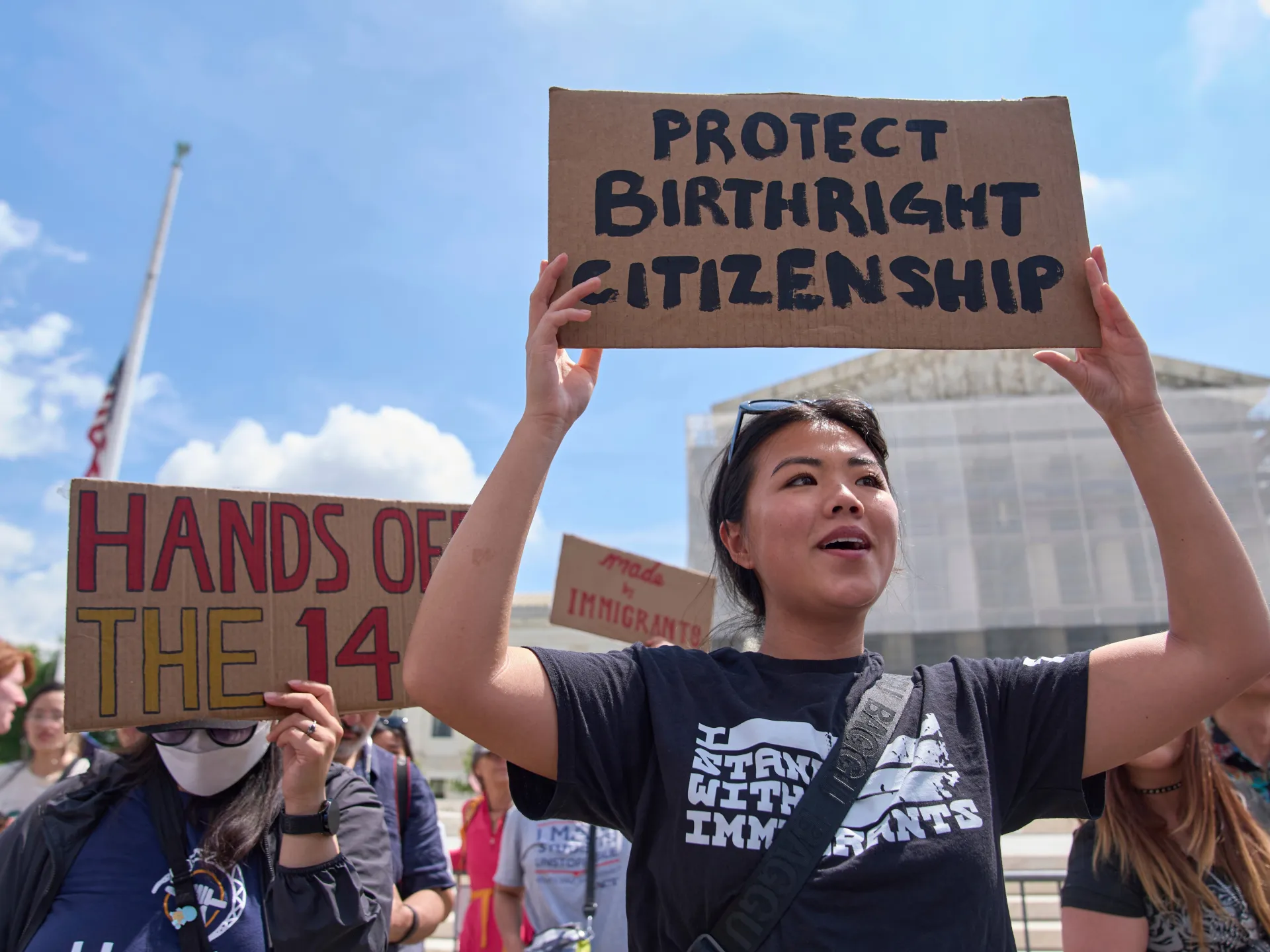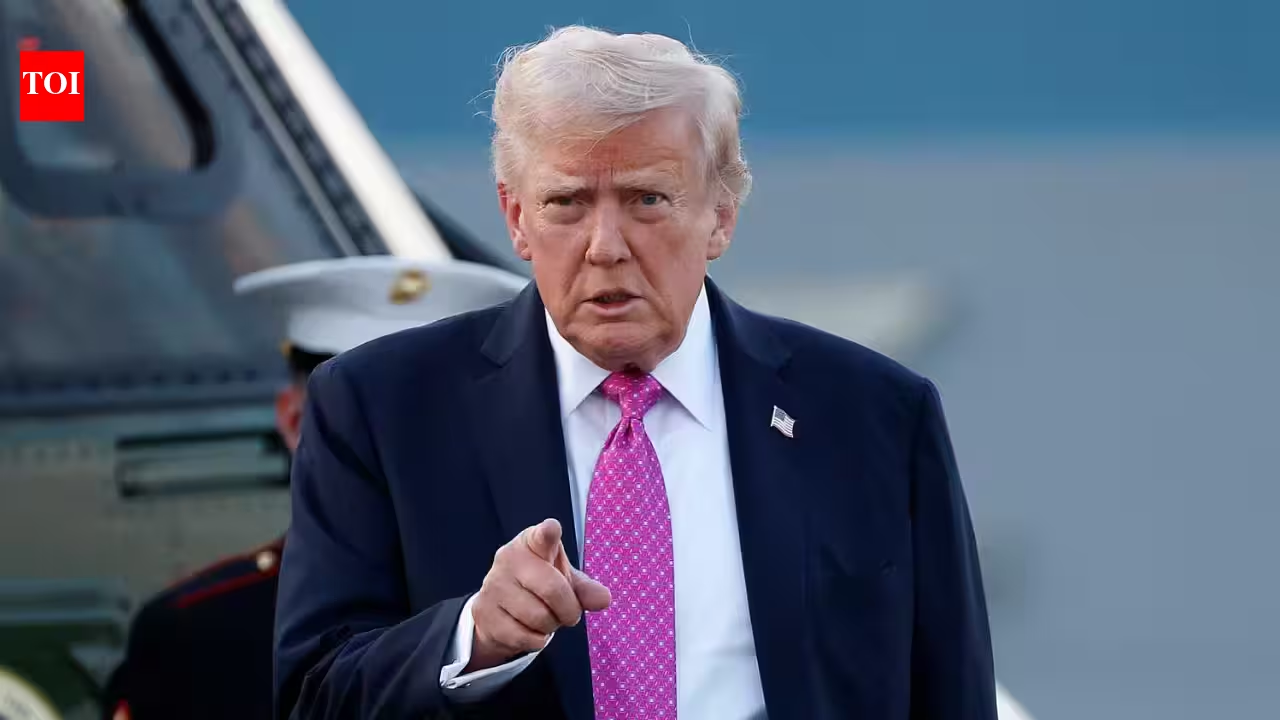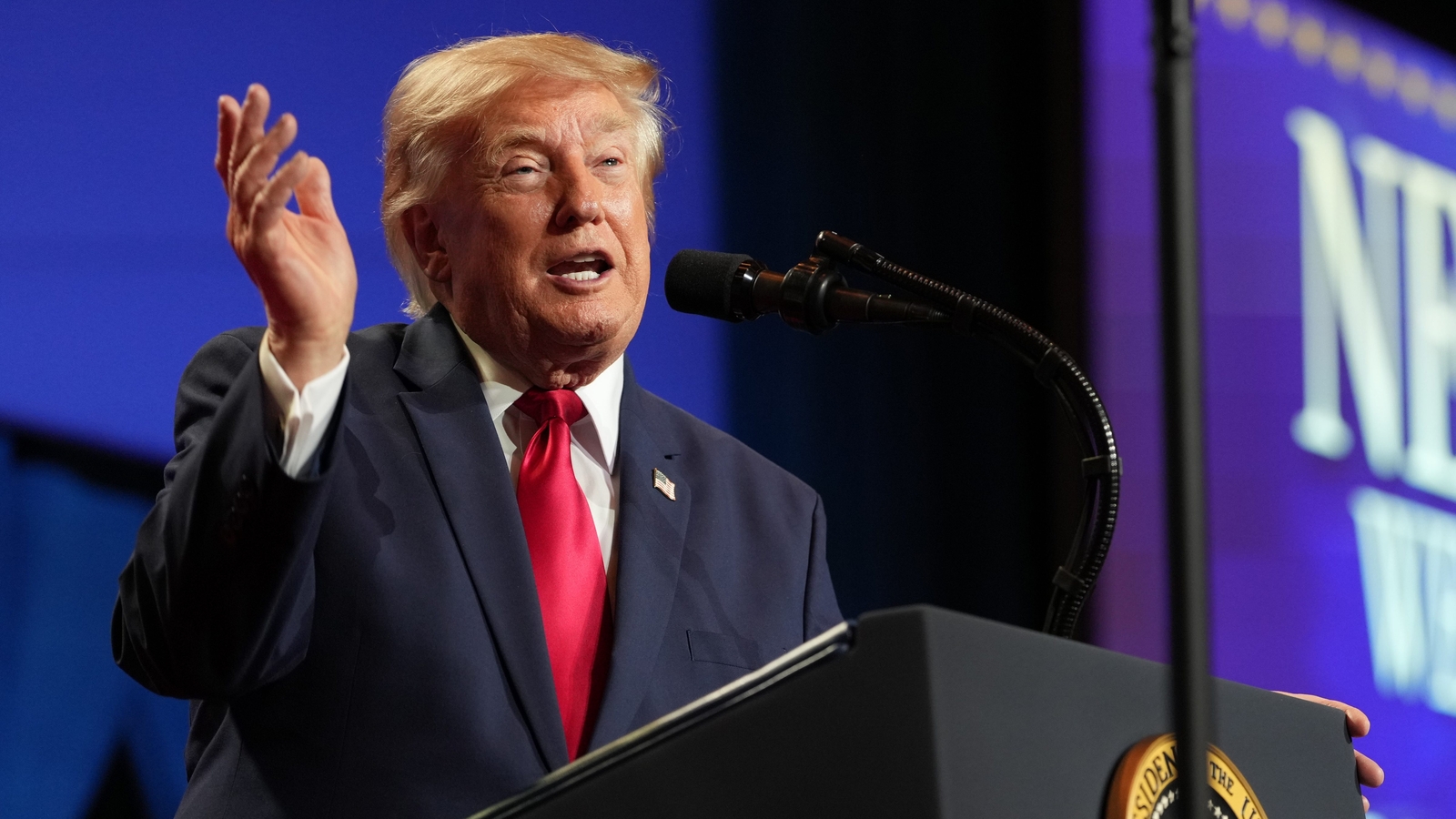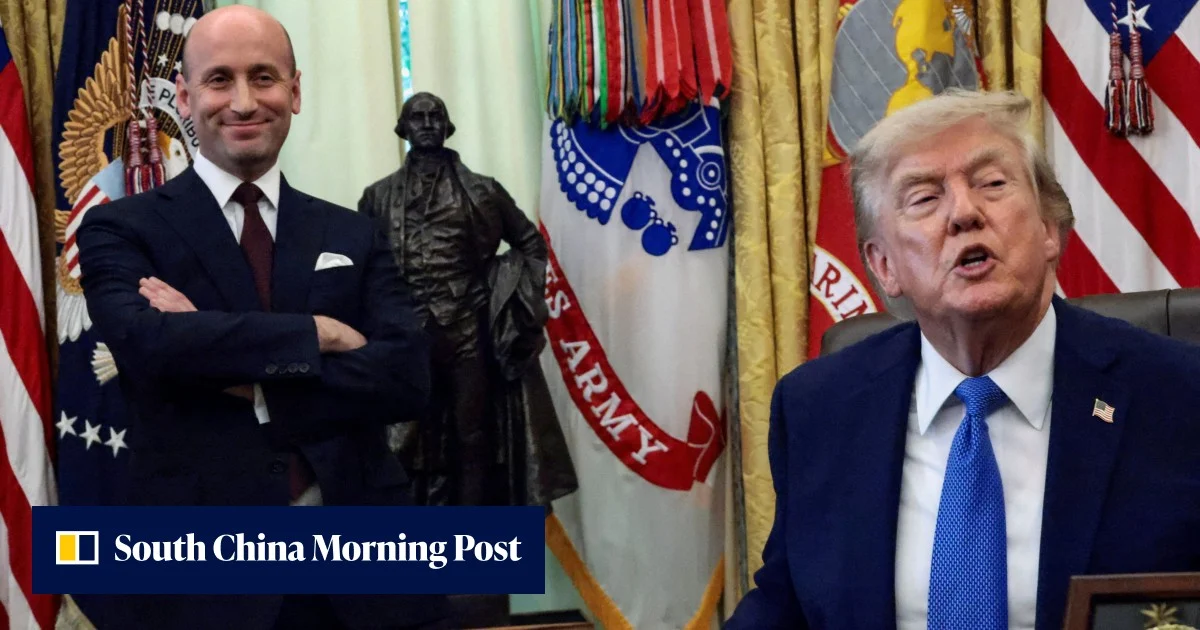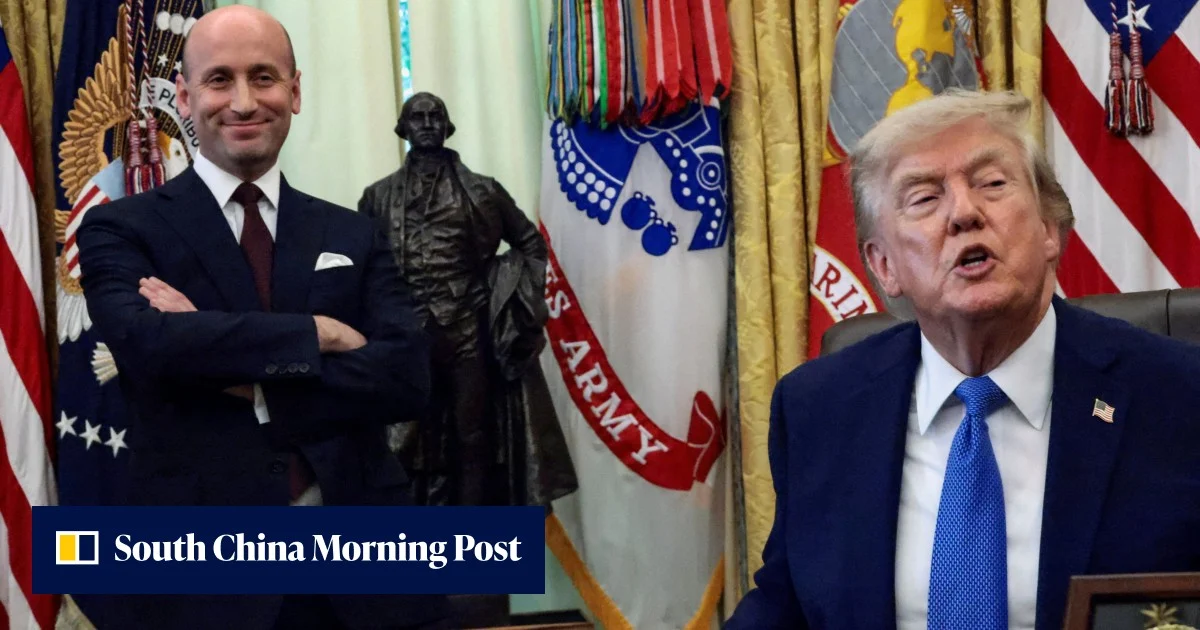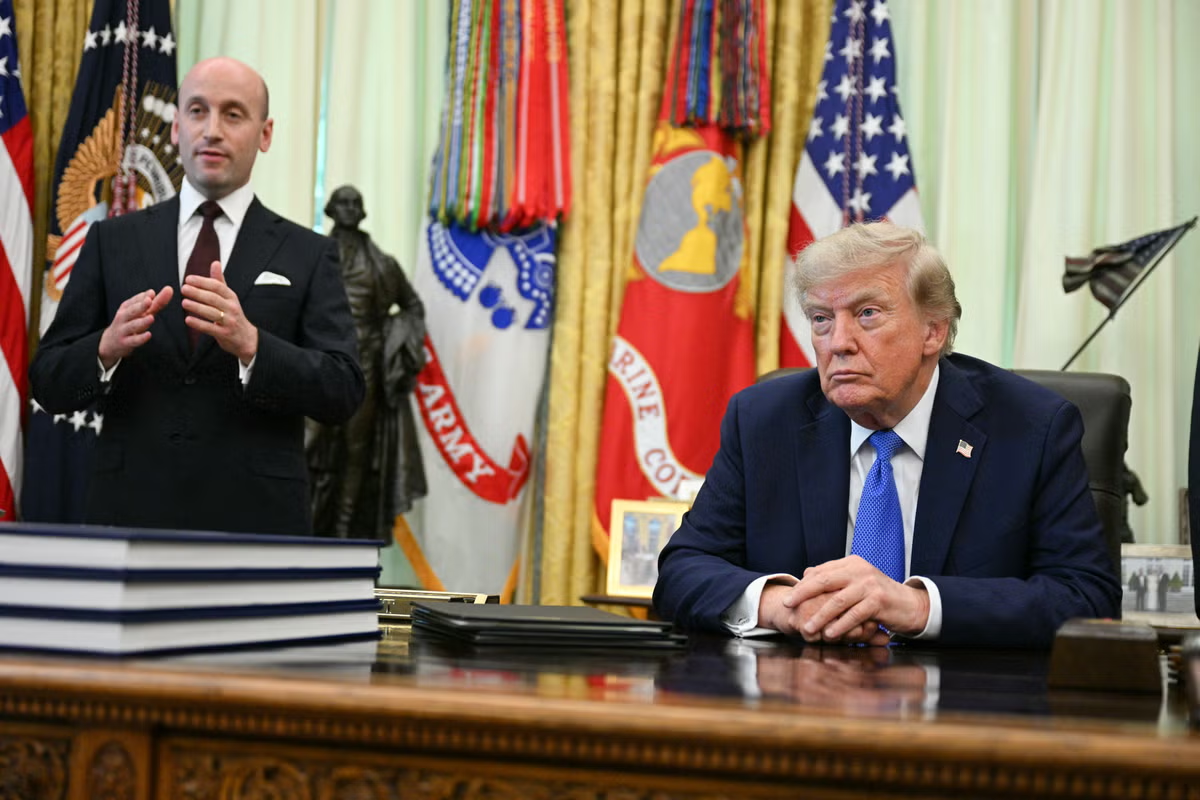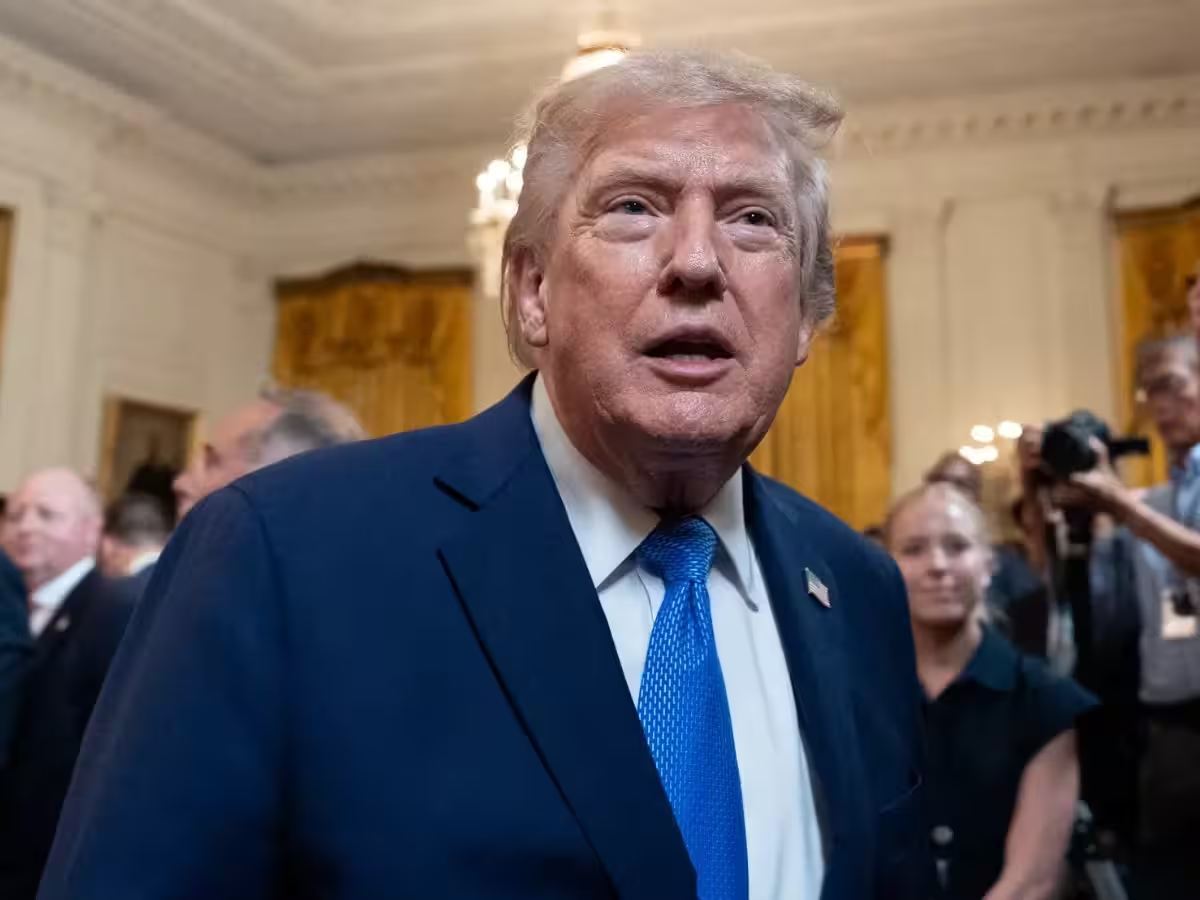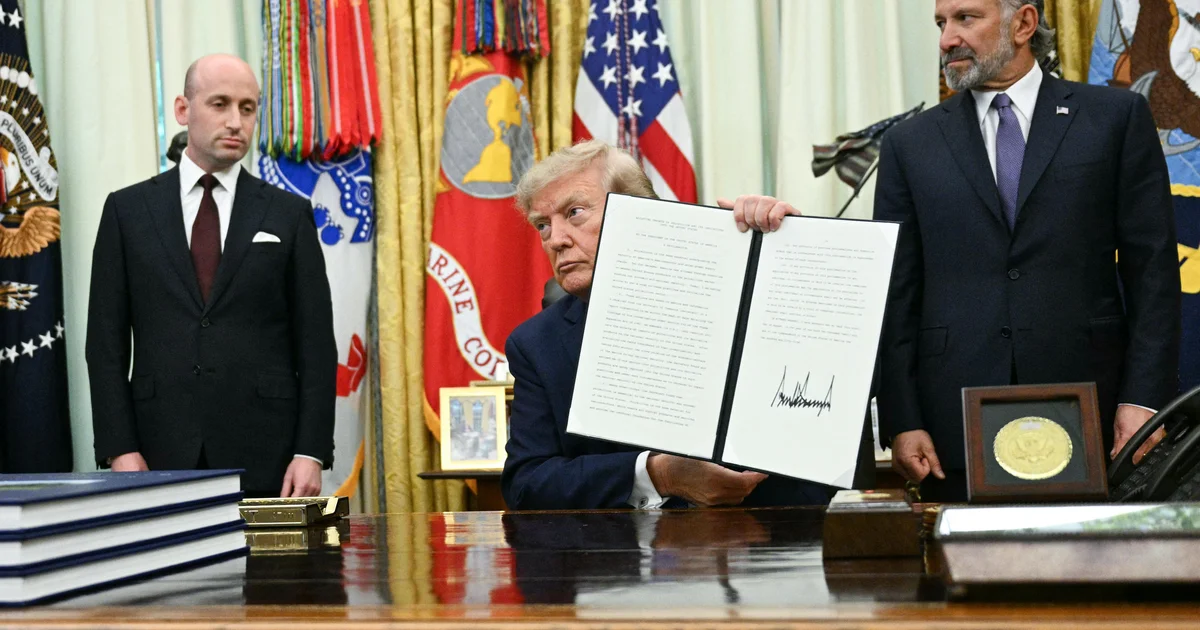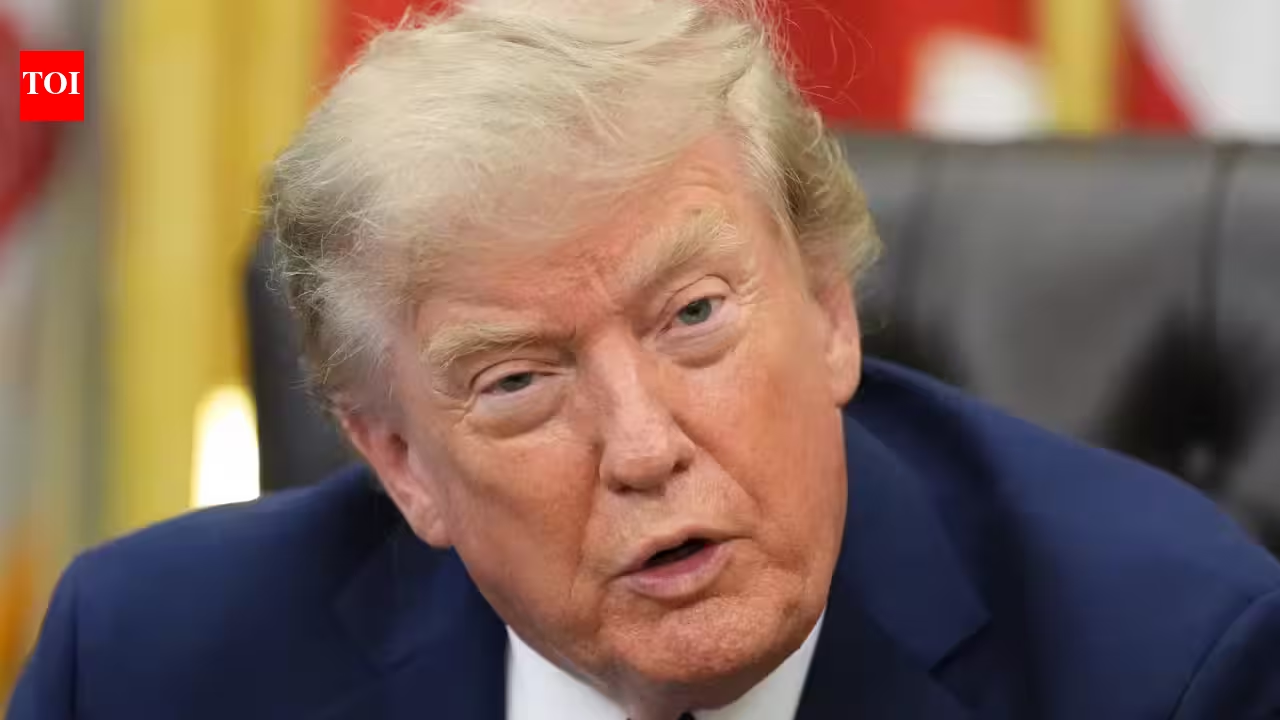
Trump reopens citizenship wars (AP image)The TOI correspondent from Washington: Barely six weeks after the US Supreme Court dealt him a major constitutional defeat, President Donald Trump reopened one of America's fiercest immigration battles, signing two new executive orders that seek to chip away at birthright citizenship through narrower legal avenues rather than a sweeping reinterpretation of the Constitution.The latest orders, signed Thursday at the White House, represent the Trump administration's second attempt to fulfil one of the President's longest-standing campaign promises: restricting the automatic US citizenship guaranteed to almost everyone born on American soil under the 14th Amendment. Unlike Trump's first executive order, which broadly sought to deny citizenship to children born to undocumented immigrants and temporary visa holders, the new measures target specific categories that the administration argues fall outside constitutional protection. "We had a bad decision, very unfair decision. Our country suffers because of it, and we're ending it a different way," Trump told reporters after signing the orders.The move follows the Supreme Court's landmark June ruling, in which a narrow majority reaffirmed that the 14th Amendment extends citizenship to virtually everyone born in the United States, with only limited historical exceptions such as the children of accredited diplomats. Chief Justice John Roberts wrote that the framers intended citizenship to belong to "every free-born person in this land," rejecting the administration's broader interpretation that only those fully owing political allegiance to the U.S qualified. Rather than directly challenge that ruling, the White House is now attempting to expand those historical exceptions. One executive order declares that children born to people classified as "alien enemies," members of designated foreign terrorist organizations, or certain foreign government representatives would not automatically acquire citizenship. The second targets what the administration calls "birth tourism"-- foreign nationals allegedly obtaining tourist visas under false pretenses solely to give birth in the United States.White House Deputy Chief of Staff Stephen Miller, Trump’s immigration honcho, argued that applicants who conceal their true intention of travelling to give birth commit visa fraud, rendering their admission invalid under the Immigration and Nationality Act. Administration officials believe that legal theory provides a different pathway than the constitutional argument rejected by the Supreme Court.Immigration analysts, however, say the practical impact may be limited. While Trump's original order potentially affected more than 150,000 births annually to undocumented immigrants and temporary visa holders, the new directives cover much smaller groups. There are only a few thousand registered foreign lobbyists in the US, while no significant resident population is formally classified as "alien enemies" or members of foreign terrorist organisations. The administration's renewed focus on birth tourism also highlights a politically potent issue whose scale remains disputed, with reliable statistics being elusive. The US government maintains no official database, but according to an analysis by the non-partisan Migration Policy Institute using Centers for Disease Control and Prevention data, fewer than 10,000 babies in 2024 were born to mothers listing foreign addresses, out of approximately 3.6 million US births. Other independent estimates place the figure at around 20,000 annually, but even those represent well below one percent of all births. Federal prosecutions over the past decade have shown that commercial birth-tourism businesses have primarily catered to affluent clients from China, Russia, Nigeria and, to a lesser extent, South Korea, Taiwan and parts of the Middle East, charging tens of thousands of dollars for maternity packages. Investigations have generally found these to be organised commercial enterprises rather than mass migration channels. Immigration advocates immediately accused the administration of attempting to circumvent the Supreme Court, pointing out that it had already rejected the constitutional reasoning underlying the administration's approach. The latest executive orders are therefore almost certain to trigger another round of court challenges, setting the stage for yet another constitutional confrontation over one of America's oldest – and most politically divisive – citizenship guarantees.
Second attempt: Trump takes another stab at birthright citizenship
The TOI correspondent from Washington: Barely six weeks after the US Supreme Court dealt him a major constitutional defeat, President Donald Trump reopened one of America's fiercest immigration battles, signing two new executive orders that seek to chip away at birthright citizenship through narrower legal avenues rather than a sweeping reinterpretation of the Constitution.
639 words~3 min read