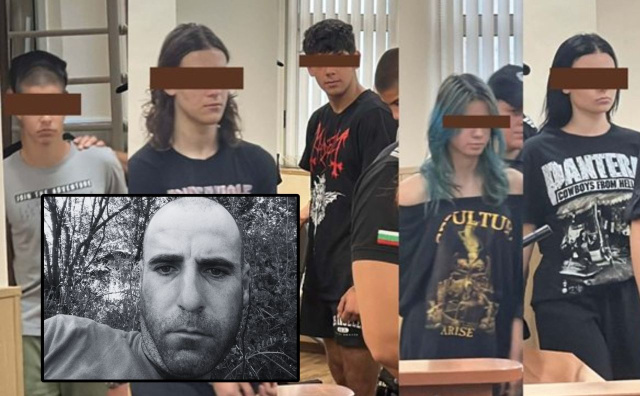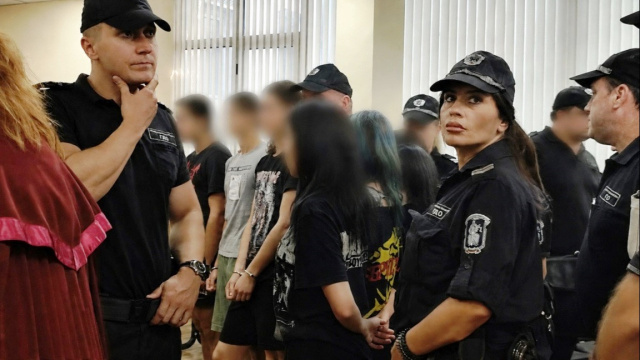
The brutal killing of a 37-year-old man on Youth Hill in Plovdiv by five teenagers aged between 14 and 17 has raised difficult questions about how young people can become involved in extreme violence and who bears responsibility for preventing such behavior.
Child and adolescent therapist and psychologist Ivan Igov told BGNES that in his four decades of professional experience, he had encountered a case of this nature only once before. He compared it with the killing of a Roma woman in Sofia's South Park by skinheads years ago, but said the Plovdiv case was even more brutal.
Igov said there is no single explanation for what led the teenagers to such behavior. During adolescence, he explained, peer groups often become a stronger social influence than parents, teachers and other adults. The difference today is that social networks play a much larger role in shaping group behavior.
“Nowadays, unlike in the past, the modeling of group behavior usually takes place through social networks,” Igov said. He pointed to online groups that have previously encouraged young people to act as vigilantes, including groups that claimed to expose or “catch” suspected pedophiles.
The desire for recognition online can further reinforce such behavior, according to the psychologist. Young people may seek attention, approval and status from their peers, while acts of violence can be recorded and shared as proof that the group has supposedly delivered its own form of justice.