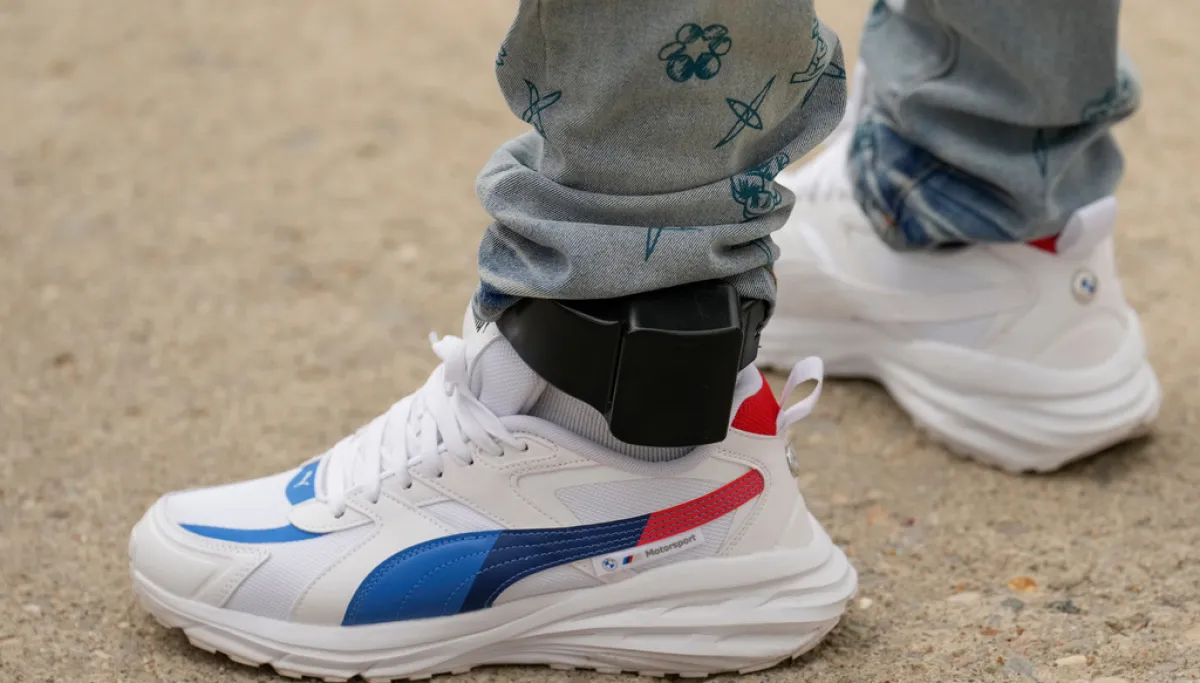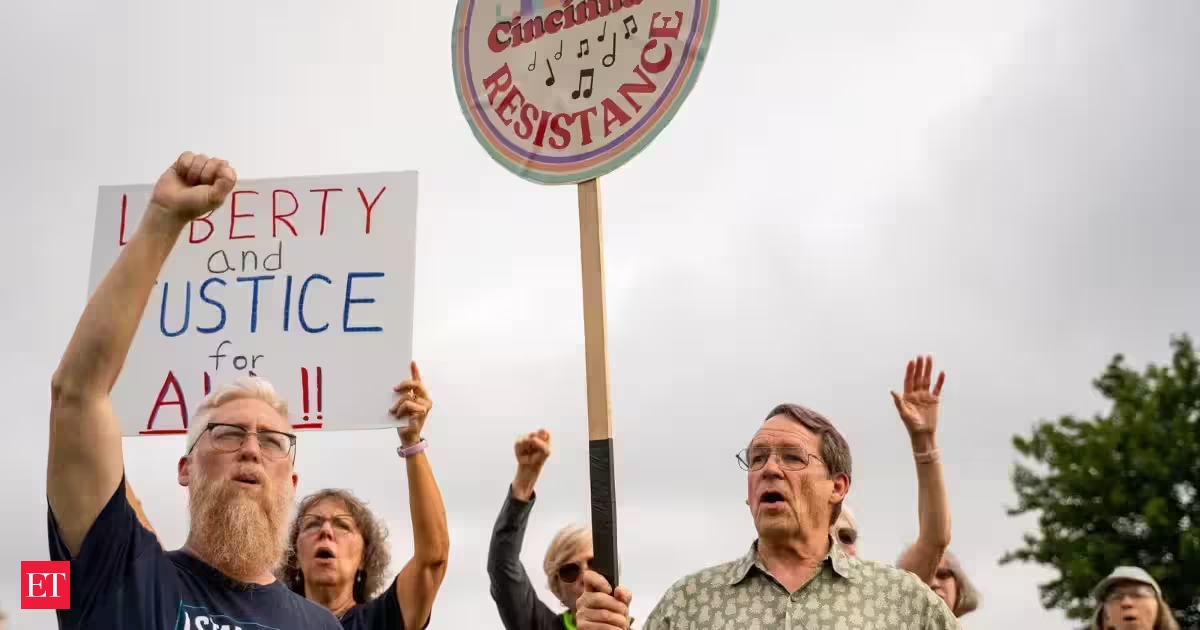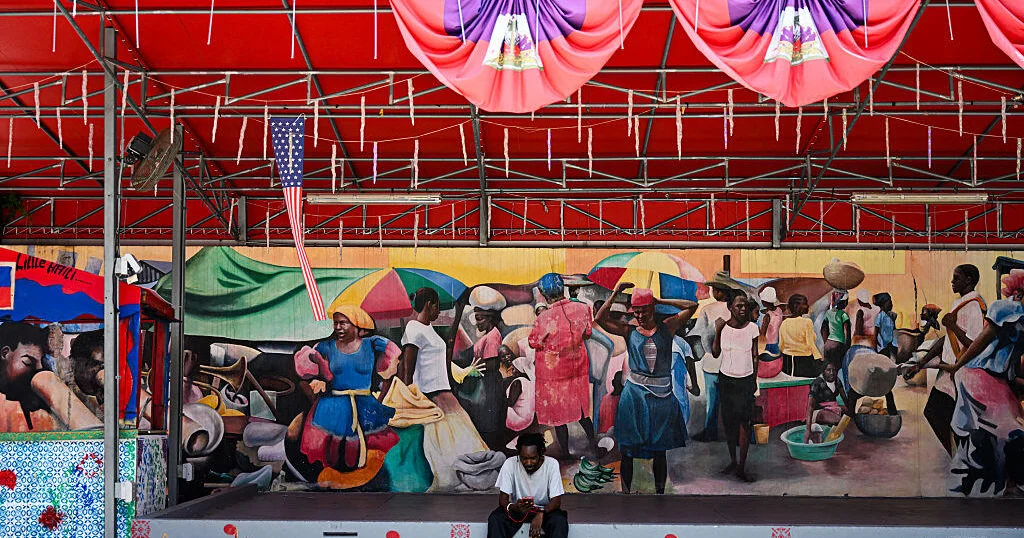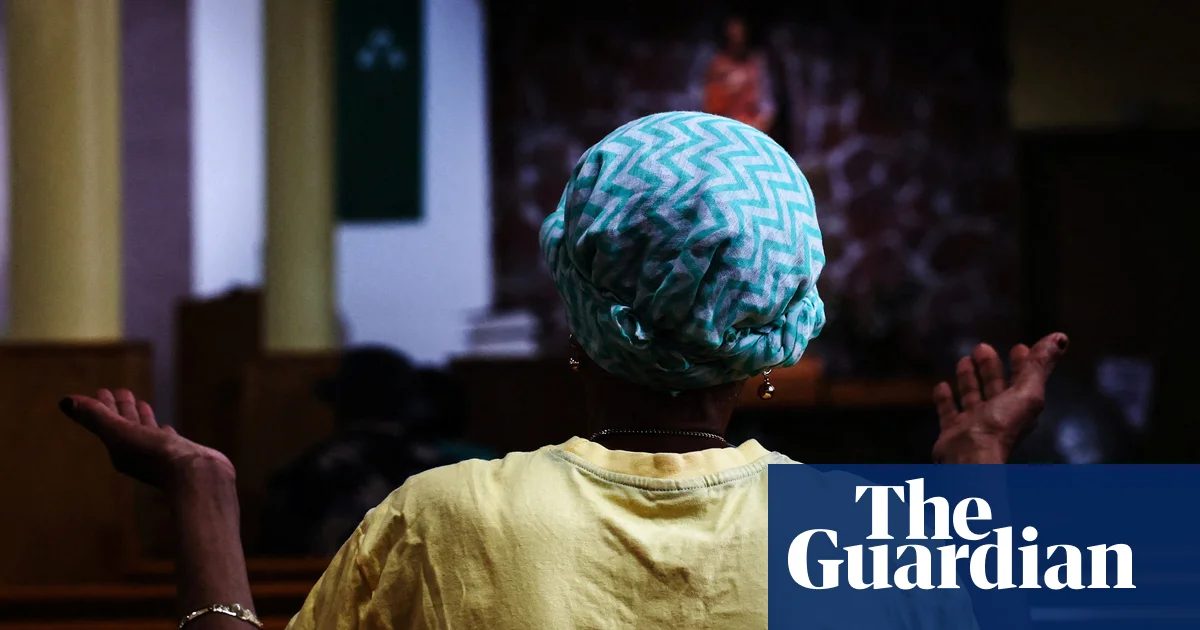
A nurse who’s no longer allowed to work at one of the city’s top hospitals hunkered down in her Boston home, afraid ICE could be in the neighborhood.
A mom texted a friend in Springfield, Ohio, with a panicked message: “My daughter is completely traumatized.”
And residents in eastern Maryland came upon a jarring sight: cars left behind at gas stations with their engines still running.
“They’ve been arresting people left and right — some people in the middle of the streets. … We have people who went to the grocery store to cook for their kids and didn’t return home,” said Dr. Marie D. Fouché, founder and executive director of Safe Harbor Circles, an organization in Salisbury, Maryland, that provides support to immigrants.
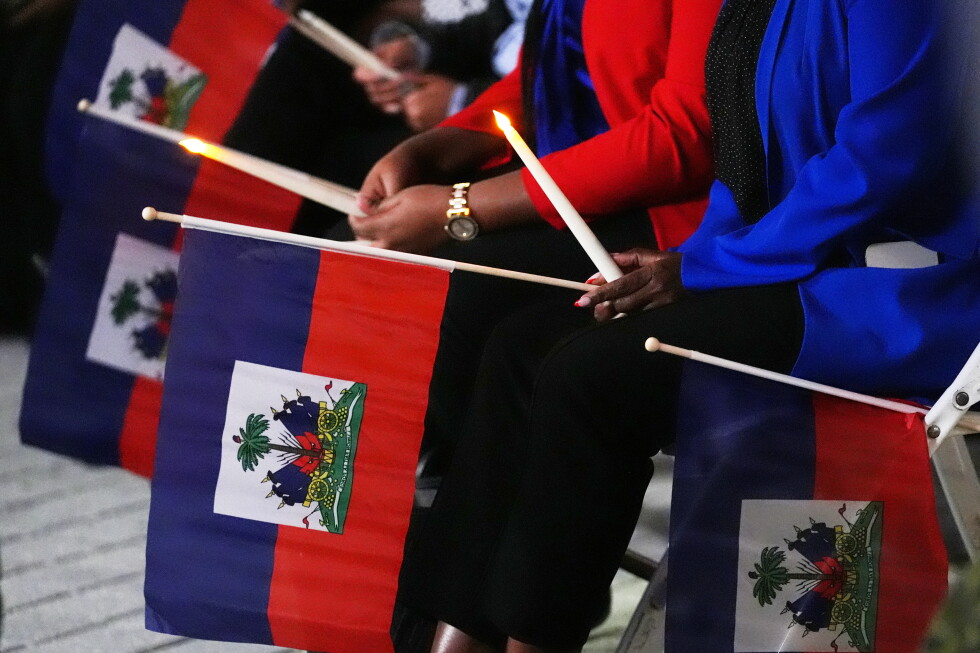
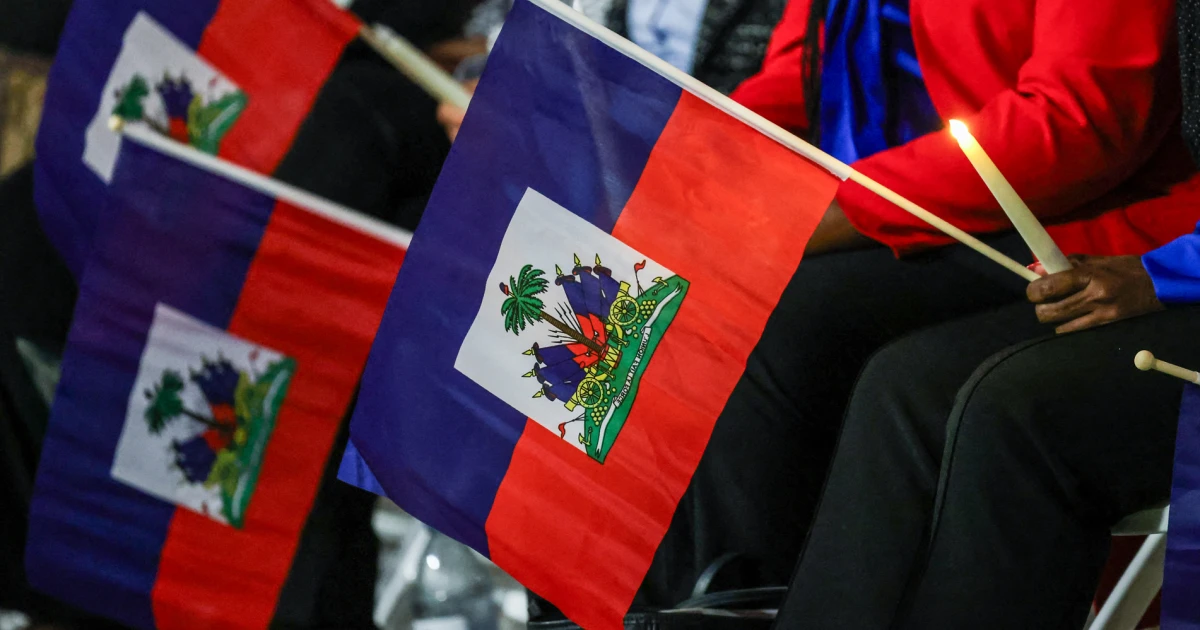
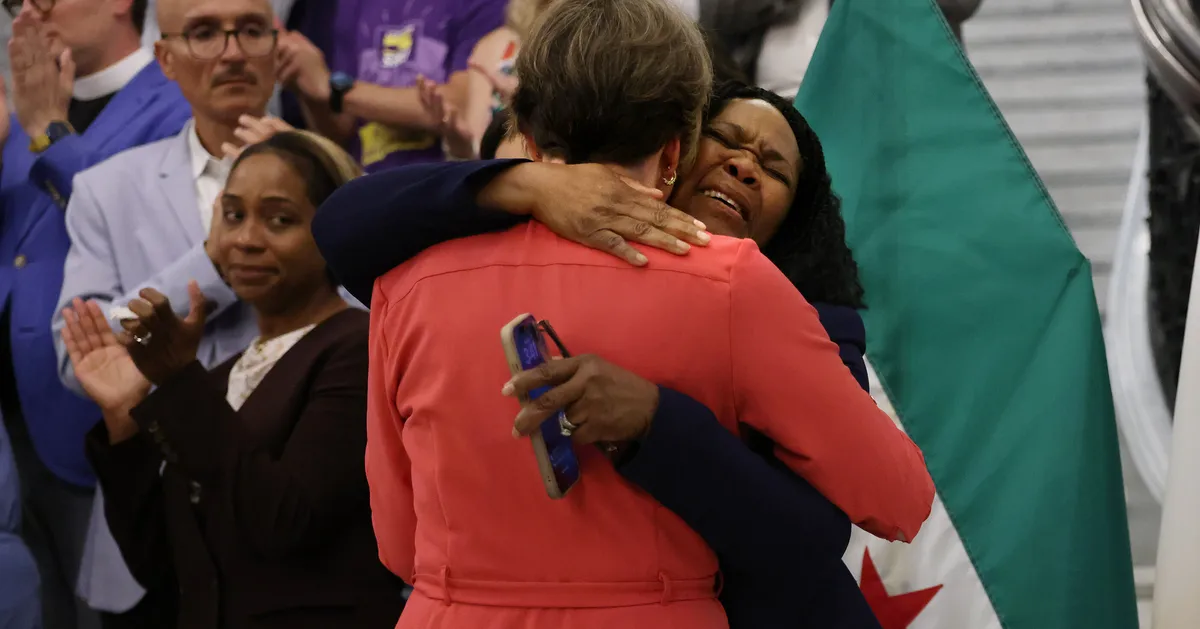
In the weeks since the Supreme Court cleared the way for the Trump administration to end deportation protections for roughly 350,000 Haitians, and in the days since a lower court judge took a key legal step that made it official, a new reality has started to come into focus in communities that had been holding out hope for a last-minute reprieve.