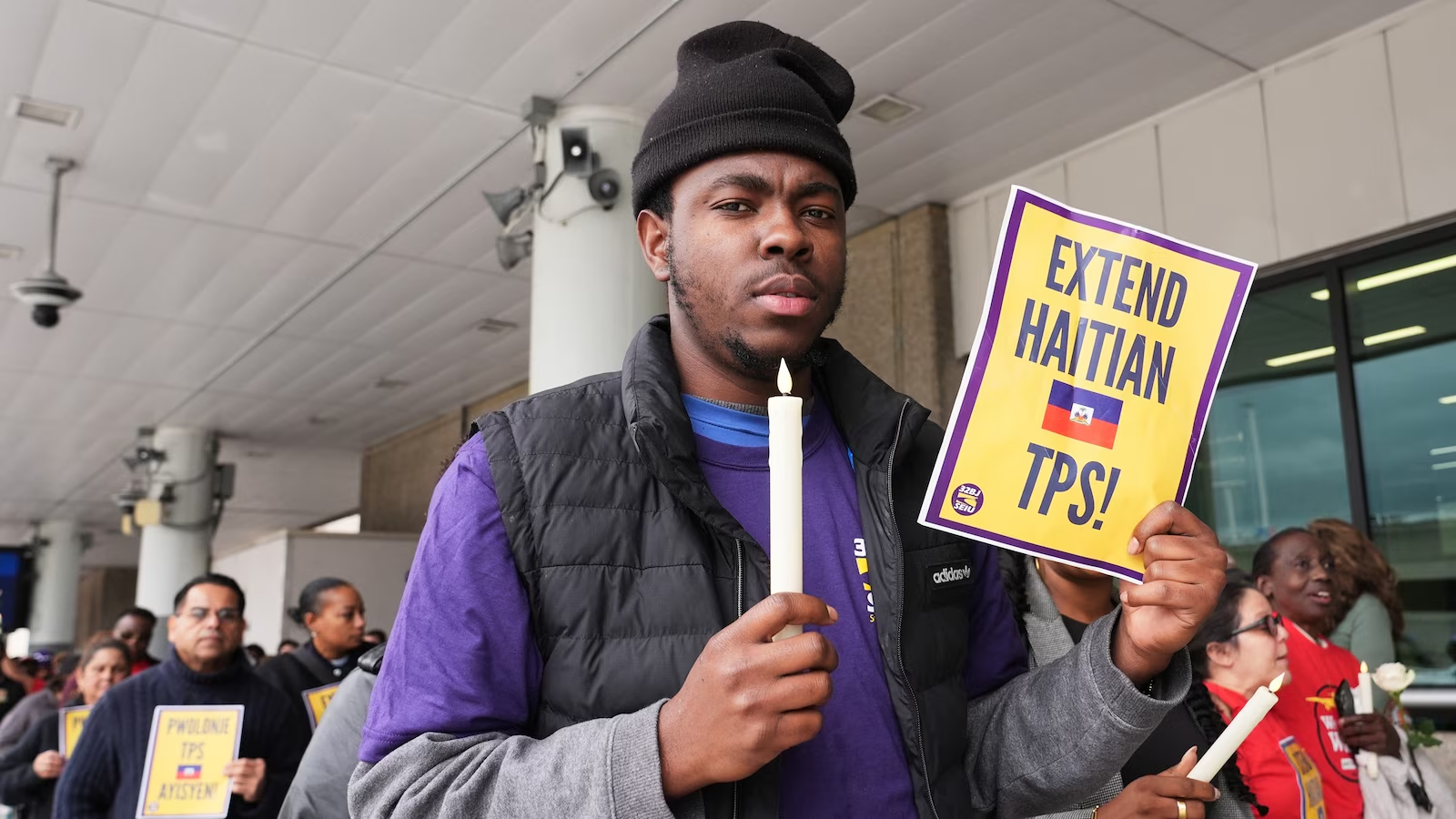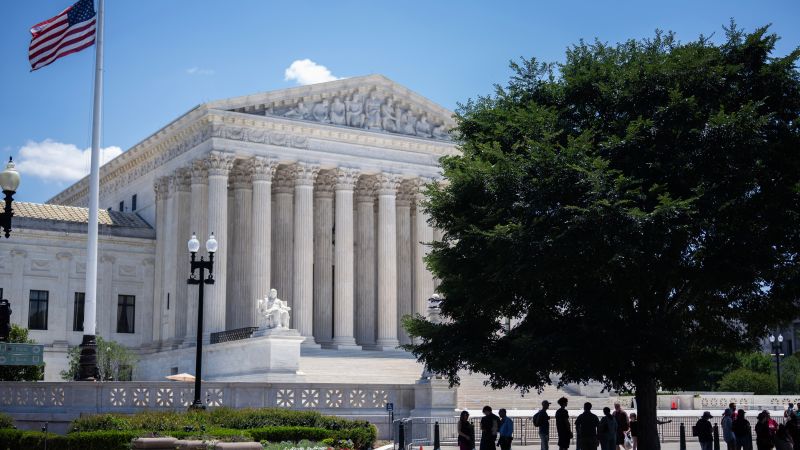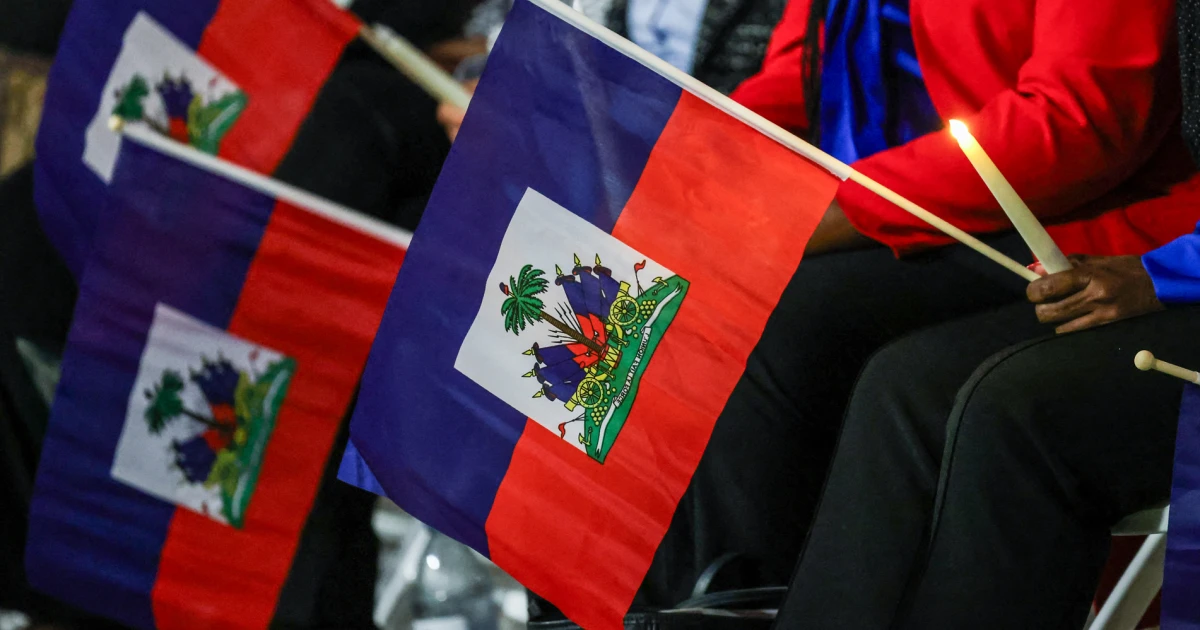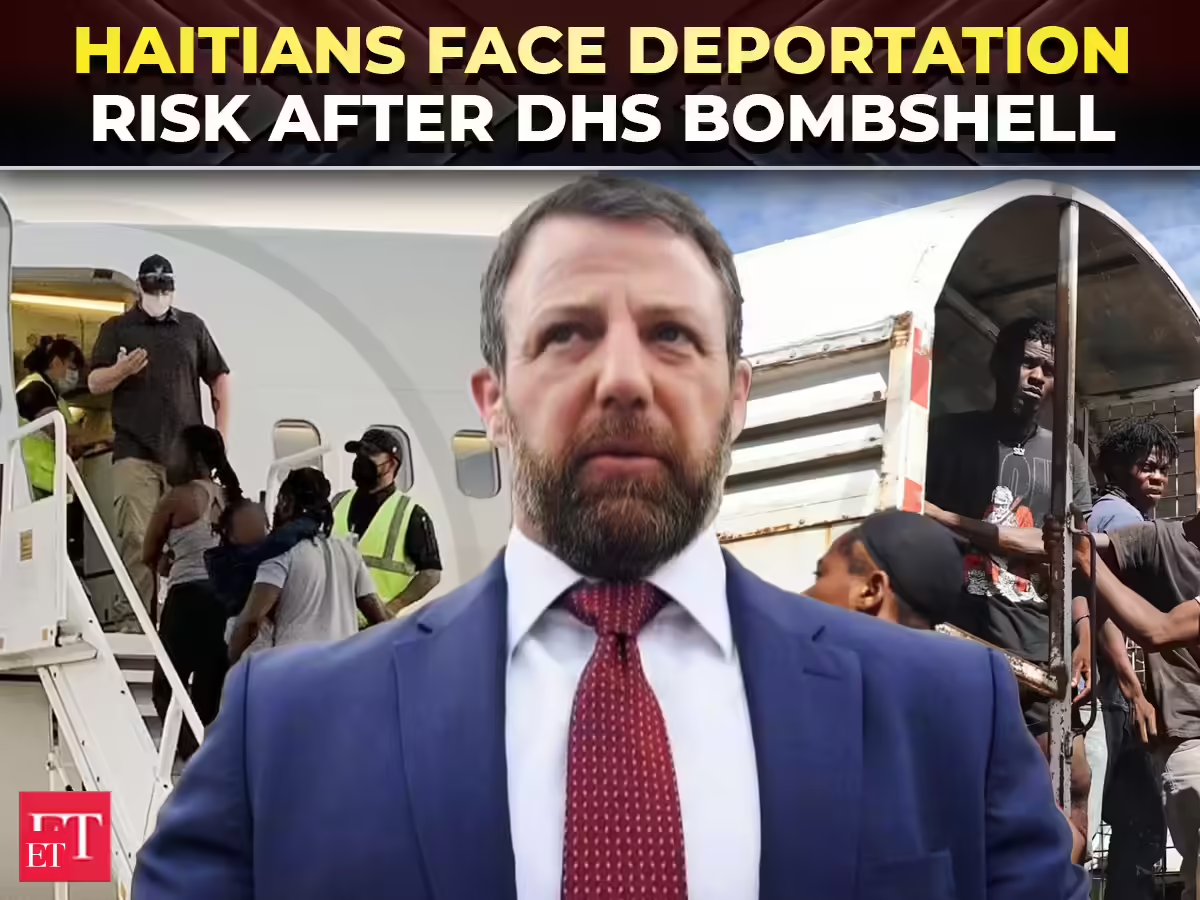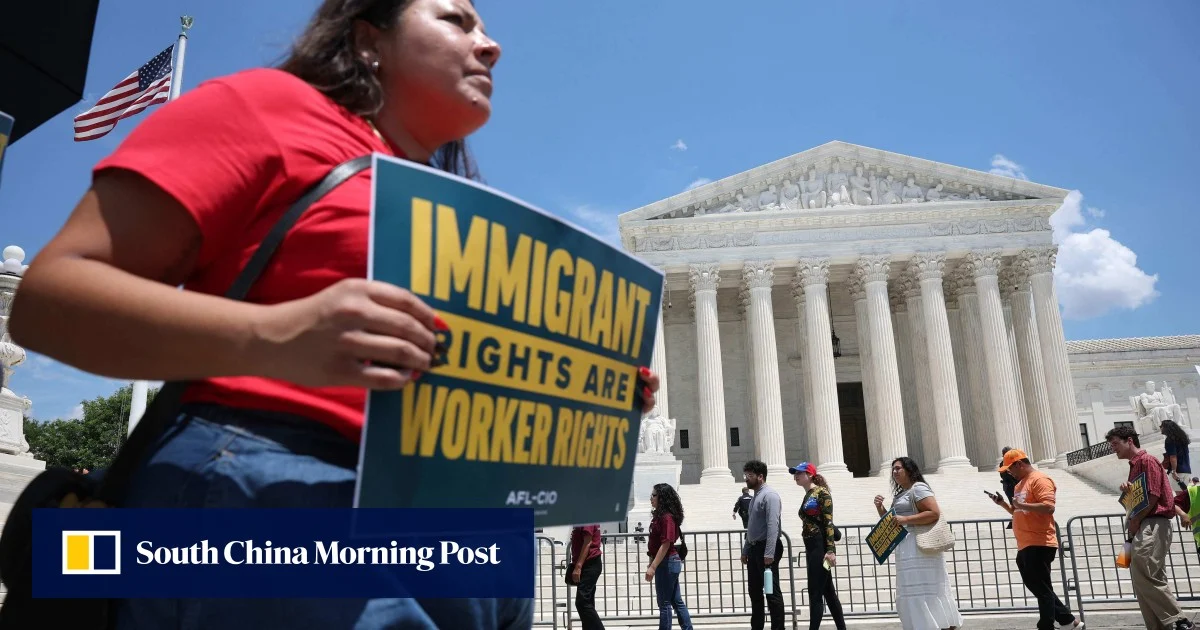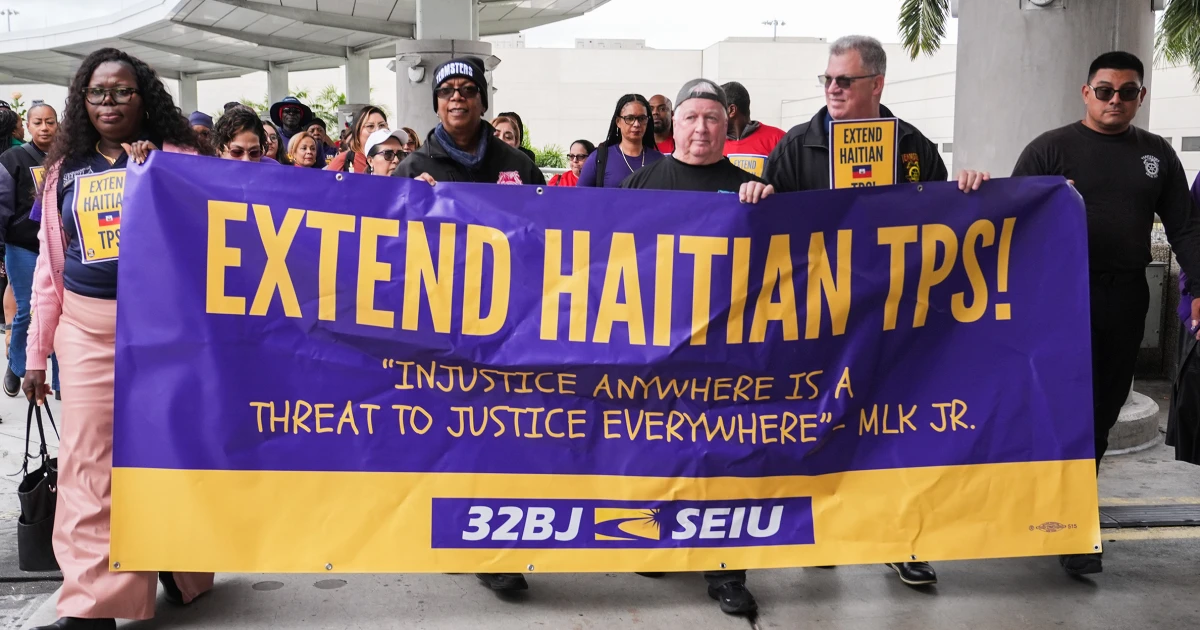
At least 363,000 Haitians and 7,000 Syrians who have legally lived and worked in the U.S. for years after escaping war, famine and natural disaster, are expected to officially lose their temporary protected status on Monday. In June, the Supreme Court accelerated the Trump administration’s sweeping deportation agenda when it agreed to formally end temporary protected status, or TPS, for Haitians and Syrians. Without that status, they are no longer considered “legal” to live or work in the U.S. and therefore become eligible for arrest, detention or deportation. U.S. Immigration and Customs Enforcement is expected to ramp up arrests and removals of Haitian TPS holders soon, CBS News reported, citing administration officials and federal documents. ICE did not respond to HuffPost’s request for comment on the report. Established by Congress in the 1990s, TPS was meant to provide relief to migrants fleeing disaster, war or famine in their native country or regions. TPS holders undergo scrutiny and vetting by immigration authorities every 18 months. To stay, they must obey the law, maintain employment and pay taxes.Most Syrian and Haitian TPS holders have lived in America for at least a decade. The prospect of uprooting entire lives — being separated from family, losing homes, jobs and pets, or being torn away from school after years of investment and study — has been panic-inducing and terrifying.Dahlia Doe, a Syrian TPS holder who was the main plaintiff in the Supreme Court case, has been in America since 2015 and works as a white-collar professional. She currently has an application to stay in the U.S. pending in court. But even that offers little solace. “It’s very scary because I don’t know what’s going to happen,” she told HuffPost ahead of Monday’s deadline. “Anything can happen. Even just having the pending application and therefore not having an ‘official status’ puts me at risk of deportation or arrest.” If Doe is not allowed to stay, she will be forced to leave behind her elderly parents, who are green card holders. She is the primary breadwinner and caretaker in her home, and the health of her father, who has Parkinson’s disease, has been rapidly declining in recent months. “For me, I have to have faith that my pending application will come through,” she said. “Obviously, I want to be with my family. I don’t want to be separated from them.” Doe sighed deeply when she considered the prospect of being deported to Syria, a country still ravaged by war and in which she has never personally lived. In recent weeks, she said, she and other TPS holders have discussed logistics of leaving the U.S., including what countries they may try to move to.But there’s a catch or two there, as well. The immigration application process to any country can take time to finish. And in order to legally immigrate to a place near the U.S., like Canada, applicants must have “legal status” in the U.S. In the meantime, the International Refugee Assistance Project, which represented Dahlia Doe and other TPS holders in their fight before the Supreme Court, has filed an amended class-action lawsuit in New York challenging the administration’s termination of TPS status for Syrians. “While the government continues to aggressively pursue its cruel campaign to strip TPS holders of their lawful status as quickly as possible, TPS holders continue to fight back. On behalf of Syrian TPS holders we are raising new arguments that the Supreme Court did not touch. TPS holders deserve safety and protection from deportation to countries that the government itself admits are dangerous,” Lupe Aguirre, deputy director of U.S. litigation at the International Refugee Assistance Project, told HuffPost. In the original lawsuit, the migrant advocacy group argued that former DHS Secretary Kristi Noem terminated TPS protections for 13 of 17 nations without following the required legal protocol, including consultation with other agency heads about the safety of the country TPS holders might return to. In the amended lawsuit, the group argues that the power to designate or terminate TPS status belongs to the Attorney General and that never happened. Instead, the decision to terminate TPS was made by Noem alone, they argue. Since the Supreme Court’s ruling, only a few judges have stepped in to slow or halt removals for TPS holders from other nations. Judges in Massachusetts ordered TPS designations for people from Ethiopia and South Sudan to remain for now, and TPS holders from Burma will have protections in place until Aug. 7, according to a judge in Illinois.
‘I Want To Be With My Family’: Law-Abiding Refugees Scramble After SCOTUS Rules They Can Be Deported Or Arrested
For hundreds of thousands of immigrants in America, the reality of being arrested or deported came into even sharper focus Monday.
750 words~3 min read