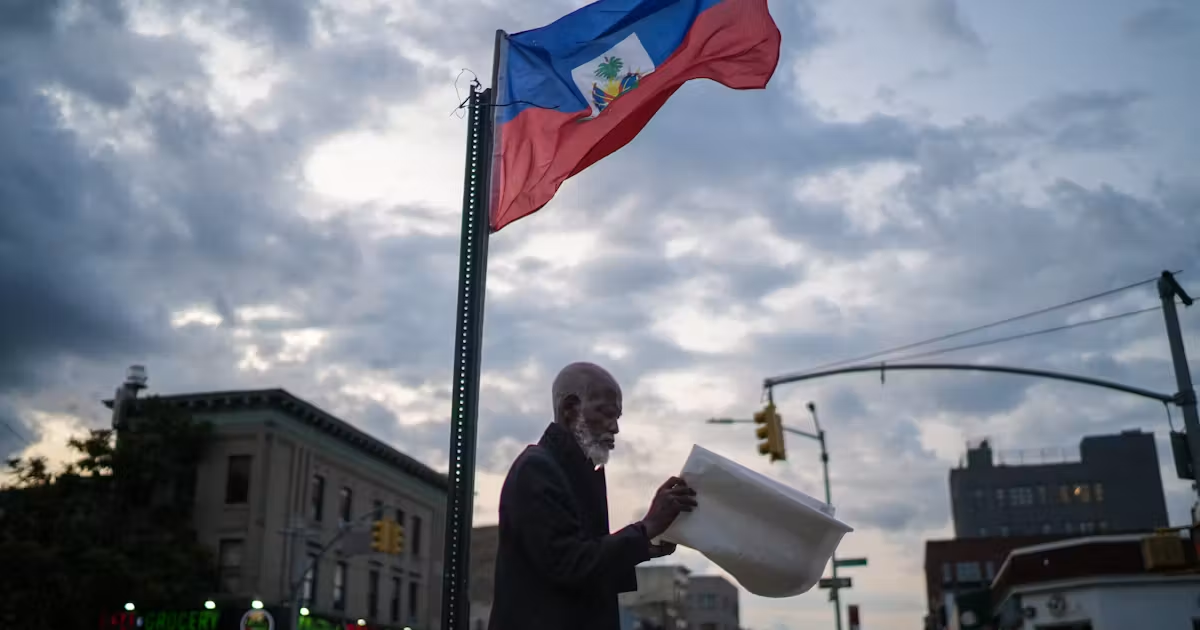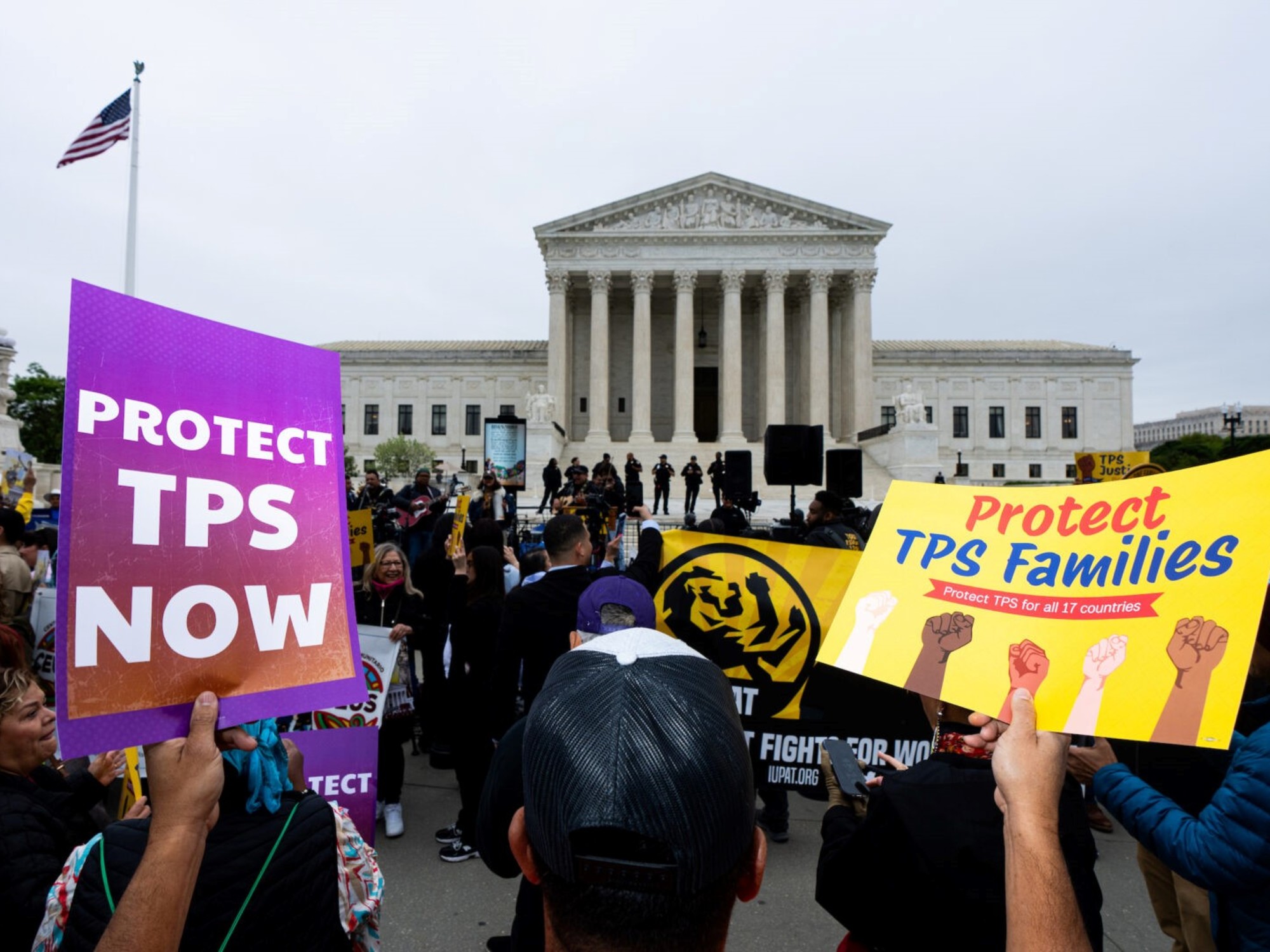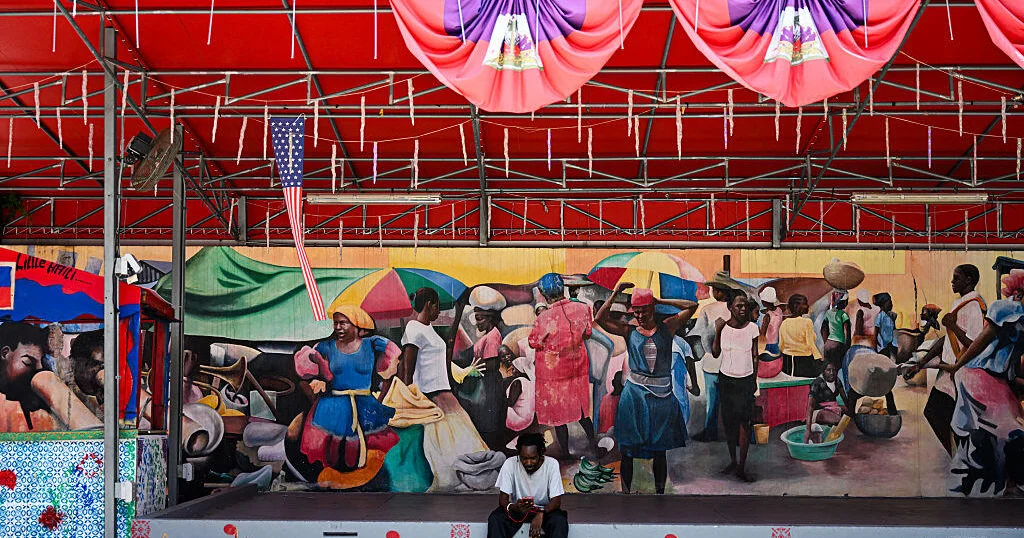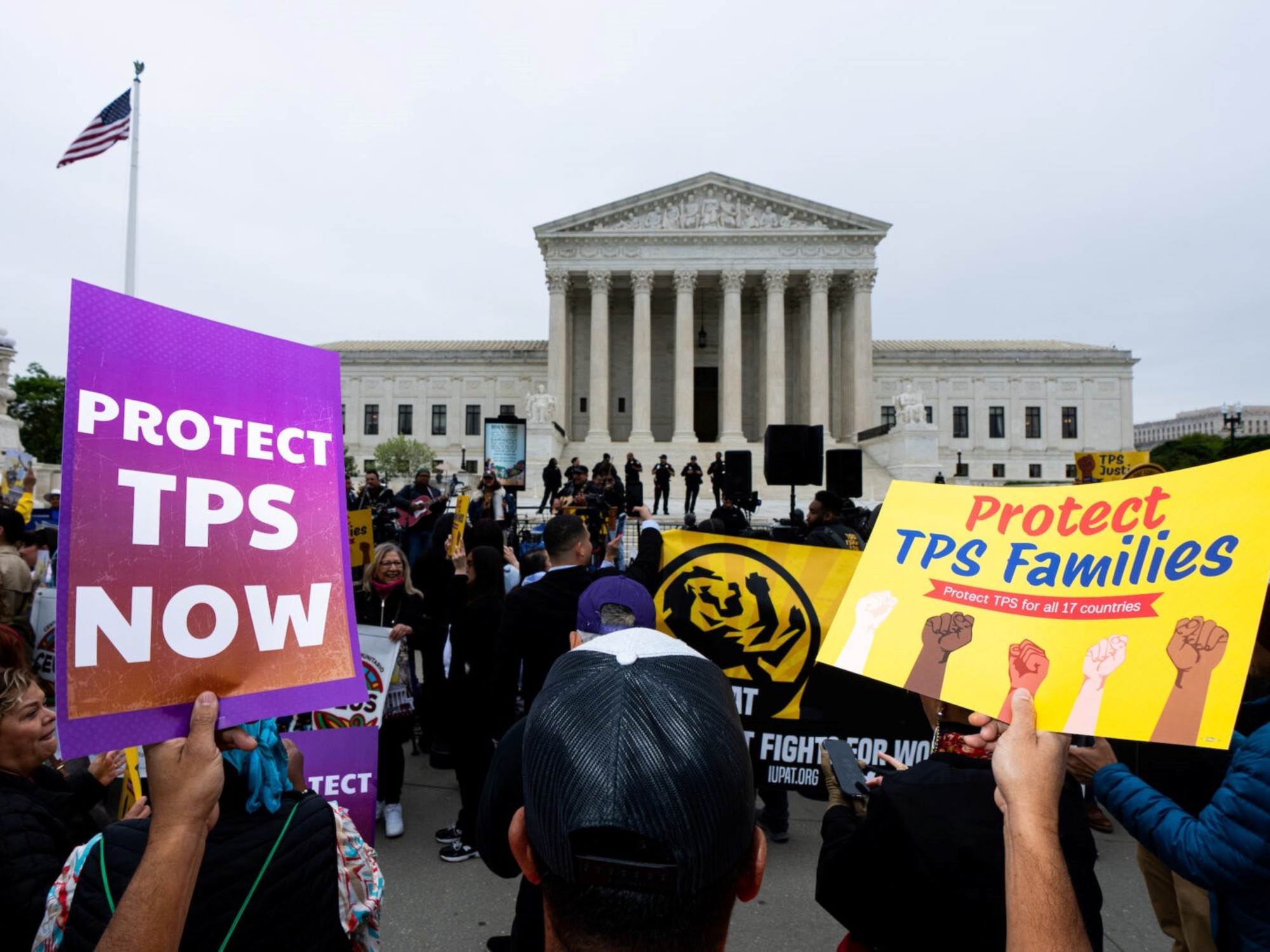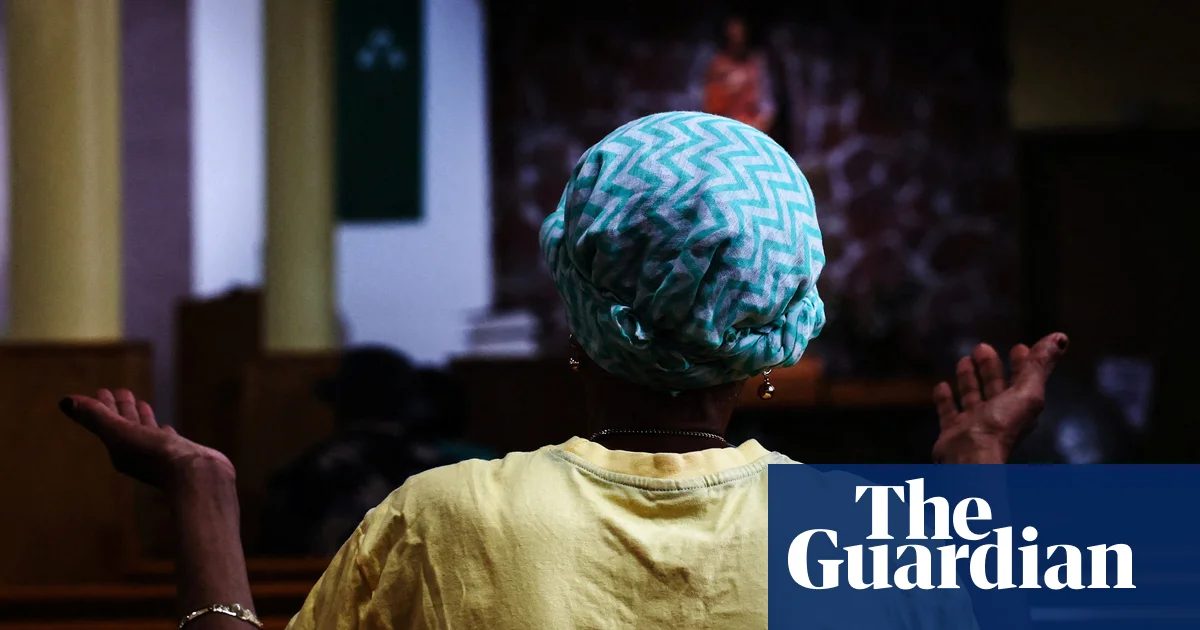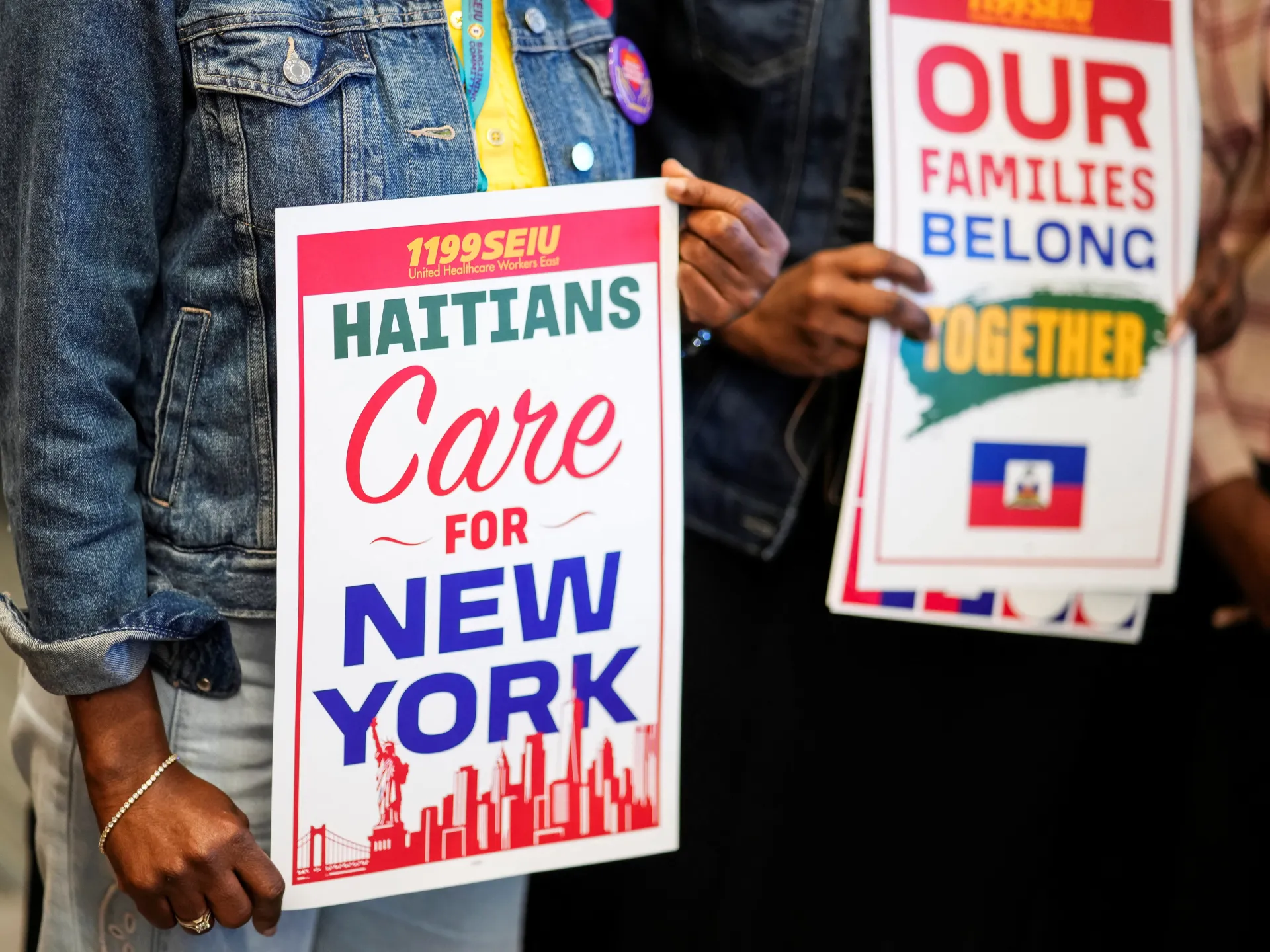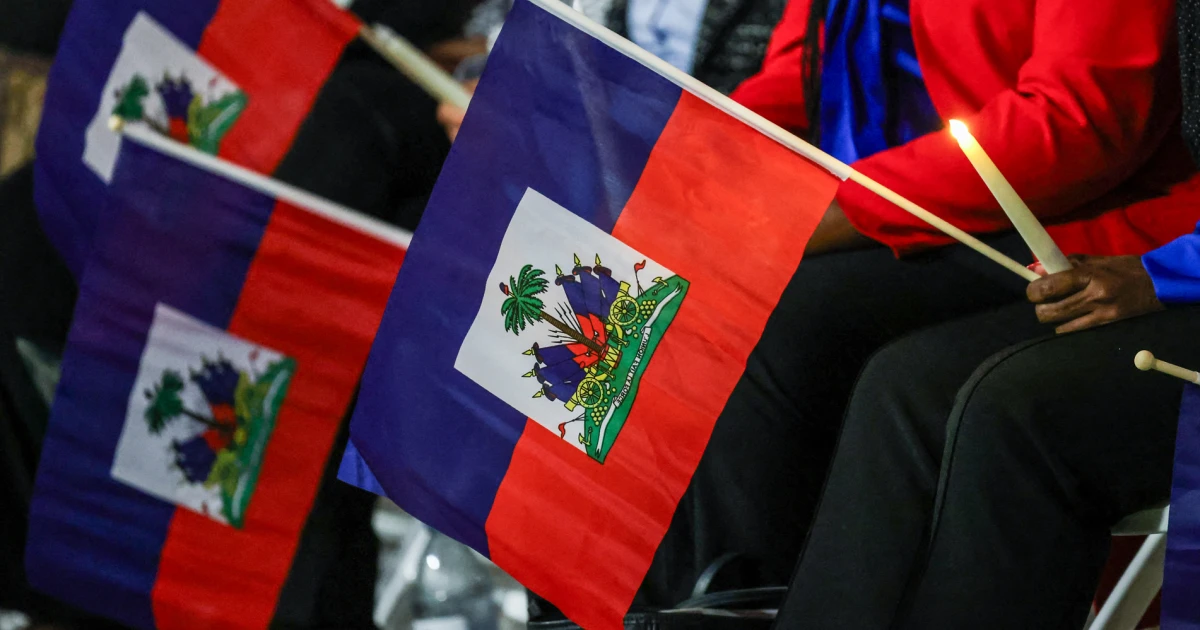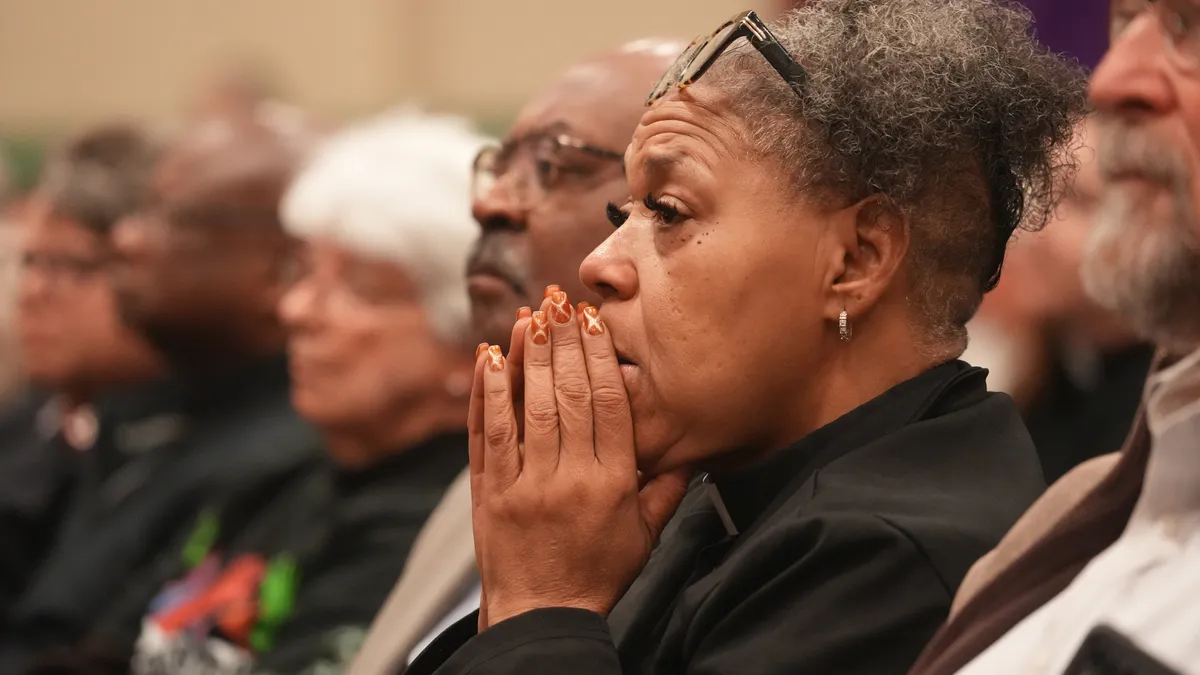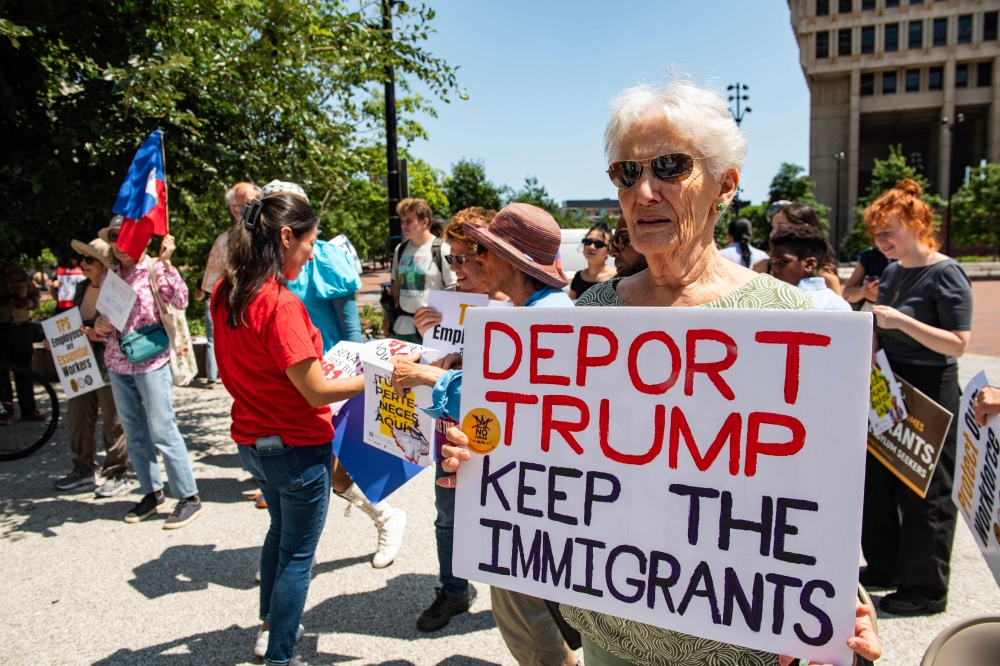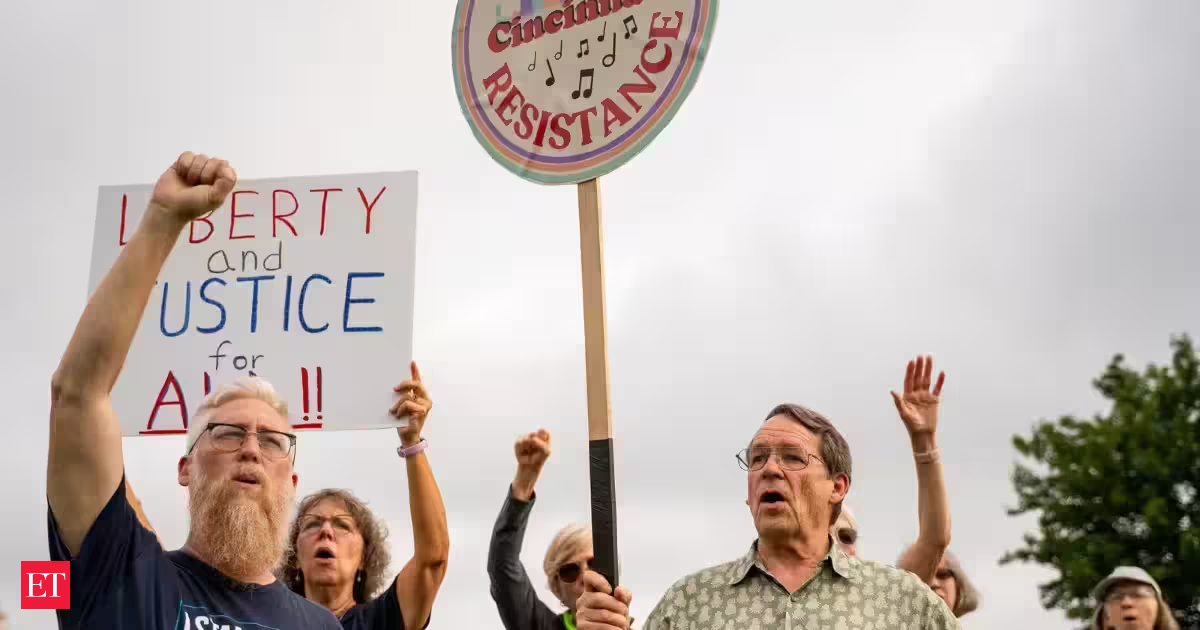
The end of Temporary Protected Status (TPS) for hundreds of thousands of Haitians has triggered fear, uncertainty and widespread disruption across parts of the United States, with one of the clearest examples unfolding in Salisbury, Maryland, where a thriving Haitian community is now retreating indoors to avoid possible immigration enforcement.On Maryland's Eastern Shore, churches have emptied, community gatherings have been called off and many immigrants are avoiding even routine trips to grocery stores, fearing detention after the Trump administration's decision to terminate TPS protections for more than one million migrants from several countries.For many Haitians who have legally lived and worked in the United States for years, the change has transformed daily life almost overnight.Church attendance collapses as fear replaces community lifeThe impact was visible at the Word of Life Center in Salisbury, a church that has long served as a cultural and spiritual anchor for the city's Haitian population.Events including a bridal shower, a barbecue fundraiser and English-language classes were cancelled as people chose to remain inside their homes.Sunday's worship service, which usually draws more than 500 attendees, saw attendance fall by more than half.Senior Pastor Roosevelt Toussaint said many families are too frightened to leave their homes amid fears of arrest and deportation.During his sermon, delivered in Haitian Creole, he urged worshippers not to surrender to fear.He prayed that God would protect the congregation and encouraged them to remain steadfast despite growing uncertainty surrounding their future in the United States.Haitian workers face uncertain futureSalisbury, home to roughly 33,000 residents, has a Haitian population estimated at nearly 10%. Many members of the community work in poultry processing plants, agriculture, healthcare and caregiving—industries that rely heavily on immigrant labour.With TPS protections now ending, many face two difficult choices: remain in the country without legal work authorisation while risking immigration enforcement, or return to Haiti, where escalating gang violence, displacement and humanitarian crises have made daily life increasingly dangerous.Pastor Toussaint appealed directly to US President Donald Trump, saying the affected immigrants had come to America to work and contribute to the economy rather than commit crimes.He warned that deporting many Haitians would effectively send them back into life-threatening conditions.ICE operations deepen anxietyImmigration advocates say fear has intensified as enforcement efforts continue.According to community organisations, some Haitians have reportedly been instructed to report to Immigration and Customs Enforcement (ICE) offices, where some have allegedly been fitted with ankle monitors and told to remain within restricted travel zones while awaiting further instructions.Social media posts and community networks have also circulated reports of arrests outside supermarkets, petrol stations and other public places, prompting many immigrants to avoid leaving home altogether.Safe Harbor Circles, a non-profit supporting immigrant families on Maryland's Eastern Shore, said it documented more than a dozen recent immigration arrests, including individuals who had previously held TPS protection.Executive Director Marie D. Fouché said some people were detained while simply shopping for groceries, leaving children behind at home with no indication of when—or whether—their parents would return.The Department of Homeland Security declined to comment on specific enforcement actions, stating only that TPS was always intended to be a temporary humanitarian measure rather than a permanent immigration pathway.Court rulings paved the way for TPS expiryThe legal battle over Haiti's TPS designation stretched across several courts before ultimately ending in the administration's favour.After challenges in lower courts, the US Supreme Court allowed the government to proceed with ending the protections. A subsequent court order lifted the final legal barrier, formally ending deportation safeguards for Haitians covered under the programme.The rapid legal developments left many immigrants uncertain about enforcement timelines and their legal status.Community leaders described the situation as chaotic, comparing the emotional toll on families to living through a Category 5 hurricane.Decades of protection come to an endThe United States first granted TPS to Haitians following the devastating 2010 earthquake, extending the programme multiple times over the years because of continuing instability in the country.Today, however, Haiti continues to face severe humanitarian challenges. Armed gangs control significant territory, nearly 1.5 million people have been displaced and millions remain dependent on humanitarian assistance.Immigration advocates argue these conditions make large-scale returns unsafe and have criticised the policy shift as lacking compassion.Leila Borrero Krouse, an immigration specialist working with farmworker communities, said most immigrants she has encountered came to fill labour shortages rather than engage in criminal activity, making the current situation especially distressing.Families prepare for the worstBeyond legal uncertainty, the emotional burden is growing heavier for many households.Patricia Grace Louis-Jacques, a nursing student in Salisbury, said the crisis became deeply personal when her closest friend asked her to care for her infant child if immigration authorities detained her.She said that request made the reality of the situation impossible to ignore.The fear extends beyond the Haitian community.A Honduran woman whose TPS protection had already expired said she rarely leaves her home after losing the poultry processing job she held for more than 20 years.Her US-born son frequently calls to remind her not to answer the door and to keep the curtains closed. She now spends most of her time indoors, venturing outside only briefly to let her dogs into the yard before returning inside.Describing her daily life as one of constant anxiety, she said she had come to the United States seeking opportunity—not to cause harm—and believes many immigrants now feel trapped between an uncertain future in America and an unsafe homeland.(With AP inputs)
Temporary Protected Status rollback sparks panic among Haitian immigrants in the US
The termination of Temporary Protected Status for Haitians creates widespread fear and disruption. Many immigrants now avoid public spaces and community gatherings due to enforcement concerns. Industries relying on immigrant labor face significant uncertainty and potential disruption. Legal challenges have concluded, allowing the administration to end these protections. Families face difficult choices between remaining undocumented or returning to dangerous conditions.
895 words~4 min read