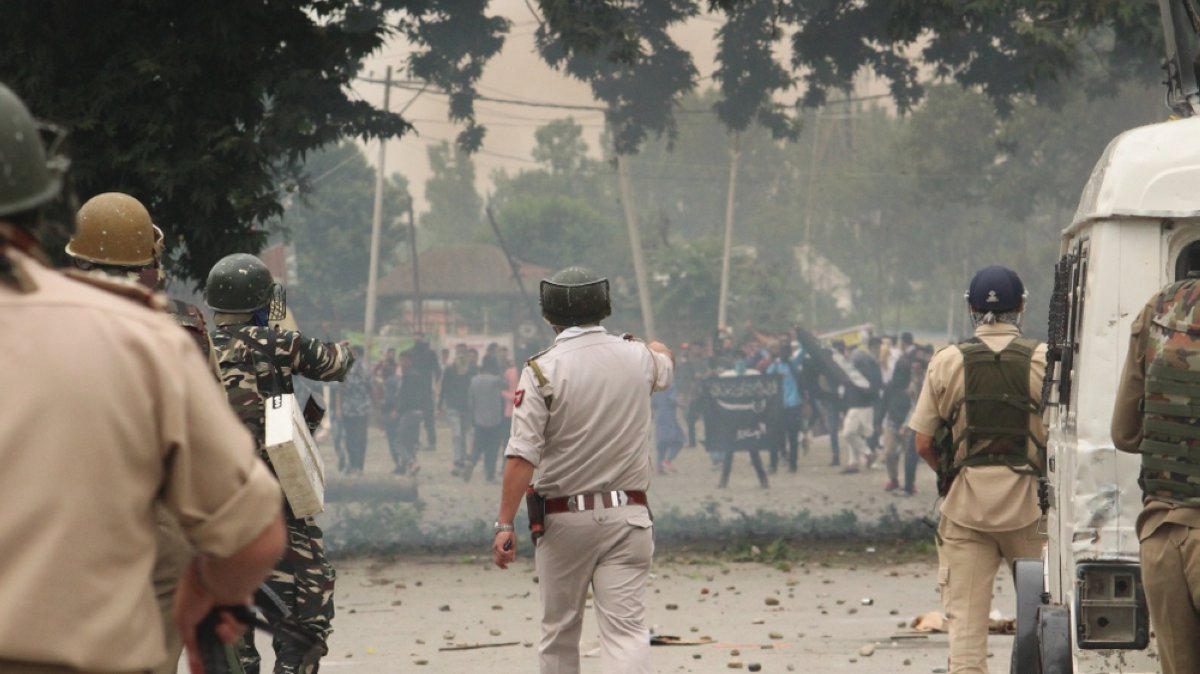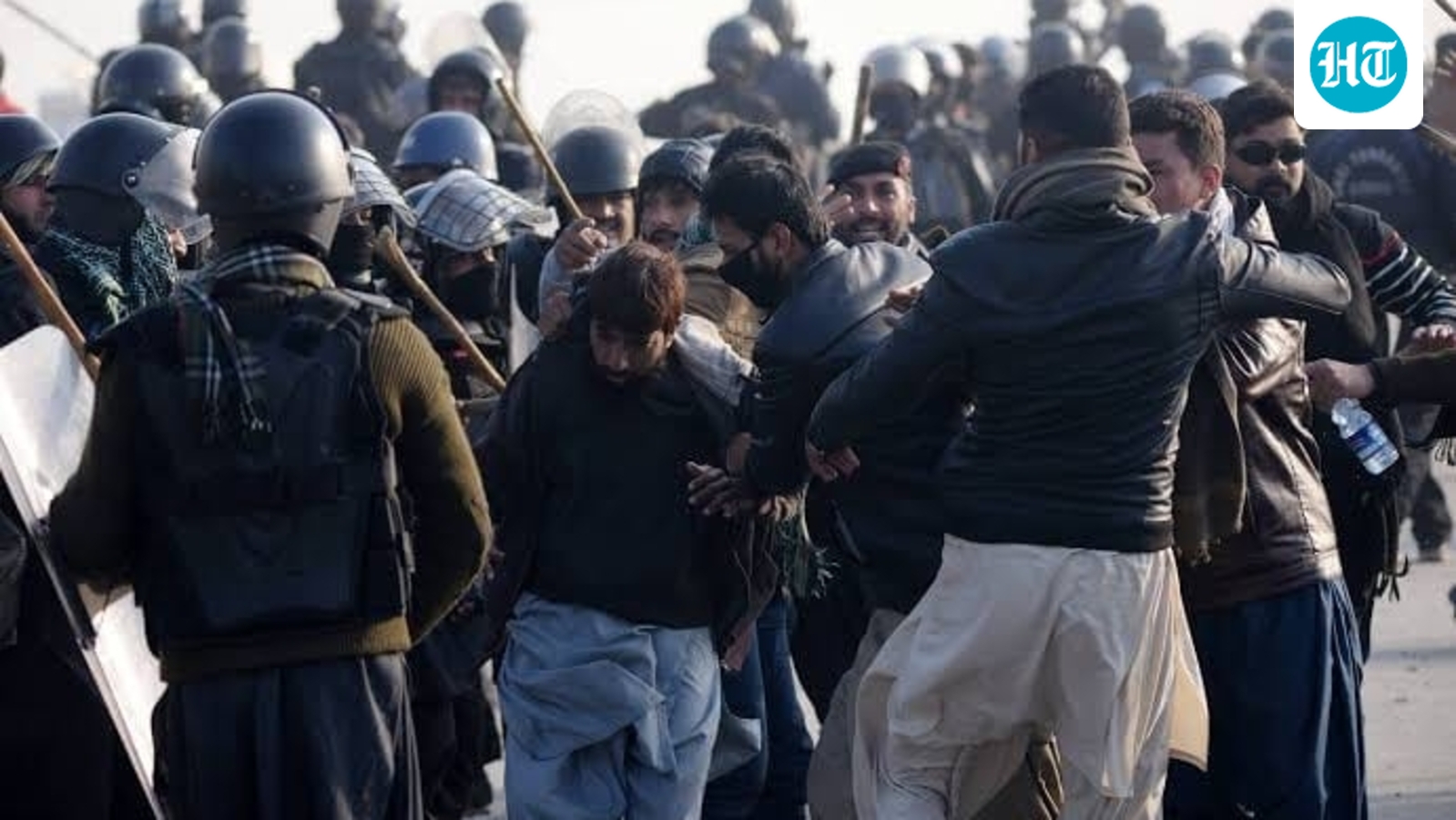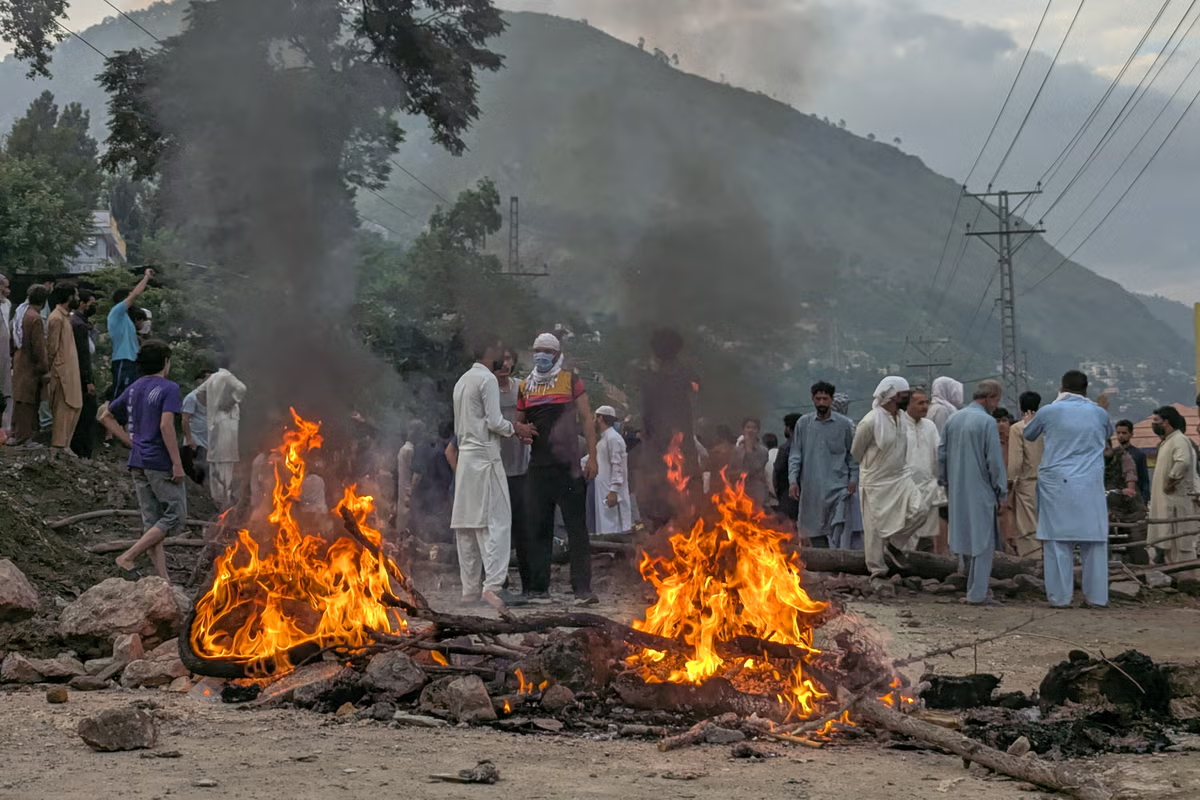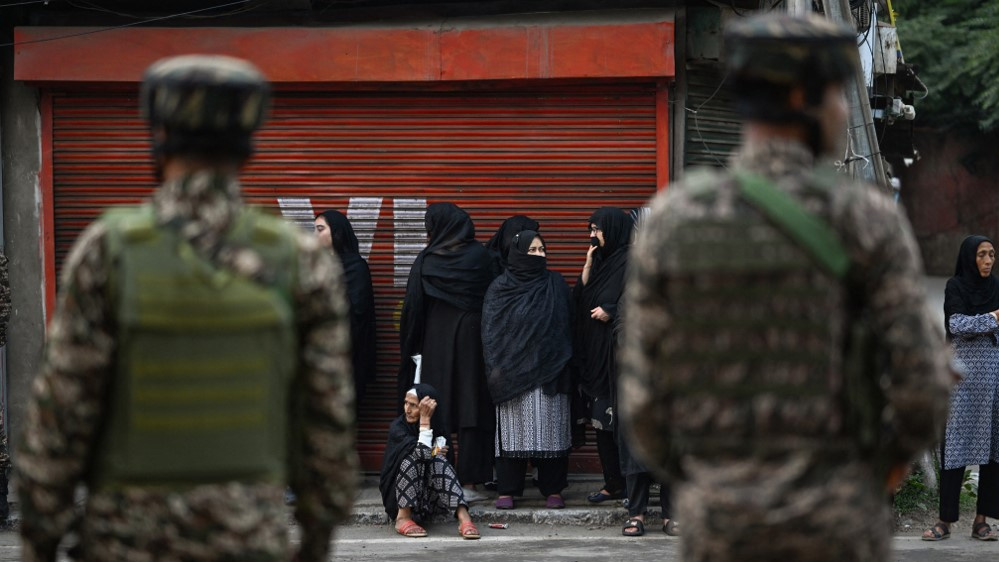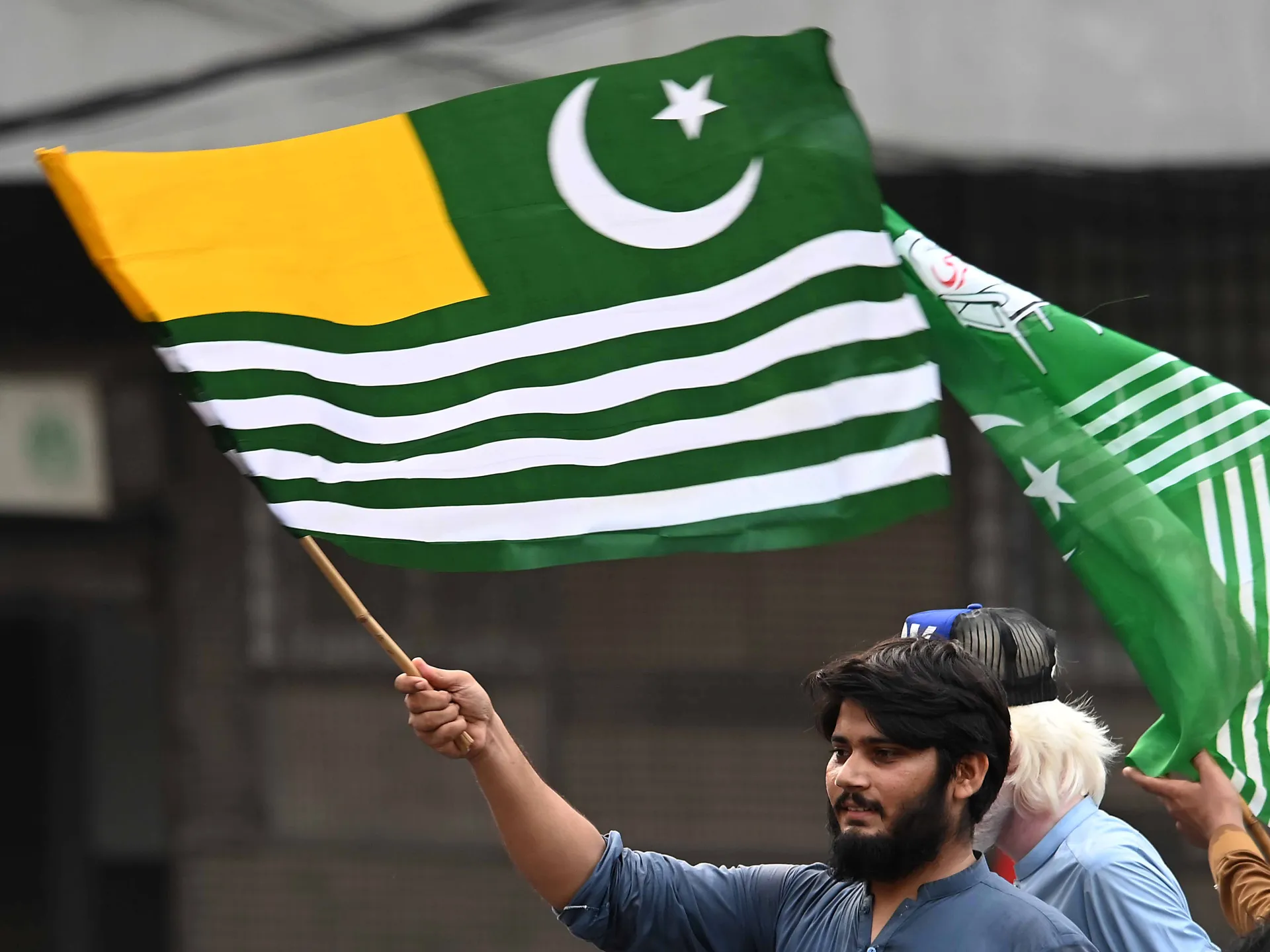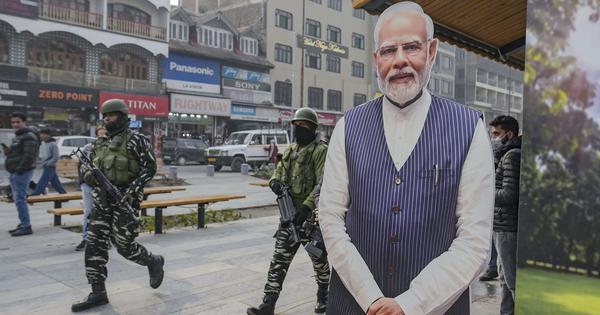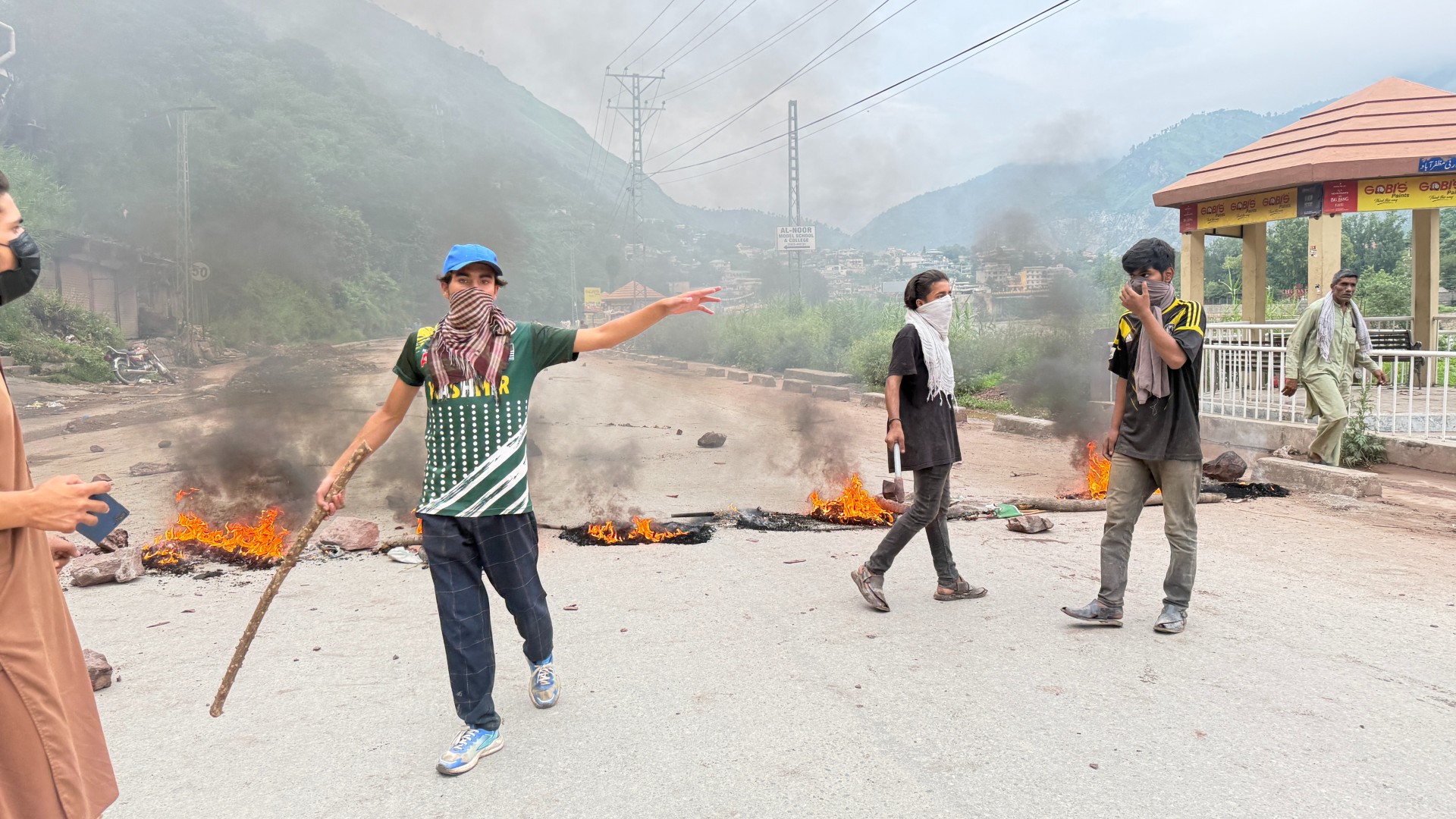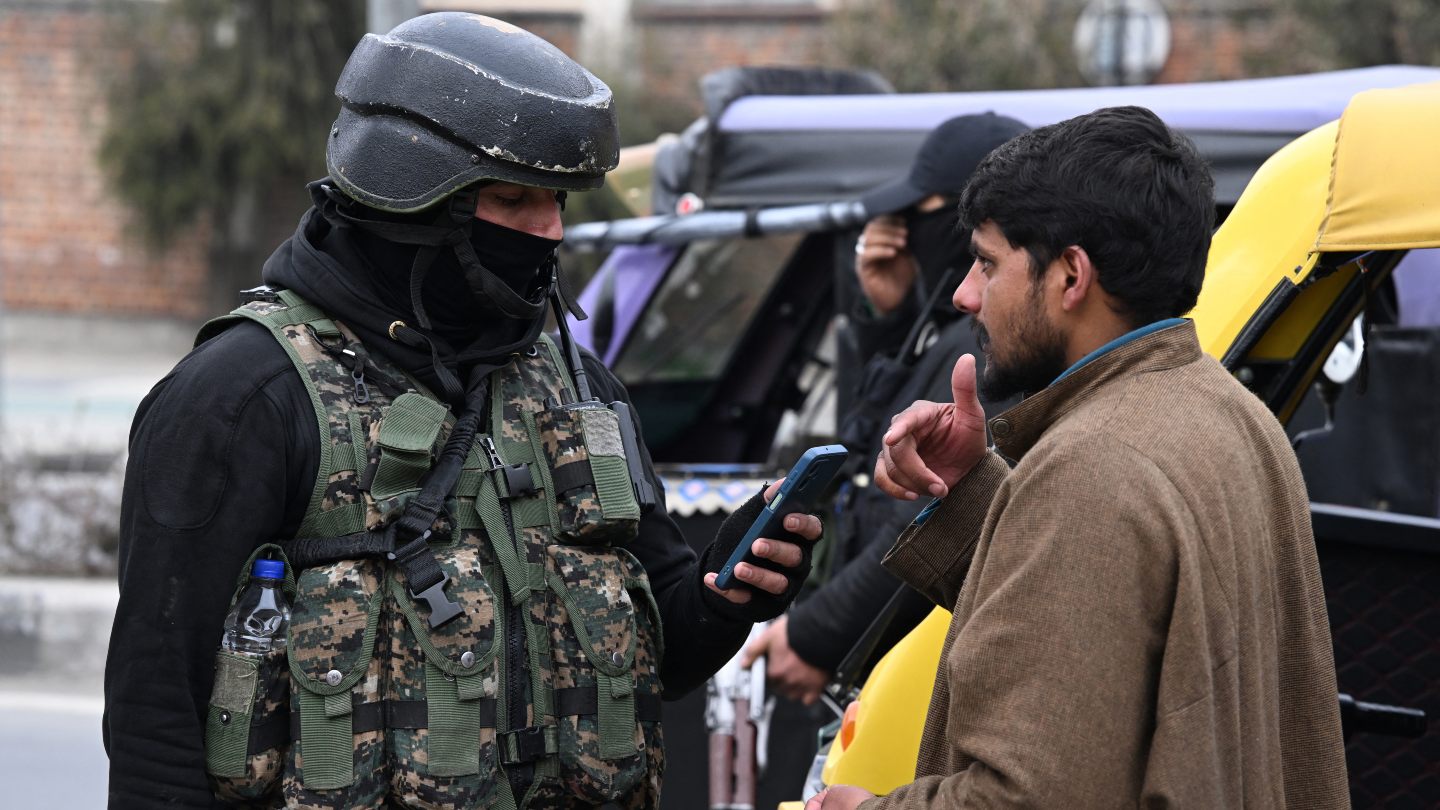
Seven years after India revoked the special constitutional status of Indian-administered Kashmir, changes to land ownership, residency laws and governance have continued to reshape the region, which critics have called a part of a multi-pronged strategy to alter Kashmir's demographic and political landscape.
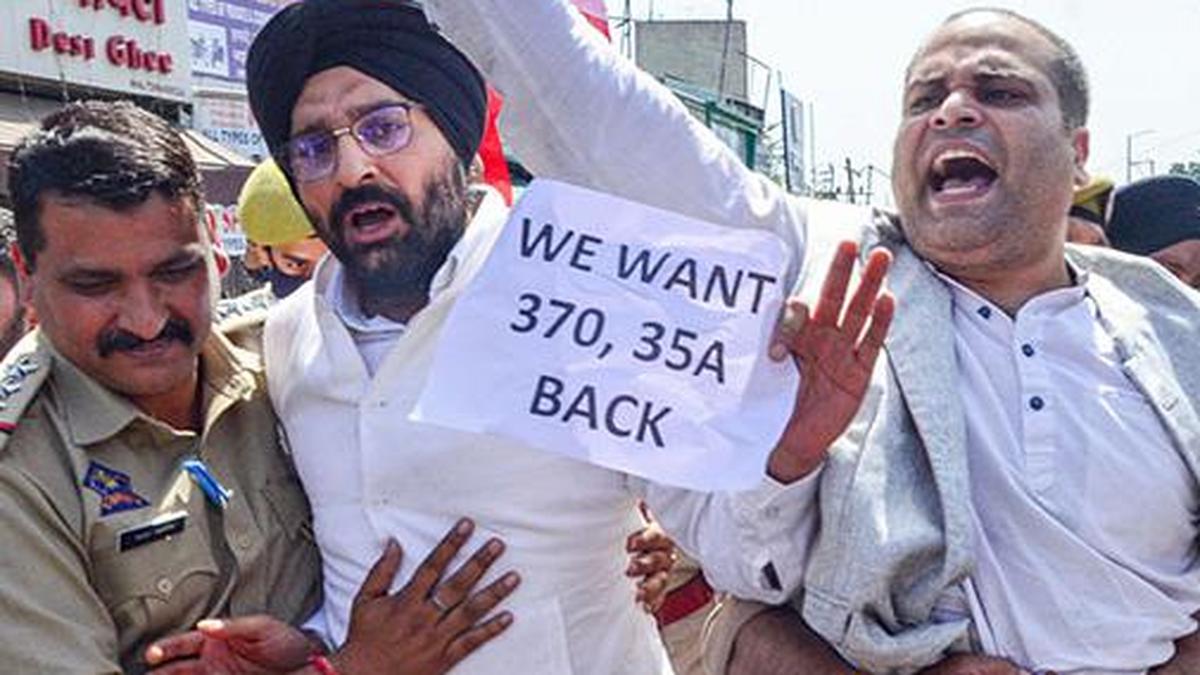
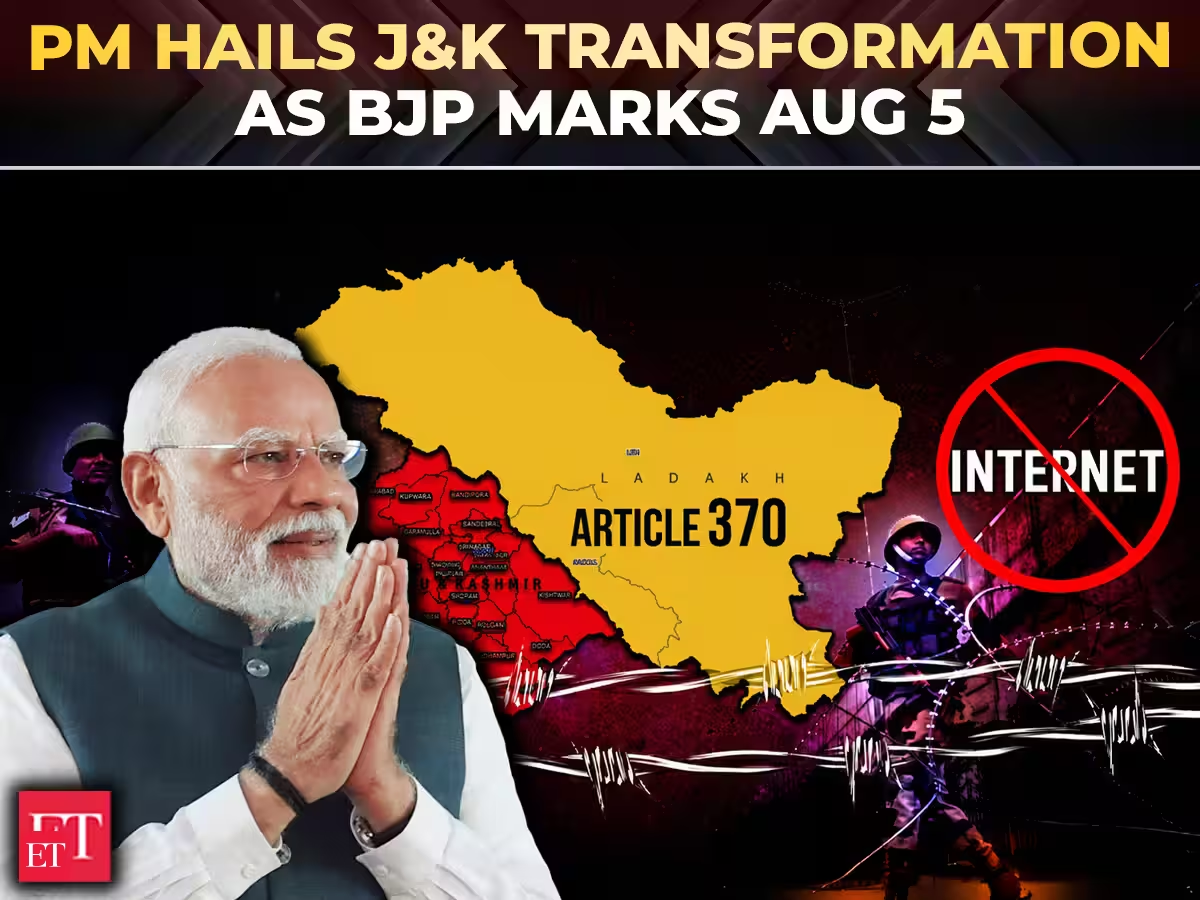
On 5 August 2019, India's ruling right-wing nationalist Bharatiya Janata Party (BJP) government revoked Article 370 and Article 35A, which granted Jammu and Kashmir autonomy and constitutional safeguards. What followed was a legal onslaught for a broader restructuring of the contested region, parts of which are held by India, Pakistan and China.
As the government of India unilaterally divided the region into multiple Union Territories of Jammu and Kashmir and Ladakh, it placed the region under direct rule of New Delhi's union government.
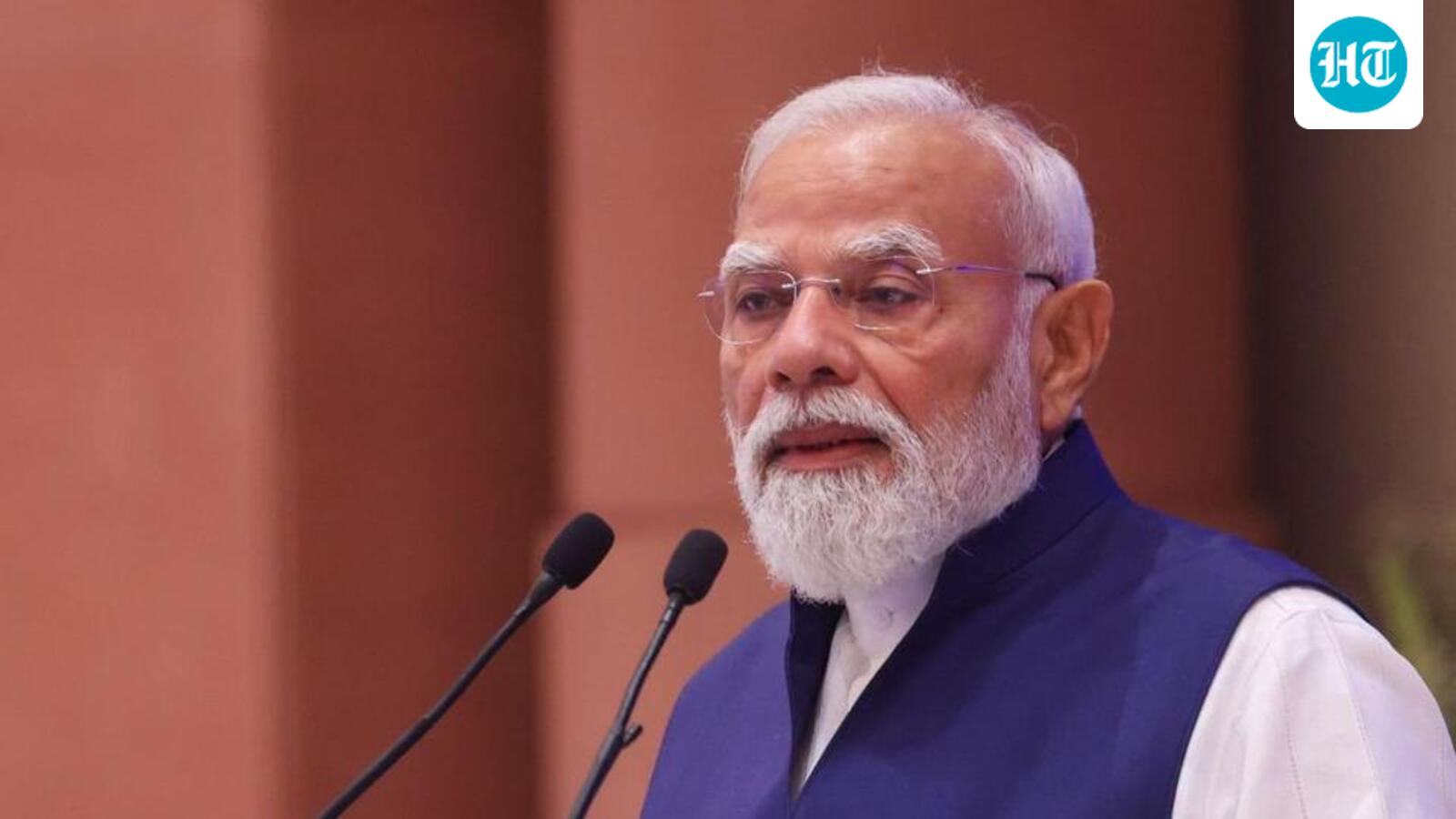
The Modi-led government in New Delhi said the move was aimed at integrating Kashmir more closely with India, encouraging investment and development, and curbing militancy.
However, within months, New Delhi introduced new domicile rules allowing anyone who had lived in the region for 15 years, studied there for seven years or served in certain central government positions to obtain domicile status.