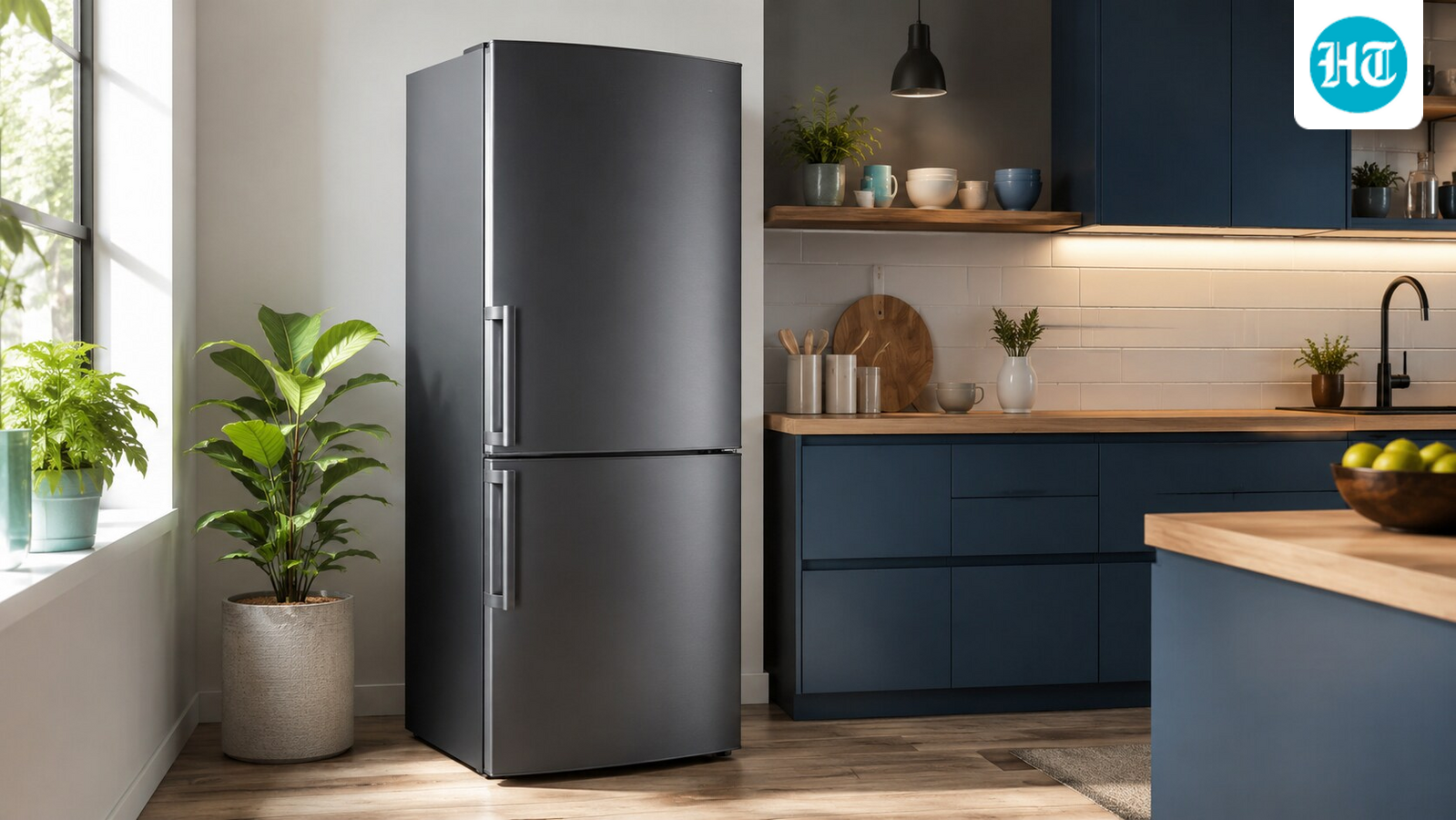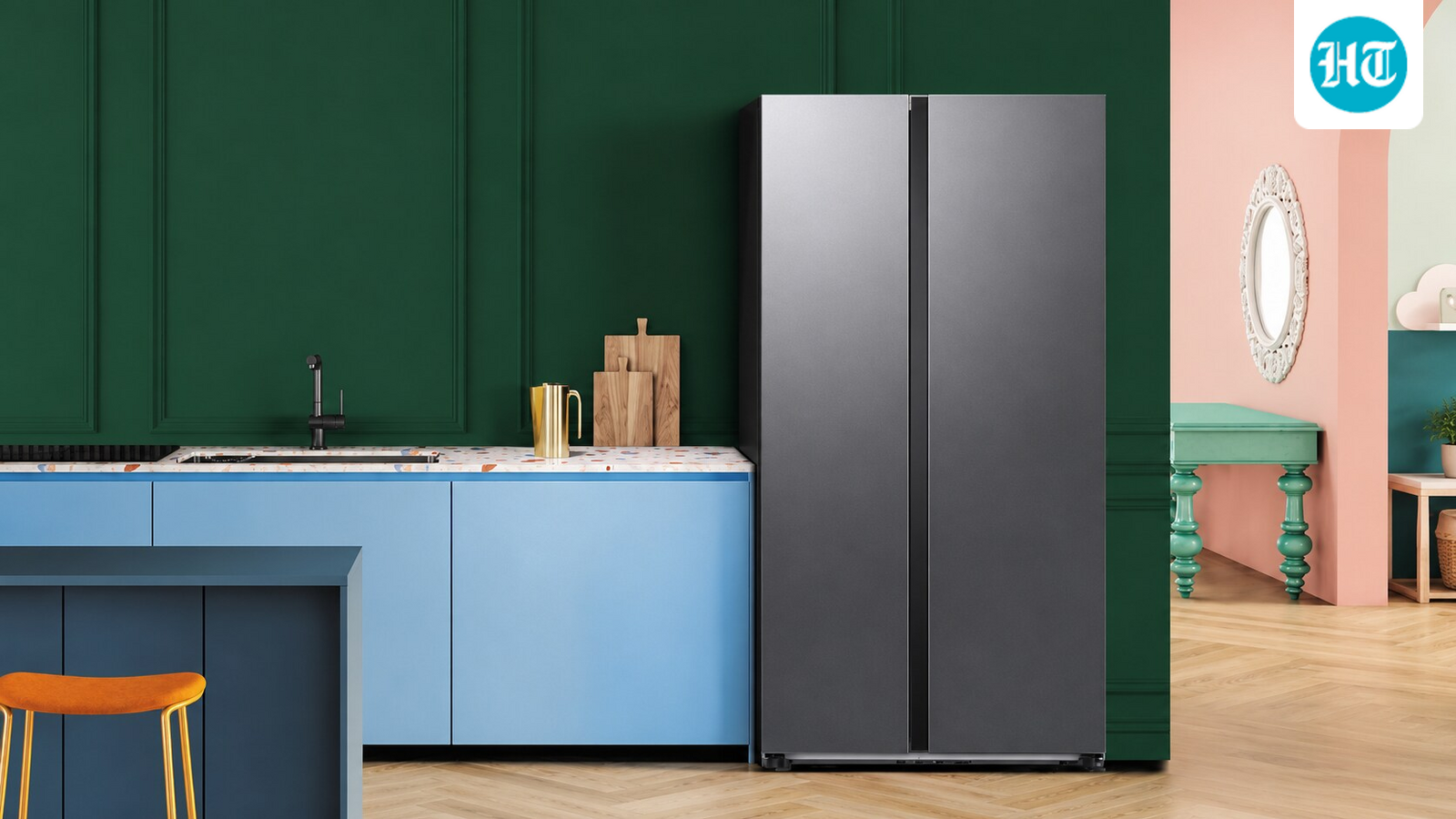
I never thought my refrigerator could make such a noticeable difference to my electricity bill. Like most people, I assumed the fridge was just another appliance quietly running in the background, with its impact on monthly power consumption being relatively small. That changed after I replaced my regular refrigerator with an inverter model.
I had expected some savings, especially because inverter compressors can adjust their speed based on the cooling requirement instead of repeatedly switching on and off. But the difference in my electricity bill was much bigger than I anticipated.
To see if the change was actually making a difference, I compared my electricity bills before and after switching refrigerators, while keeping my overall usage broadly similar. The numbers made one thing clear: the refrigerator was contributing more to my monthly power consumption than I had realised.
Why an inverter refrigerator can consume less electricity
The main difference is the way the compressor operates. A conventional fixed-speed compressor generally works at a fixed capacity. It switches on when cooling is required and switches off once the desired temperature is reached.