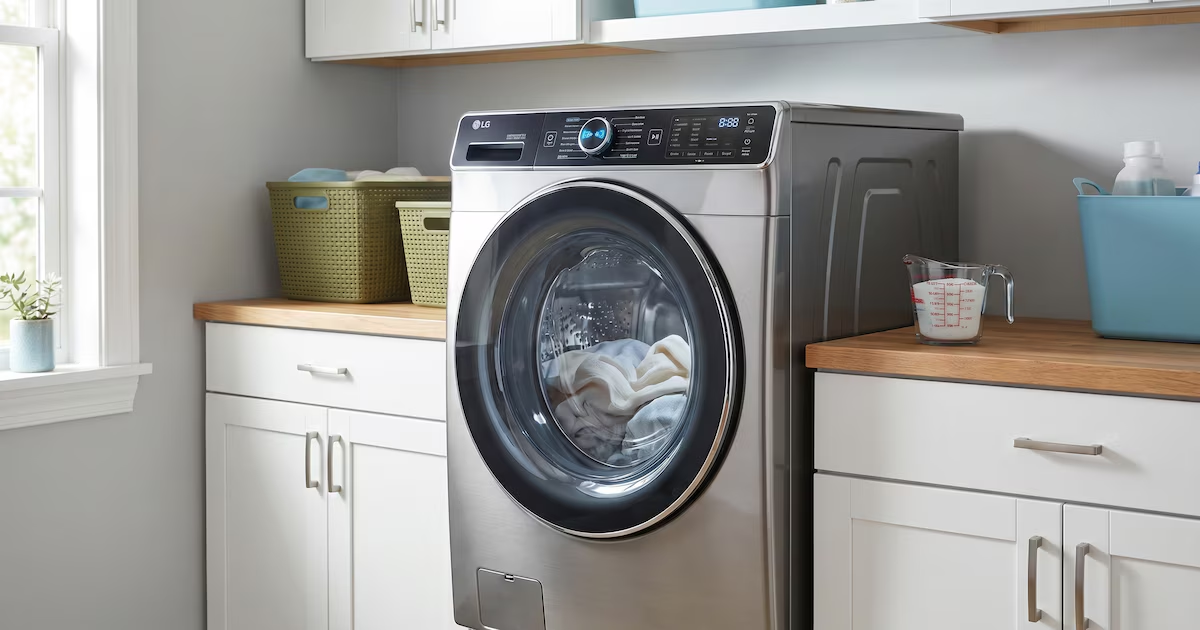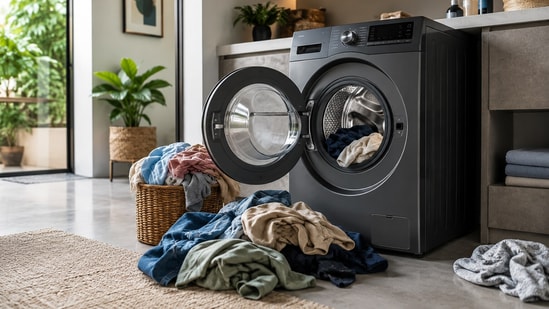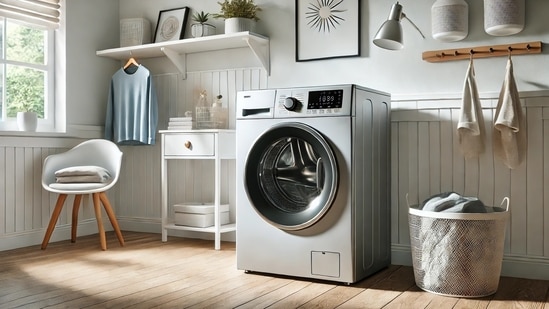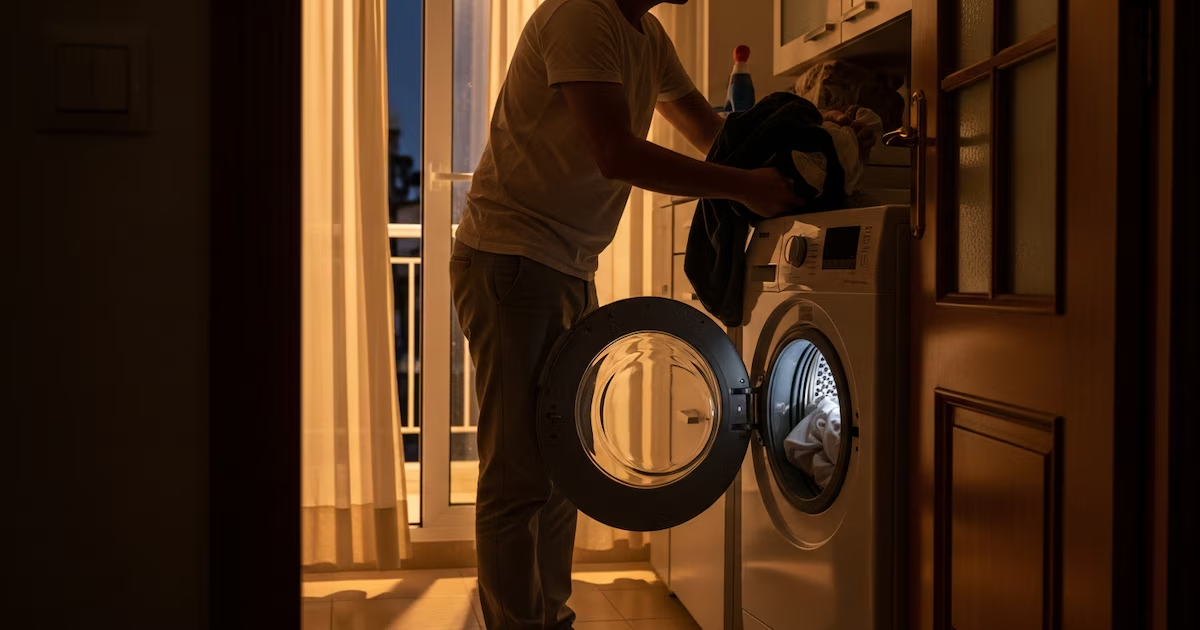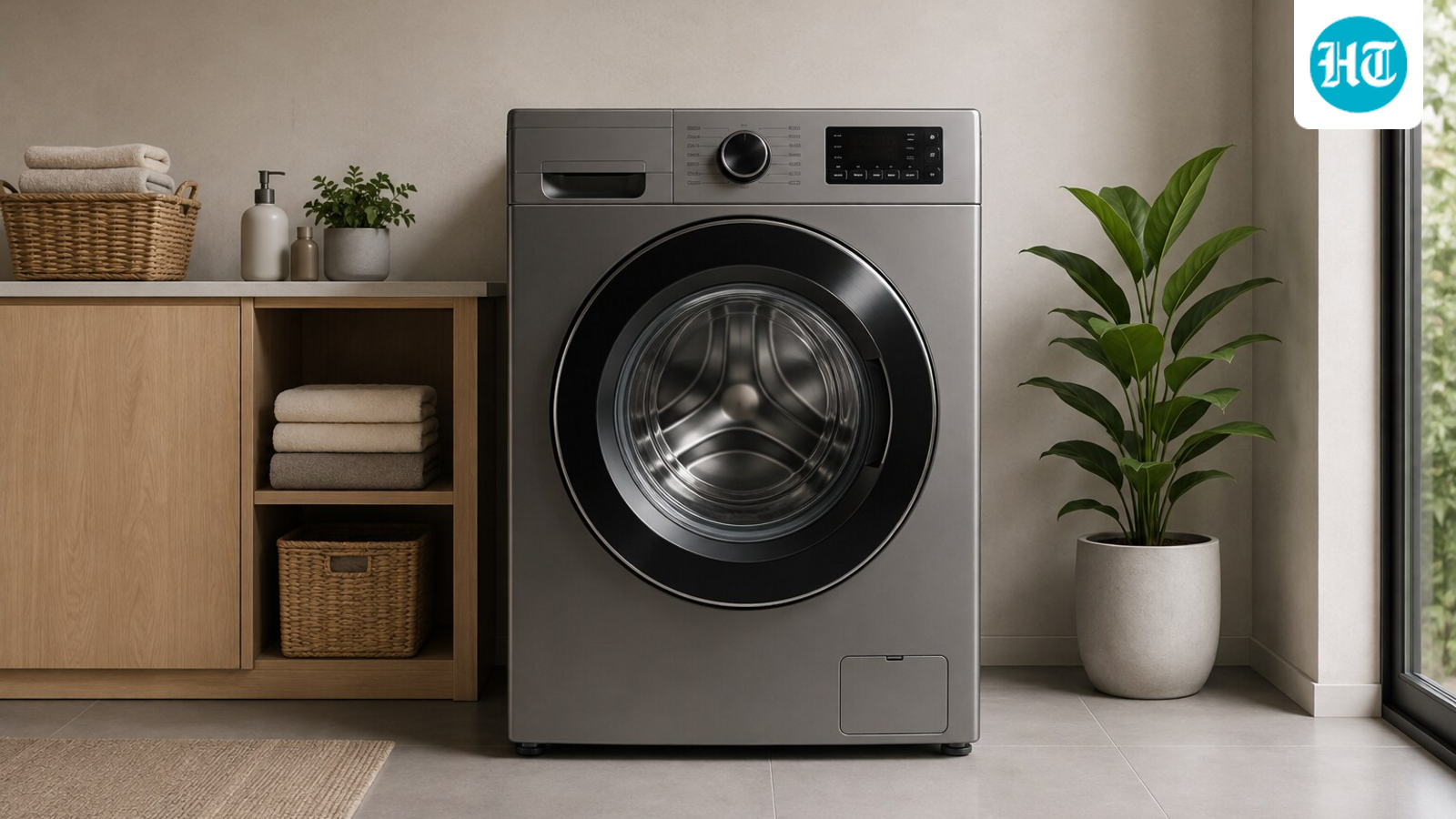
When my old top-load washing machine finally gave up, I decided to replace it with a front-load model. I expected better wash quality and gentler fabric care, but I wasn't thinking much about utility bills. A month later, while checking my electricity and water usage, I noticed something unexpected. Both had gone down compared to my usual monthly average. It wasn't a dramatic overnight difference, but the savings were enough to make me curious about what had changed.
After digging into how front-load washing machines work, the reason became clear. They use significantly less water because clothes tumble through a small pool instead of being fully submerged, and lower water usage also means less energy is needed to heat it. Over time, those small efficiencies can add up to noticeable savings. Here's what I observed after making the switch and why a front-load washing machine may cost less to run in the long term.
Where do front-load washing machines actually save water?
One of the biggest reasons I noticed a difference in my monthly water usage is how a front-load washing machine cleans clothes. Unlike a top-load machine that fills the drum with a large amount of water, a front-loader rotates the clothes through a shallow pool of water. The tumbling action does most of the cleaning, which means it needs far less water for every cycle.