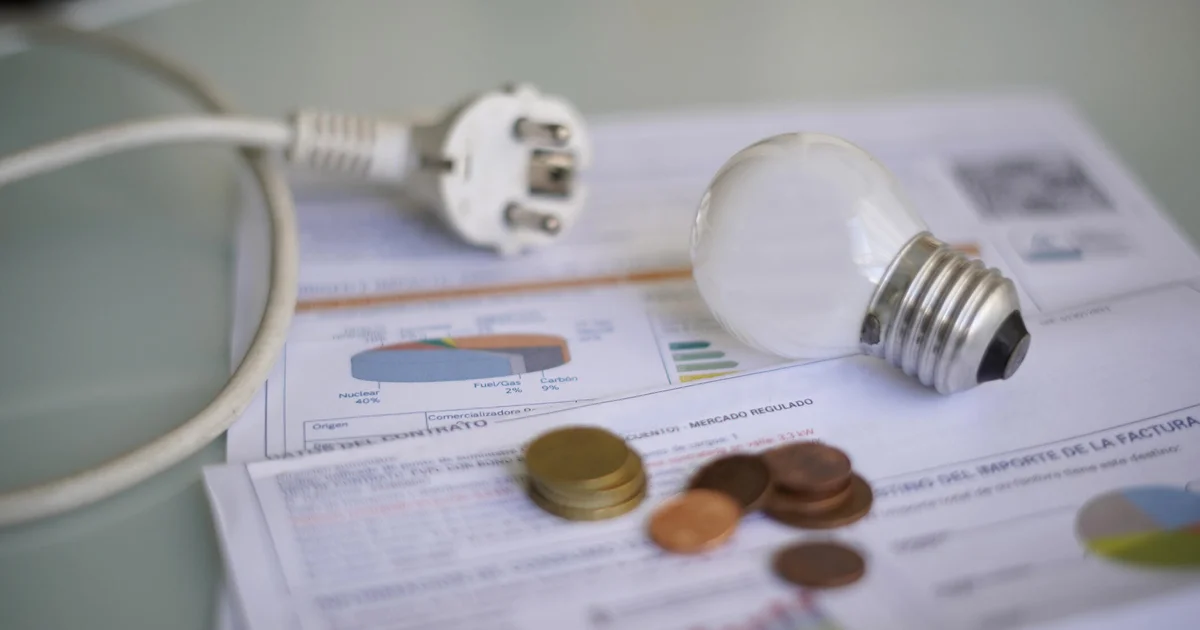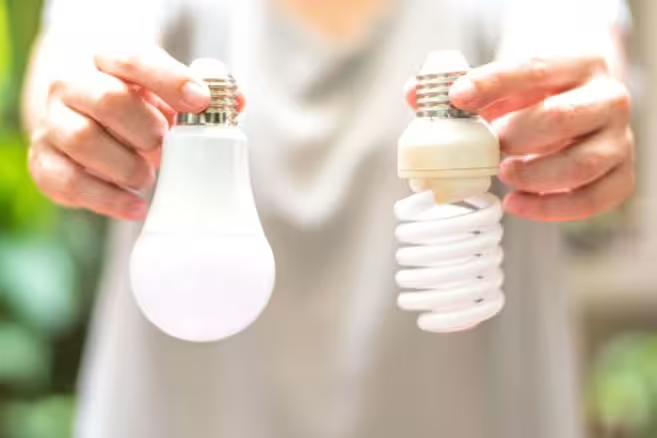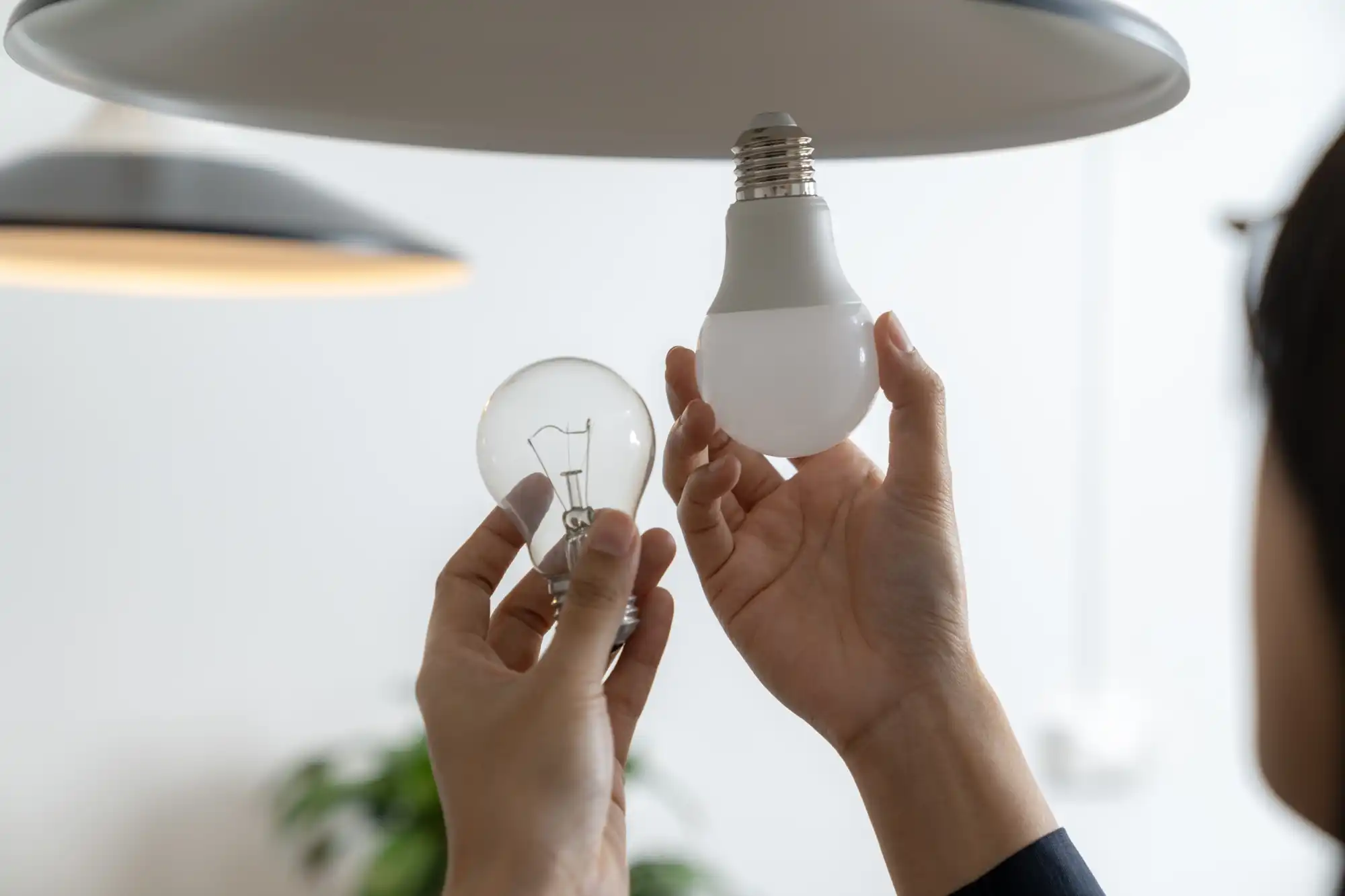
This is just one of the stories from our “I’ve Always Wondered” series, where we tackle all of your questions about the world of business, no matter how big or small. Ever wondered if recycling is worth it? Or how store brands stack up against name brands? Check out more from the series here.Lawrence G. asks: Growing up my father used to follow us around turning off the lights to save electricity and now I find myself doing it, but incandescent bulbs are a thing of the past. How much does it cost if we don’t turn off the lights and what appliance/energy usage should we be more actively trying to reduce to have the biggest impact on our power bill?Cutting off the lights doesn't save as much money as it used to. People have shifted away from incandescent bulbs, which are less energy efficient and cost more than light-emitting diode bulbs. Ninety percent of households reported using LED bulbs in 2024, according to the Residential Energy Consumption Survey. While estimates will vary depending on how often you turn on your lights, experts agree that efficient lights like LEDs don't eat into a big portion of your paycheck. "LEDs have dramatically changed the economics of lighting, and they're far cheaper than other types of light bulbs," said Cutler Cleveland, a professor of earth and environment at Boston University. "Lighting on average, in the United States, is no longer a major contributor to most household electric bills." How much money do you save by not turning off the lights? Efficient lights generally represent 10% of your power bill or less, said Destenie Nock, an associate professor of engineering and public policy at Carnegie Mellon University. "So if you had a power bill of around $200 a month, then sitting in the dark all month would save you roughly $20," Nock said. The annual cost of a single 10-watt LED bulb might cost you $1.95, compared to $11.68 for an equivalent incandescent bulb, according to estimates from SolarTech, a solar panel installation services business.What really pumps up the bill The biggest contributors to your bill: air conditioning and heating, which includes water heating, Nock said. "This is why most people find themselves in arguments over the thermostat settings and my dad would bang on the bathroom door if the shower was running long," Nock said. Beyond price, there are also important environmental concerns to take into consideration when it comes to energy use. "Electricity generation still requires power plants, many of which still burn fossil fuels," Cleveland said. "Even as the grid is becoming cleaner through more solar and wind, unnecessary electricity use generates more fuel consumption, pollution, greenhouse gas emissions and so on." But reducing energy use doesn't mean you need to necessarily sacrifice your comfort, Cleveland said. Well-insulated homes, efficient appliances, heat pumps and smart home technology can reduce energy and lower your utility bill, Cleveland said. Using blackout curtains during the summer can also help keep your house from getting too hot, Nock said. And your state may have programs that will assist you with energy bills if your income falls below a certain threshold or they may have programs that provide free or low-cost home energy assessments. You could have leaky windows, doors and baseboards; uninsulated attics; and appliances that are using electricity even when they're not in use, which can be costly, said Donna Attanasio, managing director of the George Washington University Alliance for a Sustainable Future. Replacing your air conditioner or installing solar might be cost effective, but you'd need an analysis of your home, Attanasio said.By following these tips, you might save yourself a lecture from Dad (or Mom).
How much money do you save by turning off the lights?
Not much. The major contributors to your power bill include the AC and heating.
614 words~3 min read