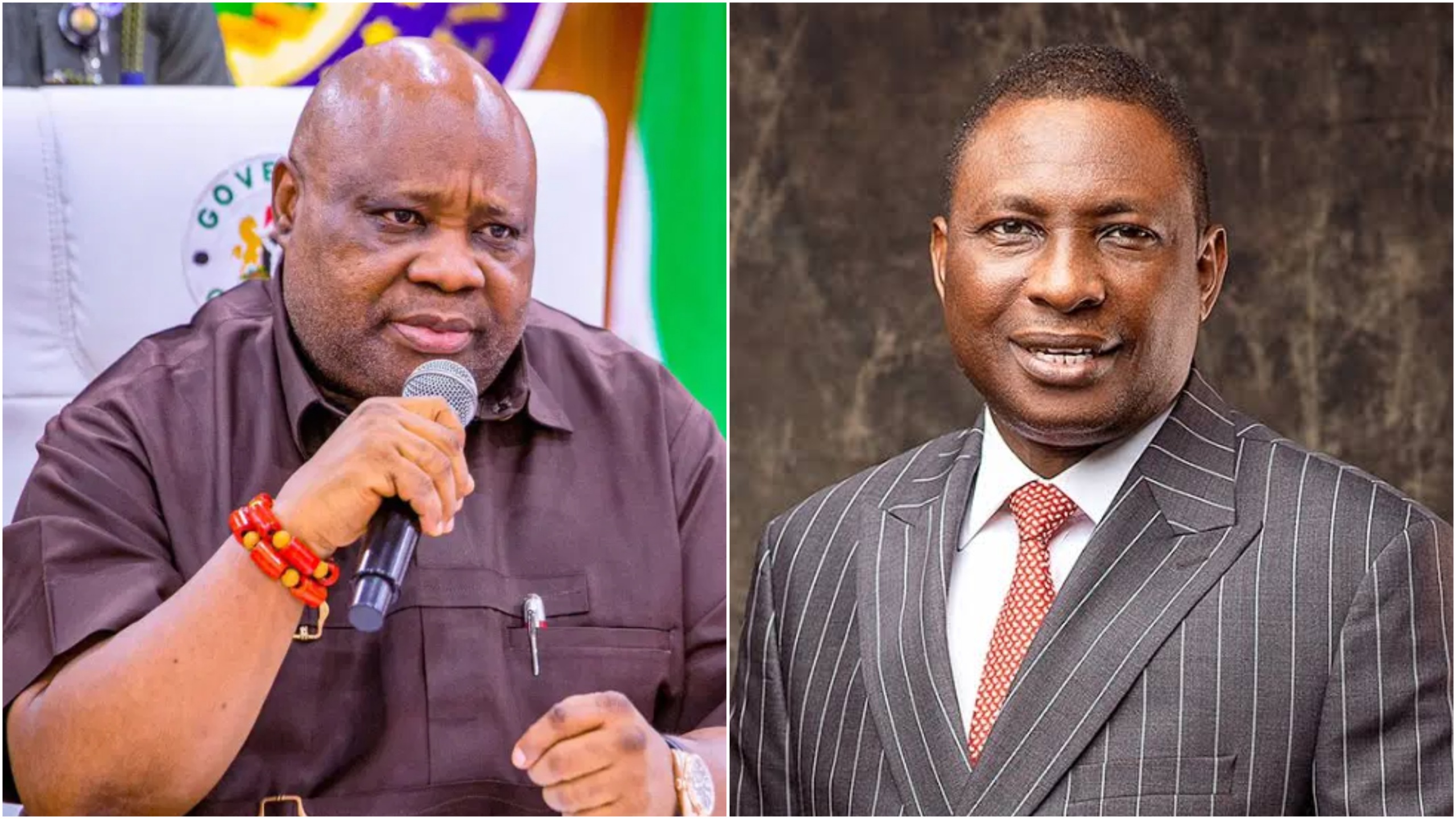
GREG JACOB argues that the EFCC acted to protect Osun’s treasury
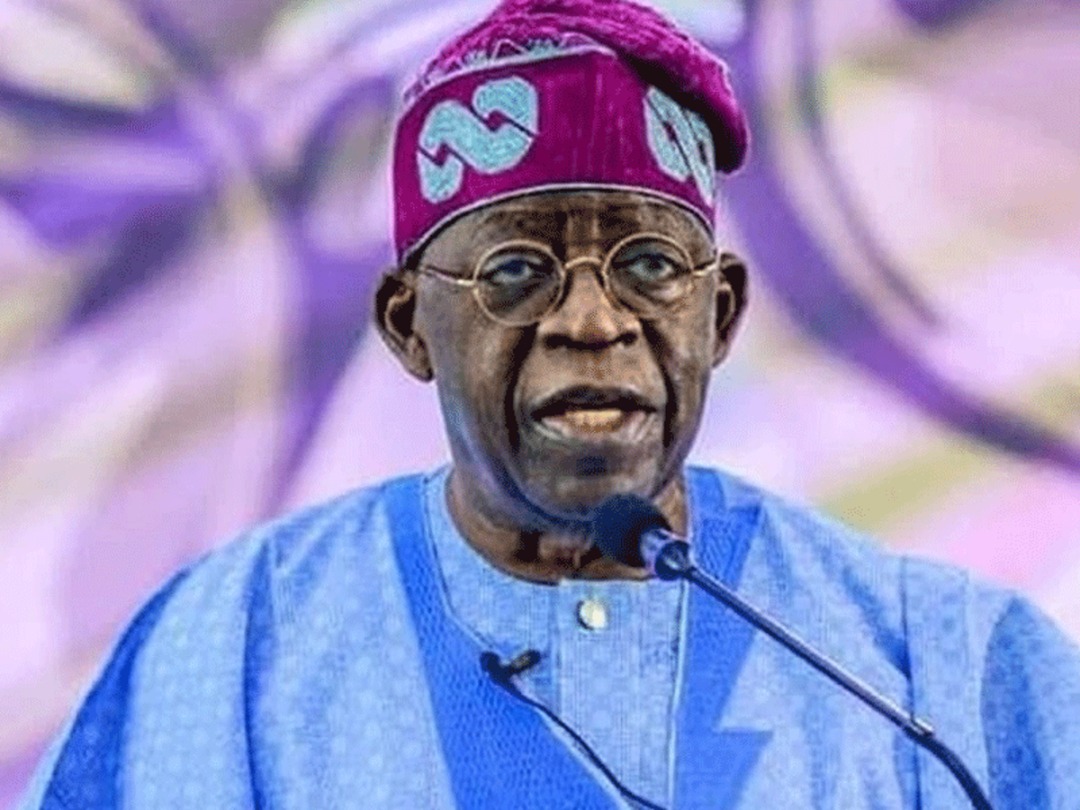
When the Economic and Financial Crimes Commission (EFCC) moved to freeze the bank accounts of the Osun State Government, the reaction was swift, loud, and predictable. Political actors called it “an attack on federalism.” Commentators also took up arms against the commission. Within 24 hours, President Bola Tinubu reversed the order.
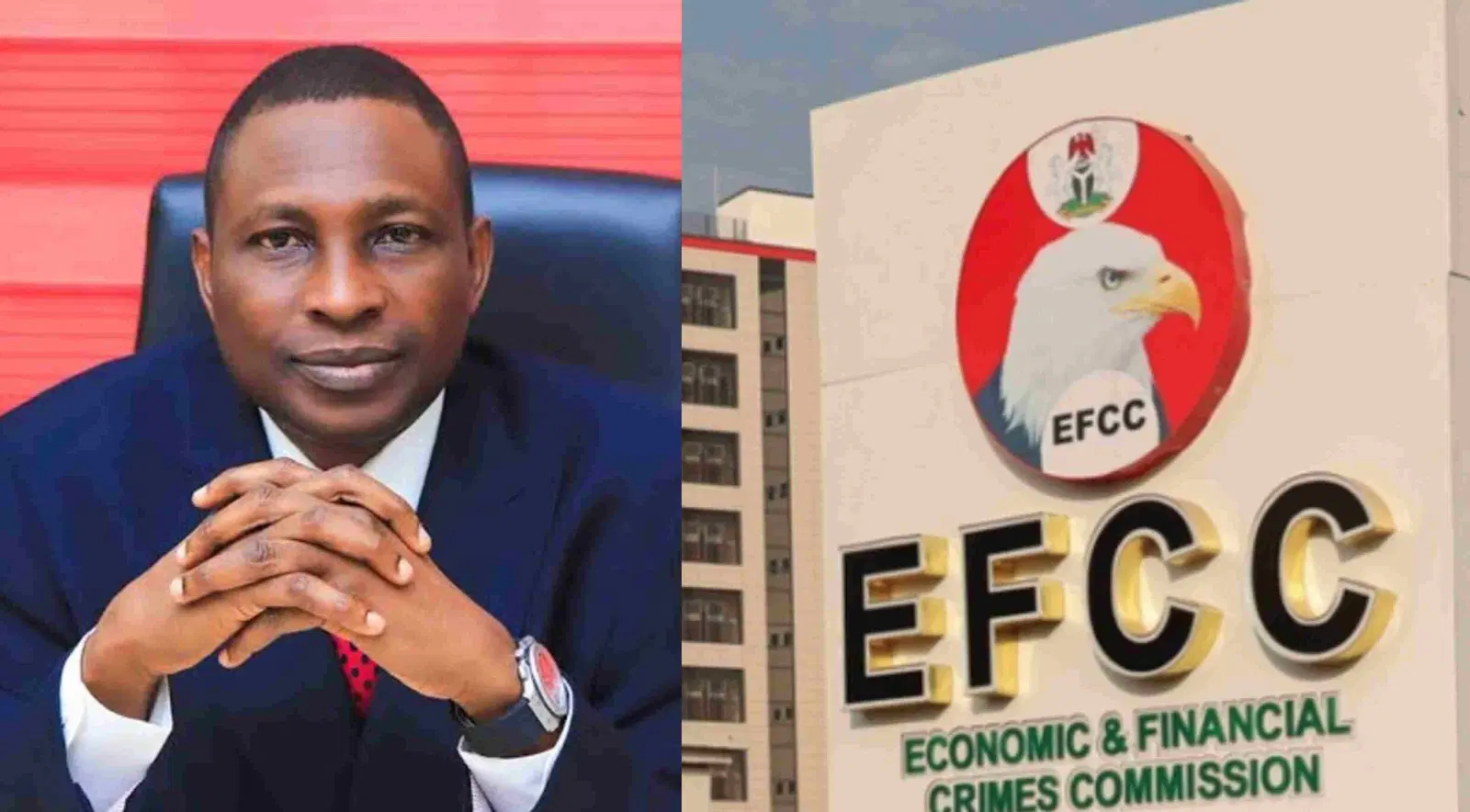
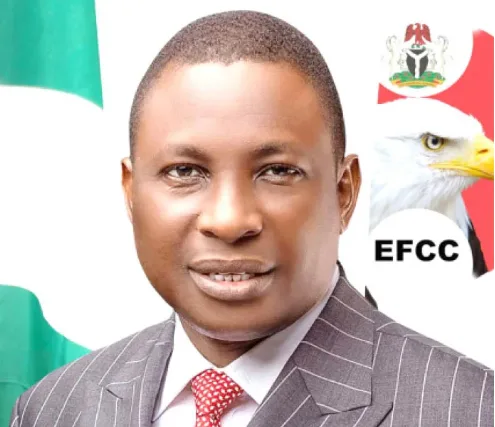
But in the noise, one fundamental question was ignored: who protects the money of the people of Osun when alarm bells ring? The EFCC Chairman did not act on a whim. He acted on duty. His mandate under Section 6 of the EFCC Act 2004 is clear: to prevent, investigate, and prosecute economic and financial crimes.
Freezing accounts is not a conviction. It is not a punishment but a preventive, temporary measure — the financial equivalent of securing a crime scene until investigators finish their work. To condemn that action is to condemn the very idea of accountability.
Democracy is expensive. Salaries, pensions, healthcare, road contracts, and school feeding programmes all depend on one thing: that public funds remain public. Once money leaves the state coffers into questionable channels, it rarely comes back. This is why the law gives the EFCC the power to place a hold on suspicious transactions. The intent is simple: Pause first, audit second, prosecute third if necessary. A freeze protects evidence, it protects workers who are waiting for wages. It protects pensioners who have served the state for 35 years as well as the next generation that will inherit Osun’s debt or development.