Show Caption
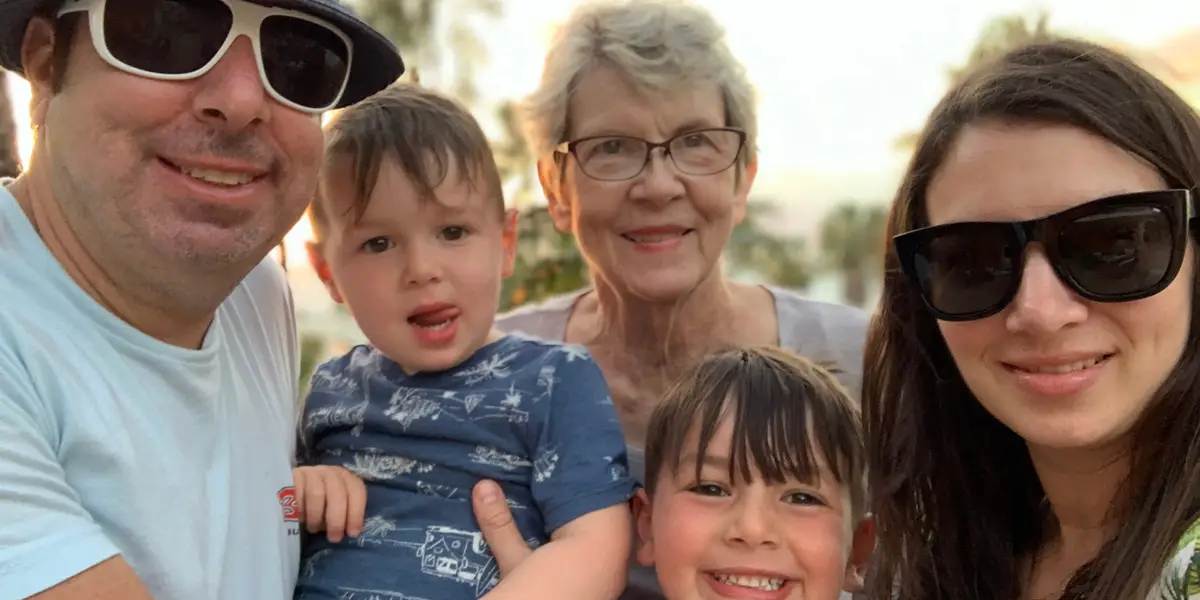
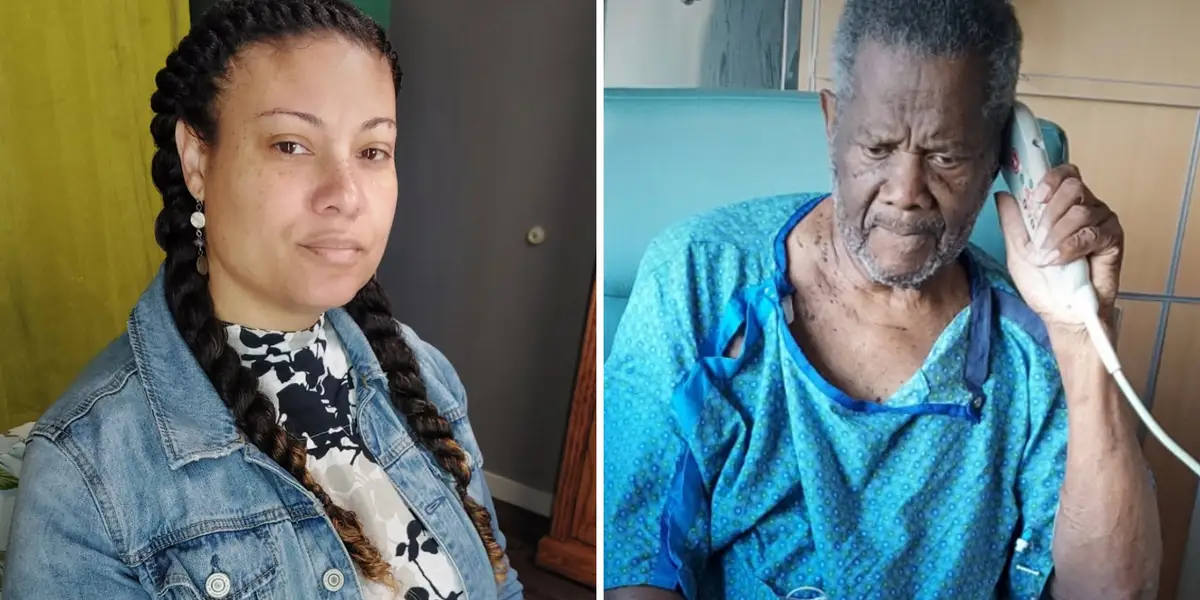
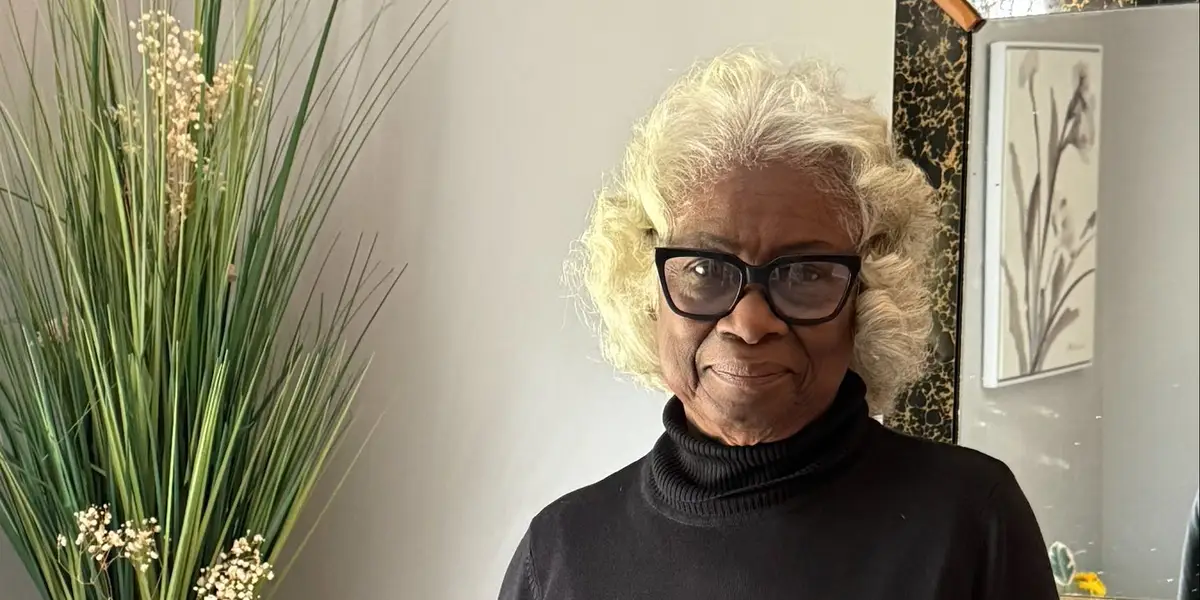
Judith Sherwood, 62, knew the foreclosure notice was coming. She just didn't know when.She'd been in the throes of caregiving for 13 years leading up to her mother's death in 2022. Sherwood, who moved back into her childhood home in 2009 to care for her mother, said her mom took out a reverse mortgage on her ranch-style New Jersey house years ago, to help pay for her medical needs. Sherwood still lives in the home with her daughter and her daughter's family."The first year of losing my mom, it was a big change, you know, for me and for everybody," Sherwood said. "We just thought, well, we're going to work, we're going to save, and then when they ask us to leave, we'll have enough money to be able to go somewhere. So we've continued paying all the utilities here."The waiting game ended July 2. The notice, from a contractor for the U.S. Secretary of Housing and Urban Development, said Sherwood owed more than $540,000, "to avoid initiation of foreclosure proceedings." Despite working for the four years since her mom died, Sherwood doesn't have close to that, and said even refinancing a mortgage rate on a gross sum that high is out of reach for her family."I'm a Christian. I have strong faith. And I'm willing to accept whatever the plan is," Sherwood said, adding, "I wish we planned it better."There are 63 million caregivers in the United States, according to the Caregiving in the US 2025 report from AARP and the National Alliance for Caregiving, and 36% of caregivers for older Americans live with their care recipient. Caregivers like Sherwood report mass burnout, financial strain and deterioration of their own physical and mental health from the stress of providing constant care. And because some caregiving responsibilities are so intense, many caregivers say there's no way to plan for their futures while they are in the thick of caregiving. The cost of care, coupled with immense grief when the person they cared for dies, often leaves families reeling without a safety net."(I was) hyper-focused on my mom's needs, not my needs," Sherwood said. "I don't think I saw down the road."Generations of caregivers under one roofSherwood quit her job and moved in with her mother when her mom was paralyzed after receiving an epidural for back pain in 2009. "For the first three years, I did it all myself," she said. She changed her mother's catheter, gave her medicine three times a day, drove her to and from doctor's visits and rehab appointments, bathed her, cooked her meals and resituated her legs regularly to keep her comfortable, "otherwise she'd get bed sores.""My mom wouldn't leave her side," said Shaylynn Jones, Sherwood's daughter.Jones, 38, saw the toll caregiving was taking on her mom, and decided to move her own family into her grandmother's house so she could help out, too. They worked sporadically, Sherwood in real estate and Jones as a nail artist, and Sherwood's mom paid for their essentials. Jones's husband worked, too. But over those 13 years of intense, 24/7 caregiving, no one in the family was thinking about their long-term finances or what might come after their caregiving journey was over."There was so much going on with her health," Jones said, adding that she didn't know what a reverse mortgage was in her early 20s. "I was young, so I didn't pay attention to that."A reverse mortgage allows senior homeowners to convert part of their home equity into cash while continuing to live in their home, according to the National Council on Aging. Reverse mortgage loans typically don't need to to be repaid until the homeowner moves out, sells the home or dies.It's not uncommon for caregivers to take a financial hit while caring for a loved one. In a survey of more than 1,000 middle-aged American caregivers by Western & Southern Financial Group, 70% said they have made a financial sacrifice to cover the cost of care and 74% said they made workplace sacrifices. Still, many caregivers like Sherwood and Jones say they don't regret it. In a survey of 2,000 sandwich generation caregivers from Comfort Keepers, an in-home senior care provider, 92% said caring for an aging loved one brings both joy and emotional strain, and 73% said they would not choose to do things differently.When Sherwood's mother died, the grief was overwhelming. "She was my best friend," Sherwood said. She cycled through several jobs, some with better pay than others. She works as a paraprofessional at a school now, and while she enjoys the work, it's not enough to buy her mom's house back. She still works in real estate on the side.Jones said a panic set in when her grandmother died, because that's when Jones realized they could lose the house. "I was desperate, trying to make an income," she said. She made some money delivering food orders and then trained to be a home health aide, to honor her grandmother.They want to stay in the family home together, but know it's not likely. Sherwood said she's "grown quite attached to it," even though the house needs several updates and repairs, including a new air conditioning system."Everybody's lived in this house at one time or another, because that's the way my mom was. She took everybody in," Sherwood said.'So much else to worry about.'Sherwood is getting an appraiser to come to the house, to see if the value of the home is less than what's currently owed. Sherwood, her daughter and her son-in-law are looking for other, more affordable homes together, too."I'm just trying to weigh out all my options," Sherwood said. "It's a little scary, because I don't know what's going to happen."Jones, who has two young daughters, is worried about what comes next. Her daughters receive specialized services at school, and a potential move to a new school district threatens their stability."There was really no preparation," Jones said. "We were just (living) day to day for Nanny, you know. There was no time to save. Emotionally, caring for somebody, that's the least on your mind, is what's going to happen when she passes, because there's so much else to worry about."Madeline Mitchell's role covering women and the caregiving economy at USA TODAY is supported by a partnership with Pivotal and Journalism Funding Partners. Funders do not provide editorial input.Reach Madeline at memitchell@usatoday.com and @maddiemitch_ on X.