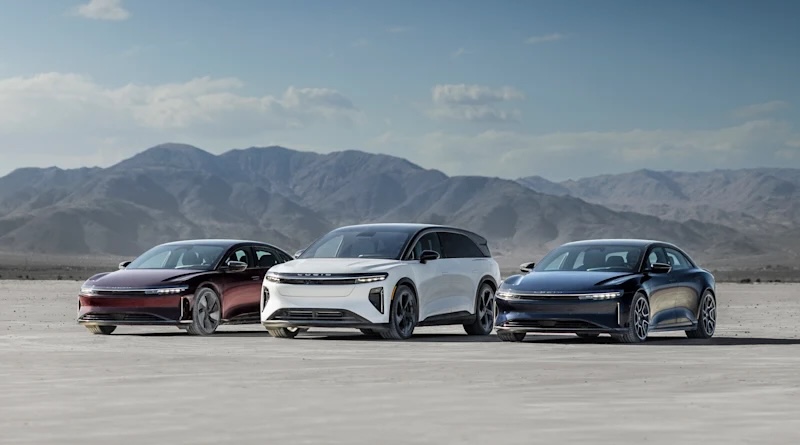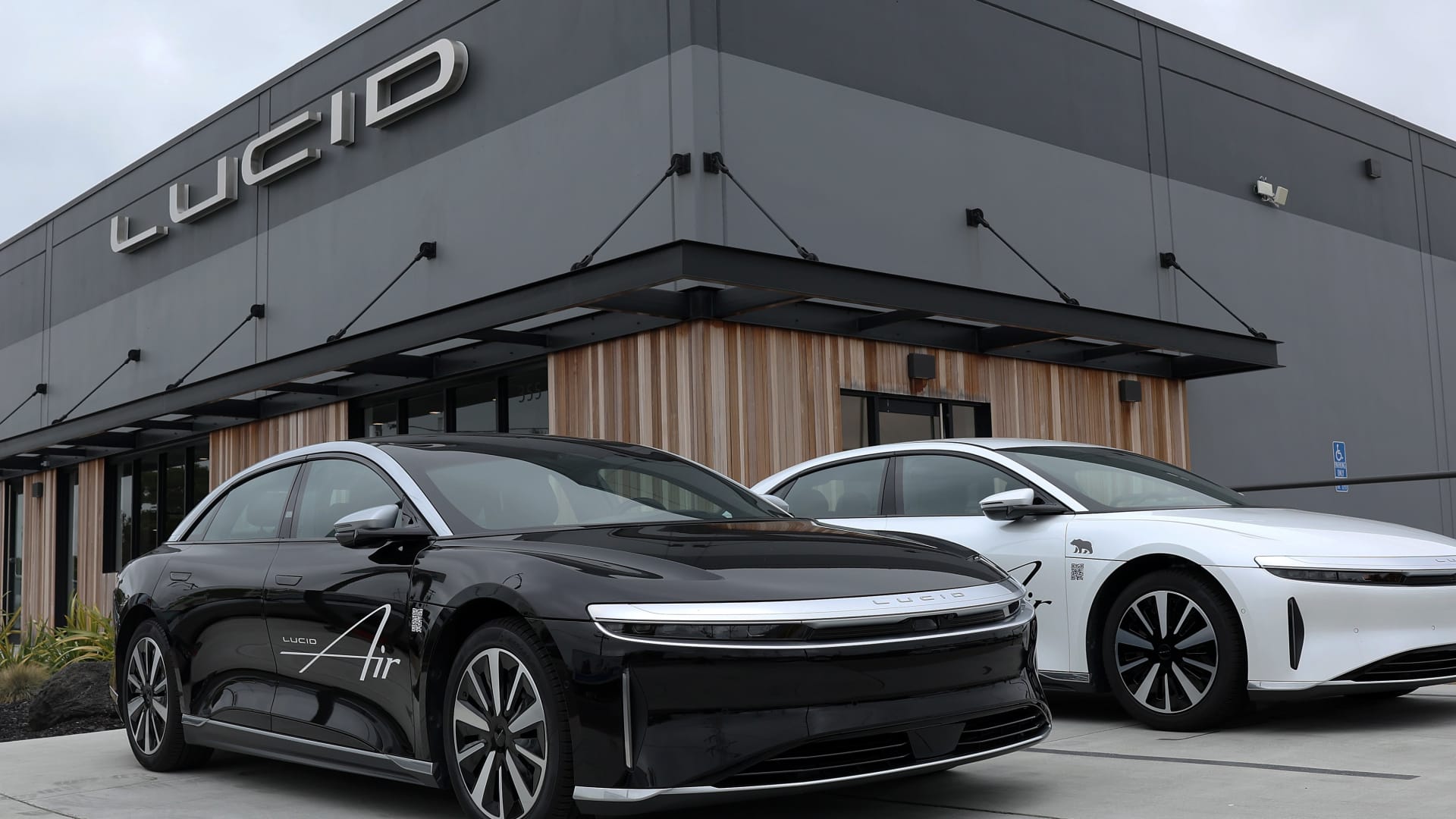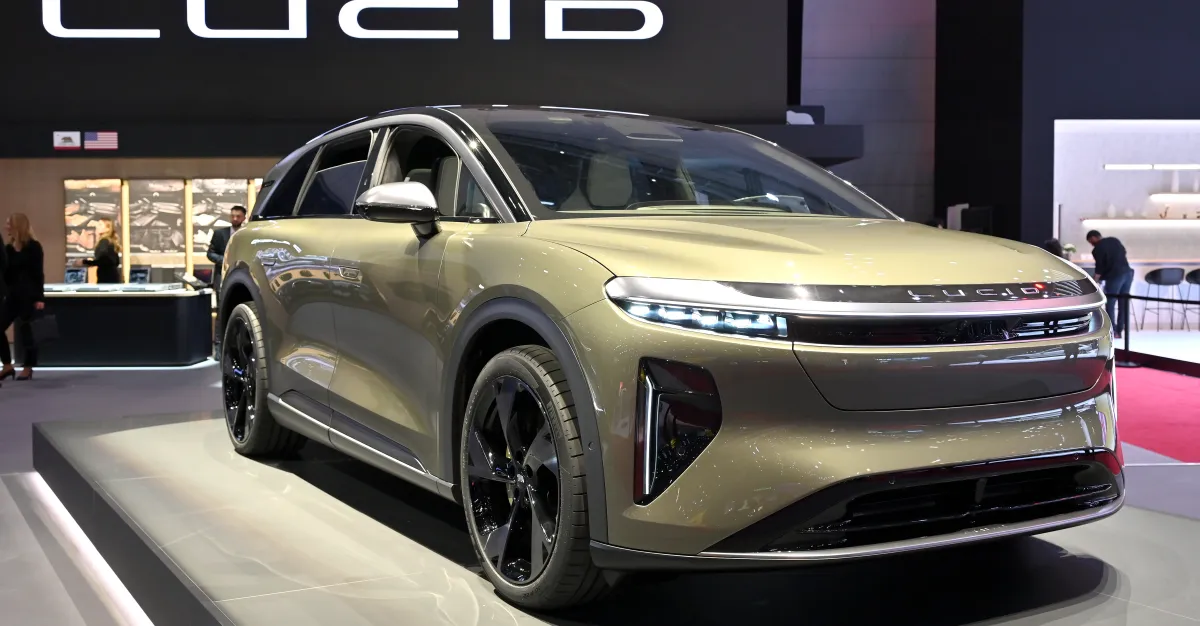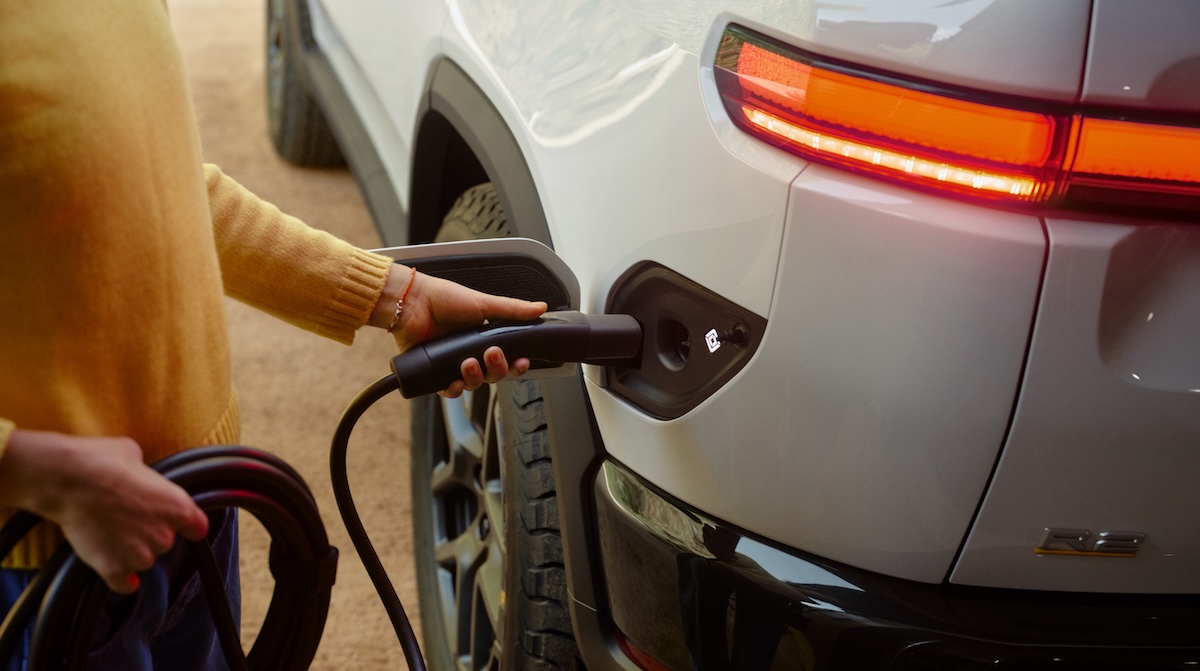
Five years ago, Rivian and Lucid were almost always mentioned in the same breath. They were America's best-funded EV startups, each backed by deep-pocketed investors and promising to challenge Tesla from different angles. They were founded around the same time too, a few years after Tesla in the late 2000s. They both went public in 2021, and even started delivering their first products within weeks of one another that fall. Both the Rivian R1T pickup and Lucid’s Air sedan won massive acclaim from reviewers at the time for their awe-inspiring performance and high-tech feel. Both companies went on to burn billions of dollars chasing a goal that's turned out to be much harder than building a great electric car: becoming a real, sustainable automaker.
In 2026, Rivian and Lucid are still peers, of course, as rare U.S. electric car startups that managed to get to production without crashing and burning first. But the challenges they face have never been more distinct. Rivian has a popular flagship product, a powerful brand image, and a volume product that's already reaching consumers. Lucid has two slow-selling, high-end products and is fighting to stay afloat long enough to get to its next big break.