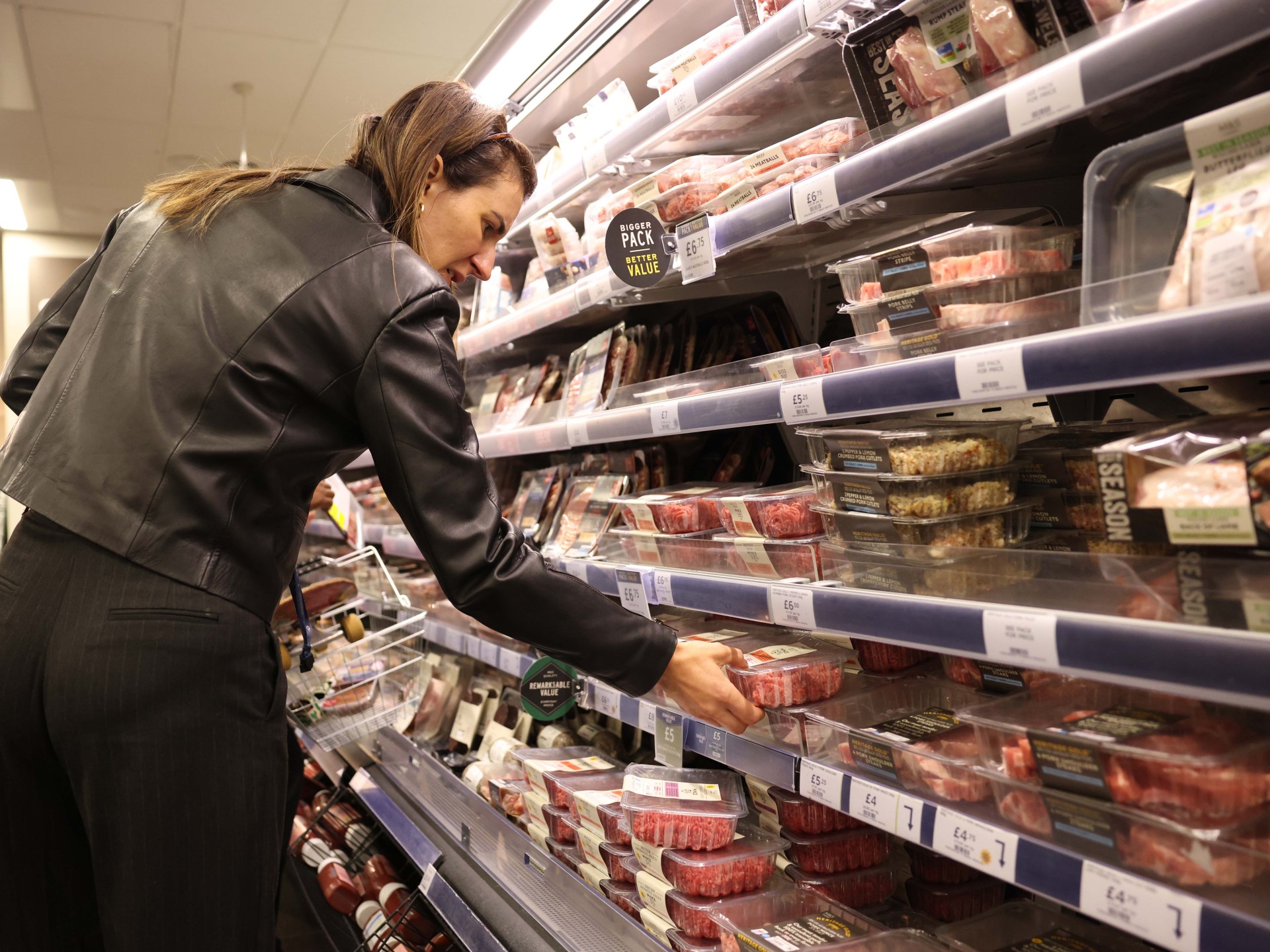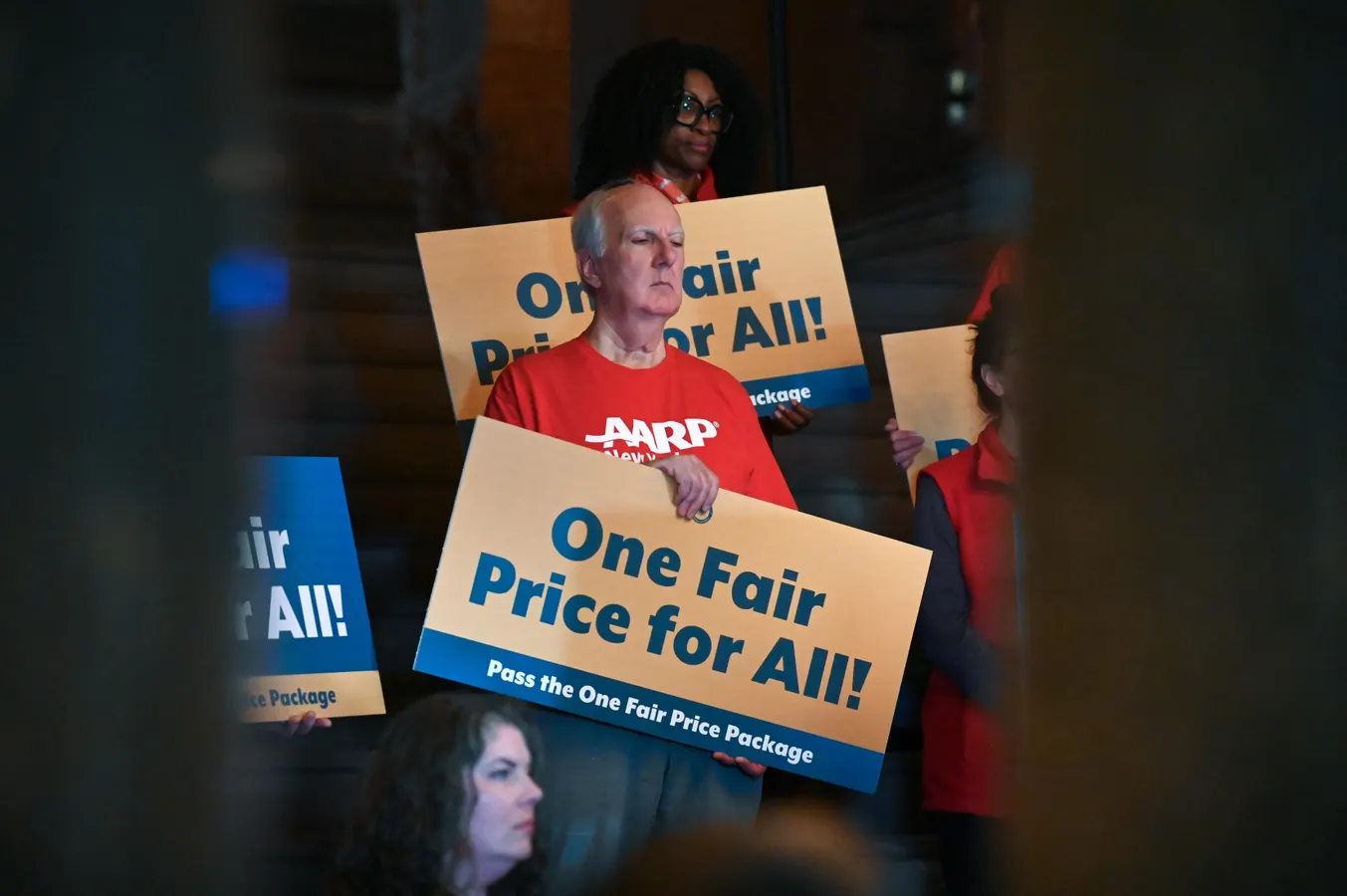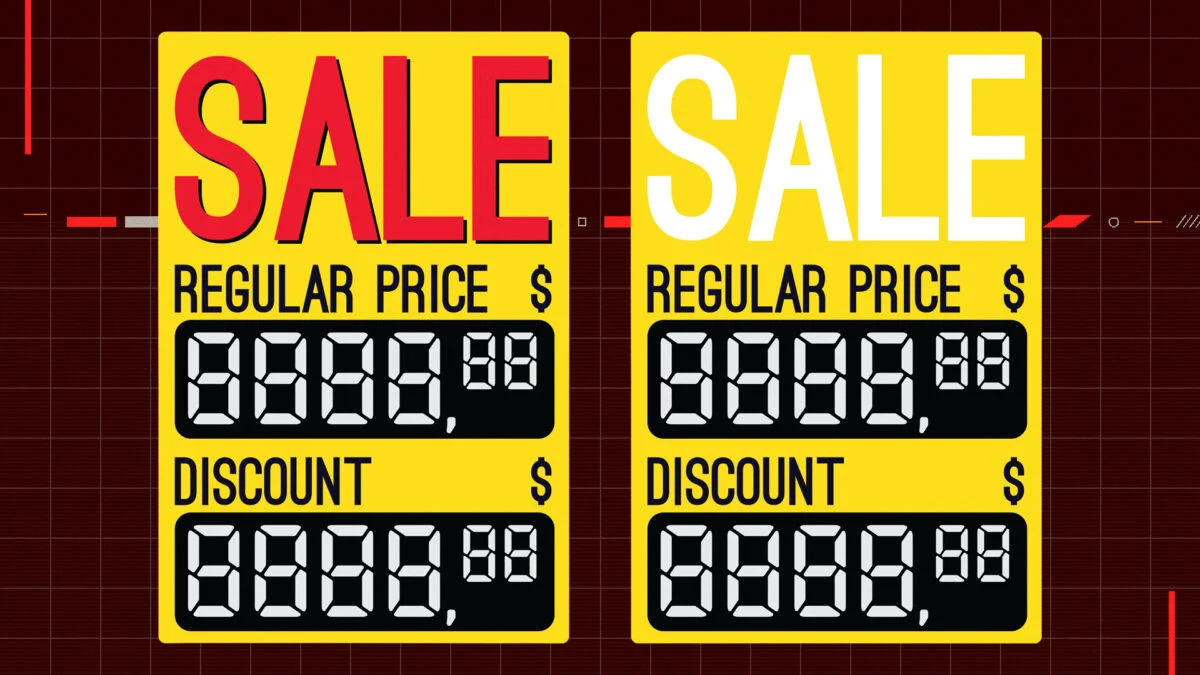
Companies have always tried to wring every last dollar out of customers. That’s capitalism at its most basic. But modern tech has turned that ordinary greed into something more invasive and predatory, giving businesses the power to track, profile, manipulate, and squeeze people with a level of precision that used to be impossible, and people are fighting back. You’ve probably heard the term surveillance pricing by now. Or dynamic pricing. Or personalized pricing. Maybe you’ve heard of electronic shelf labels (ESLs) that can change the price of goods in a split second from thousands of miles away. Hypothetically, all of that can be paired with AI to really squeeze each customer. There’s no shortage of jargon for the way life in the 21st century has been carved up into personalized offers, prices, ads, services, and experiences, all shaped by the personal data companies collect from us every day. But is surveillance pricing the same thing as dynamic pricing? What about surge pricing, like with Uber? And what other terms are used that may be in the same universe but mean slightly different things? We’re here to help answer those questions for you.
Surge Pricing It makes sense to start with surge pricing, given that it’s a term most Americans have probably experienced firsthand. You open Uber and plug in the address where you’d like to travel. You see the price and, for whatever reason, maybe you don’t want to leave just yet and do the same thing an hour later. The price has tripled, thanks to what’s been dubbed surge pricing.