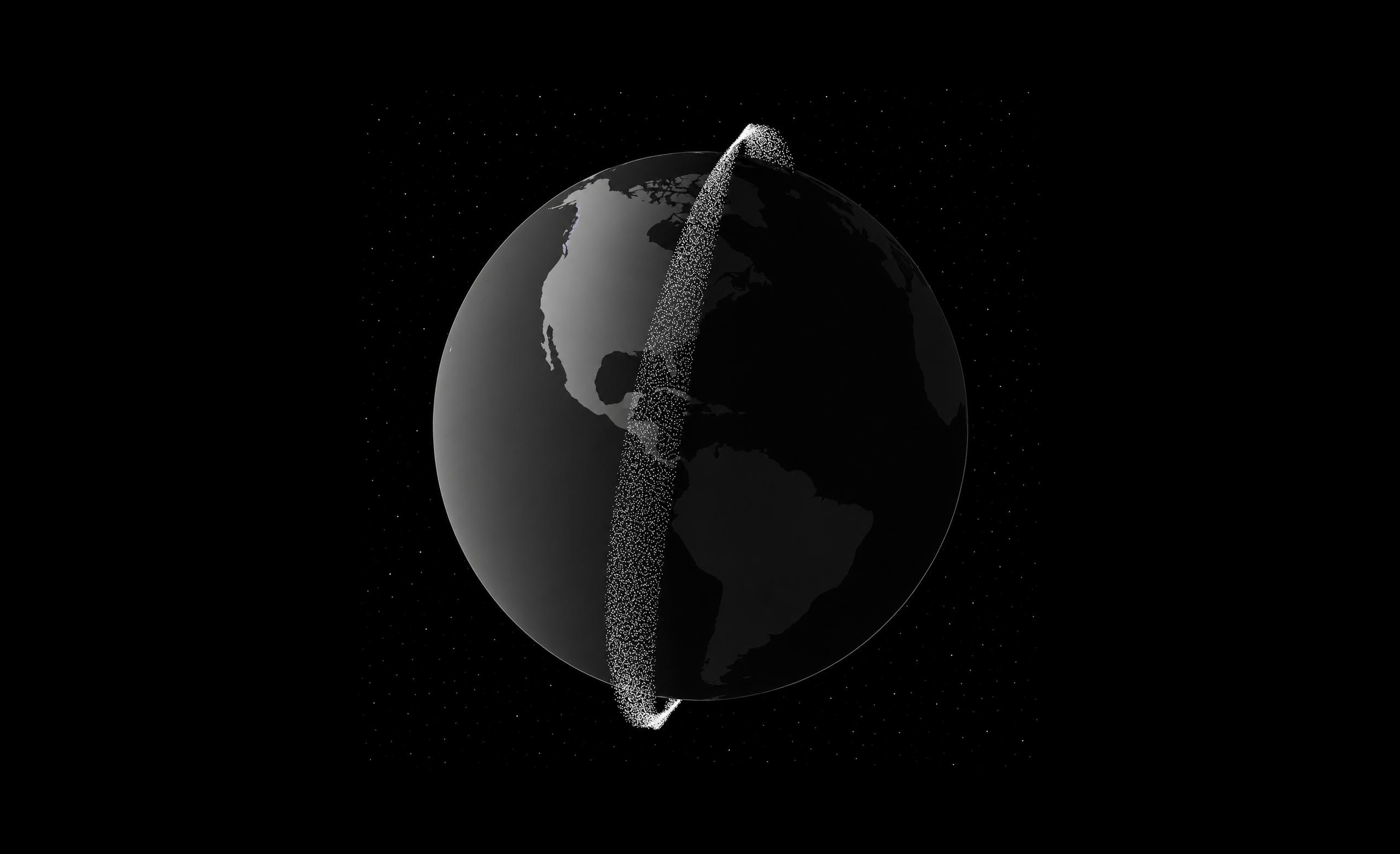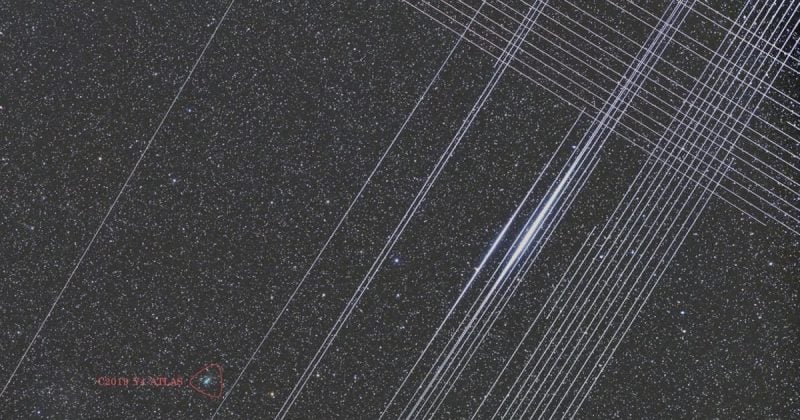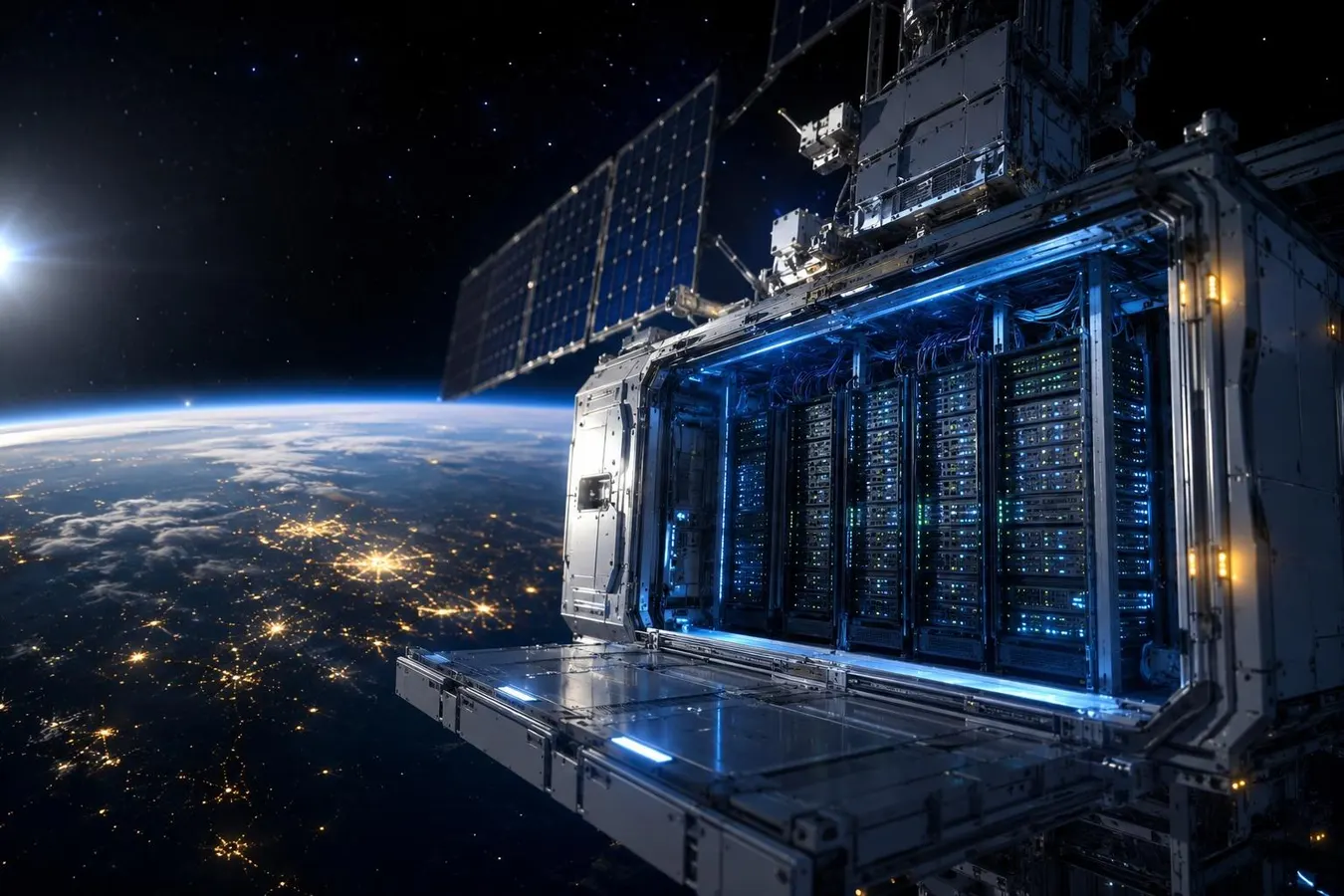
An Intel patent application published on August 6, spotted by Patentlyze, describes an orbital data center architecture that moves some of the computing used to operate massive satellite constellations off the ground and into space. The architecture proposes a two-tier satellite network in which a small number of more powerful satellites in higher orbits manage large constellations of relatively simple satellites in low-Earth orbit, handling much of the computing and constellation coordination normally performed by data centers and network operations centers on the ground.The application, US 2026/0230175 A1, is a continuation of an earlier Intel filing that was granted as US 12,542,604 B2 in February.Go deeper with TH Premium: AI and data centersIntel’s proposed architecture is a different proposition from the orbital AI data centers now being pursued by companies such as SpaceX and Google, which aim to move AI compute itself into low-Earth orbit. SpaceX’s planned AI1 satellite and Google’s Project Suncatcher both envision running large-scale computing workloads in space, with the resulting data beamed back to Earth over high-bandwidth optical links. Intel’s orbital data centers, on the other hand, are designed primarily to serve the satellite network itself, acting as higher-orbit compute and control hubs for the much larger constellations operating below them.In large LEO constellations such as Starlink, Telesat Lightspeed, and Amazon’s Project Kuiper, thousands of satellites are constantly moving relative to one another and the Earth. While the satellites perform their individual tasks, the network itself still has to determine how traffic is routed, which satellites and links should communicate, how spectrum is allocated, and how the constellation responds to failures, interference, weather, and other changing conditions. Much of that network planning and control processing is traditionally handled by computers on the ground, with routing and operational instructions calculated at terrestrial network operations centers and then transmitted back up to the satellites.
Intel's proposed orbital data centers would manage thousands of simple LEO satellites — two-tier network puts the brains of satellite constellations in higher orbit
The proposed architecture is a different proposition from the orbital AI data centers
602 words~3 min read