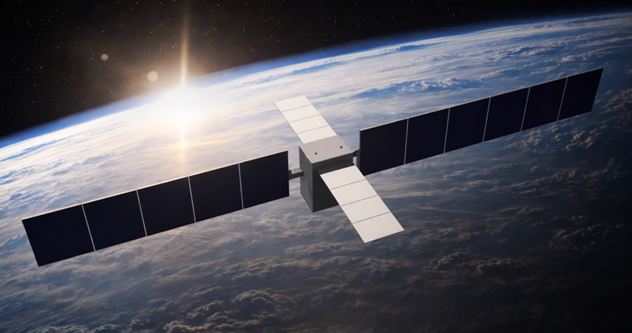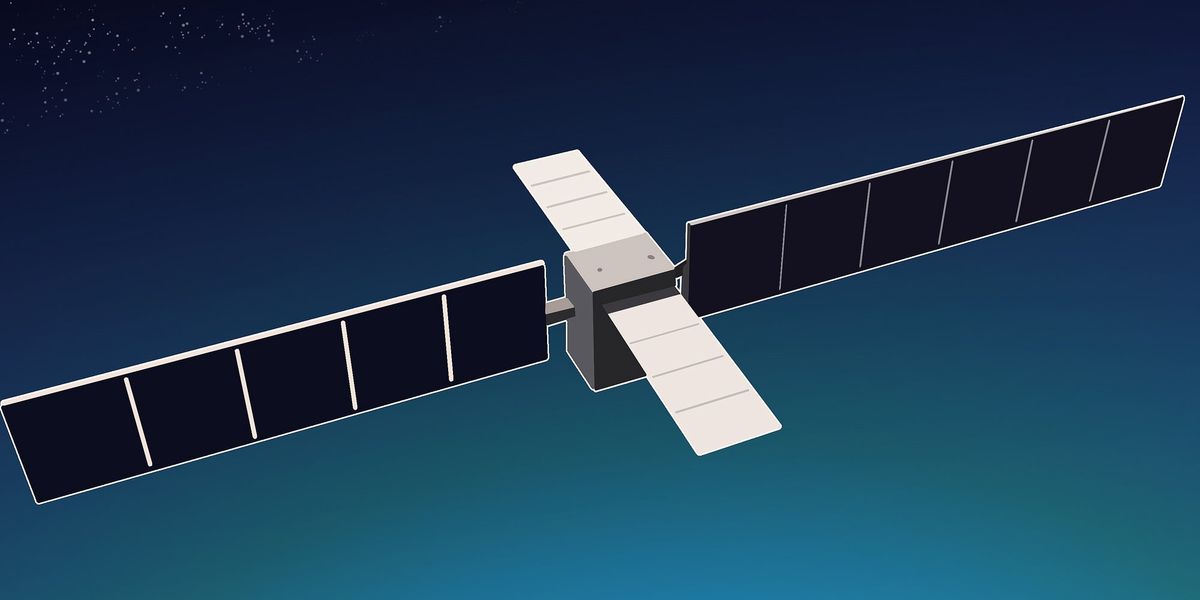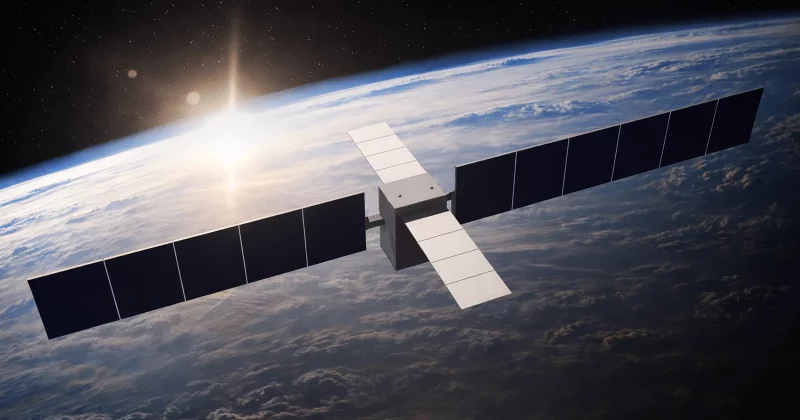
SynopsisA US startup, Orbital, is looking to set up space-based data centres to meet the surging demand for AI computing power. The company aims to launch its first data centre satellite next year, with plans for 100,000 satellites in low Earth orbit to deliver 10 gigawatts of compute. Orbital plans to scale up deployment towards the end of the decade when the SpaceX-owned Starship will come online and significantly reduce the launch cost, Poon said.AgenciesIt sounds like science fiction, but US-based satellite startup Orbital is looking to set up data centres in space that may power responses given by chatbots as artificial intelligence (AI) drives an unprecedented demand for computing power. Orbital founder and CEO Euwyn Poon told ET it plans its first data centre satellite launch next year on a shared payload. The company has filed an application with the Federal Communications Commission (FCC) seeking clearance to have 100,000 satellites in the low earth orbit (LEO) between 500 to 800 kilometres to deliver 10 gigawatts of compute to help process AI workloads.ETtech
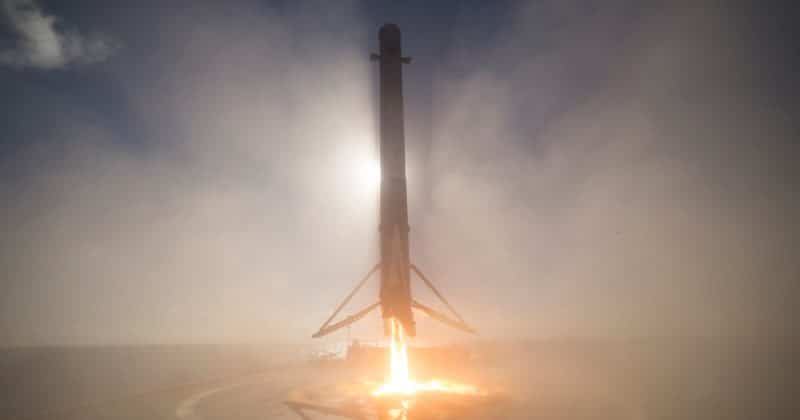
Orbital plans to scale up deployment towards the end of the decade when the SpaceX-owned Starship will come online and significantly reduce the launch cost, Poon said. “I actually agree that large-scale infrastructure, the kilometres-wide kind, is still science fiction in space today,” he told ET. “But what's practical now is what Starlink already demonstrates: you can put up small satellites — 10,000, 50,000, 100,000 of them — as Starship brings launch costs down. They’re large, yes, but not crazy large. So, the confusion is really about scale.” ...moreElevate your knowledge and leadership skills at a cost cheaper than your daily tea.Subscribe Now