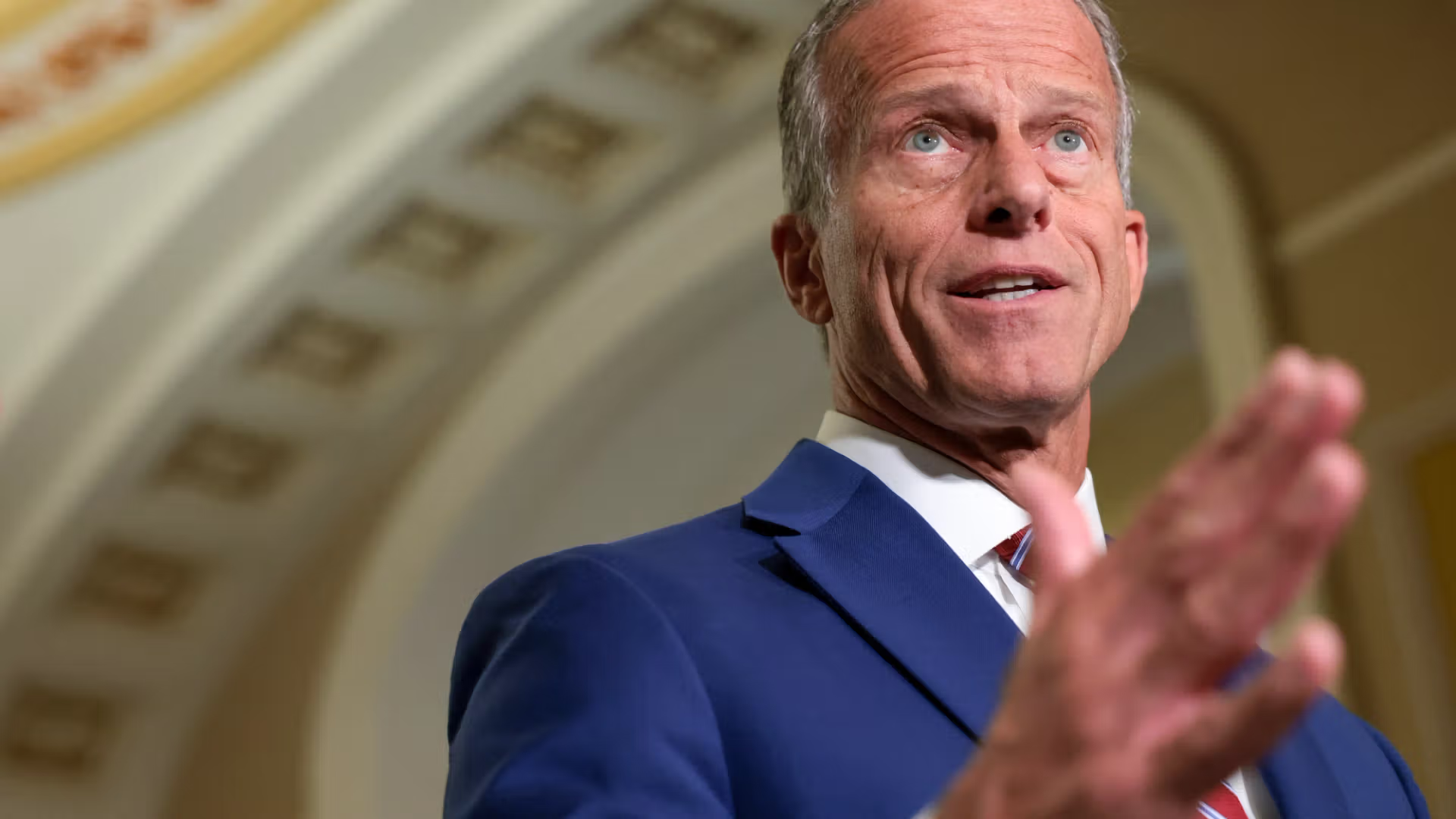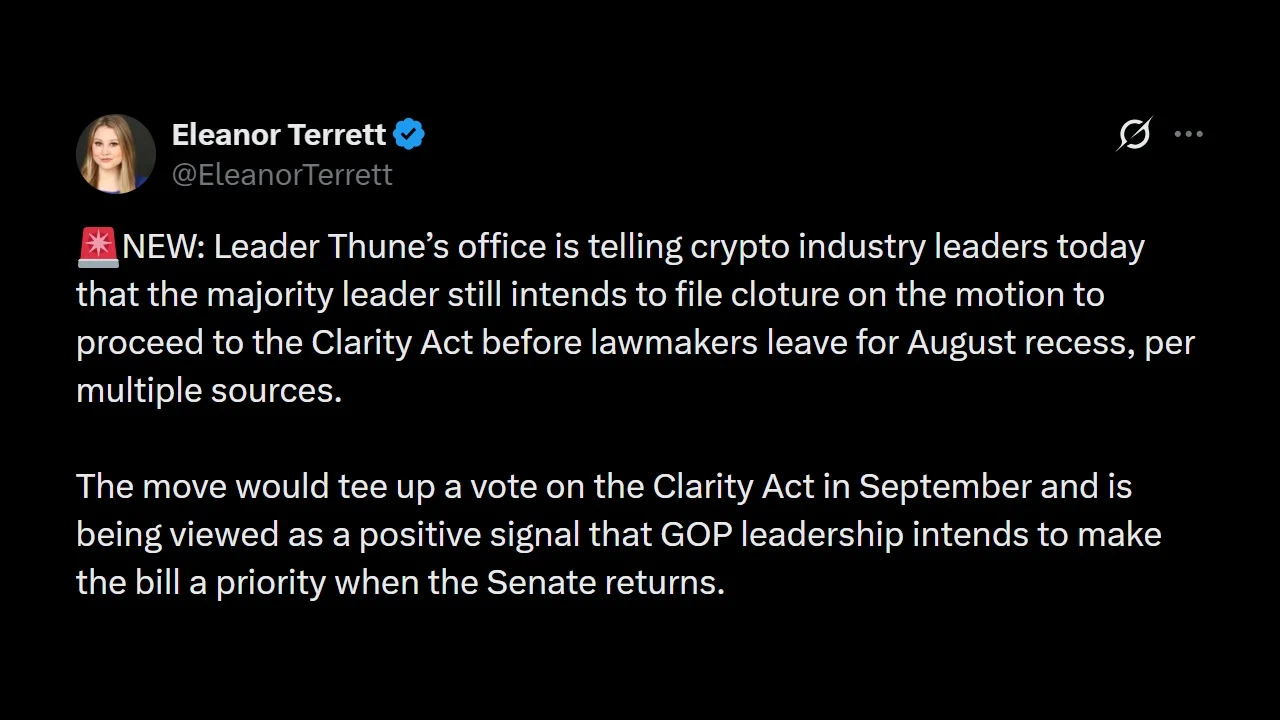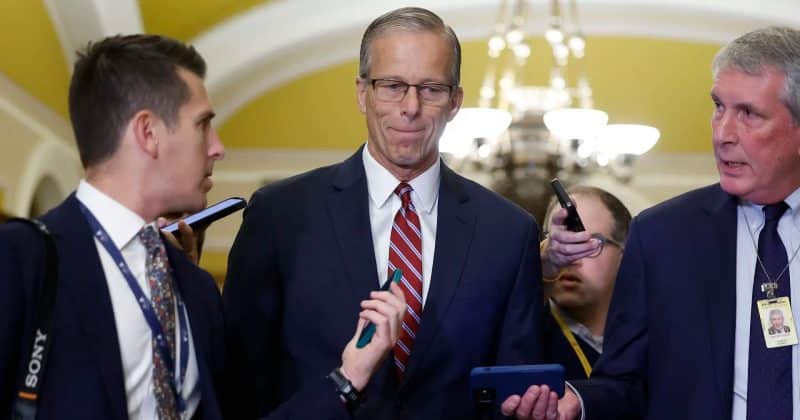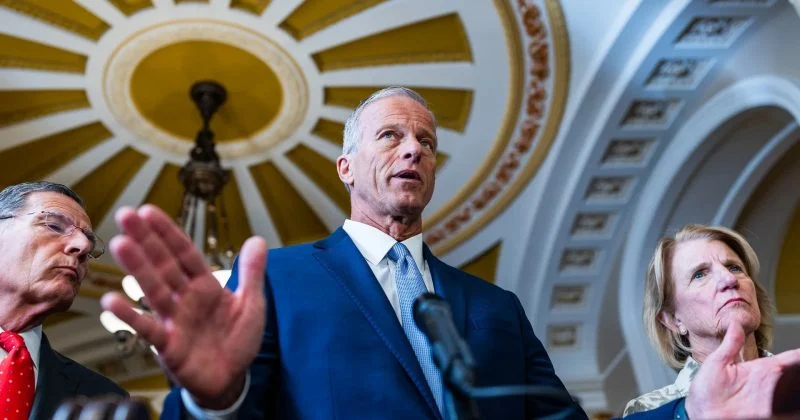
Senate Majority Leader John Thune has filed a cloture motion on the Digital Asset Market Clarity Act, setting the stage for a full Senate vote in September. The procedural maneuver, which requires 60 votes to end debate and advance the bill, represents the most concrete step yet toward giving the crypto industry the regulatory framework it has spent years lobbying for.
The Clarity Act passed the House with bipartisan support back in July 2025, then cleared the Senate Banking Committee on a 15-9 vote in May 2026. Filing cloture after the August recess means Thune is betting he can whip enough votes to clear the 60-vote threshold when senators return in September.
What the Clarity Act actually does
At its core, the bill tries to answer a question that has plagued crypto since regulators first started paying attention: is a digital asset a security or a commodity? The answer determines which regulator gets to police it.
The Clarity Act draws a line down the middle. The SEC would retain authority over tokens that function as securities, while the CFTC would oversee those classified as commodities.