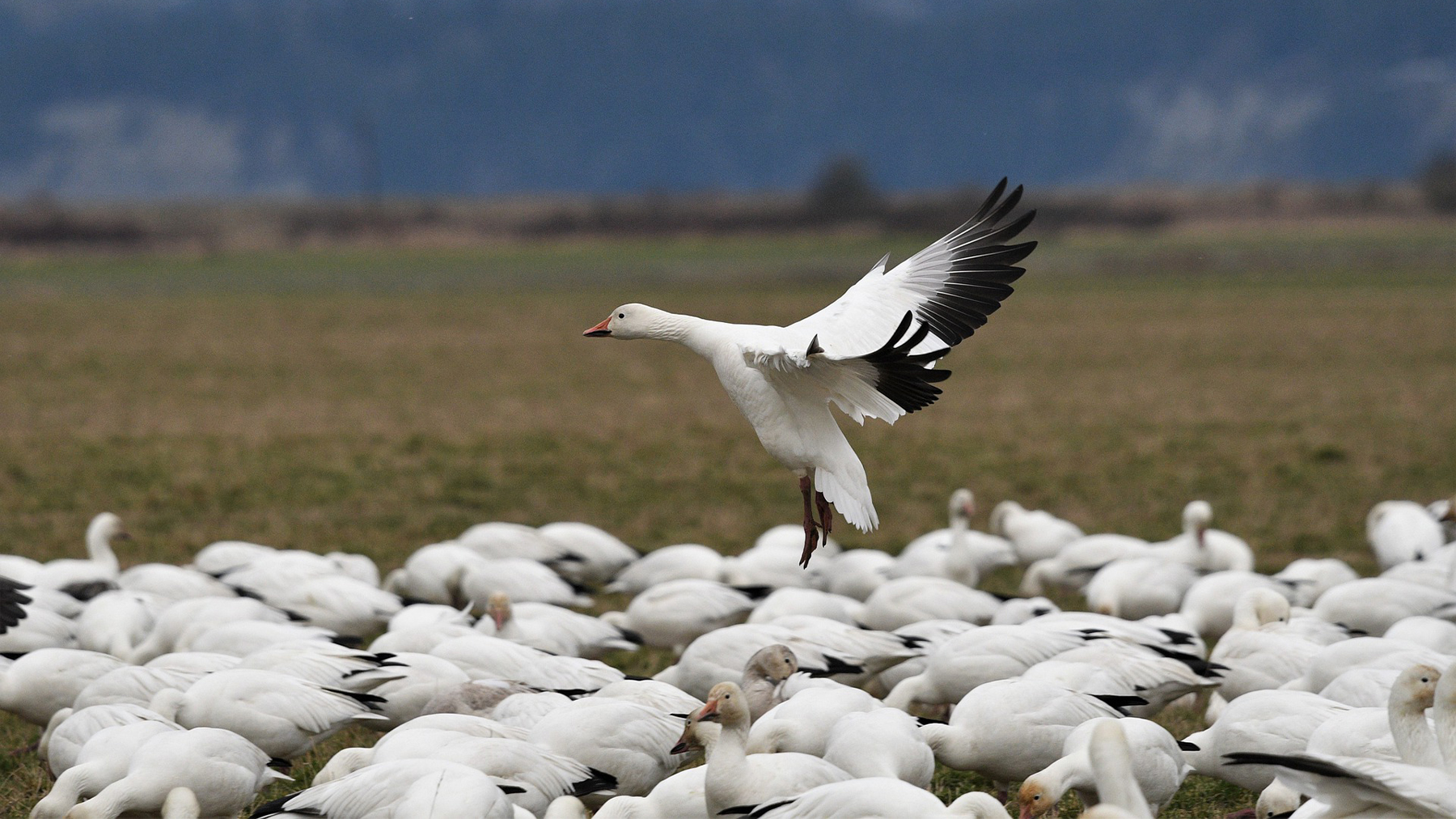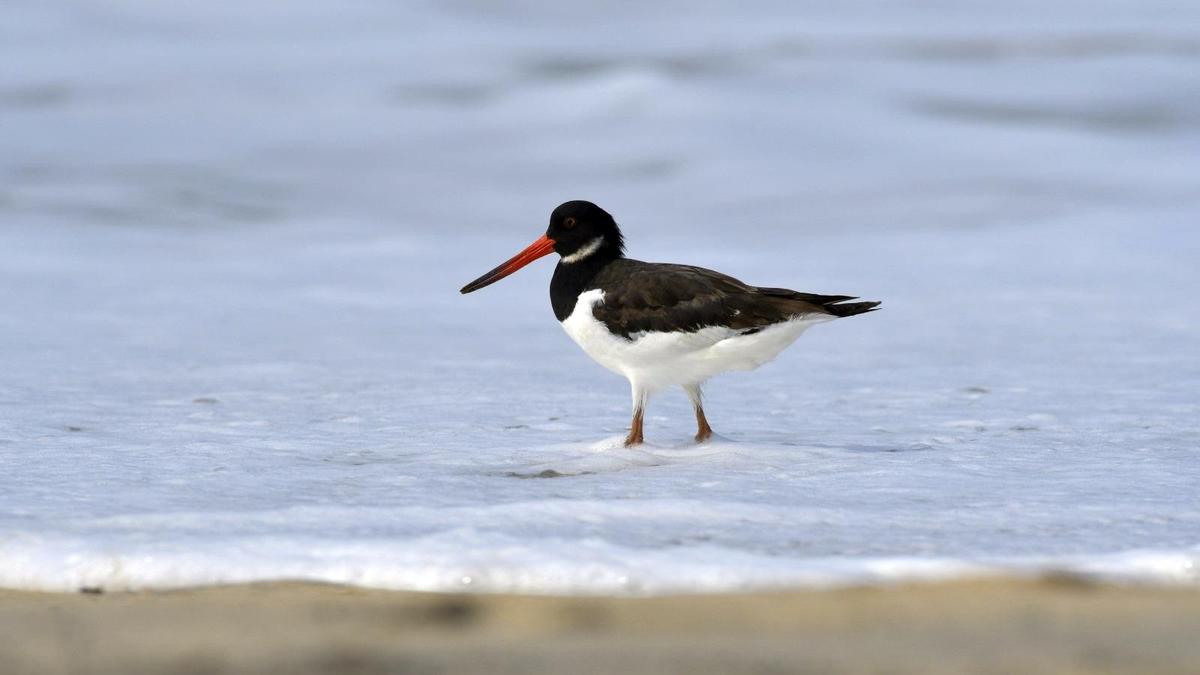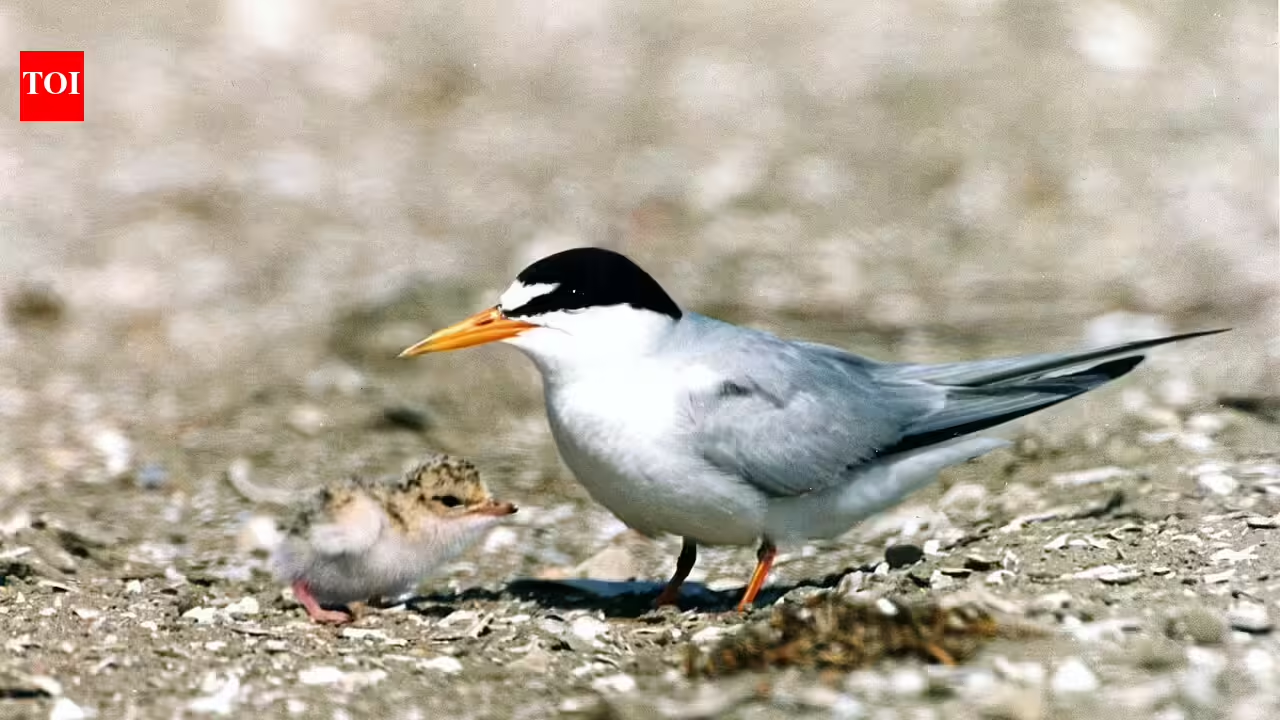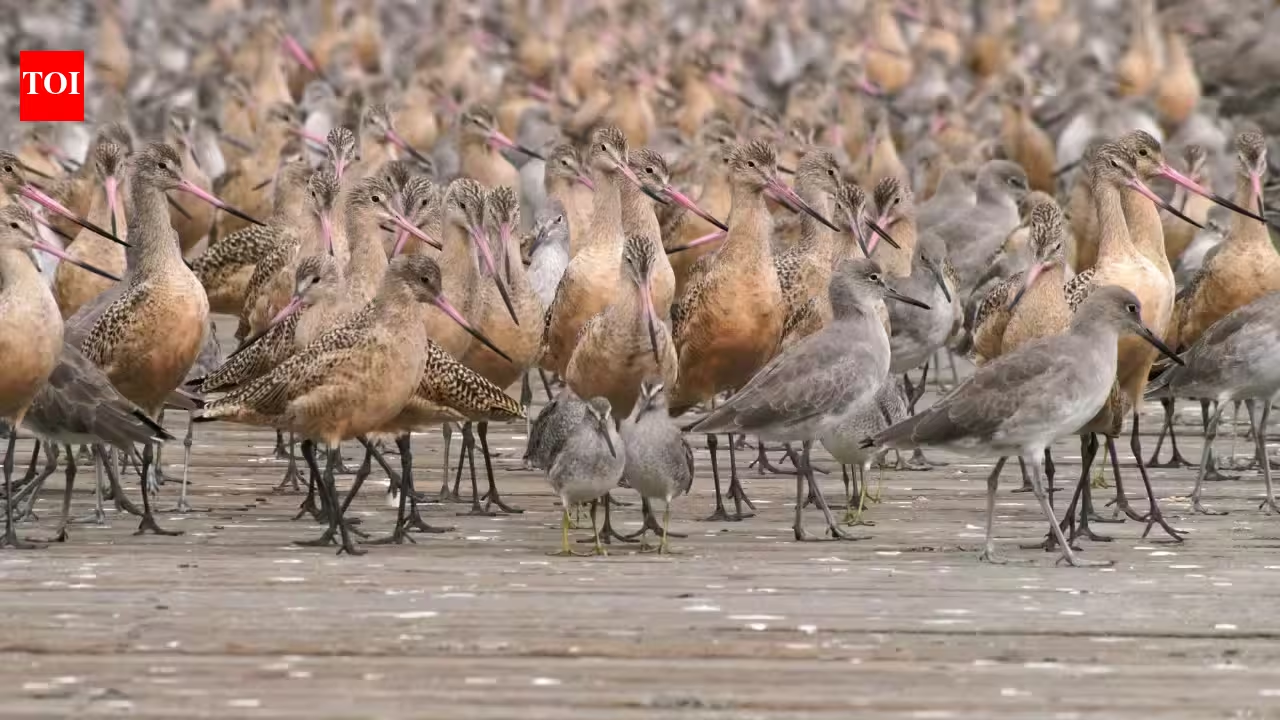
The wetlands of California's Central Valley have faced drastic reductions, leading to challenges for shorebird migration. To address this, a creative initiative named BirdReturns has developed temporary flooded rice fields to serve as vital habitats during times of water scarcity. Image Credits: Wikimedia CommonsEvery autumn, hundreds of thousands of shorebirds migrate along the Pacific Flyway in search of rest and food. For thousands of years, California’s Central Valley contained vast natural wetlands that provided migrating birds with places to rest and feed. Facing the ecological crisis, conservationists tried a market-based solution instead of buying land outright. One of the habitat incentive programmes assessed in the study, BirdReturns, provided temporary wetland habitat in flooded rice fields during periods of limited surface water in California's Central Valley. The strategy used satellite imagery to assess habitat conditions, while farmers submitted competitive bids to temporarily flood harvested rice fields during shorebird migration, turning agricultural land into temporary wetland habitat.The programme was evaluated in a 2018 study published in the journal PeerJ. The study was authored by Matthew E. Reiter, Nathan K. Elliott, Dennis Jongsomjit, Gregory H. Golet and Mark D. Reynolds, whose affiliations included Point Blue Conservation Science and The Nature Conservancy. The authors analysed years of satellite imagery to assess how drought affected habitat availability and how incentive programmes added wetland habitat when surface water was scarce.According to the study by Reiter and colleagues, prolonged drought reduced the availability of surface-water habitat for migratory shorebirds in California's Central Valley. The study reported that drought reduced surface water in post-harvest rice fields by as much as 80 per cent and in managed wetlands by up to 60 per cent. The study found that these reductions in surface water were particularly pronounced in the San Joaquin Basin, where habitat availability declined substantially during drought. Without intervention, migrating shorebirds would have faced less food and shelter and spent more energy searching for habitat.Temporary wetlands helped migratory shorebirdsFlooding post-harvest rice fields created thousands of acres of temporary wetland habitat in the BirdReturns pop-up wetlands project. The PeerJ study found that during key autumn weeks, BirdReturns supplied up to 61 per cent of flooded rice habitat across the Central Valley. In winter, agricultural incentive programmes supplied up to 100 per cent of open-water habitat in some agricultural areas, highlighting the important role of private farmland for migratory birds.The arrangement was simple for local farm managers. Instead of buying land or building permanent reserves, conservation teams paid for temporary flooded habitat during critical migration periods. Rice fields were temporarily flooded to create shallow wetland habitat where shorebirds could wade and feed. Once the migration peak passed, farmers drained the fields as usual and prepared for the next planting season.The temporary flooding increased the availability of shallow-water habitat for migratory shorebirds during periods when natural wetlands and other habitats were limited. By temporarily flooding harvested rice fields, the programme expanded wetland habitat during key migration periods without permanently changing how the land was used. The project also showed that farmland can support both food production and wildlife habitat during environmental stress.By leveraging satellite imagery and farmer bids, this adaptive conservation method provides essential support for wildlife amid an evolving climate. Image Credits: Wikimedia CommonsBlueprint for flexible conservation in the face of climate changeThe findings suggest a model for habitat management in a more unpredictable climate. As climate change makes extreme weather more common, fixed nature reserves may become less reliable from year to year. Flexible, market-based conservation programmes let conservationists direct funding to different locations as conditions change.The PeerJ study suggests that market-based habitat incentive programmes can help increase wetland habitat availability for migratory shorebirds in California's agricultural regions during drought. These flexible approaches offer conservationists another tool for responding to changing habitat conditions without requiring permanent land conversion.
BirdReturns helped expand temporary wetland habitat for migrating shorebirds in California's Central Valley
Every autumn, hundreds of thousands of shorebirds migrate along the Pacific Flyway in search of rest and food. For thousands of years, California’s Central Valley contained vast natural wetlands that provided migrating birds with places to rest and feed.
629 words~3 min read