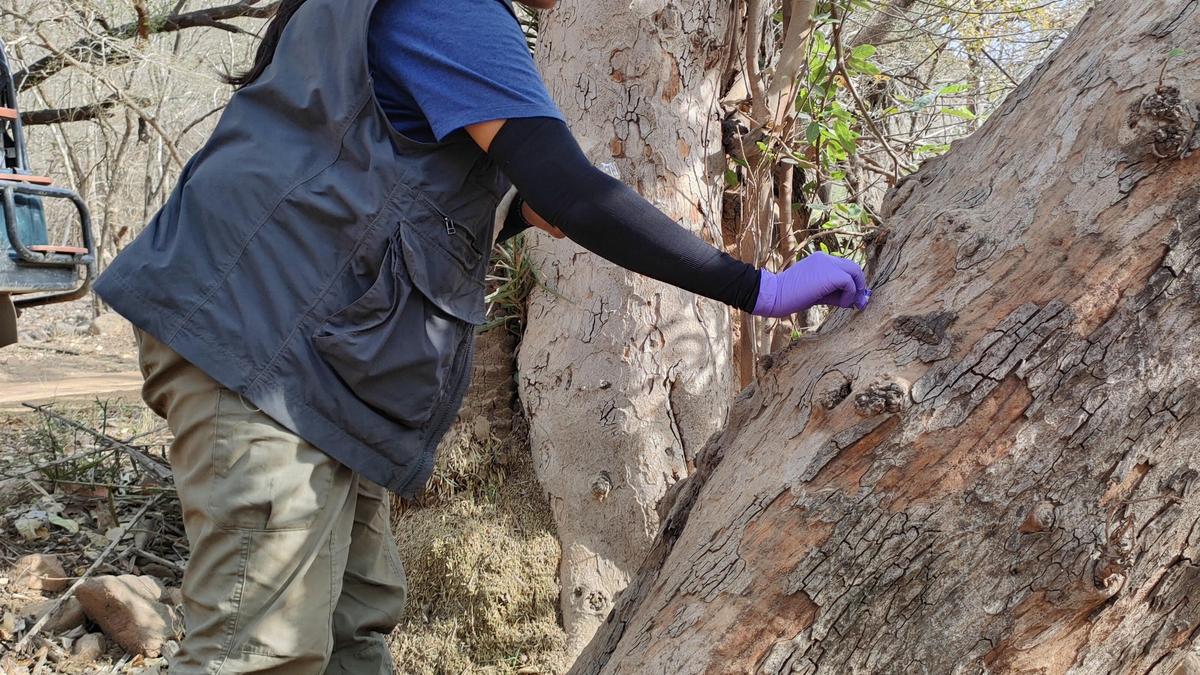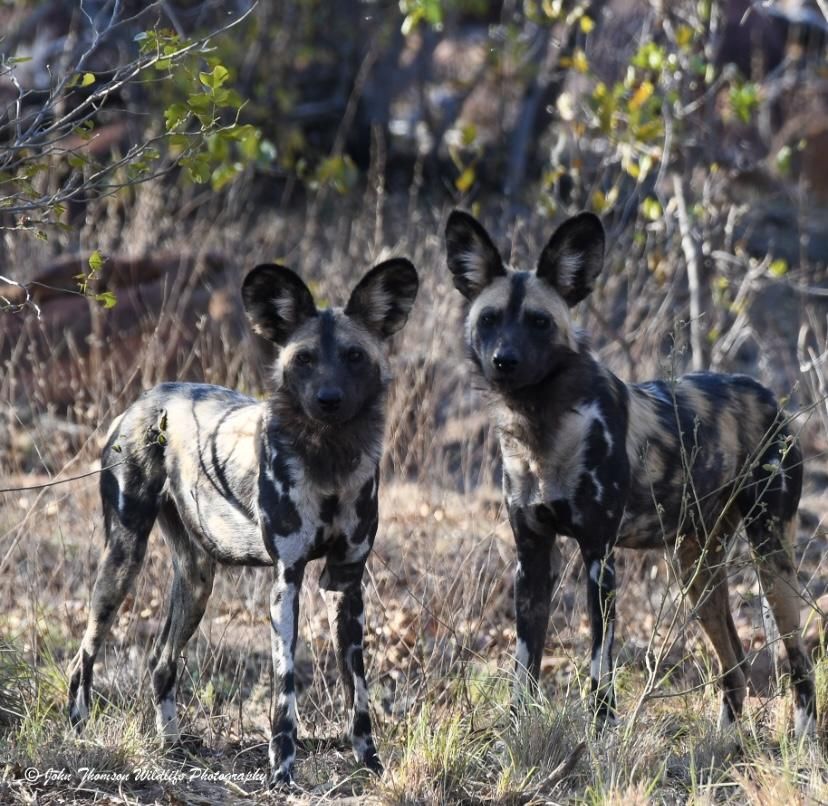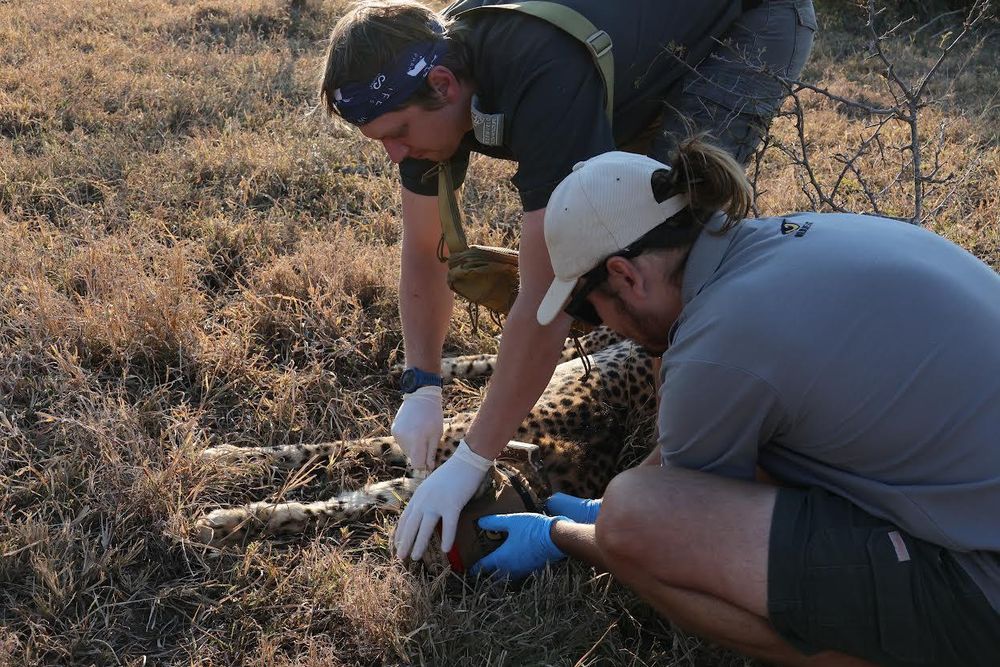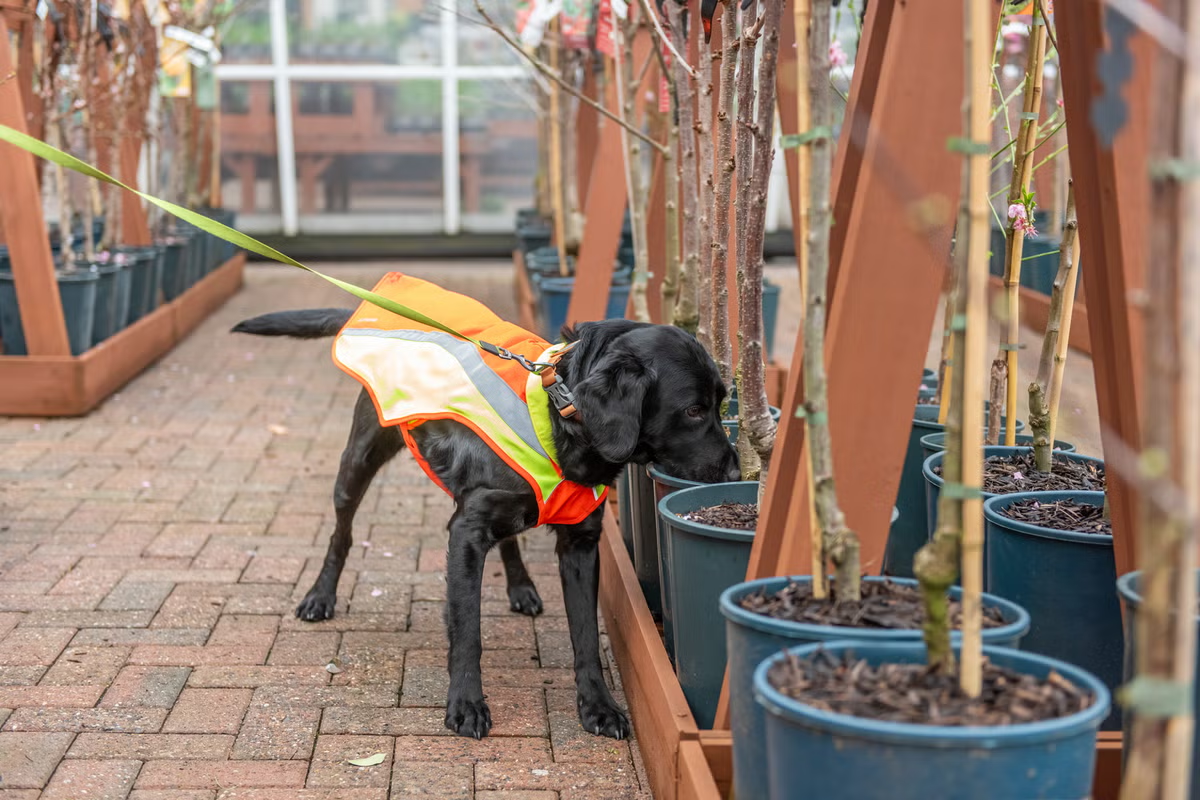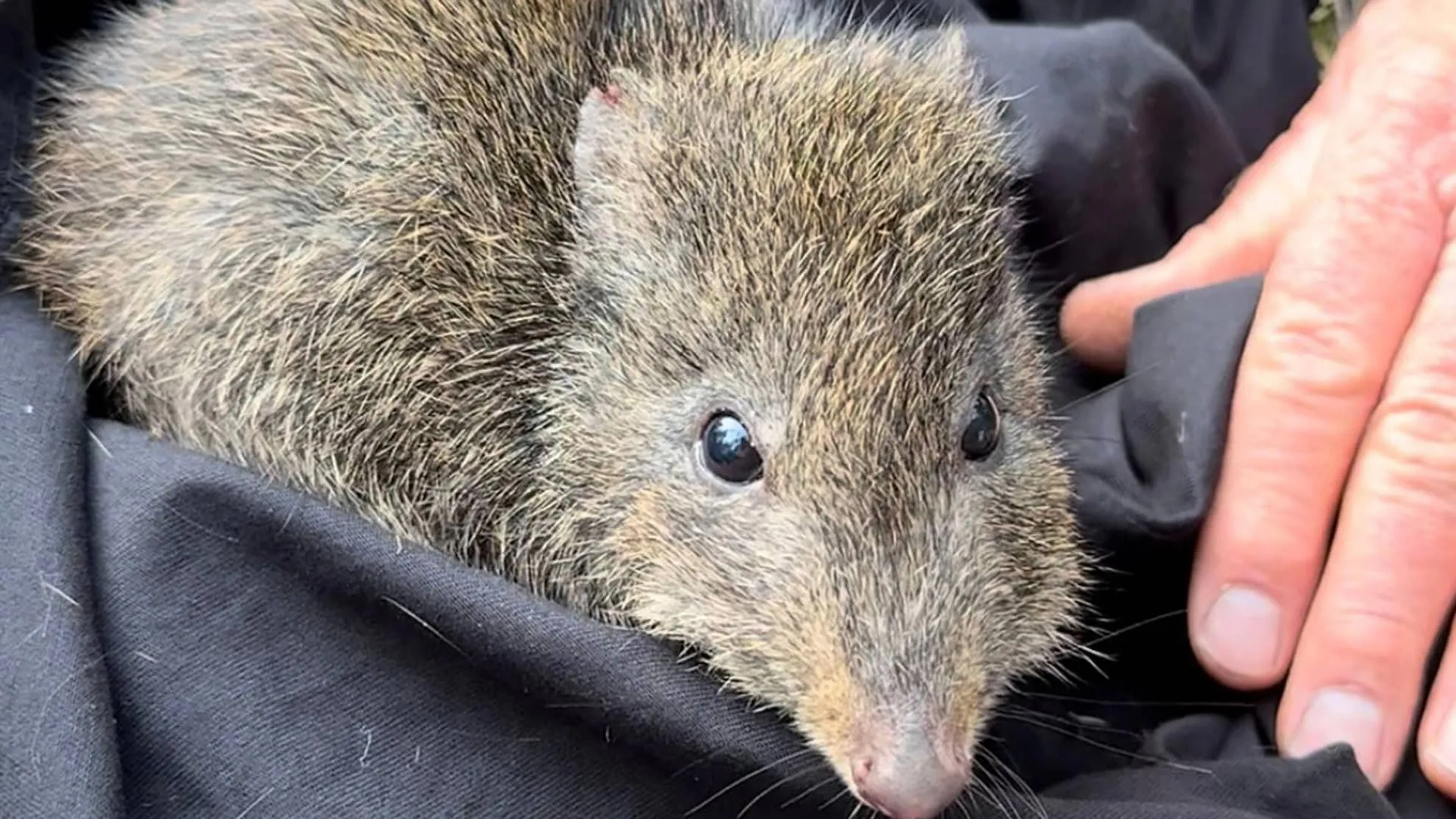
Dogs trained to detect scat are helping conservationists detect and research hard-to-study species in South Africa’s Karoo region.From the black-footed cat and Temminck’s pangolin to riverine rabbits, the scat samples contain ‘nuggets of genetic data’, according to scientists.The research and fieldwork has also helped uncover evidence of wildlife crimes and identify habitats in need of protection from development.
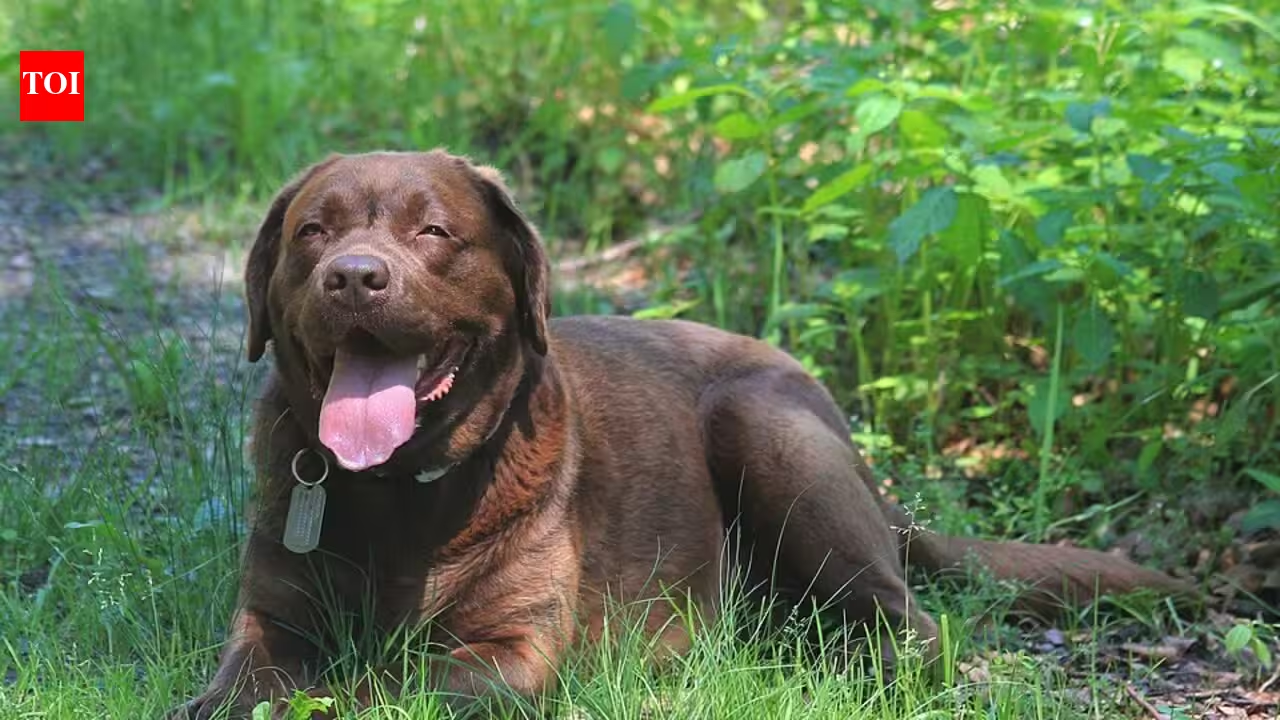
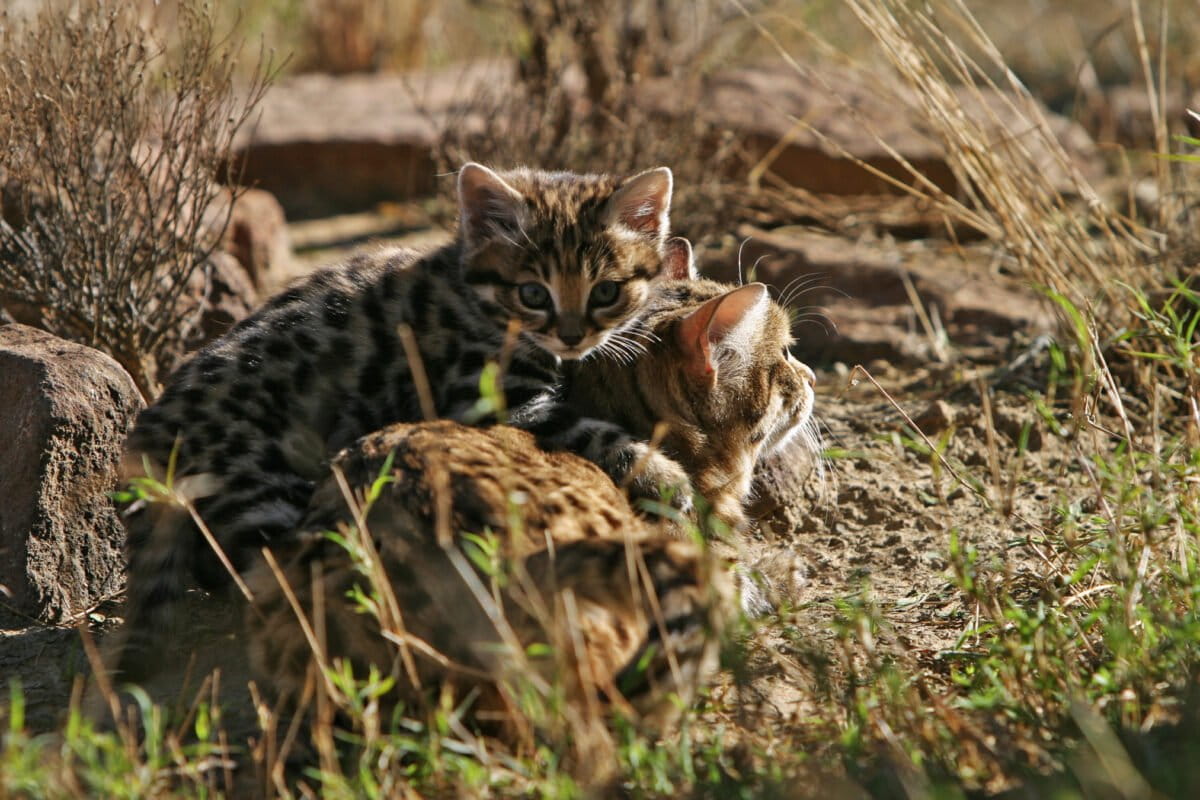
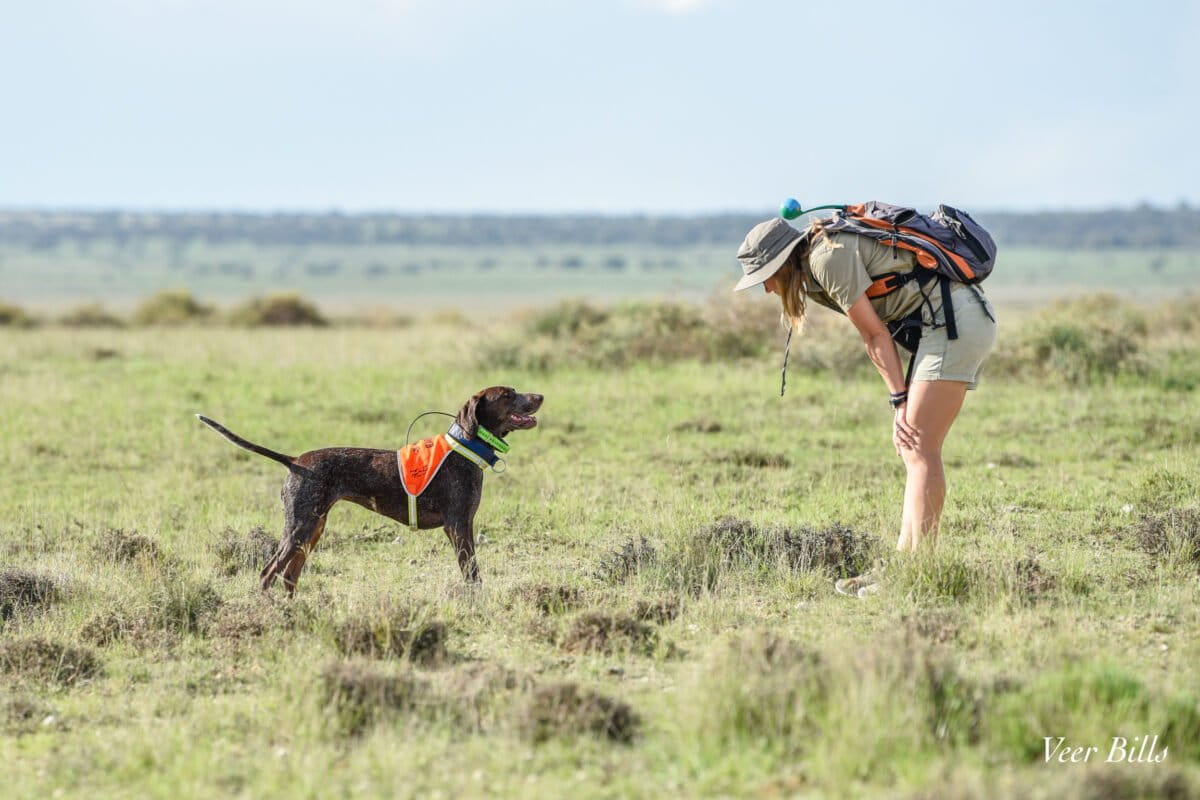
In the grassy dwarf shrublands of South Africa’s Karoo, Michelle Marie Schroeder is looking for a very specific kind of poo. Black-footed cats spend most of the day hidden in burrows and emerge mainly under the cover of darkness, making them notoriously difficult to study. That’s why the conservation biologist relies unconventional assistants: Lyka and Sebala, two German Shorthaired Pointers trained to detect the cats’ scat by scent.
When the dogs find a sample, they lie down and remain still to alert Schroeder, who works with the non-profit Canines for African Nature. Working on her own, Schroeder found just four scats in more than a year. Ten-year-old Lyka, by contrast, has located hundreds of samples in just a few months, providing the basis for non-invasive genetic monitoring of Felis nigripes.