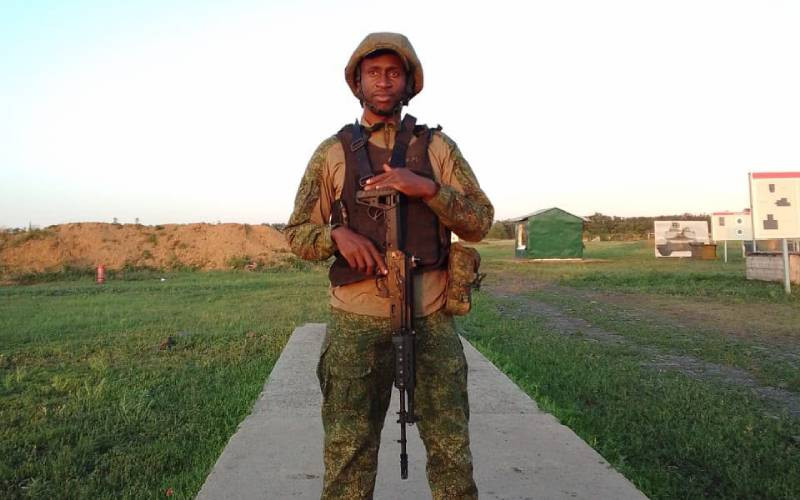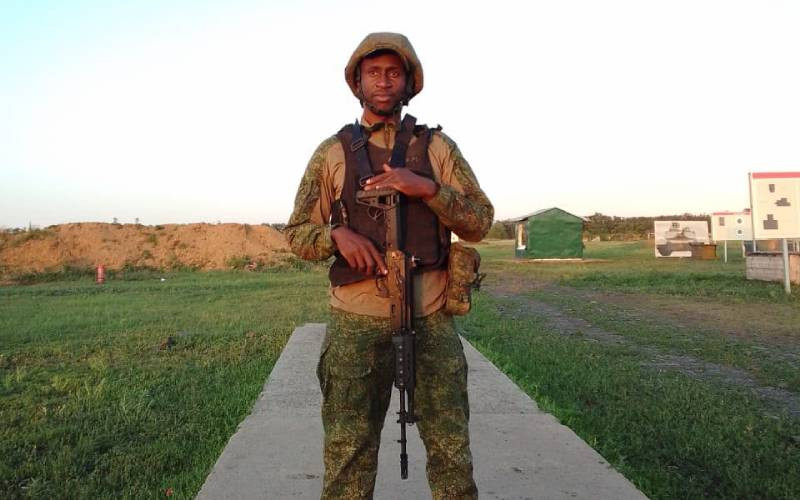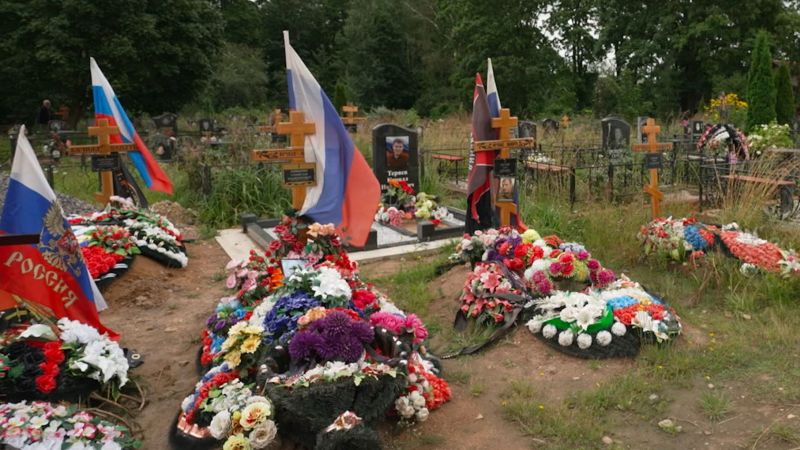
Marina’s son was sent on a combat mission in Ukraine on July 20, 2025, and sent a photo from the front that day, along with a message saying he had been lightly wounded when a drone exploded nearby.Ten days later, an officer in his unit assured her he was OK and would contact her when he got a chance, Marina told RFE/RL, asking that her last name be withheld for fear of repercussions from the Russian state.But she hasn’t heard from her son since. And when she called a Defense Ministry hotline that August to seek information about his fate, she learned that he had been declared absent without leave (AWOL) as of July 23.Over a year later, Marina fears her son is dead. She also suspects she is one of many Russians whose sons, husbands, or fathers have been declared AWOL despite the high likelihood that that they have in fact been killed or gone missing in action.The main motive for such deception is money: A soldier’s pay is suspended when he is declared AWOL, and family members are not entitled to the payments promised to relatives of the dead or missing -- or to benefits such as preferential treatment for children when it comes to places at educational institutions from kindergarten to university.Marina, who lives in the Kemerovo region of Siberia, mounted a legal effort last summer to have her son’s status changed to missing or killed in action. She said the same officer who reassured her in July 2025 had only recently begun to respond to her queries and told her that it had been impossible to evacuate soldiers from the battlefield where he was sent on the combat mission.“So how could he have left the area of his own accord? There’s intense fighting there to this day,” she told RFE/RL.
Deserted Or Dead? Russian Military Saves Money By Declaring Missing Soldiers AWOL
The Russian state entices men to fight in the war on Ukraine by offering high wages and relatively generous benefits. But relatives and activists say the military often avoids paying what it owes by declaring soldiers AWOL despite the likelihood that they have been killed, captured, or gone missing.
1,095 words~5 min read