Published on
08/08/2026 - 9:00 GMT+2
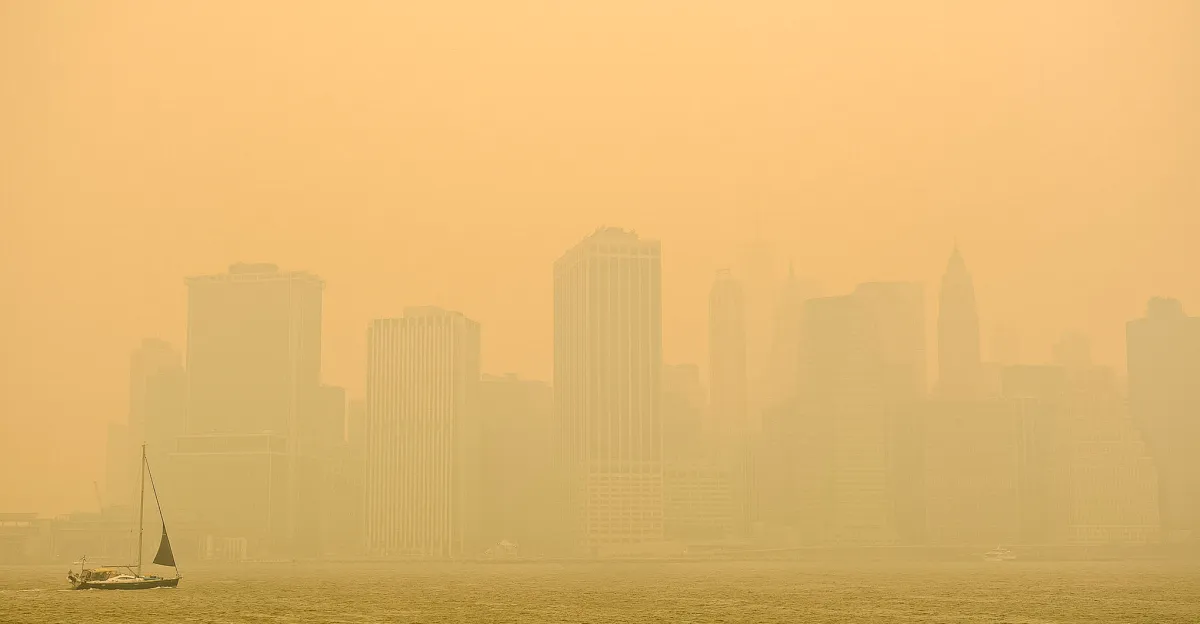
The study, published in Frontiers in Environmental Health, tracked exposure to fine particulate matter — PM2.5 — from wildfires across the United States between 2003 and 2019. Researchers found that although emissions from transport and industry have fallen, smoke from increasingly frequent and intense wildfires is offsetting some of those public health gains.
The study found that prenatal exposure to wildfire smoke more than doubled over the 17 years examined, particularly in western US states where longer fire seasons have become the norm. About 65% of days when air quality exceeded safe levels for pregnancy could be attributed to wildfire smoke, research found.
“Increasing wildfire activity is systematically offsetting prenatal air quality gains from [human activity emissions] reductions, disproportionately burdening low-income, rural, and Indigenous communities, with the potential to further erode progress as wildfire activity intensifies,” the researchers said.