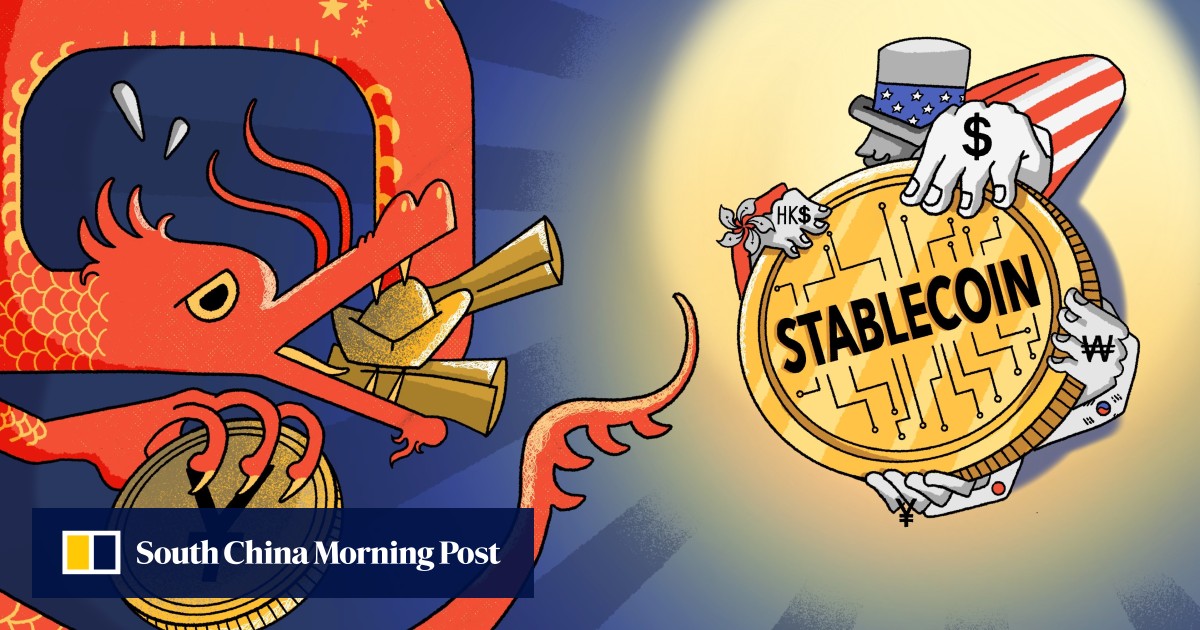
The International Monetary Fund’s first deputy managing director, Dan Katz, laid out a paradox that should keep central bankers in developing nations up at night. Countries that launch their own domestic stablecoins might inadvertently boost demand for the very dollar-backed tokens they were designed to compete with.
Speaking at the University of Cape Town on August 7, Katz argued that users are gravitating toward dollar-pegged stablecoins because of their superior liquidity, powerful network effects, and seamless cross-border acceptance. The implication is straightforward: even when governments try to build homegrown alternatives, the gravitational pull of the digital dollar may prove too strong to resist.
The digital dollar’s gravitational pull
Katz’s remarks build on a theme he has been developing since taking the first deputy managing director role in October 2025. At an Atlantic Council event on June 17, he explored how asset tokenization and cross-border payments are converging in ways that traditional financial infrastructure struggles to match.
The logic runs something like this. A domestic stablecoin, pegged to a local currency, still needs to interact with global markets. The moment it touches cross-border commerce, traders and consumers discover that dollar-backed tokens settle faster, trade in deeper pools, and are accepted by more counterparties worldwide. So even a well-designed local stablecoin becomes an on-ramp to dollar-denominated assets rather than a substitute for them.