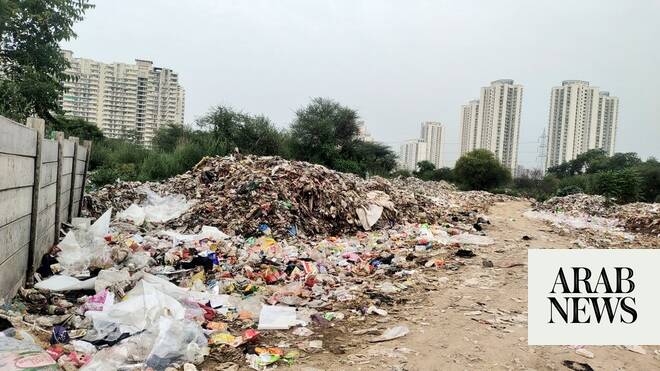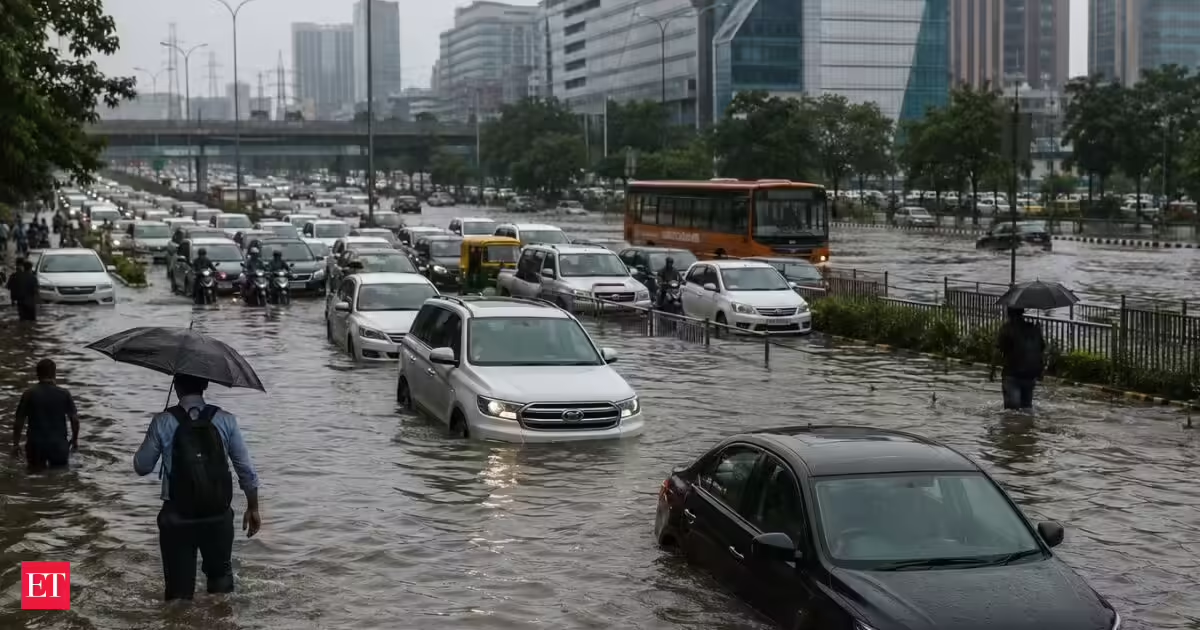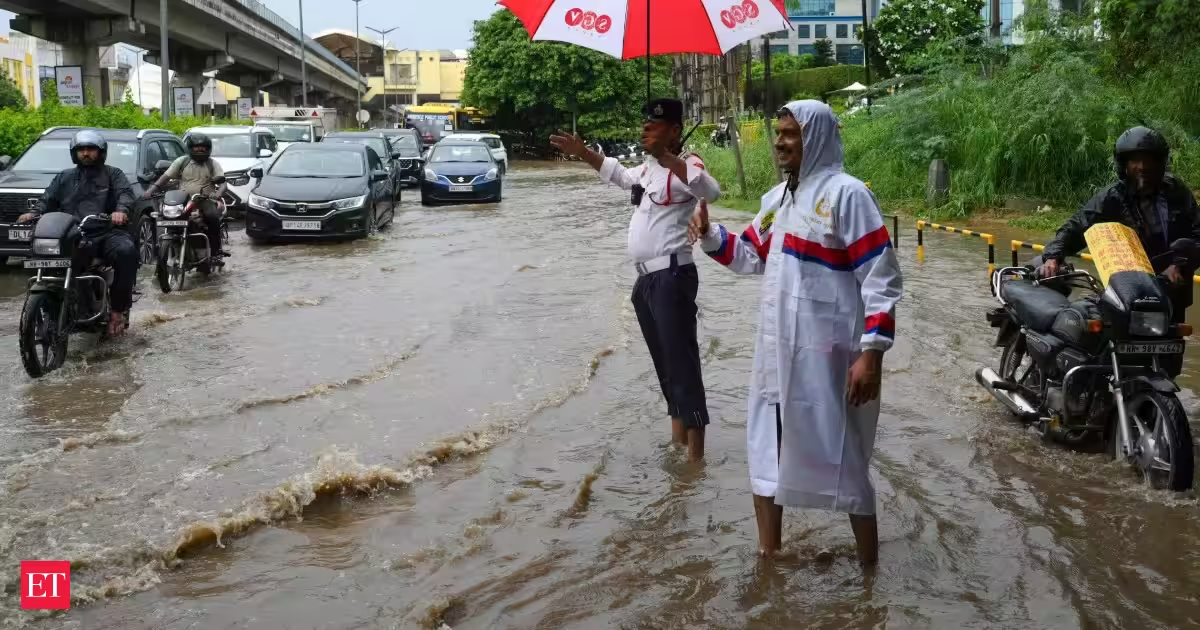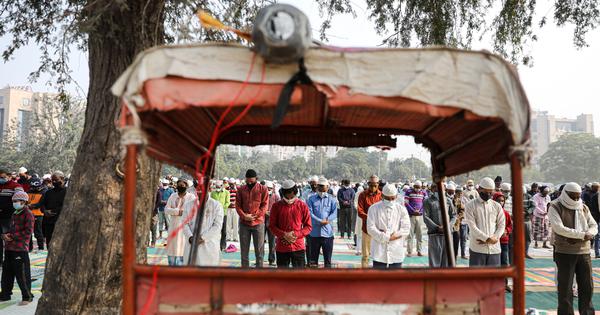
Gurgaon over many centuries was little more than a small rural hamlet in the periphery of the towering city of power Delhi. Across the ages possibly its best known resident was Hemu Vikramaditya, a general in the army of Sher Shah Suri who defeated the forces of Humayun and later Akbar. Gurgaon gained some modest standing only as the customary resting place for Akbar’s entourage when they marched to Amber.Its fortunes altered after Independence. Badly singed by the fires of the Partition riots in 1947-’48, Gurgaon was substantially emptied of its Muslim population. But in the city of wealth and opportunities that Gurgaon metamorphosed into in recent decades, Muslims converged in droves. Yet they still struggle for dignity and rights in a habitat that they still find riven – under its skin-deep glitter – with prejudice and indifference.Gurgaon began to transform when in the 1970s Maruti Suzuki opened a car manufacturing unit here. General Electrics was the first American company to establish its office here in 1997. Other companies, both Indian and international, followed in throngs.Today it houses, in glittering glass and steel highrise towers, Indian offices of 250 Fortune 500 companies. Its smoggy skyline flaunts myriad skyscrapers containing offices, malls, condominiums and luxury villas. Gurgaon has become the 56th largest city in India by population and eighth by wealth, with the third-highest per capita income in the country. Its per capita income in 2020 was Rs 4.6 lakh, nearly three times the national average of Rs 1.3 lakh.The Gurugram skyline. Credit Unknown23322, CC BY-SA 4.0 via Wikimedia CommonsGurgaon, renamed Gurugram in 2016, drew throngs of migrant workers from India’s vast rural interiors. Just between 2001 and 2011, Gurgaon’s population grew by 74%. We do not have census figures since then, but it is evident that the explosion in numbers (and wealth) has continued.The boom in construction, eateries and offices in Gurugram transformed it into a powerful magnet for the most impoverished residents from India’s rural hinterlands in Uttar Pradesh, Bihar, Madhya Pradesh, Bengal, Assam and elsewhere. They found employment in factories, call centres, hotels, malls, street retail, construction and domestic work. Wages for unorganised workers were oppressively deflated, but still higher than what they would have earned in the villages and towns from where they had migrated.The gleaming veneer of what is often called India’s Millennium City promised to the workers almost as a necessary corollary an assured cosmopolitanism, an escape from the communal and caste oppression that beleaguered their lives in their villages and towns.But how wrong were these expectations. The last decade has exposed particularly Muslim residents of Gurugram to a repeated battery of hate politics, to organised communal prejudice, violence and exclusions. It is evident that India’s glittering hub of information technology, industry and finance near Delhi has submitted without resistance to the majoritarian politics of loathing, resentment and fear.No place to prayOne troubling tinder box in Gurugram has been the often violent and always humiliating prohibitions of the congregational prayers of Muslim men on Friday afternoons. Hindutva formations have for many years since 2018 violently blockaded the Friday namaz of Muslim residents with cultivated prejudice, organised aggression and popular mobilisation, aided often stridently by the state administration.After the Partition exodus of Muslims, only small numbers of Muslim residents had lived and worked in Gurgaon for several decades. The small neighbourhood had been emptied out of most of its Muslim residents in 1947-’48. Of the mosques that remained, an estimated 19 old mosques were occupied and repurposed by the Hindu residents for functions as diverse as dwellings and storage rooms for cow dung. Thirteen mosques were still available for community worship, many very small, but these were enough for the highly depleted Muslim population.But the population of the city exploded in the 2000s, and many of the new migrants to Gurugram were Muslim. Circular migrants are not captured by census enumerators, and estimates of the numbers of Muslim workers in Gurugram are disputed. The 2011 census found that the Muslim share in the population of Gurgaon was 4.5%. Whatever the actual numbers, what is indisputable is that the 13 mosques that had provided adequate space indoors for the Friday prayers suddenly fell woefully short.Recognising this quite early – even as the Muslim migrant population was only beginning to burgeon – Muslim leaders and organisations approached the state administration for allocations of land and the necessary clearances to build new mosques on these plots. However, the state administration stonewalled all such demands. Had they consented, mosques would have been accessible to the devout in every neighbourhood, forestalling the need to Muslims to offer their prayers in open spaces.
Harsh Mander: Gurugram’s surrender to majoritarian politics
Millennium City’s gleaming promise of cosmopolitanism was broken by allowing Hindutva outfits to terrorise Muslim workers offering namaz in public spaces.
4,083 words~19 min read