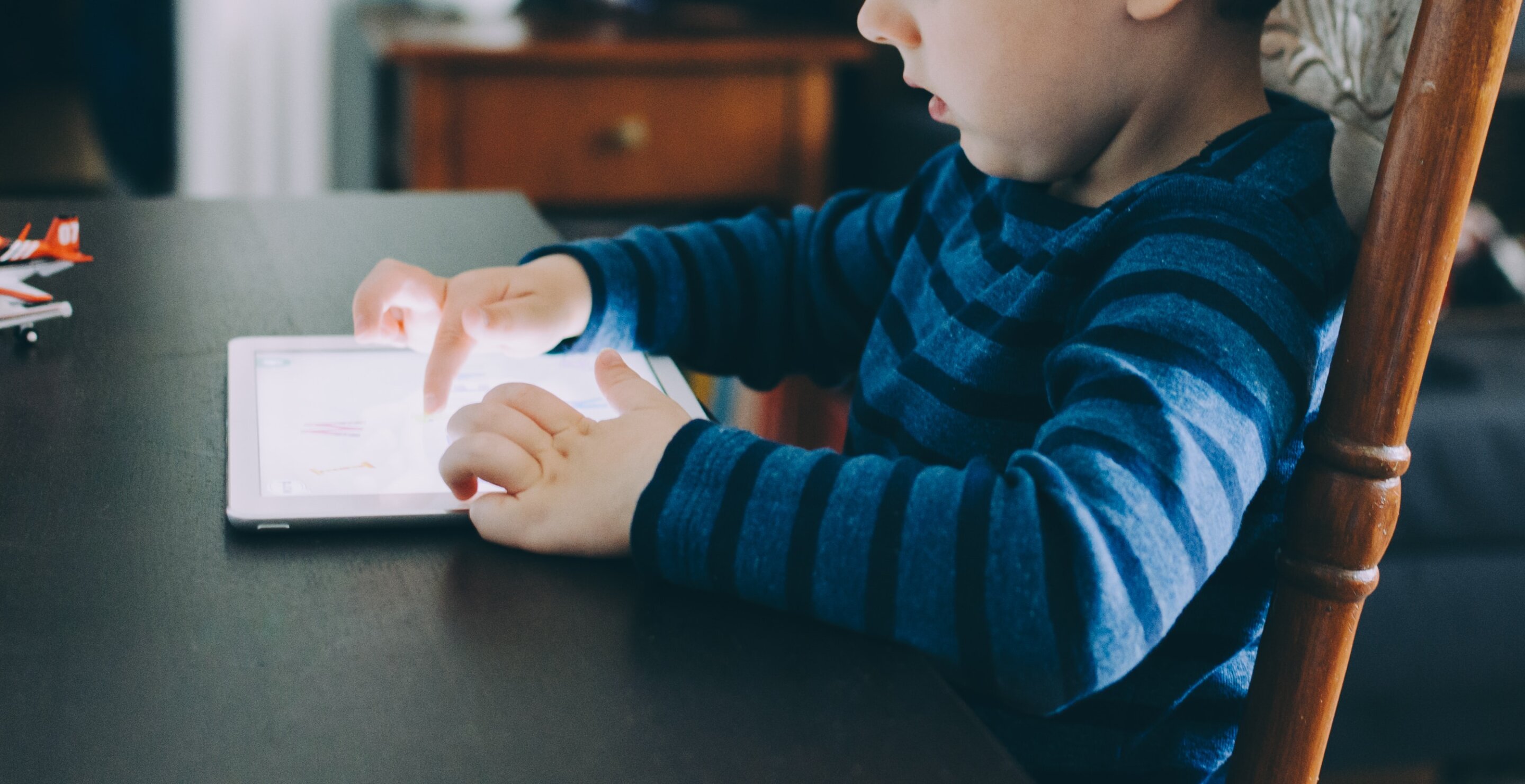
Researchers at FIU have a message for parents: If screen time is part of getting through a stressful day, find a way to make it count. The goal should be to focus less on quantity and more on quality.
A new study from FIU's Center for Children and Families found that parents experiencing higher levels of stress are more likely to rely on screens to calm or occupy their children and are less likely to enforce consistent screen-time limits. The findings, published in Family Relations, suggest that helping families improve the quality of children's screen use may be just as important as encouraging stricter rules.
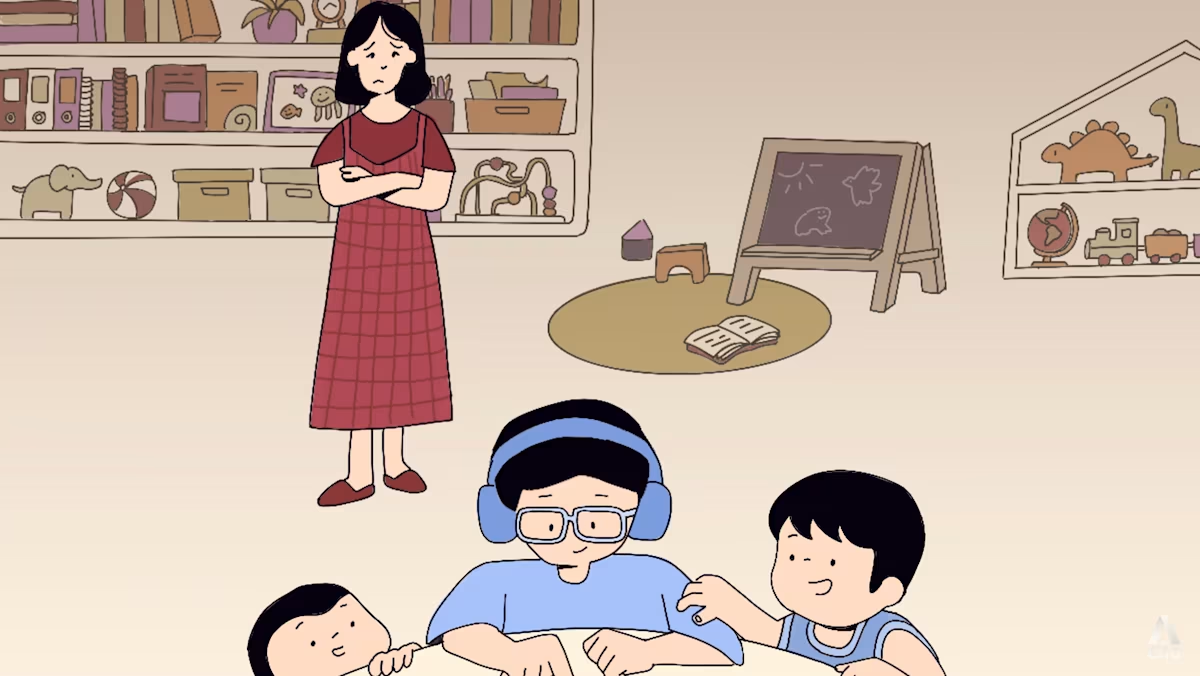
Researchers surveyed 822 caregivers across the United States with children ages 4 to 8, examining how different types of parenting stress influence family media habits. Parents experiencing emotional distress were less likely to consistently enforce screen-time limits, while those who felt overwhelmed by their child's behavior were more likely to use screens to manage difficult moments.
"What stood out was the importance of caregivers' own stress in decisions about how screen media is used by their children," said Enid Moreira, lead author of the study and an FIU psychology doctoral student. "This is important because it points to the need to support caregivers as much as children."