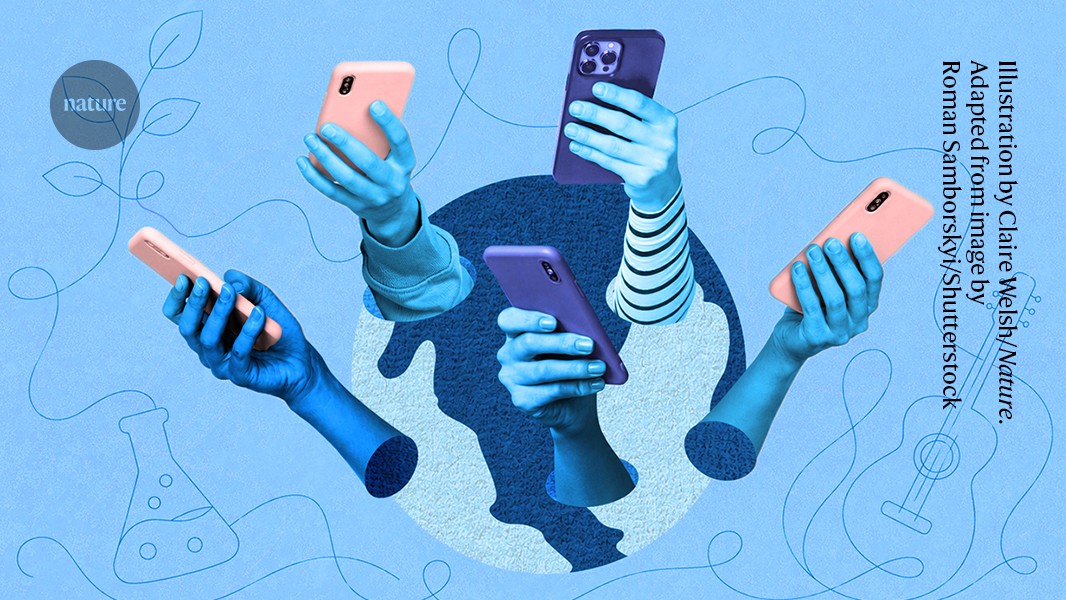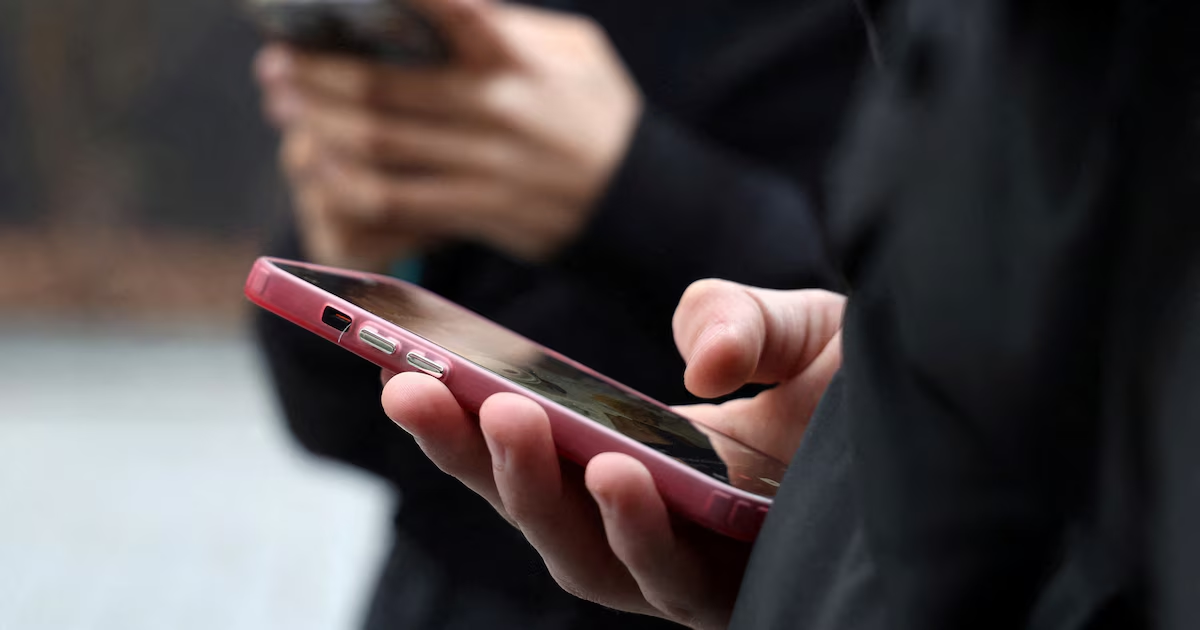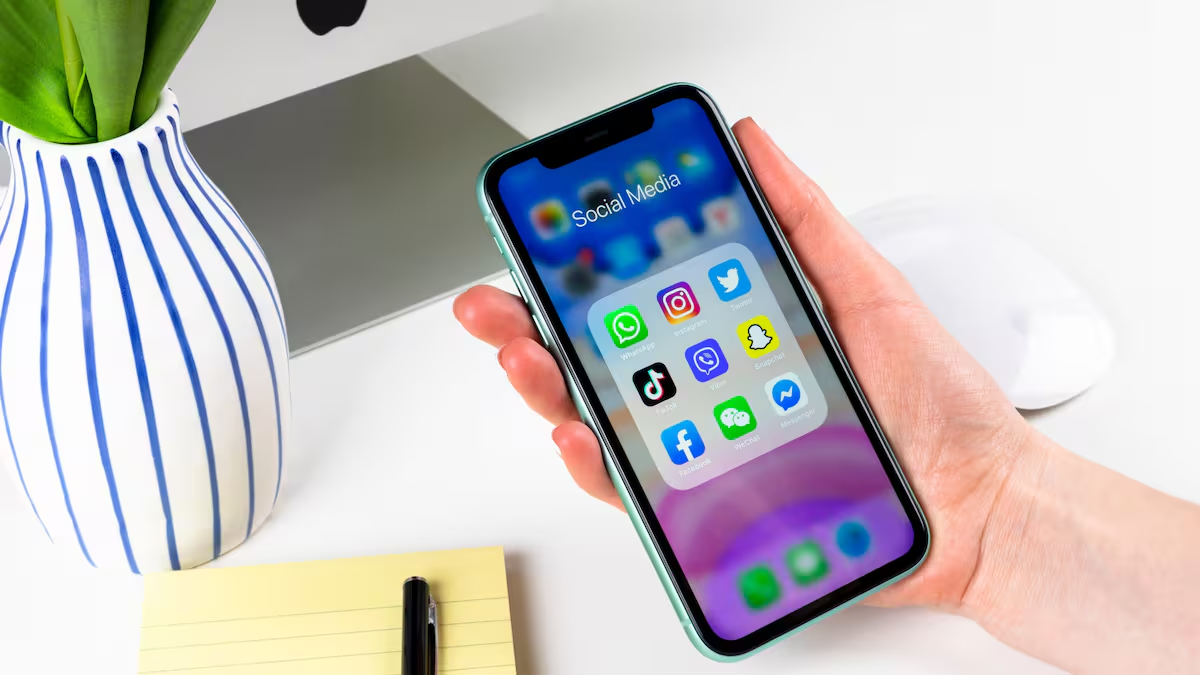
Research suggests that repeatedly picking up your phone all day long may be more stressing than the number of hours you spend using it.Screen time becomes a problem when it starts interfering with people's everyday life. Image: Mårten Lampén / YleYle News16:50The number of times people reach for their phones causes more stress than total screen time, according to a study by researchers at Aalto University.Doctoral researcher Henrik Lassila led the study, which tracked the smartphone and computer use of 277 people over a period of seven months, analysing hundreds of thousands of hours of their device use.The researchers found that the strongest link to stress was not prolonged phone use, but what they describe as "porous use" — repeatedly checking a phone for short periods, putting it away, then returning to it moments later.Lassila points out that porous use is specific to phones."You take your phone out of your pocket and look at it for a couple of seconds. Using a computer is different," he says.According to Lassila, previous research has suggested that phone notifications and social media apps frequently interrupt other activities, making people more susceptible to this pattern.The study also found that device-related stress tended to persist over time. Participants who reported higher stress levels generally characterised themselves as stressed throughout the seven-month study period.Screen time isn't the whole story"Screen time itself is perhaps not the most interesting thing, but rather why we feel the need to be on our phones all the time, and whether it’s affecting the rest of our lives," says Olli Kiviruusu, research manager at the Finnish Institute of Health and Welfare (THL).He says screen time is not necessarily a problem if people are still getting enough sleep, exercise, maintaining relationships and meeting their daily responsibilities.The problem begins when phone use starts replacing the other essential parts of life.Why do we keep checking our phones?More than 80 percent of young adults say they use smart devices more than they would like.According to Lassila, one reason is the way social media algorithms continually deliver content designed to keep users engaged. People also often turn to their phones as a way of escaping stress."People strive to create moments of escapism in their lives. Even when they are stressed, they want to escape the feeling and watch funny videos."Kiviruusu added that the fear of missing out also keeps many people repeatedly checking their devices.Both researchers said reducing unhealthy phone habits will require more than a person's willpower.Kiviruusu believes technology companies, policymakers and society all have a role to play in encouraging healthier digital habits."Long-term work is needed to change the culture of using smart devices. There are signs that people are ready for change," he said.
Study: The problem isn't really how long you use your phone, but how often
Research suggests that repeatedly picking up your phone all day long may be more stressing than the number of hours you spend using it.
450 words~2 min read