Hematopoietic stem cell transplantation (HCT) is a treatment for some life-threatening cancers and nonmalignant disorders. As HCT is a curative treatment, it is used to treat children where necessary. It has historically been a dangerous procedure, but advances in medicine have increased the number of long-term survivors. This increase has also revealed late effects in childhood survivors, most notably growth impairment and short stature, which are common after HCT.
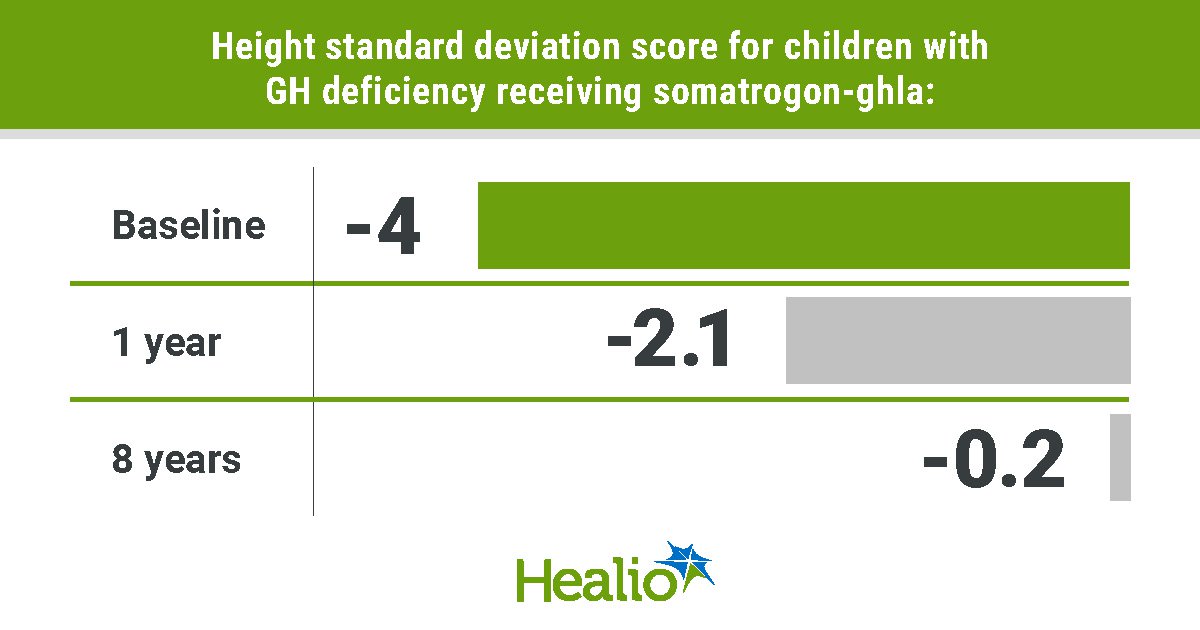
A multi-institution research team from the Japanese Children's Cancer Group, led by Hiroshima University, studied the long-term effectiveness and response patterns of growth hormone (GH) therapy in children who underwent HCT and were subsequently diagnosed with short stature. Their findings were published in Frontiers in Endocrinology.
"Growth impairment is one of the most common long-term complications in children who undergo HCT," said Maiko Shimomura, assistant professor at Hiroshima University Hospital and first and corresponding author of the study. "We aimed to determine whether GH therapy improves final height outcomes in childhood HCT survivors and to identify clinical factors associated with treatment response. This is important because the number of childhood transplant survivors is increasing, and improving long-term health and quality of life has become a major goal of survivorship care."