Audio By Vocalize
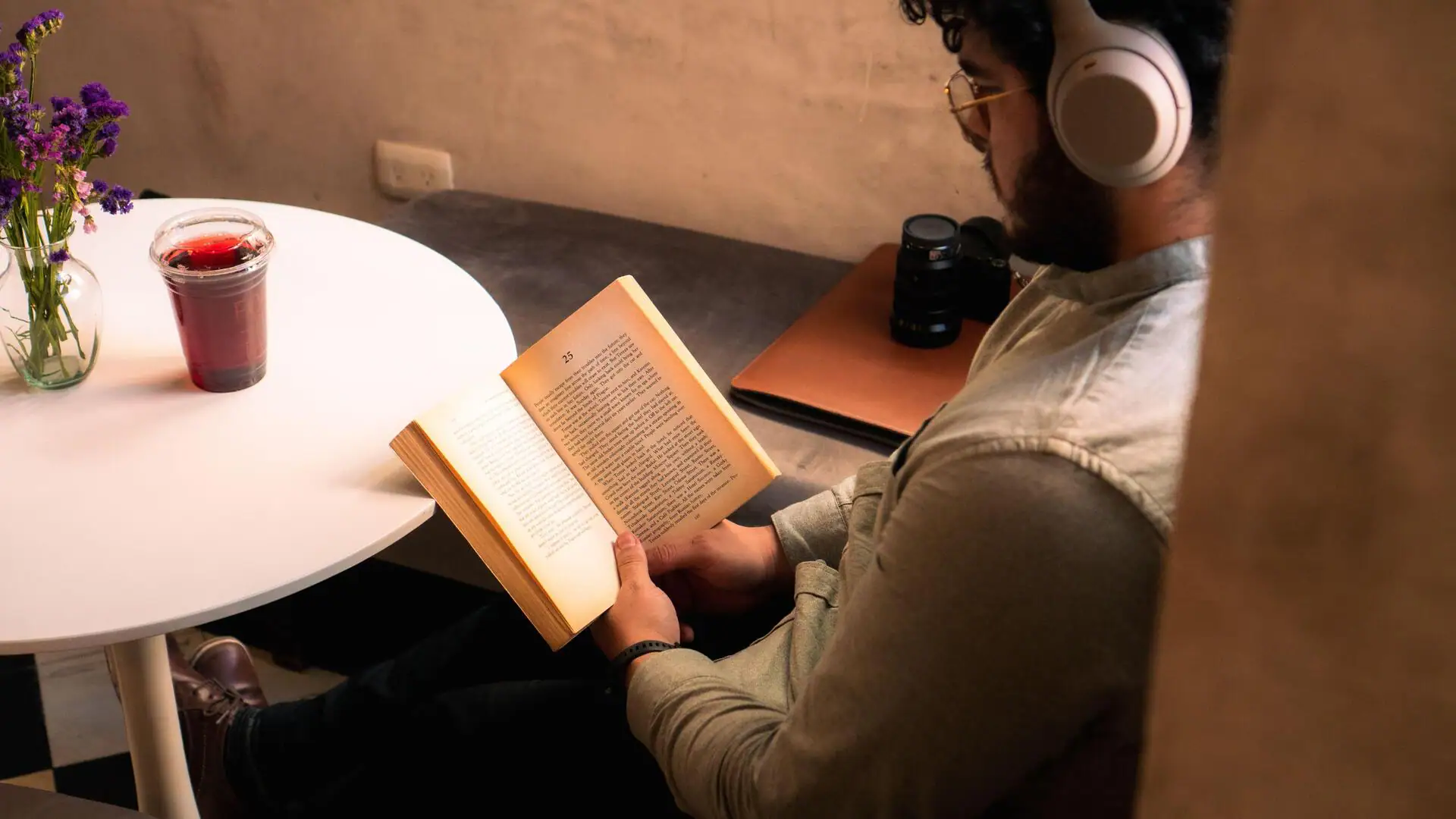
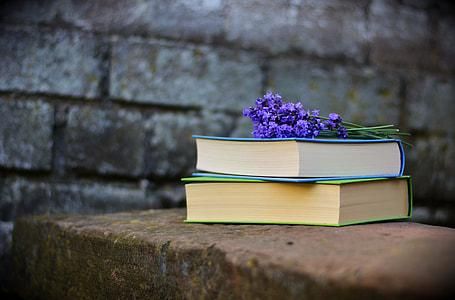
Depending on what you read, books make us smarter. They help us recognise familiar patterns before we become trapped by them. [iStockphoto]
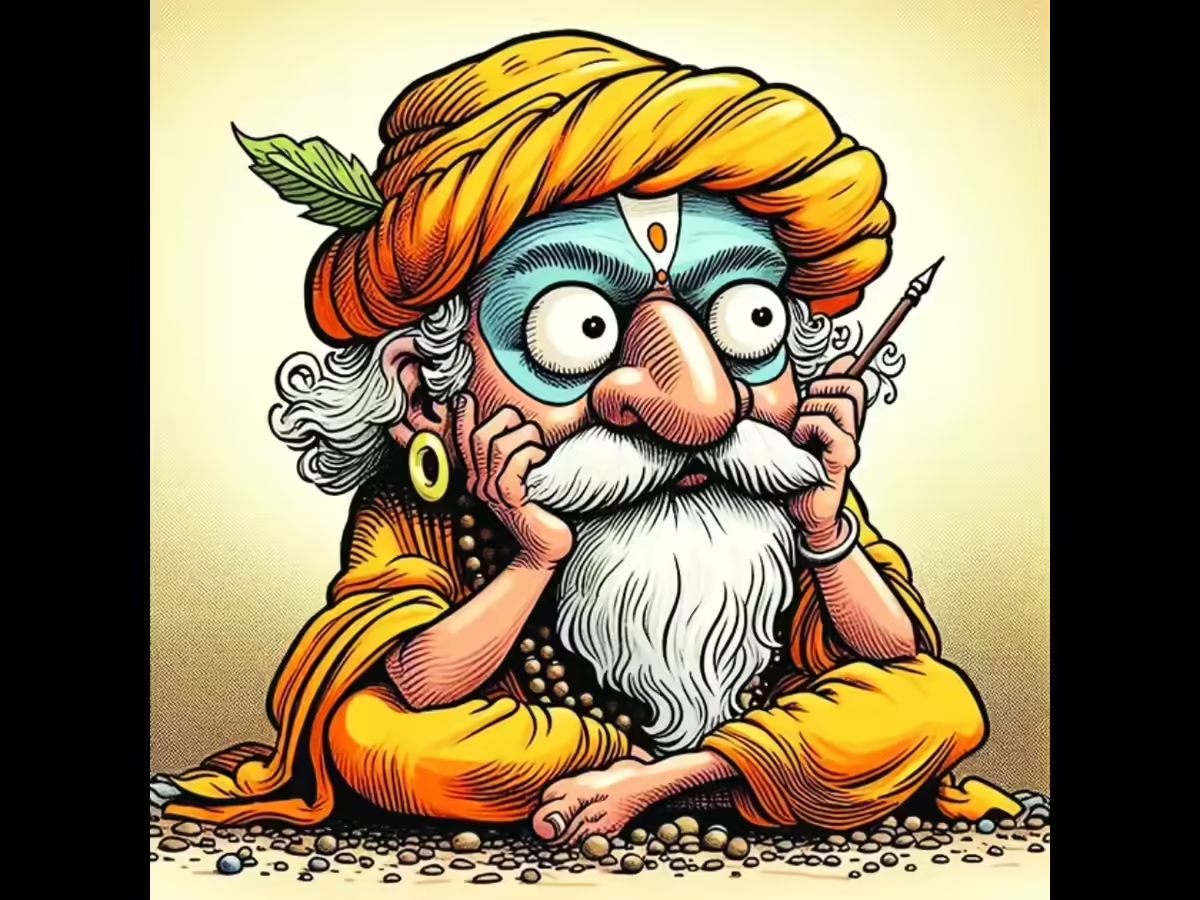
It is said that in every village there is a madman. Well, I know we should be sensitive and treat mentally challenged people more empathetically, but we are yet to turn that corner as a society.
Indeed, there is a popular story in Kenyan politics, popularised by a famous politician, about a madman who found another man bathing in a river. It so happened that the man bathing in the river had left his clothes on the riverbank. On seeing the madman wearing his clothes, the man bathing in the river hopped out of the water and chased the madman all the way to the market, where people, mouths agape, saw not a madman being chased by another man whose clothes he had stolen. The crowd saw instead a madman chasing another man. The story, often but erroneously attributed to a Kenyan politician, actually appears in Chinua Achebe's Girls at War and Other Stories, a collection of short stories.
I found myself thinking about this story in a week when a debate on our poor reading culture was touched off by my literary psychoanalysis teacher, Prof Egara Kabaji, who writes the column across the page spread. It is unfortunate that we still associate reading widely, especially reading fiction, with elitist affectations.