In the early 2000s, being called a bookworm wasn’t exactly a compliment. It conjured up an image of someone who is socially awkward with their nose buried in books while the rest of the world got on with their lives. Reading for pleasure, once a mark of curiosity and self-betterment, slowly became an indulgence people claimed to admire but rarely practised.
Books have been having a moment for some years now. BookTok’s colour-coded shelves and Bookstagram’s lays of hardcovers and lattes, linen throws and picnic blankets have made their not just to Pinterest but almost everyone’s feeds. But much of that fascination was aesthetic. Books became props as much as portals. Owning them often seemed more important than opening them.More recently, another iteration of the literary rebrand presented itself: the “intellectual man”. You might also know him as the “performative male”; he carries a tote, listens to indie artists and loves Joan Didion. Suddenly photos of men reading philosophy, feminist literature or the classic battered copy of a Dostoevsky novel were all over social media. There is even an Instagram page called “Hot Dudes Reading.”
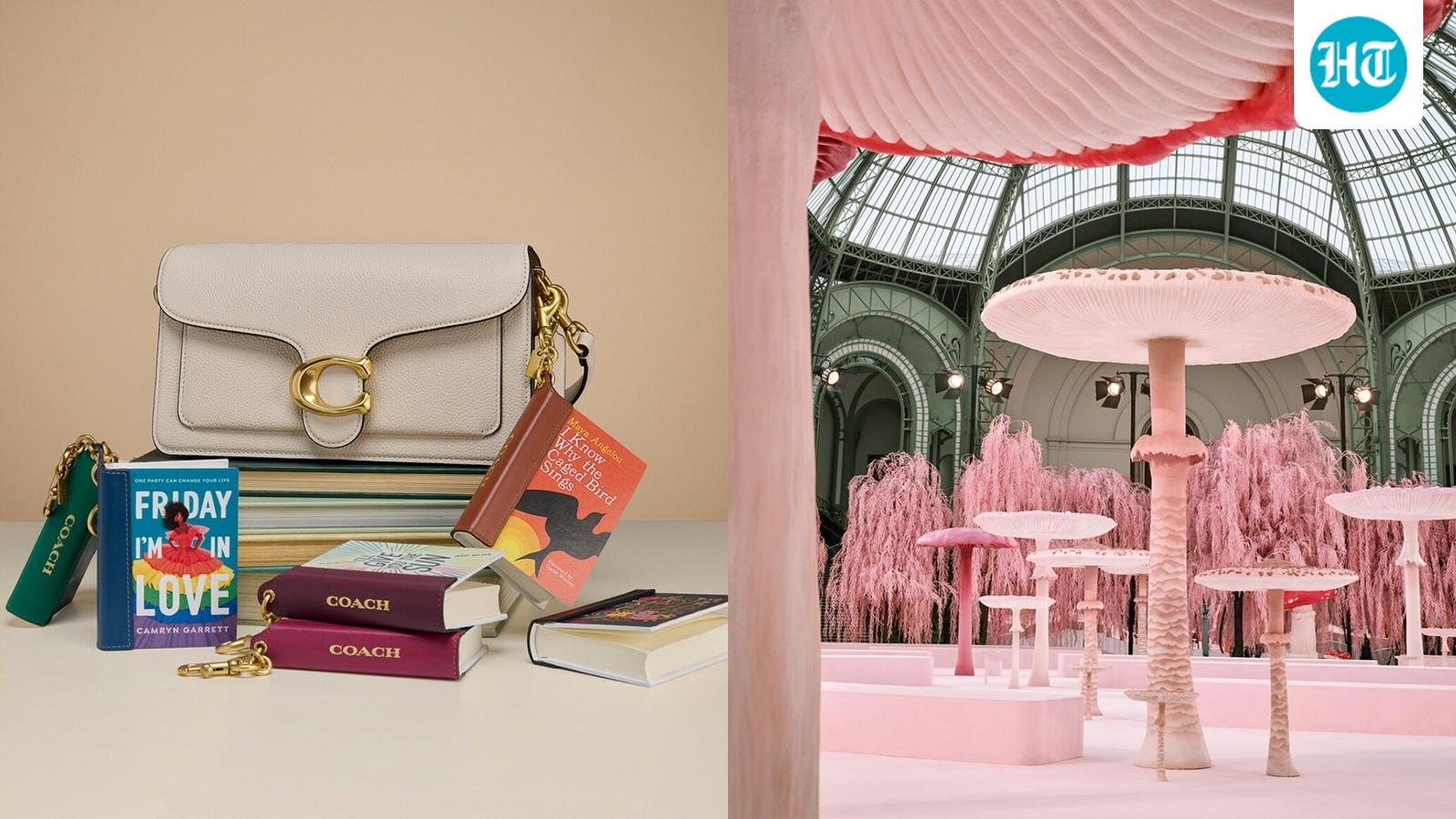
The hope was that reading would become a shorthand for depth and desirability. Instead, it soon became performative, another carefully curated personality trait for the ‘gram.Lately, though, there is a disturbance in the force.Like most influencers, books have also transcended from the aesthetic and segued into the luxury world. They’re becoming cultural accessories signalling genuine aspiration. As the age of AI begins and the world descends further into the Orwellian, the slow burn of books has become a luxury.