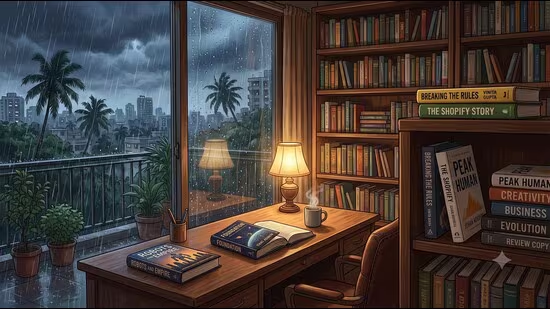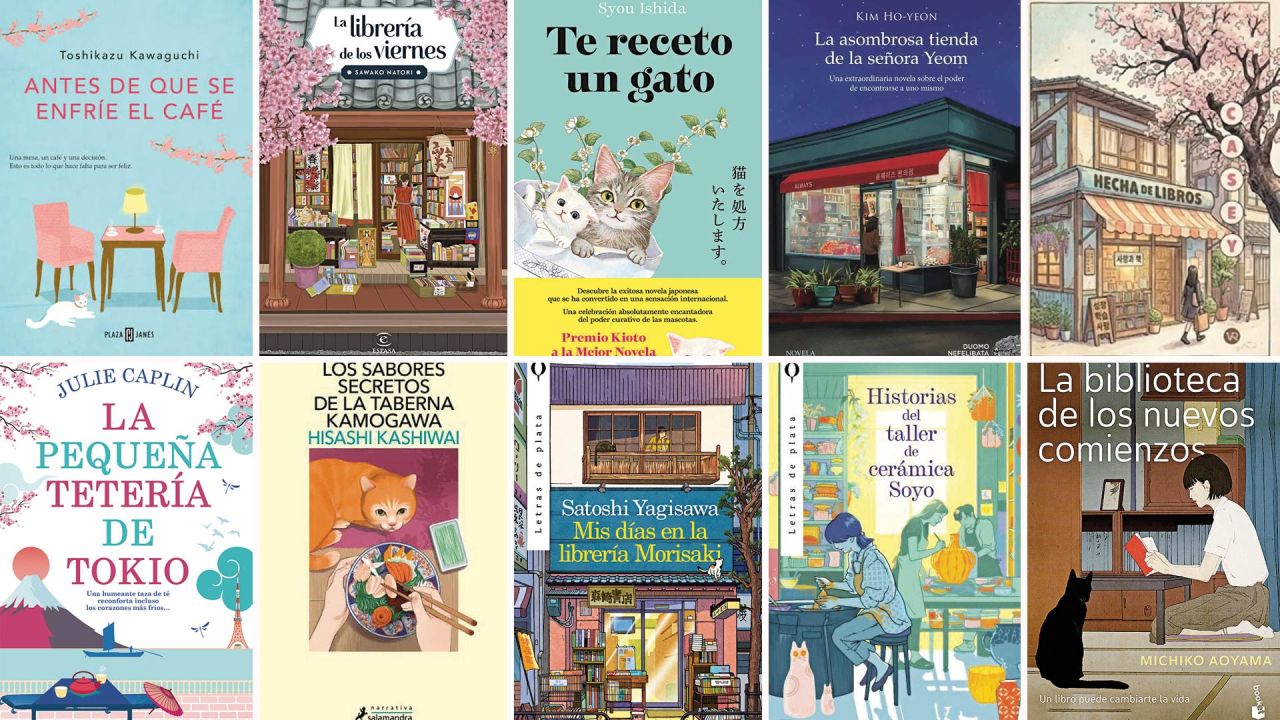
In Satoshi Yagisawa's bestselling Days at the Morisaki Bookshop, Takako retreats to her eccentric uncle's second-hand bookstore in Tokyo's Jimbocho to nurse a heartbreak. Living among dusty shelves and quiet routines, she rediscovers reading. She muses: "I think every serious reader at some point in their life encounters a book like that. And they never forget the experience."For Mumbai-based book blogger and marketer Vidhya A Thakkar, that book was Michiko Aoyama's Hot Chocolate on Thursday. "I discovered these books during a low phase of my life in 2024. I couldn't concentrate enough to read a full novel. These were not only my way back into reading but also part of my healing journey."Bengaluru-based auditor Nishtha Sikka was initially drawn in for practical reasons: they were short, easy to read, with intriguing covers and titles like Letters From The Ginza Shihodo Stationery Shop. "What keeps me coming back is the positivity, nostalgia and sense of belonging I get when I read these books. There's a pattern: ordinary days, food, small problems that resolve gently, community, a listening ear and usually one guiding character."All Lit UpIn an interview with The Nod during his visit to the Kerala Literature Festival this year, Yagisawa said he writes "these stories as an answer to a noisy world. My hope is that readers can use my work as a refuge". Thakkar found exactly that: "They aren't self-help books, but they help you heal. I felt the books found me at the right time."Also Read: Finding hope in sufferingShe isn't alone. Healing fiction-also marketed as UpLit, comfort fiction, or cosy reads-is one of publishing's fastest growing genres, proving that sometimes a book can work as a balm.For publishers, this is no longer a niche. Poulomi Chatterjee, executive publisher and rights director at HarperCollins India, says readers are turning to stories that offer emotional refuge. "Themes such as kindness, second chances, found family and quiet hope answer that need. We've seen a shift towards character-led stories that stay with the readers long after the last page," she says.Alongside international titles like What You Are Looking for is in The Library, Days at the Torunka Cafe and The Vanishing Cherry Blossom Bookshop, there are Indian novels such as Stuti Changle's Stars Will Guide You Home. "Publishers are certainly acquiring more comfort fiction because readers are actively seeking it." The focus, however, remains a good story, not a trend.Booksellers are seeing the demand too. Rachna Chopra of Mumbai's KitabKhana, a self-confessed fan of the genre, has watched healing fiction find readers across generations. She loves its observational prose with kindness at its core. "It makes you reflect, appreciate and slow down. When I picked Welcome to the Hyunam-Dong Bookshop for our book club, one reader said this book saved their life. The books remind us that healing can be found in everyday moments."Also Read: Unbroken spiritWhat binds these books together is less plot than the feeling they leave behind. Kunzum founder Ajay Jain says readers look for something mainstream fiction often bypasses. He identifies three ingredients. First, they are set in insulated, quiet micro-spaces like bookstores or cafes, they are an antidote to the busy city hustle. Second, they provide low-stakes emotional safety, minus the hijinks of most fiction. Finally, they celebrate the sanctity of small routines-smell of old books, freshly brewed coffee and rain on a windowpane. "By elevating these small ordinary things into something sacred, they remind the reader that a good life doesn't need grand, exhausting achievements."Paperback has got your backThe appeal extends beyond sales into reading communities. At The Indian Book Club, members now recommend healing fiction as "a legit genre". Founder Divya Jain says these books spark a different kind of conversation. "Instead of focusing on plot twists or suspense, members talk about emotions, favourite moments and how the stories made them feel. The discussions are often quieter." At Bandra Reads, Days at the Morisaki Bookshop drew one of the club's biggest turnouts. Founder Amie Fazulbhoy says, "Many of our members are young professionals juggling demanding jobs. There's very little time to sit with their emotions. These books help with that."That emotional connection is precisely what makes the genre work, says London-based bibliotherapist, counsellor and author Bijal Shah. "These stories create a gentle emotional space in which readers can sit with difficult feelings without being overwhelmed. They allow emotions to be explored at a safe distance, while offering connection, reflection and hope," she says. She adds that literary fiction can be particularly valuable during periods of transition such as bereavement, burnout, divorce and retirement.The settings matter, too. "Nostalgic settings such as bookshops, cafes and libraries are powerful because they evoke familiarity, belonging and emotional safety," says Shah.Psychologist Namrata Upadhyay says while these books cannot replace psychotherapy, their popularity mirrors a wider shift in how people are approaching mental health and emotional resilience. "People are seeking resources that help them understand emotions, cultivate resilience and feel less alone. This genre may approach these themes without becoming overtly instructional that can feel less prescriptive and personally meaningful."Sikka says: "Such books slow you down on purpose. The stories are a warm hug for anyone who needs it." And sometimes, a hug is all one reads.(Disclaimer: The opinions expressed in this column are that of the writer. The facts and opinions expressed here do not reflect the views of www.economictimes.com.)
Book, a treatment: When stories become a balm for the soul
The genre of healing fiction is blossoming, offering readers a comforting escape and nurturing emotional well-being. As publishers recognize its popularity, the demand for these stories continues to rise, reflecting a widespread yearning for connection among audiences of all ages. Healing fiction encourages readers to slow down, cultivate mindfulness, and embrace the ordinary joys of life, making it a cherished choice in the literary landscape.
891 words~4 min read