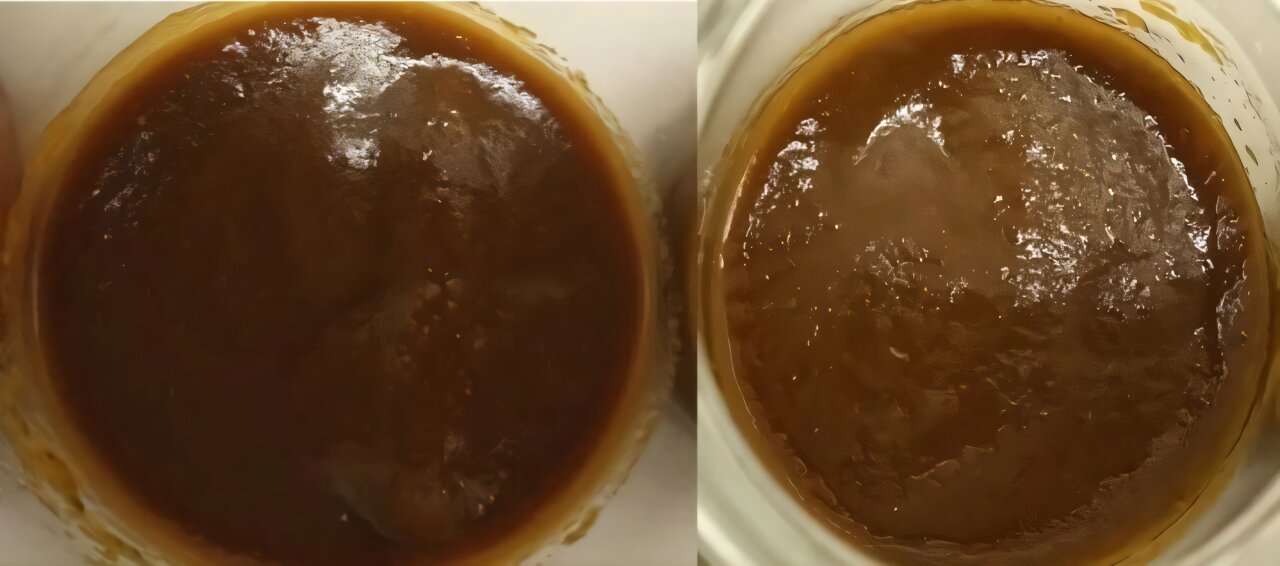
Tomato ketchup recipes that contain 3% (left) or 5% (right) algal protein extracts balanced enhanced nutritional value and consumer acceptability compared to commercial ketchup. Credit: Adapted from ACS Food Science & Technology (2026). DOI: 10.1021/acsfoodscitech.6c00450
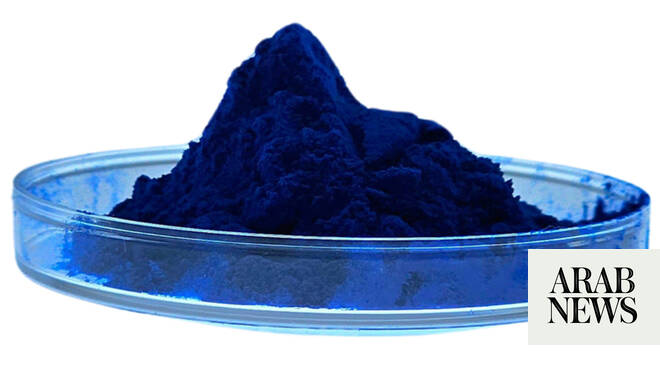
Added protein is showing up in foods from breakfast cereal to pasta, but not many condiments … yet. Researchers have now developed an enriched tomato ketchup by incorporating protein extracted from algae. A panel of taste testers preferred recipes containing up to 3% added algal extract, saying the samples maintained the sweet, tangy taste and reddish appearance expected of the condiment.
"We wanted to improve the nutritional value of a widely consumed condiment using a sustainable protein source," says Parise Adadi, the corresponding author of the study published in ACS Food Science & Technology. "Ketchup is familiar, shelf-stable and suitable for incorporating functional ingredients."
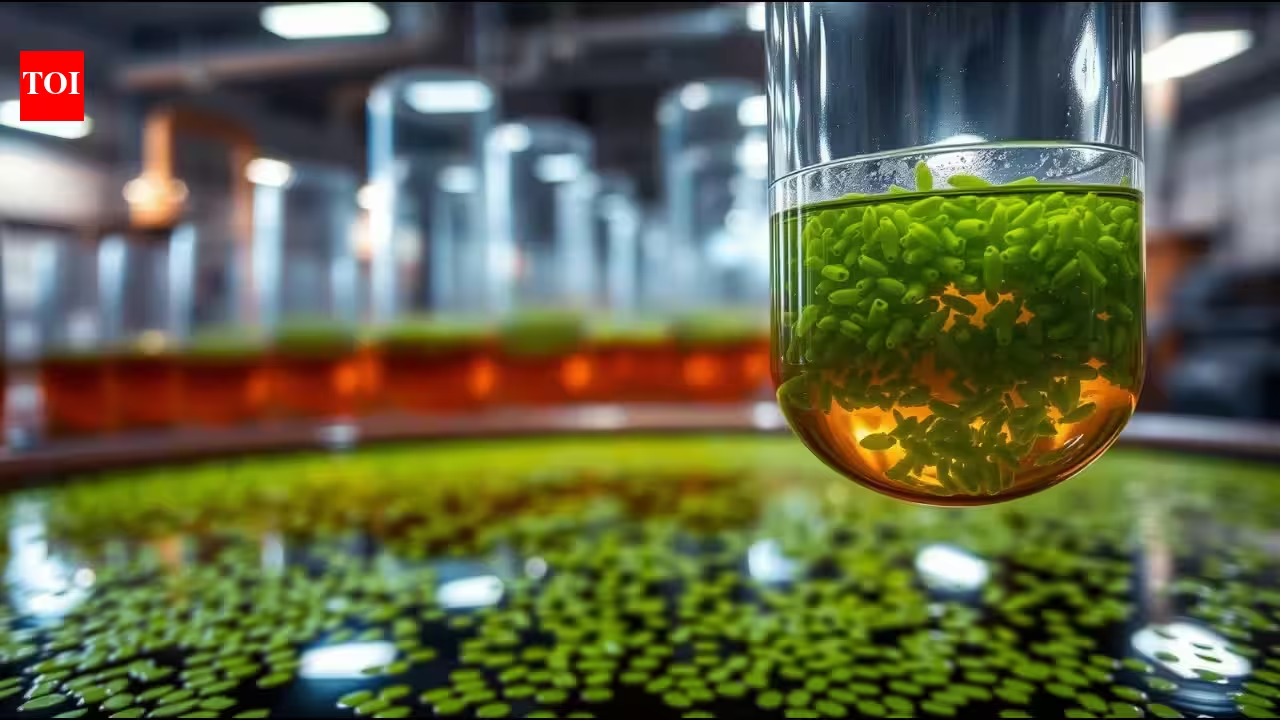
Although many protein-added foods get their enrichment from whey, pea or soy sources, Adadi and colleagues wanted to try a potentially more sustainable alternative: microalgae that are rich in protein. "Chlorella vulgaris can be cultivated rapidly throughout the year using comparatively little land and freshwater, making it a potentially more resource-efficient protein source than many terrestrial crops," says Adadi.