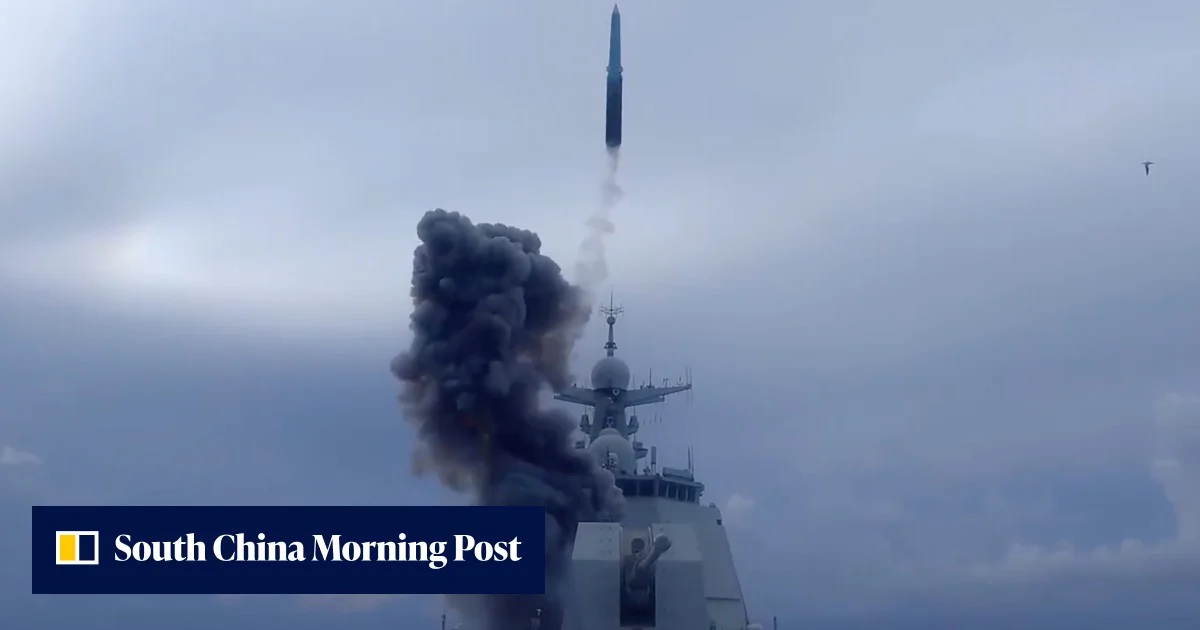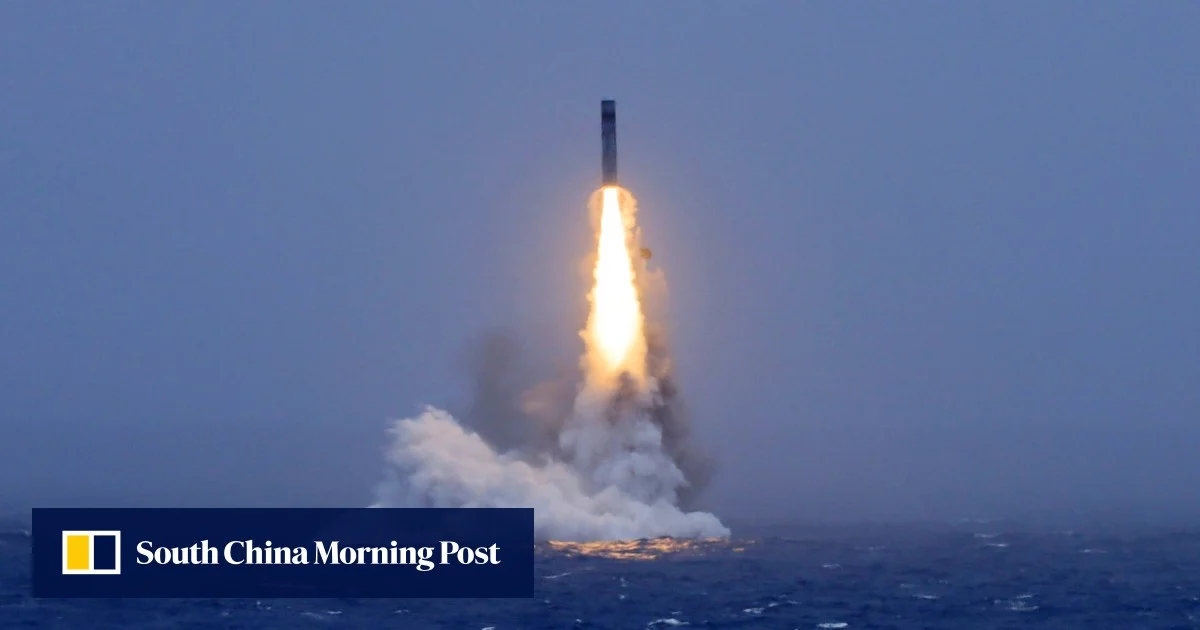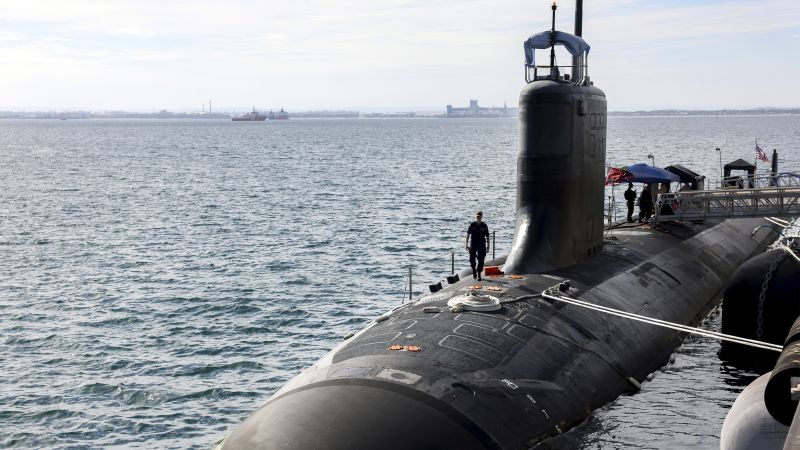
The US Navy this week announced a “pivotal shift” in its future submarine force, and it’s a move analysts say provides important insights into how Washington would fight any possible conflict in the Pacific, where China is rapidly building up its forces.
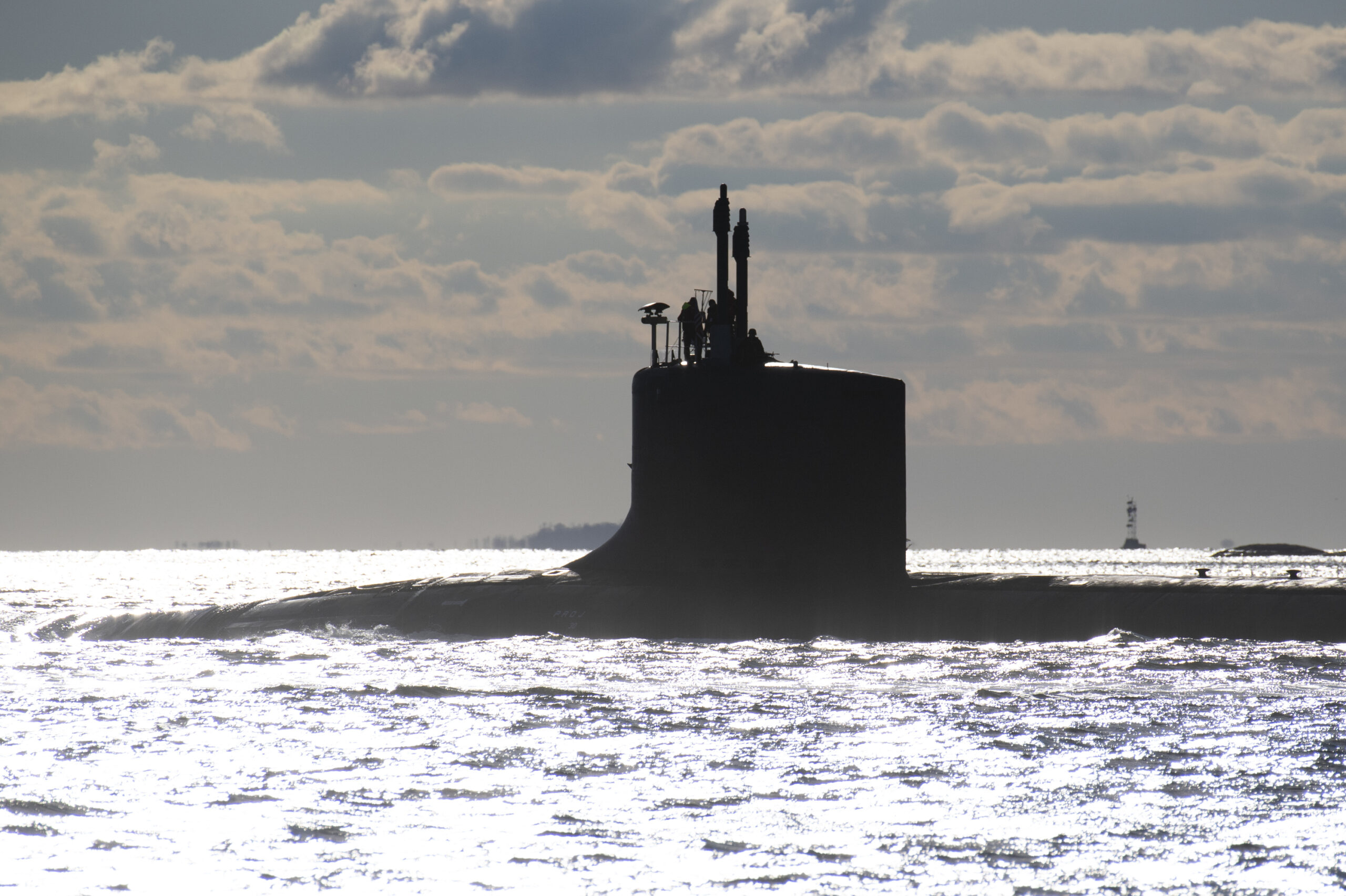
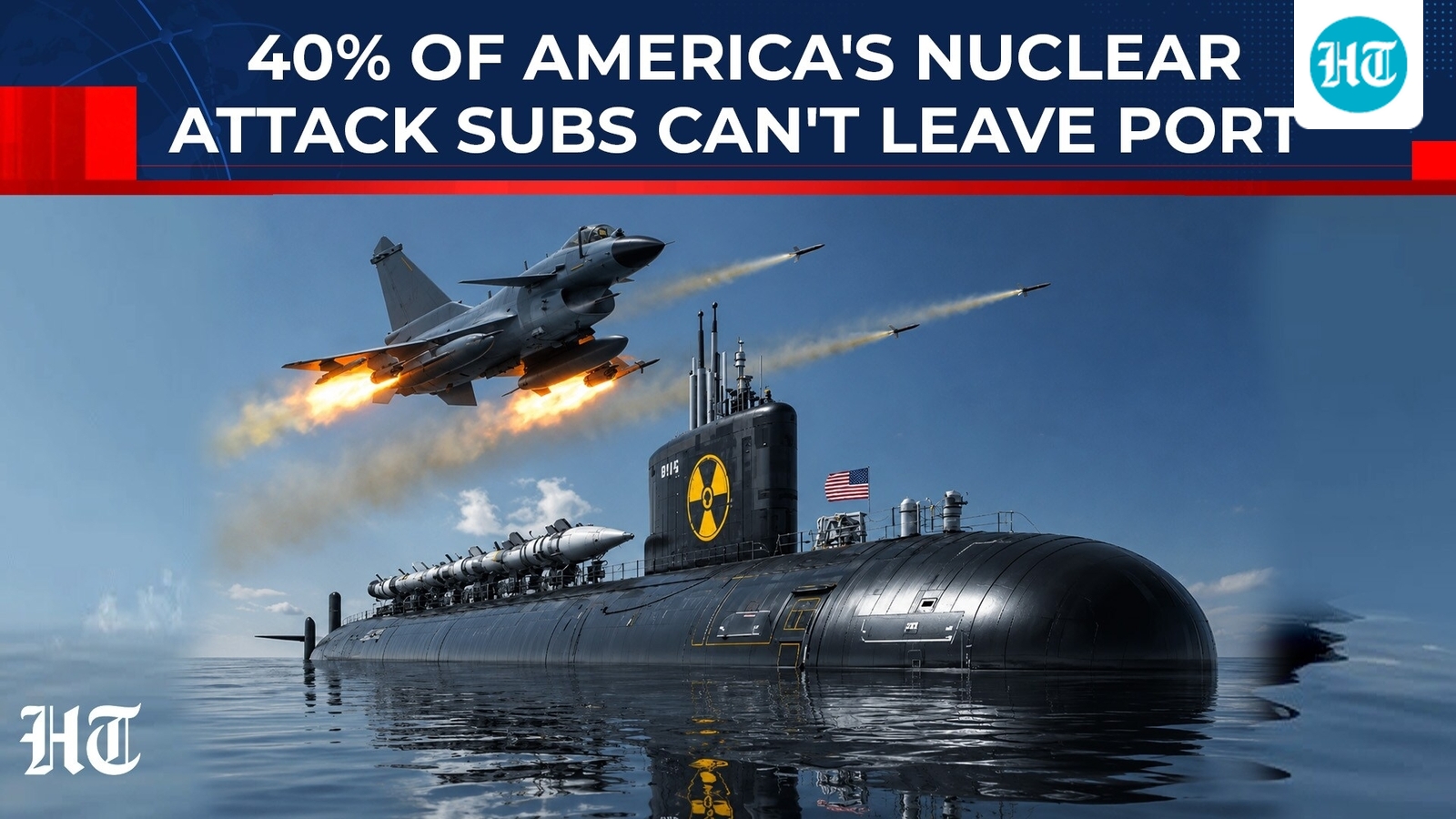
The Pentagon announced that 19 planned nuclear-powered Virginia-class attack submarines (SSNs) would now be classified as guided-missile submarines (SSGNs) and fitted with the Virginia Payload Module (VPM), an 84-foot-long section which adds 28 missile-launch cells to the 12 on current versions of these subs.
Those cells can be loaded with Tomahawk land-attack missiles as well as hypersonic vehicles. Combined with the stealthy abilities of submarines, this will provide the new boats with a crucial ability to get inside China’s missile defenses, analysts say.
“Submarines are one of the few capabilities which can loiter forward, near or within the first island chain in relative safety,” said Sidharth Kaushal, senior fellow at the Royal United Services Institute (RUSI) in London, referring to the string of islands from Japan southward through Taiwan and the Philippines, inside of which Beijing can bring the most firepower to bear.
“Second, hypersonic missiles represent a capability against which US adversaries – which otherwise enjoy robust air defenses – have more limited defenses,” Kaushal said. And getting the high-speed, maneuverable missiles closer to their targets strains adversary reaction time.