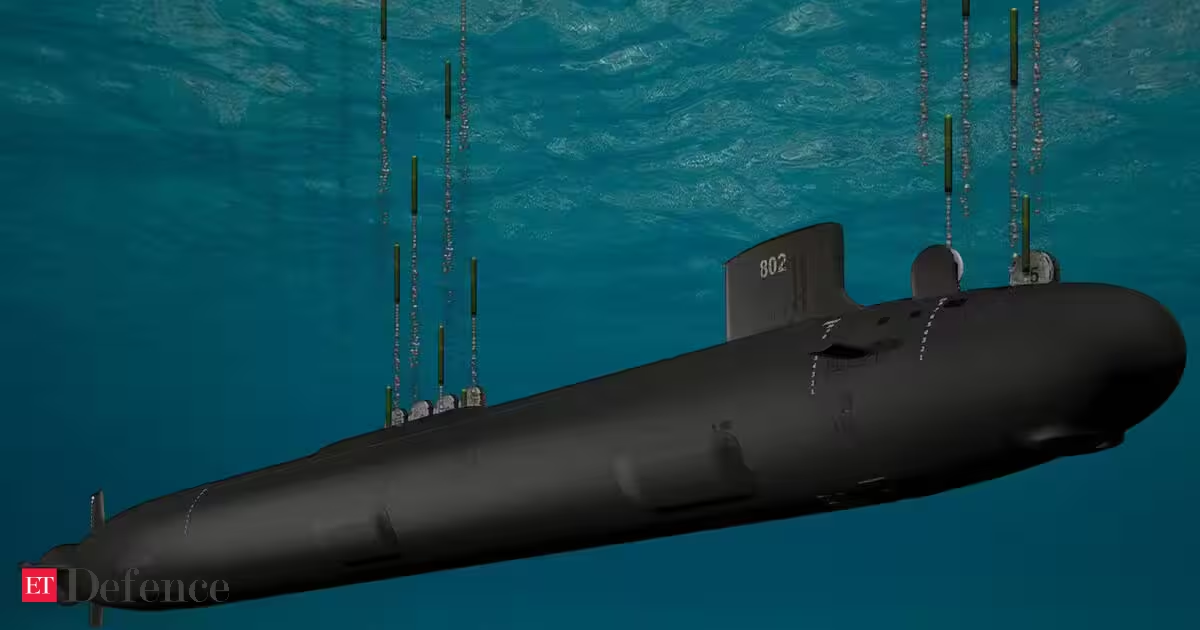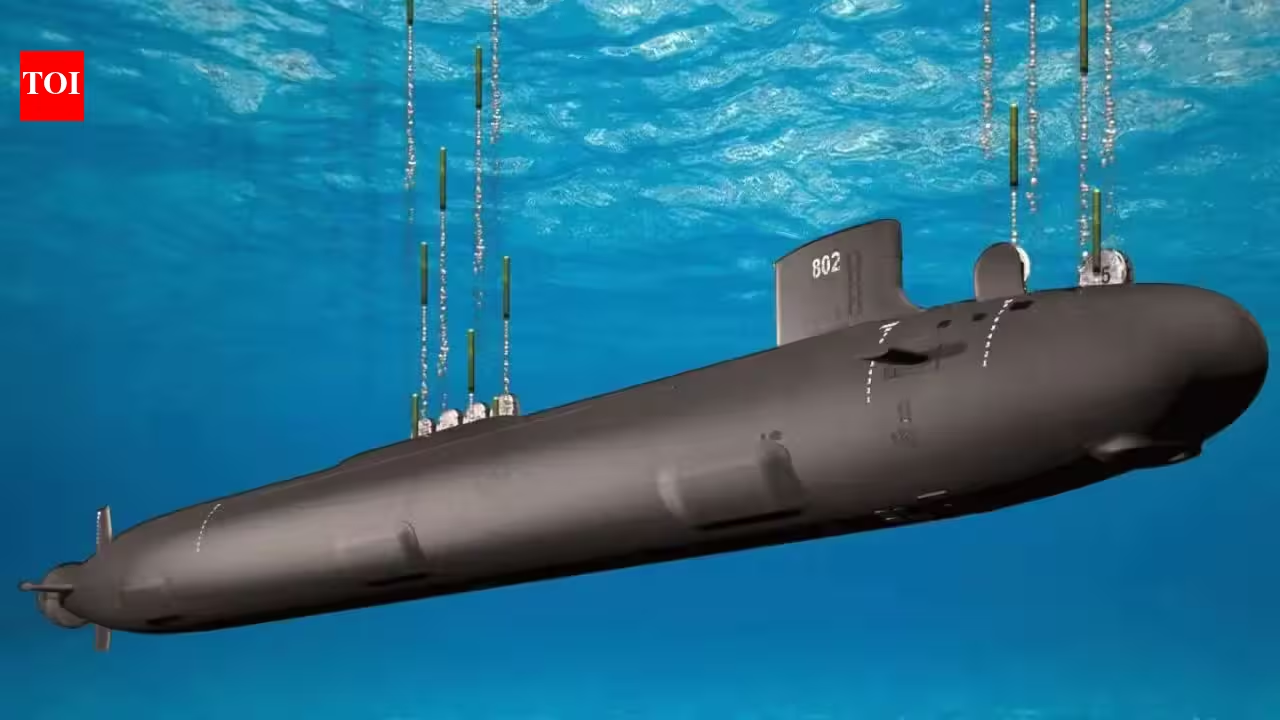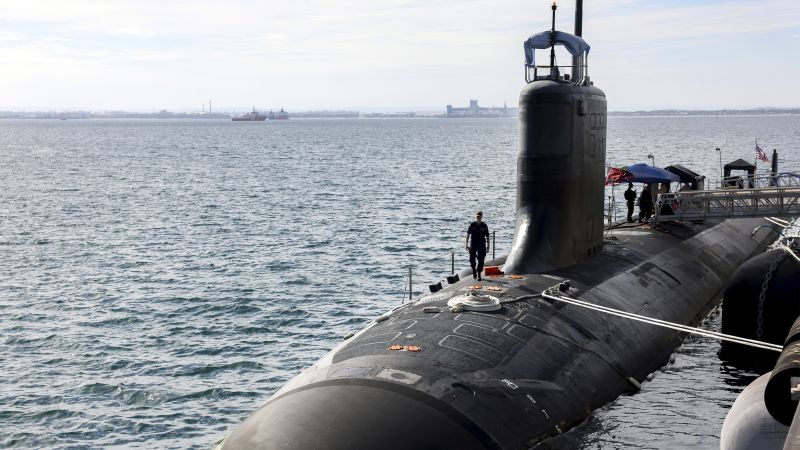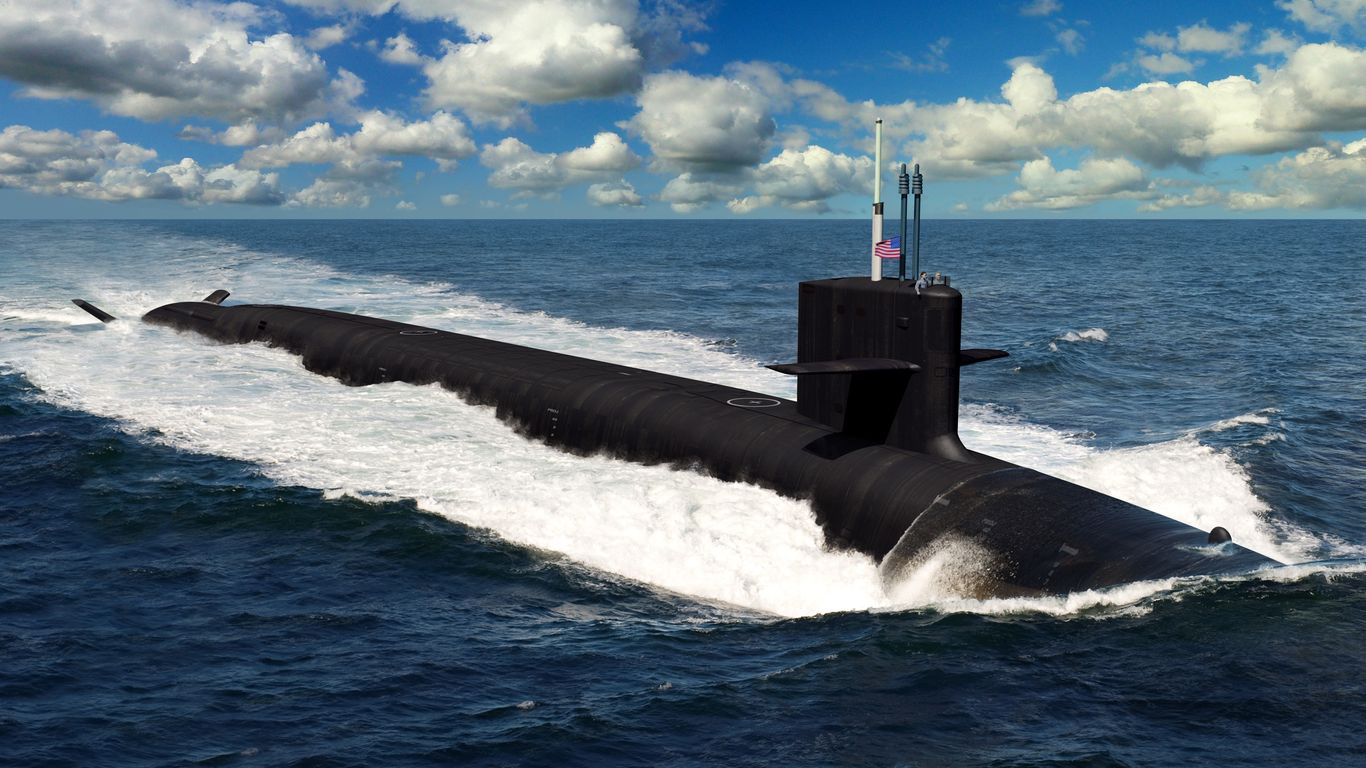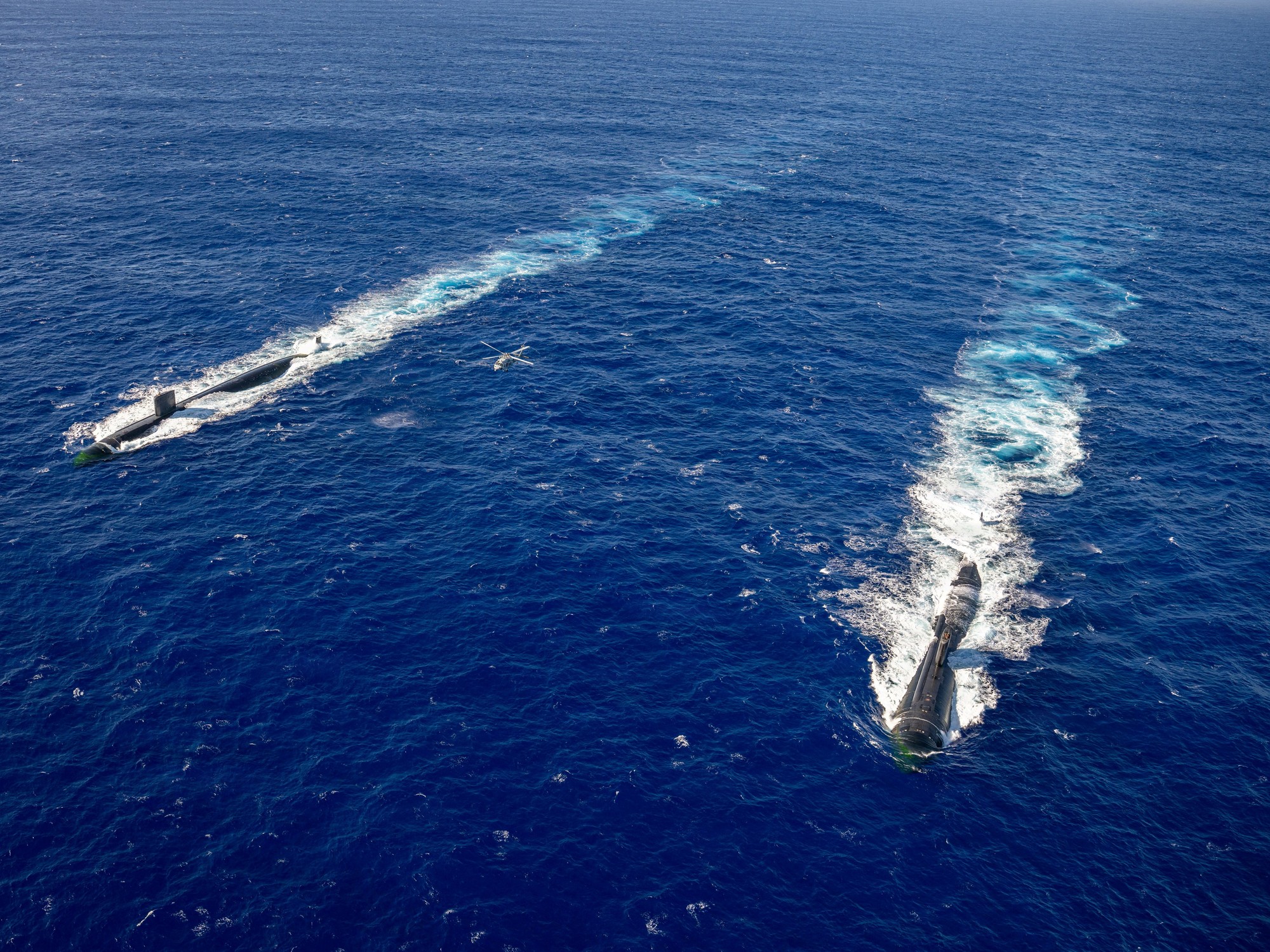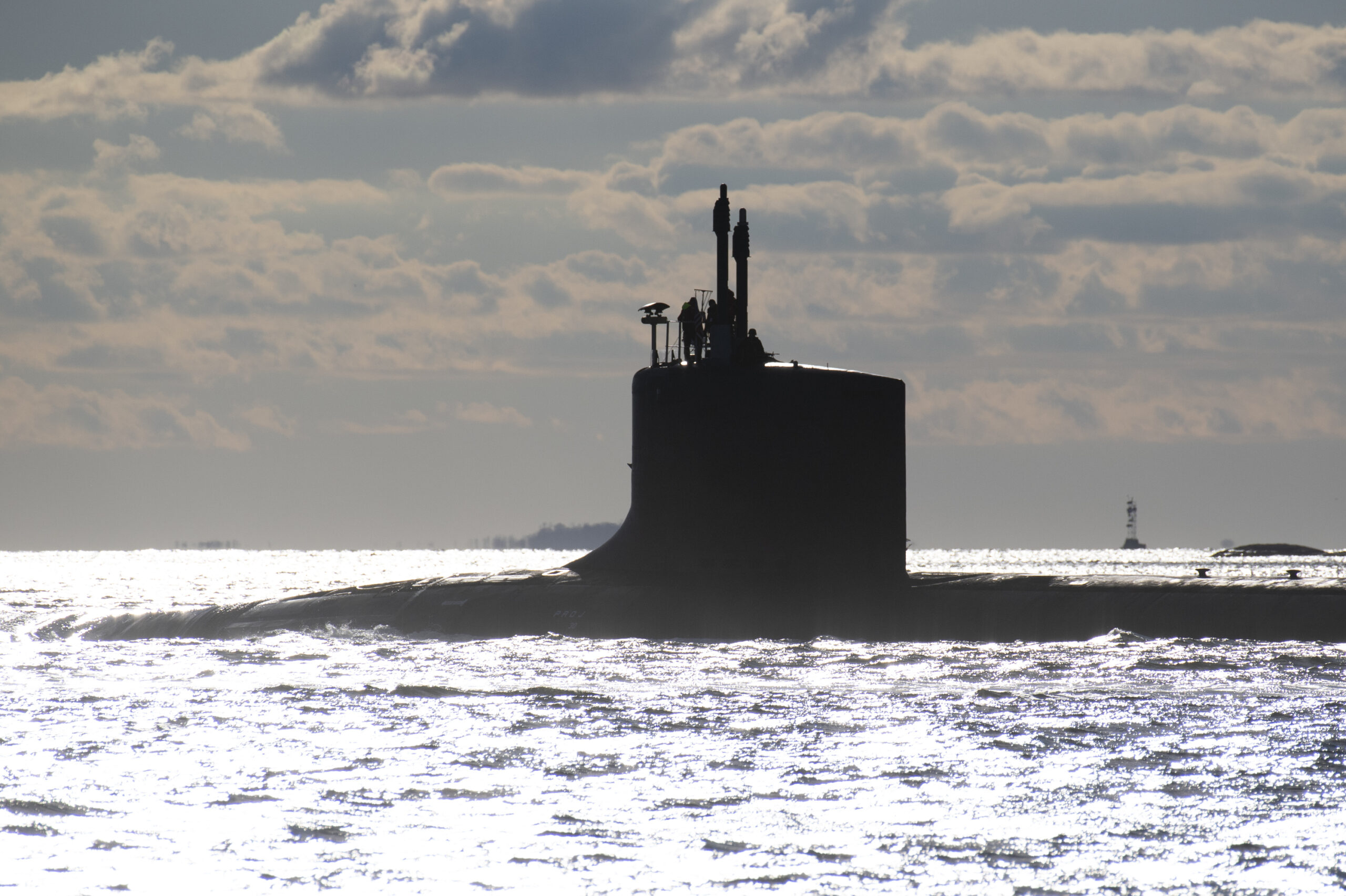
What’s in a name? For nineteen planned US nuclear-powered submarines (SSNs), the US Navy’s August 3 decision to reclassify them as guided missile submarines (SSGNs) is more than a bureaucratic change. The new label reflects their growing role in spreading strike power across the fleet. But here is also a broader lesson: Innovation can mean giving familiar technology a new mission.
We asked Joshua VerGow, senior fellow with our Forward Defense program, and Abigail Rudolph, the program’s assistant director, what the change means for the future of undersea warfare.
1. What does the reclassification change?
When most people hear that the Navy is redesignating nineteen submarines, it might sound like the kind of bureaucratic change that only matters to people inside the Pentagon. It’s much more significant than that. What the Navy is really doing is signaling that it’s changing how it intends to fight.
To understand why, it helps to know how the Navy classifies submarines. An SSN is a nuclear-powered attack submarine. Traditionally, these boats are designed to hunt enemy submarines and surface ships, gather intelligence, support special operations forces, and strike targets on shore using a relatively limited number of cruise missiles. An SSGN, by contrast, has historically referred to a nuclear-powered guided missile submarine built around delivering a much larger volume of long-range precision strikes. While both types can launch missiles, the distinction has generally reflected the submarine’s primary mission rather than simply the hardware onboard.