Story audio is generated using AI
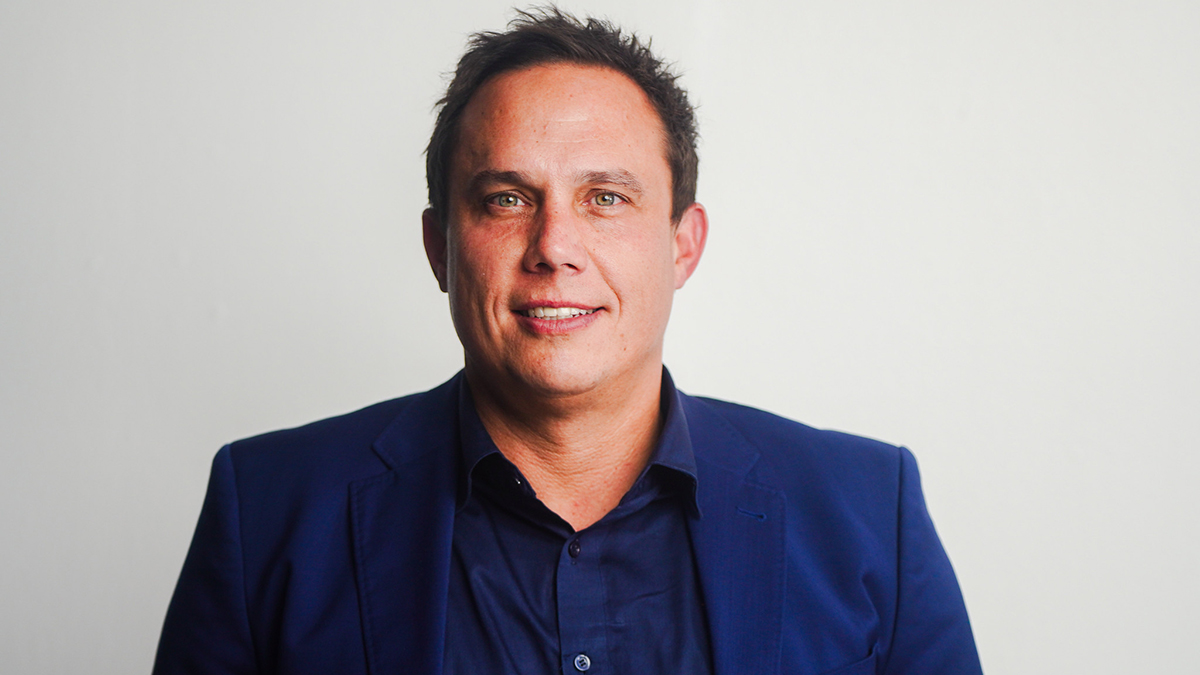
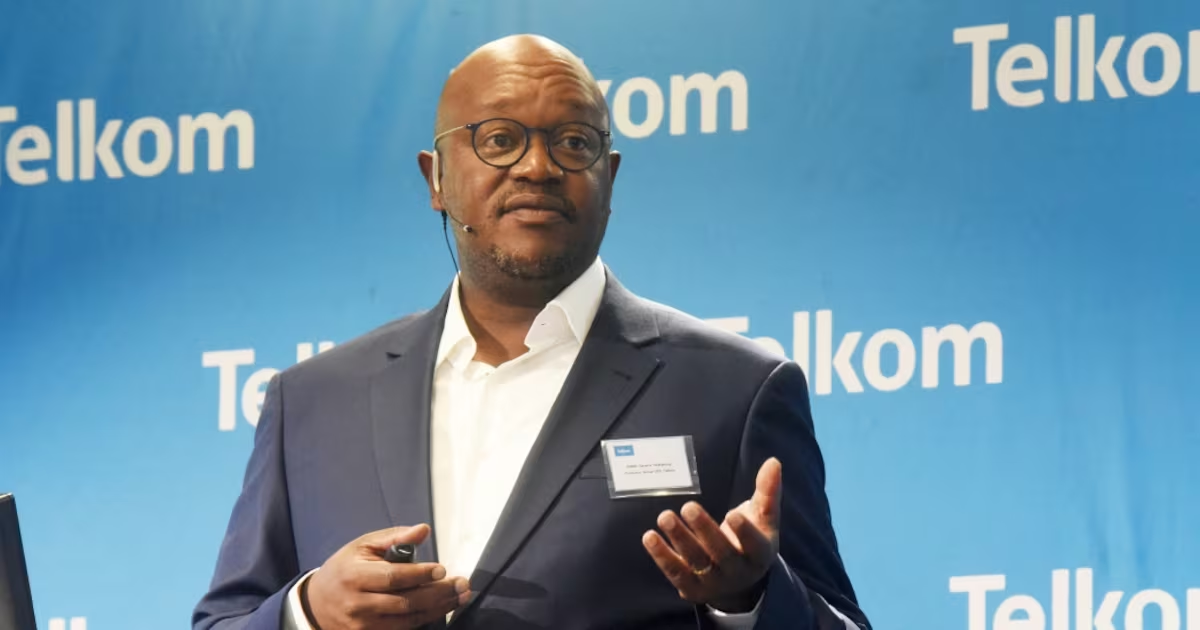
Telkom is banking on its newly launched Openserve internet service provider (ISP) to unlock growth from hundreds of thousands of fibre-ready homes that remain unconnected, as the group seeks to extract more value from its fibre networks to lift connectivity rate.Launched in July, the ISP forms part of Openserve’s strategy to improve network utilisation, increase fibre adoption and boost connectivity rates across its footprint without compromising its longstanding wholesale open-access model. Openserve’s network currently passes about 1.6-million homes and has about 844,000 active connections. That leaves roughly 722,000 homes that can access fibre services but remain unconnected. The company believes its own ISP can help close that gap. Speaking to analysts after the release of Telkom’s first-quarter results on Monday, group CEO Serame Taukobong said the opportunity lies in the large number of homes that already have access to Openserve’s fibre network but are not taking up services from current ISPs that are “either unable or not willing to connect these homes”. “That’s a key focus of this ISP. It is something not totally different to what other operators are doing. Openserve currently has approximately 722,000 homes that are not connected. Therefore, the ISP will support the efforts of the business to improve the connectivity rate, as the focus will be connecting the homes that other ISPs are not willing or unable to connect,” he said.The connectivity rate, a key measure of how many fibre-ready homes turn into paying customers, has become one of Openserve’s most important growth metrics. During the three months to June, Telkom’s first quarter of its 2027 financial year, Openserve increased its connectivity rate to 53.9%, an improvement from a year earlier, while homes connected rose 16.6% to 843,563.Management has now set its sights considerably higher.“One of the key focus areas we’ve set for Openserve is we need to get our connectivity rate from 53% to 60%,” Taukobong said during the question-and-answer session. “This is one of the ambitions to make sure that we are utilising our assets and being able to achieve this ambition.”Openserve increased revenue 5.6% to R3.3bn during the quarter, while ebitda grew 6.7% to R1.1bn. Fibre-related data revenue increased 6.6% to R2.6bn and now contributes almost 90% of the division’s total operating revenue, highlighting the importance of fibre services to future earnings growth.Taukobong dismissed suggestions that the launch of Openserve’s ISP signalled a departure from its wholesale roots. Instead, he argued that the company continues to grow through partnerships with independent service providers while seeking additional channels to improve fibre adoption.“Let me emphasise, we remain fully aligned to our wholesale open-access strategy,” he said. “We remain committed to providing fair, transparent and non-discriminatory access to all service providers on the Openserve network.”Openserve has 150 ISPs who use its fibre network to provide internet services to customers. Responding to questions about the drivers of Openserve’s external revenue growth, Taukobong said the business remains focused on strengthening relationships with existing wholesale partners.“Contrary to the implied tension with Openserve launching its own ISP, that external revenue is actually driven by stronger partnerships with existing ISPs and actually mining the growth through those ISPs,” he said. The launch comes as Telkom continues to benefit from a broader shift towards data services. Group data revenue rose 8.8% to R6.9bn in the first quarter and now accounts for 62.4% of total group revenue, up from 58.8% a year ago. Mobile and fibre-related data services generated an additional R561m in revenue during the quarter, helping to offset declines in legacy fixed-line services. Business Times