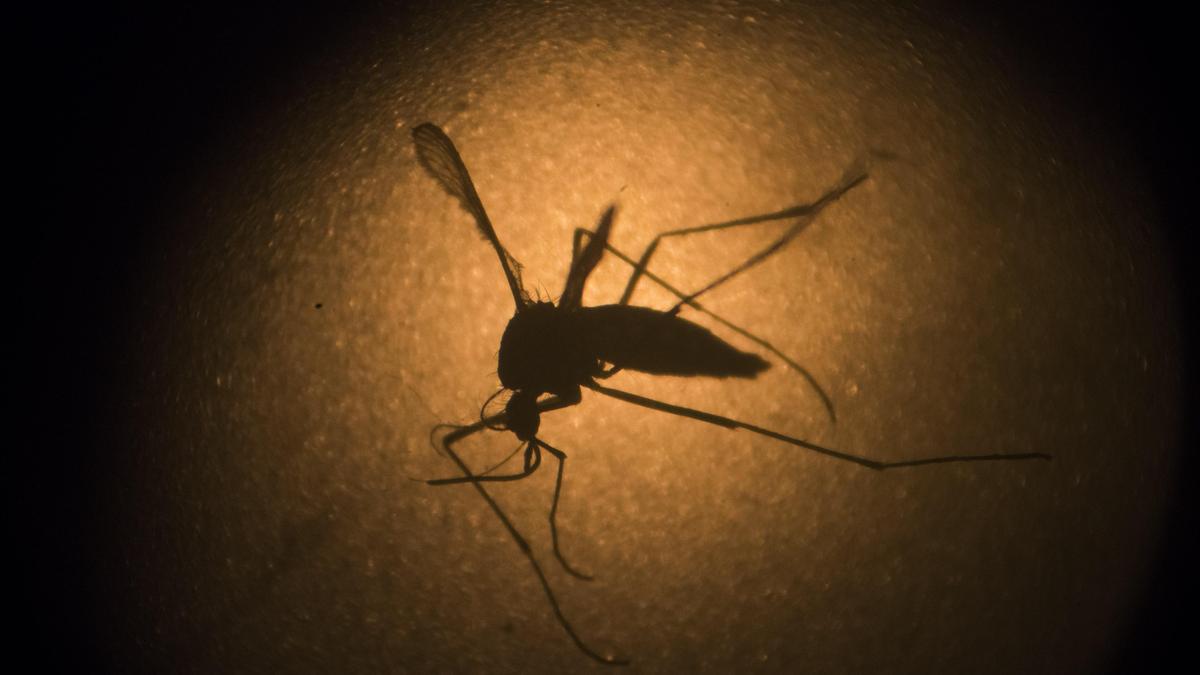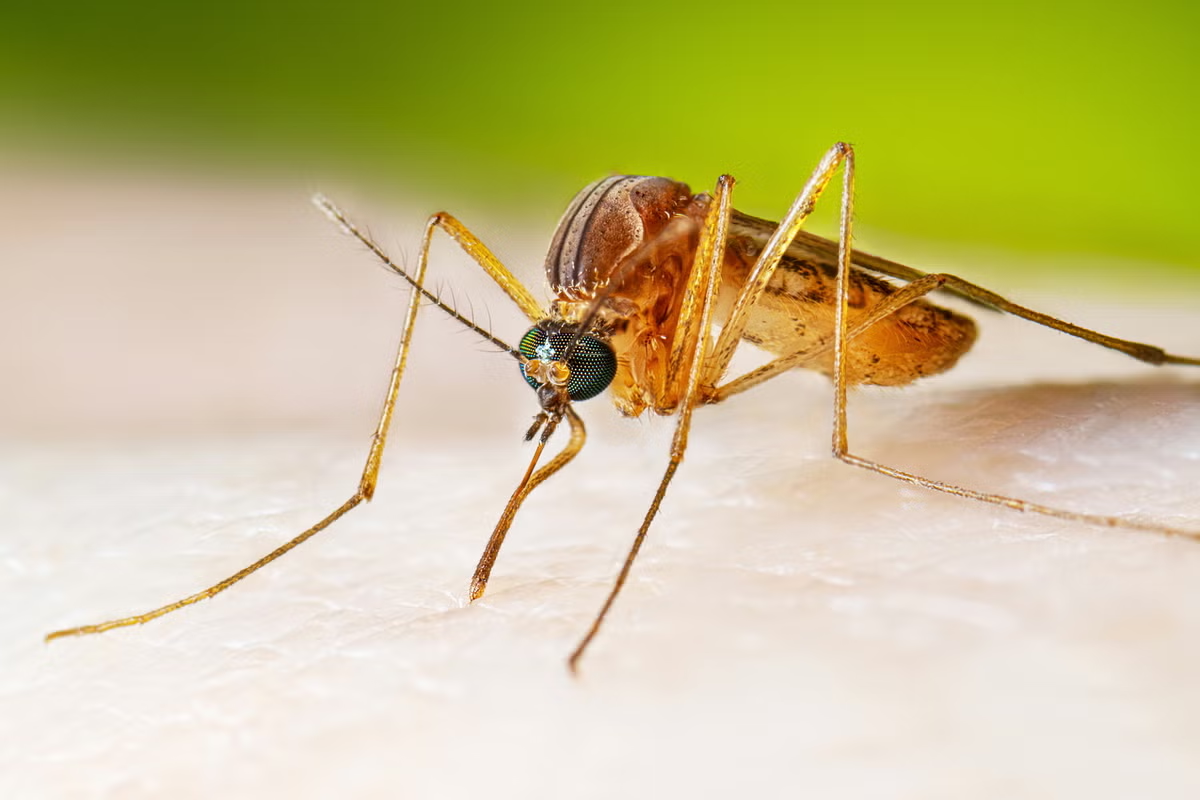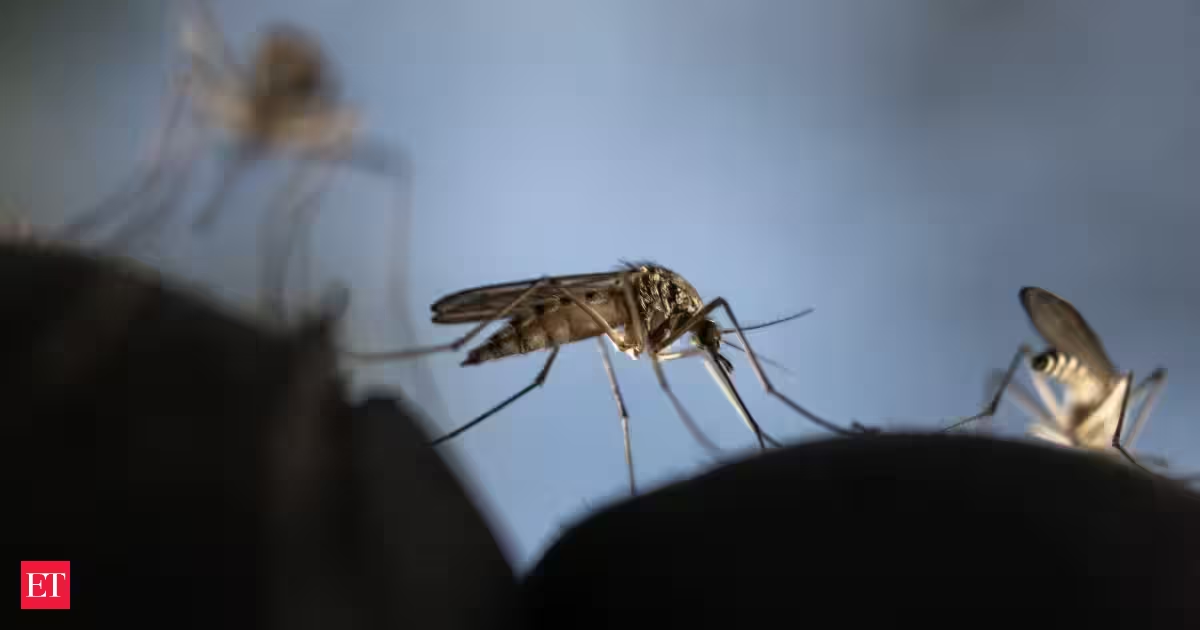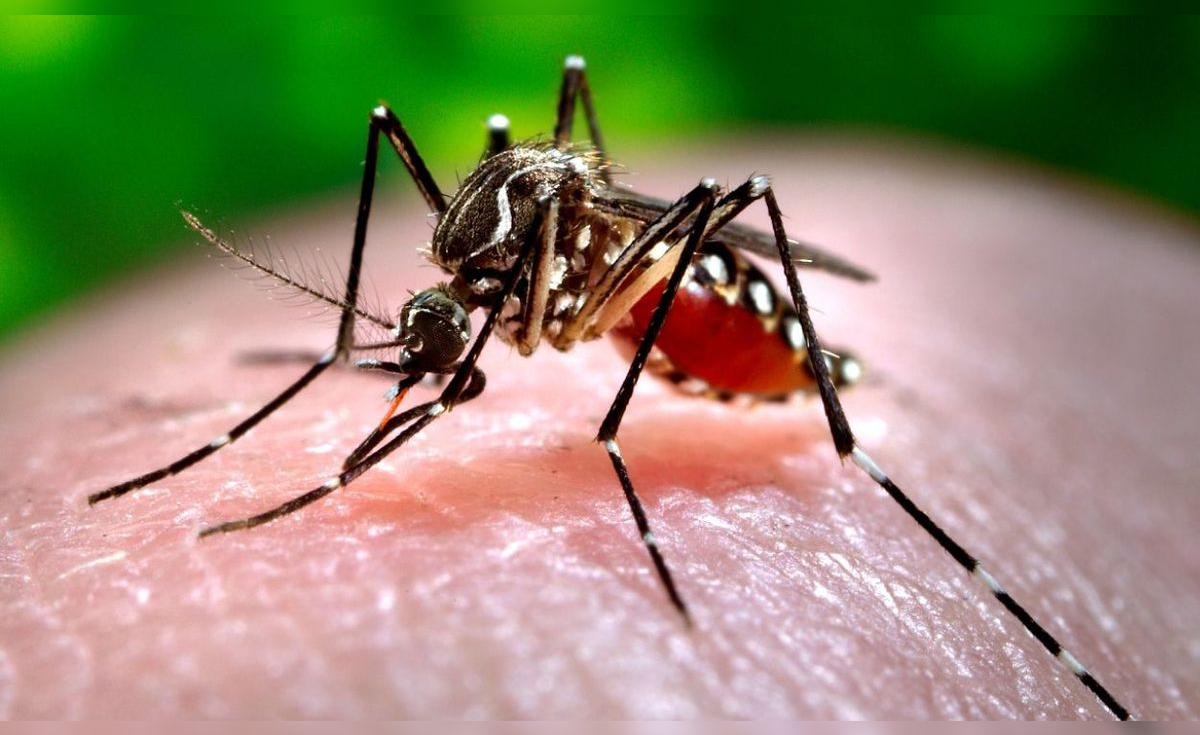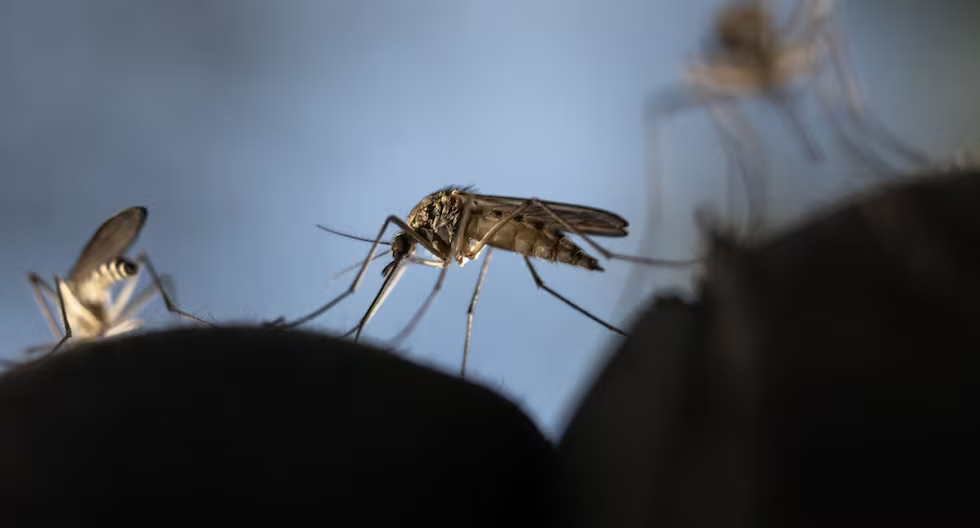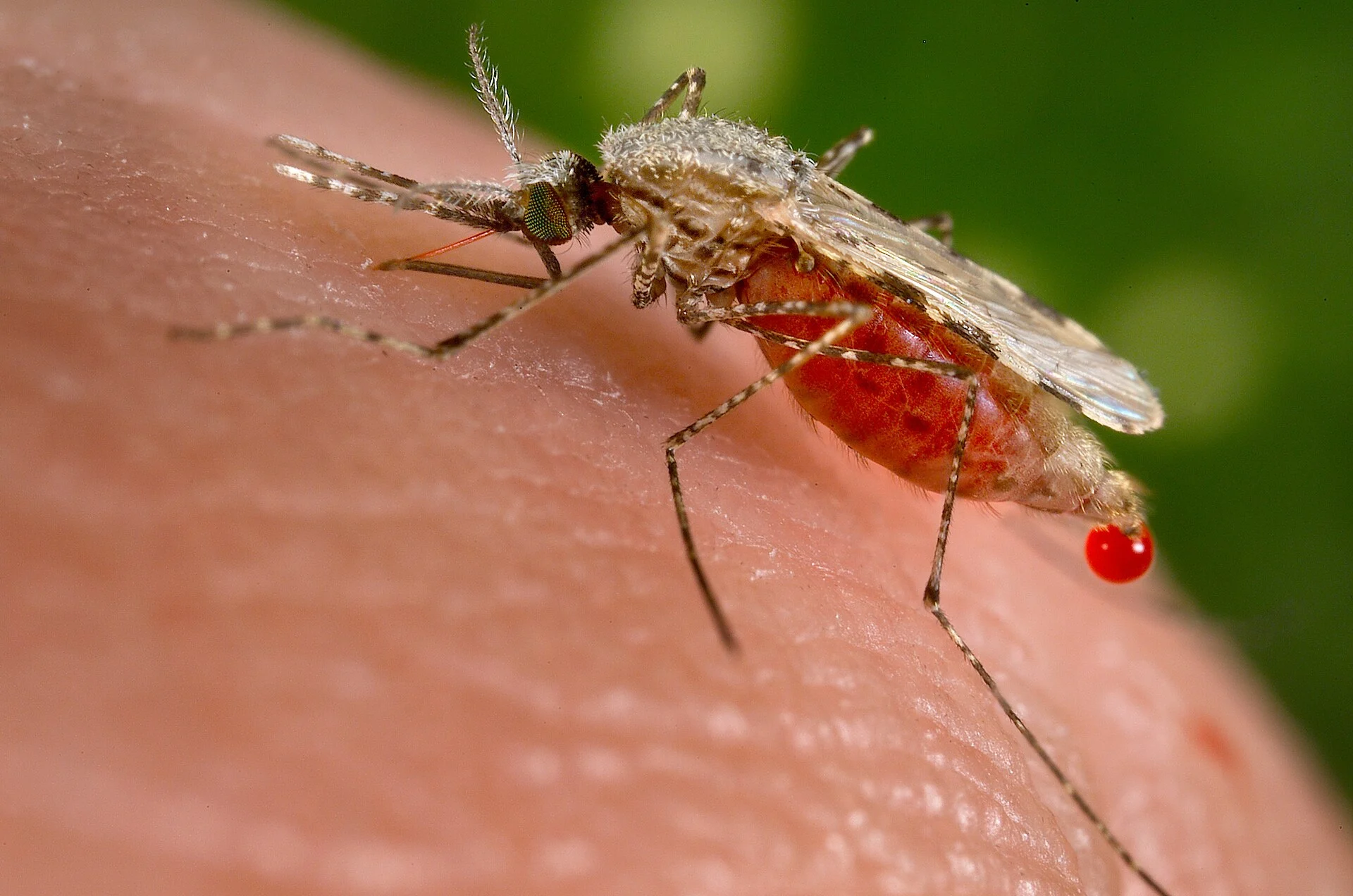
Malaria parasites are spread to people by infected mosquitoes. (Imazins/Image Bank Films/Getty Images)
Microorganisms' ability to evolve rapidly has given them a leg up in this microbe-eat-microbe world.As quickly as one organism evolves a defense, another evolves a way to overcome or evade it. Scientists refer to this as an evolutionary arms race, and it's one of the most powerful evolutionary forces in the natural world.It becomes a problem for us when microbes turn this impressive arsenal of rapid evolution against the drugs we use to fight deadly infections.And in the case of the most pernicious malaria pathogen, that drug resistance is becoming worryingly complex.According to a new genetic analysis of Plasmodium falciparum – the parasite responsible for the most dangerous form of malaria – the pathogen appears to be stockpiling adaptations linked to resistance against a wide swath of drug treatments."These findings underscore the dual challenge of persistent resistance to discontinued drugs and rising threats to current frontline therapies," write infectious disease researchers led by Alemayehu Letebo of the Armauer Hansen Research Institute in Ethiopia, Leen N. Vanheer of the London School of Hygiene and Tropical Medicine in the UK, and their colleagues.Their findings have been detailed in Nature Microbiology.