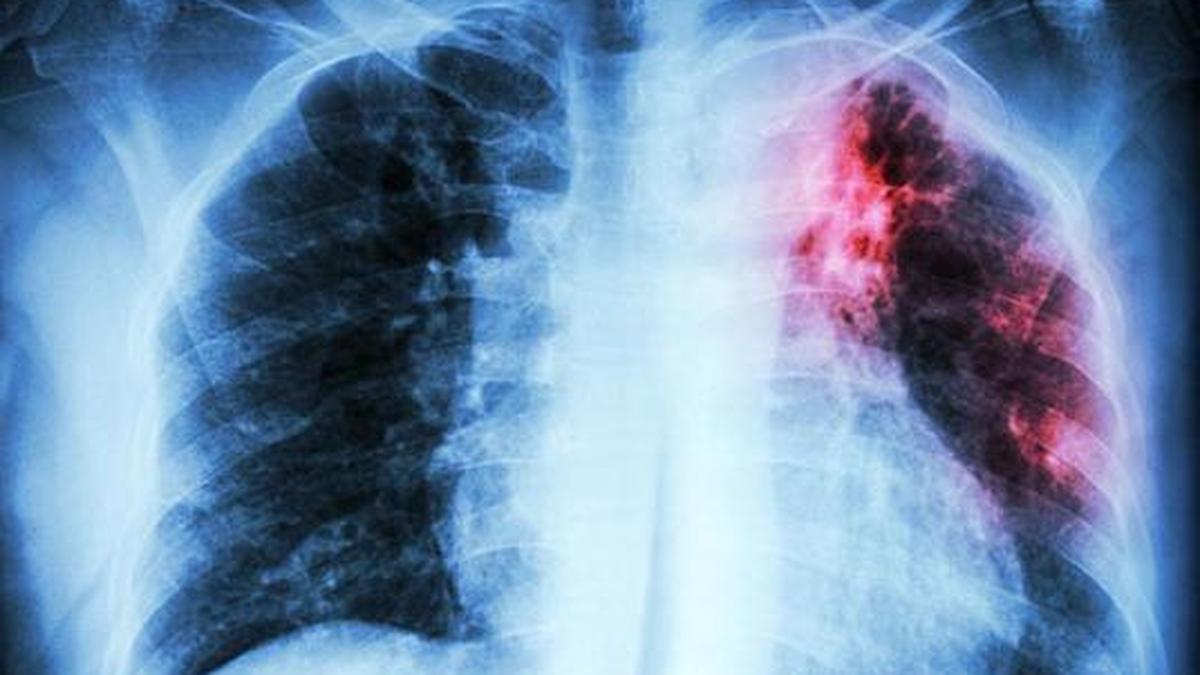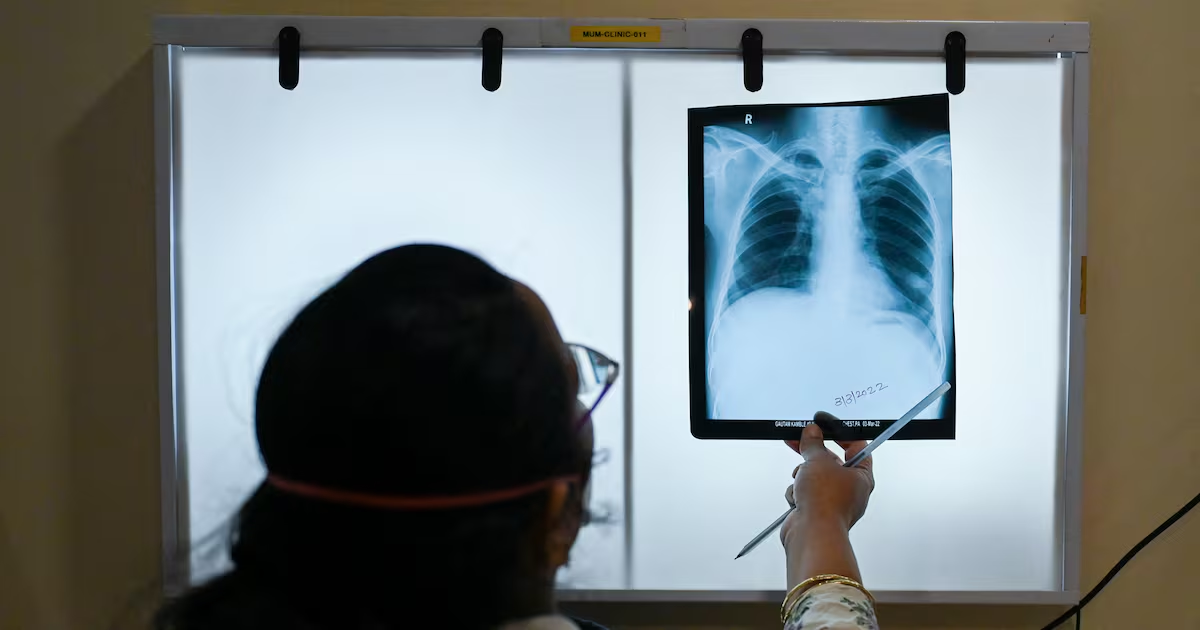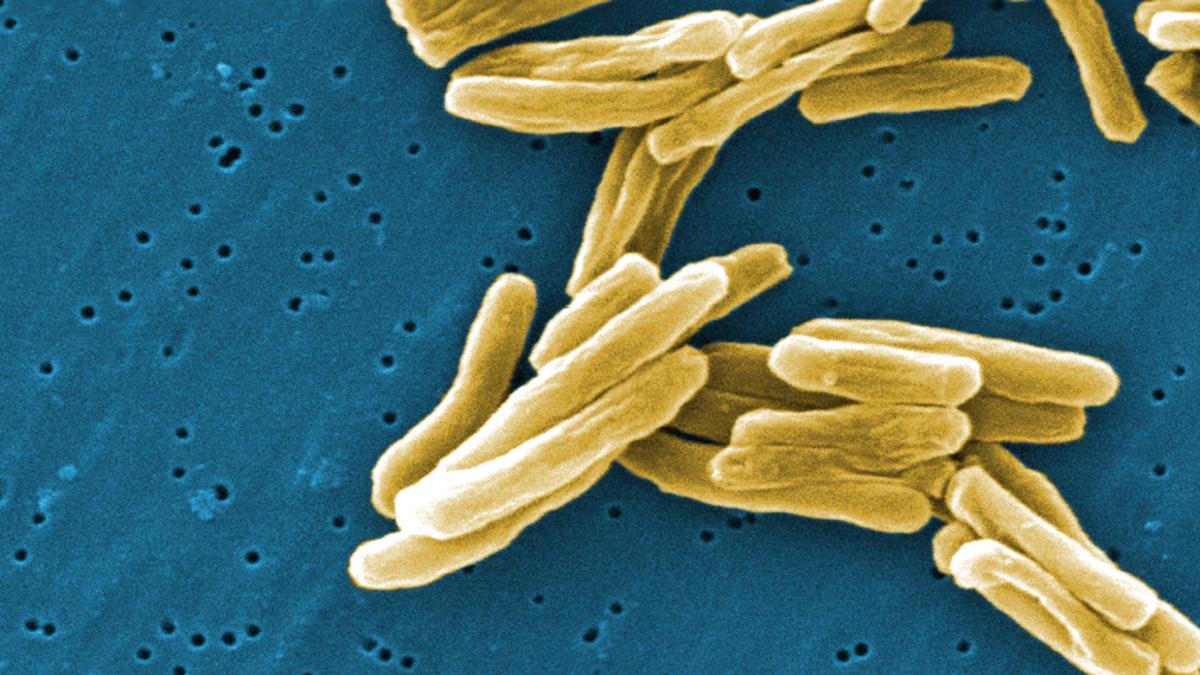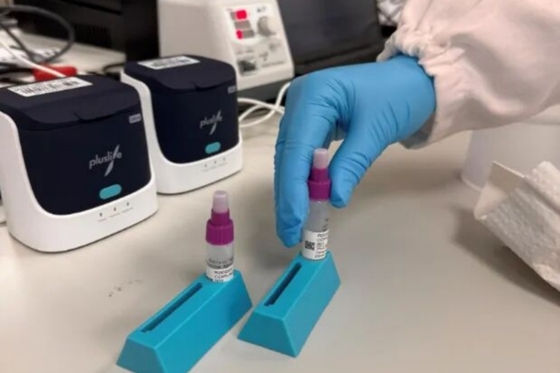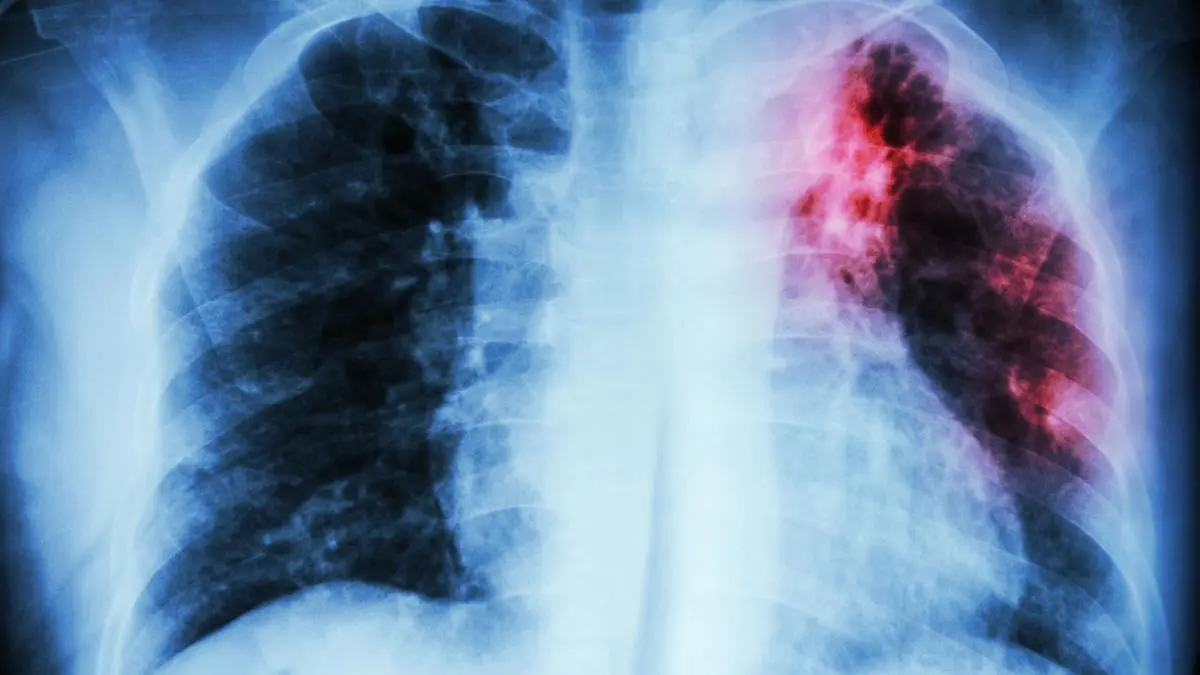
Tuberculosis (TB) is a killer disease. The discovery of antibiotics pushed forward the fight against the bacteria that causes this illness. But another emerging challenge is drug-resistant TB.TB is caused by the bacterium Mycobacterium tuberculosis. Rifampicin is the primary antibiotic used to treat TB. When TB-causing bacteria become resistant to Rifampicin, it leads to multidrug-resistant TB (MDR-TB) or extensively drug-resistant TB (XDR-TB), which are much harder to treat.Bacteria develop resistance through genetic mutations, namely changes in their DNA. The resistance to Rifampicin mostly occurs when a gene called rpoB mutates.Currently, WHO-approved tests focus only on a section of the rpoB gene, called the Rifampicin resistance determining region (RRDR), that contains 81 base pairs of DNA.The test is inadequate because mutations can also occur outside this region. When the test fails to spot this mutation, doctors end up using the standard medication with no effect. The patient, meanwhile, continues to transmit the drug-resistant strain to family members and the wider community.A scientific review paper by researchers at IIT-Guwahati and IIT-Madras cites real-world examples of non-RRDR mutations in patients in North-East India, Eswatini, Myanmar, Peru and South Africa.In Eswatini, one such drug-resistant mutation was found in 30 per cent of tested drug-resistant TB cases, and the standard tests missed it, allowing it to circulate freely and accumulate further resistance.From an anatomical viewpoint, there are a couple of ways in which these mutations resist treatment. In one, the target itself is changed — that is, the mutations change the structure of the bacterial protein near which Rifampicin normally attaches itself. This prevents the drug from binding with and killing the bacteria.Two, some non-RRDR mutations occur alongside typical mutations, helping the bacteria recover normal growth and vigour.Detection toolsThe authors of the paper urge health systems to move beyond testing the narrow RRDR section and to adopt newer and more comprehensive tools.The emerging technologies that can help detect the entire set of resistant mutations include whole genome sequencing (WGS) and targeted next-generation sequencing (tNGS).Tools like Deeplex Myc-TB have already demonstrated the detection of the V170F and I491F mutations from sputum and stool samples, the authors point out.In labs in rural areas, where expensive sequencing is unavailable, options such as multiplex allele-specific PCR (MAS-PCR) and high-resolution melting analysis (HRMA) offer faster, cheaper alternatives.Nanopore sequencing is an upcoming technology — the portable, real-time sequencing technology can detect non-RRDR mutations and may be suited for local-level testing.For countries with high TB burdens, such as India, moving to diagnostic tools to detect non-RRDR mutations is vital in halting the silent spread of untreatable TB strains.Published on August 10, 2026
How drug-resistant TB evades detection in standard tests
Explore how drug-resistant TB evades detection and the urgent need for advanced testing methods to combat its spread.
430 words~2 min read