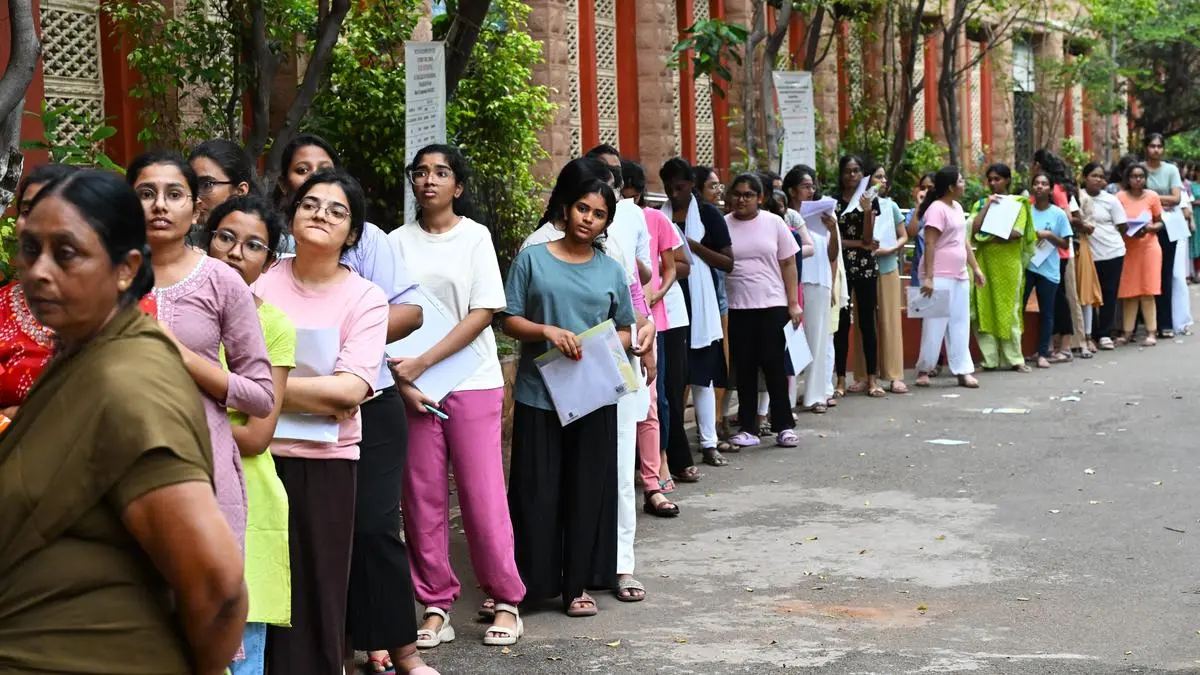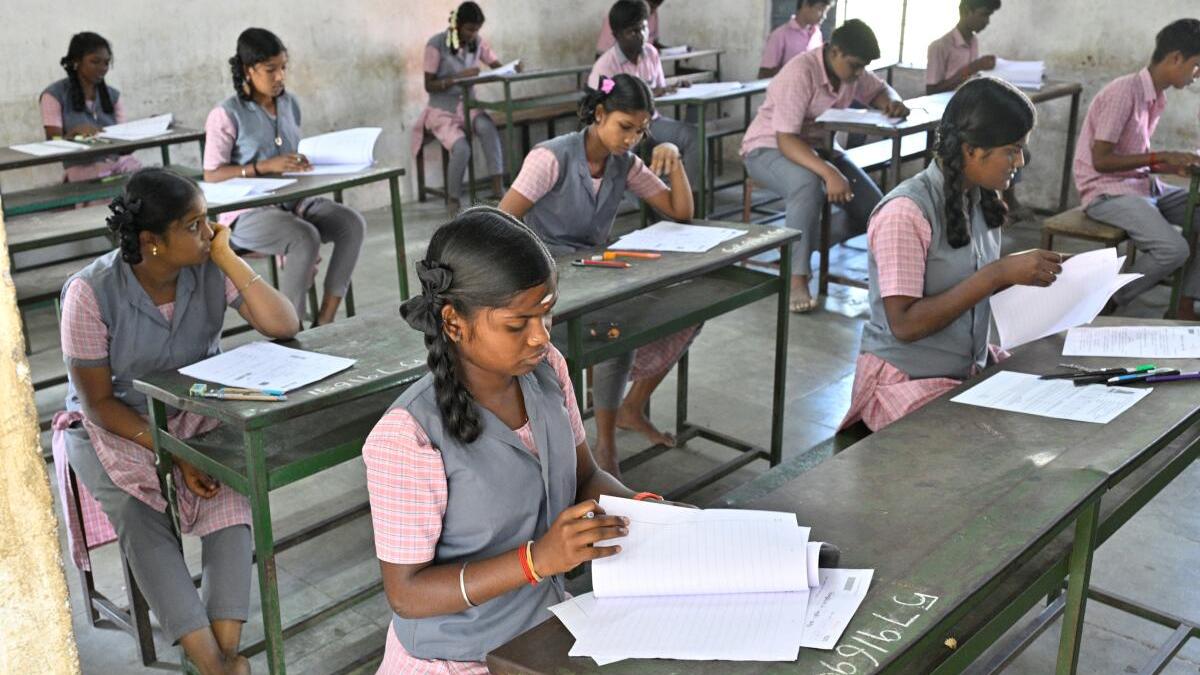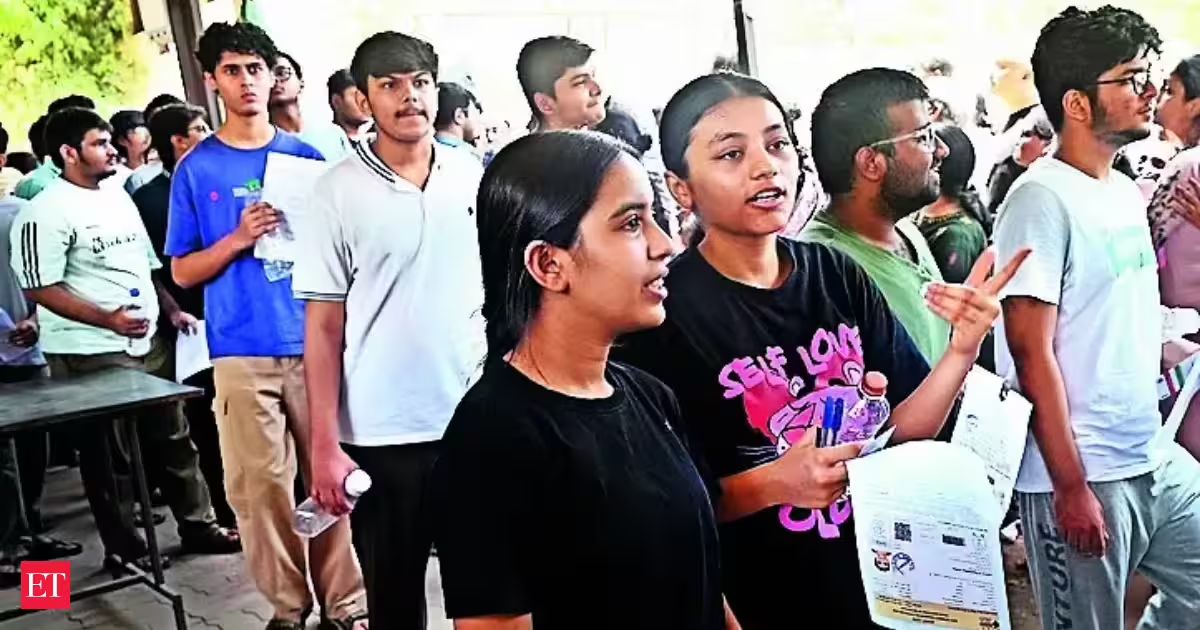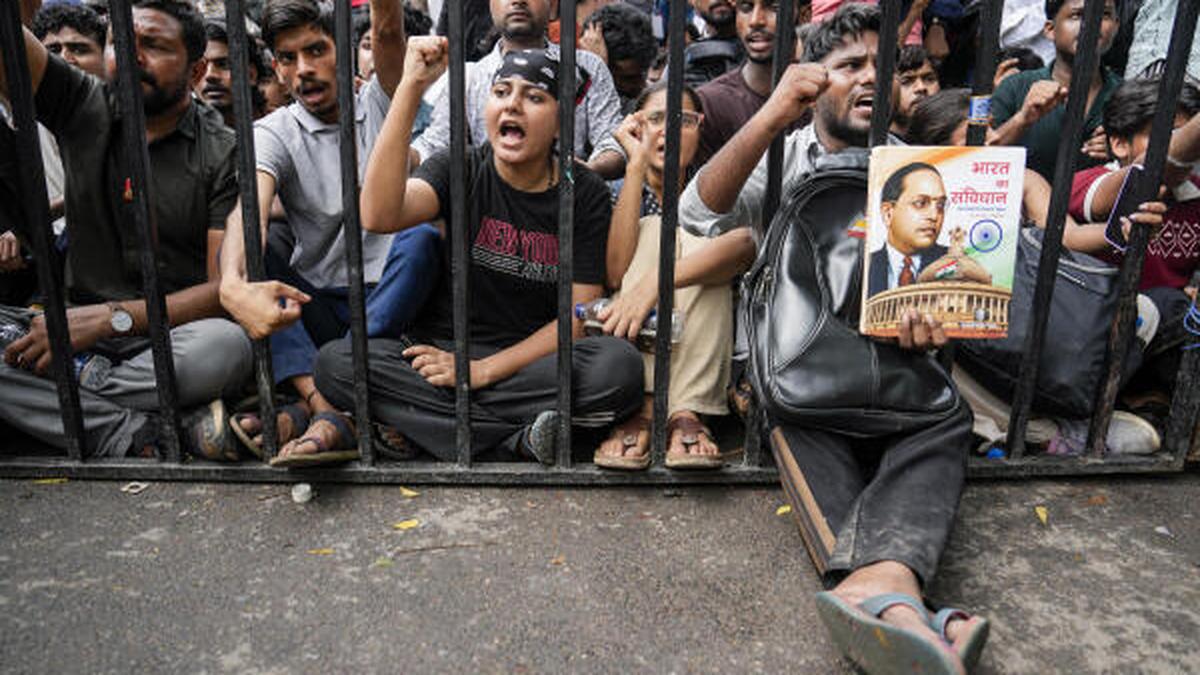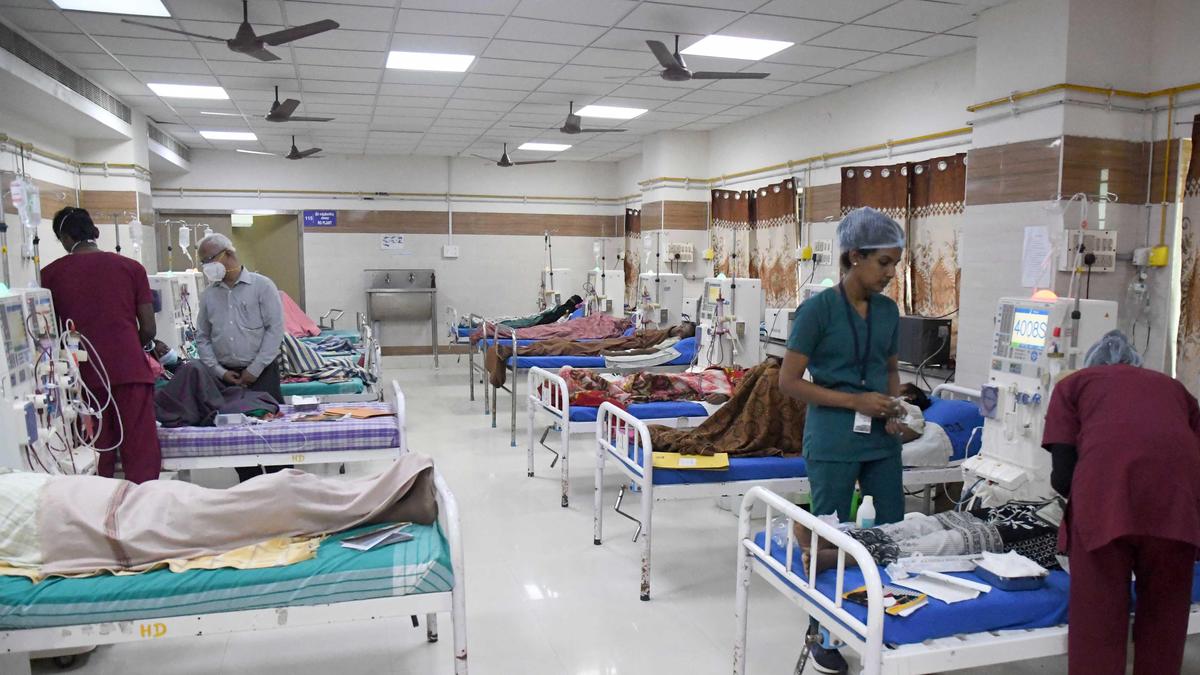
The Centre and States have increased the number of medical colleges and public hospitals in recent times
| Photo Credit:
The National Eligibility cum Entrance Test – Under Graduate (NEET-UG) has been in the eye of a storm over paper leaks. A high-level committee has been set up to probe the issue and suggest remedial steps. Parliament has passed an amendment to the Public Examinations (Prevention of Unfair Means) Act, 2024, which stipulates fast track trials and a longer prison term.However, it is important to situate the debate on reforming medical education in the broader context. There is a supply side (of candidates) and a demand side (the health profile of the population) to the NEET issue. The first is linked to the commercialisation of medical education. This article explores these two dimensions.To begin with, the NEET-UG is a national level qualifying examination for admission to undergraduate medical, dental, AYUSH programmes with two million or more candidates competing each year. The competition and anxieties are largely around the admission to the MBBS programme, in 450 government and 373 private or trust-managed colleges with a capacity of 129,602 seats and regulated by the National Medical Commission (NMC). The medical colleges of southern and western States have about half the capacity and Uttar Pradesh is among the less-developed States with a large proportion in seats.NEET-UG is the single largest undergraduate level entrance examination in the country; the success rate for an admission to a medical college is about 4-5 per cent and less than 2 per cent for government colleges. Further, those planning to pursue an MBBS degree abroad (most of them in central and east Asia) need to clear NEET-UG. What fuels the demand for this?Corporate healthcareOne of the factors, besides livelihood concerns, is the revenue and EBITDA growth across major corporate hospital operators — upwards of 15 per cent year-on-year driven by high-acuity specialities such as cardiology and oncology. EBITDA margins being in the diagnostics sector is more than 25 per cent currently. Hospital sector mainboard IPOs in India over the last three years have ranged from about ₹ 1 to 10 billion.The number of doctors is growing currently more rapidly than ever before, fuelled by the lure of corporate medicine. Yet, notwithstanding the policy emphasis on Sustainable Development Goals (SDGs) in general and Universal Health Coverage (UHC), shortage of specialist doctors at community health centres (CHCs) in rural areas has remained fairly constant at 70-80 per cent.Public healthcareWhat is less recognised here is the role that Centre and States have played in improving decentralised healthcare and creating more doctors and colleges to this end. There has been a significant closing of shortfalls in the primary health centres (PHCs). Alongside, there has been a rapid doubling of colleges and capacities in the last 12 years with the number of medical colleges up from 387 in 2014 to 844 with a corresponding increase in undergraduate MBBS seats from 51,348 to 139,489. Interestingly, while the number of government colleges exceeded private colleges, 441 vs 382, the capacity was more in the private colleges (73,643 vs 63,296).Therefore, while the NEET exam attracts a large number of aspirants for a number of reasons, it would be inaccurate to assume that the number of seats has not increased, or that hospital infrastructure has remained unchanged. The problem, in fact, lies in the quality side. While both Union and State governments have focused on accelerating numbers of medical graduates and post-graduates, harnessing numbers and skills in public health service continues to be a challenge. Major shortcomings in the quality of medical education include poor pedagogy, low student-teacher ratios, absence of faculty appraisals and subpar faculty competence. This is even as rural health challenges remain serious.An epidemiological transition implies long-term shifts in health and disease patterns and Epidemiological Transition Ratio (ETR) is used to calculate its status. A high ETR implies a higher burden of communicable diseases and maternal and nutritional conditions compared to chronic diseases. Recent analyses indicate that the ETR value for India is around 36, meaning for every 100 disability-adjusted life-years (DALYs) lost to non-communicable diseases, there are 36 DALYs lost to infectious, nutritional, maternal, and perinatal diseases.The top-three States with high ETRs are: Uttar Pradesh at 90 (male, 79 and female, 101), Madhya Pradesh at 69 (male, 71 and female, 67) and Rajasthan also at 69 (male, 64 and female, 74) implying a significant dual burden, especially among females. Kerala has the lowest ETR at seven (male, nine and female, five) followed by Tamil Nadu, Andhra Pradesh, Maharashtra, Himachal Pradesh and Telangana, indicating a predominant burden of NCDs.This calls for a meaningful strengthening of comprehensive primary healthcare at the frontlines and greater synergy with medical colleges to support the frontline actors and activities. This is the larger context in which the medical education system and its objectives needs to be viewed.Govt push and limitationsMuch of the recent push to create capacity has come through a centrally sponsored scheme — Establishment of New Medical Colleges Attached to District Hospitals and the One District One Medical College. This is geared towards setting up new colleges in remote and underserved areas by upgradation of a district hospital where there were no prior government or private medical colleges. The union government is providing a 90:10 support for North-Eastern and special category States and 60:40 for others.A key arm of this new initiative is the District Residency Programme — a three-months compulsory rural posting of postgraduates to strengthen both services and training.Research studies drawing upon real-world experience and perceptions of postgraduates across diverse States such as Himachal Pradesh, Rajasthan, Telangana and Tamil Nadu point to a set of synergistic findings: Less than half of respondents perceiving that the objectives were met; limited clinical exposure and training; and frustration with resource limitations. This needs priority attention.The writer is Professor at the Centre of Social Medicine and Community Health, Jawaharlal Nehru University, New Delhi and Former Editor, Indian Journal of Public HealthPublished on August 8, 2026