By
August 7, 2026 / 2:33 PM EDT
/ CBS News
Add CBS News on Google
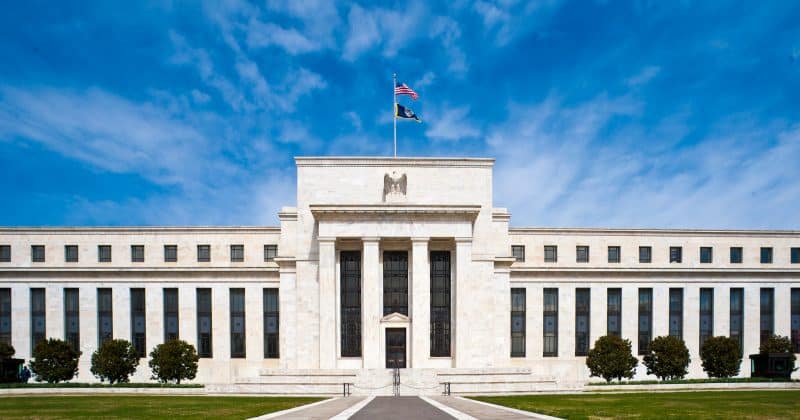
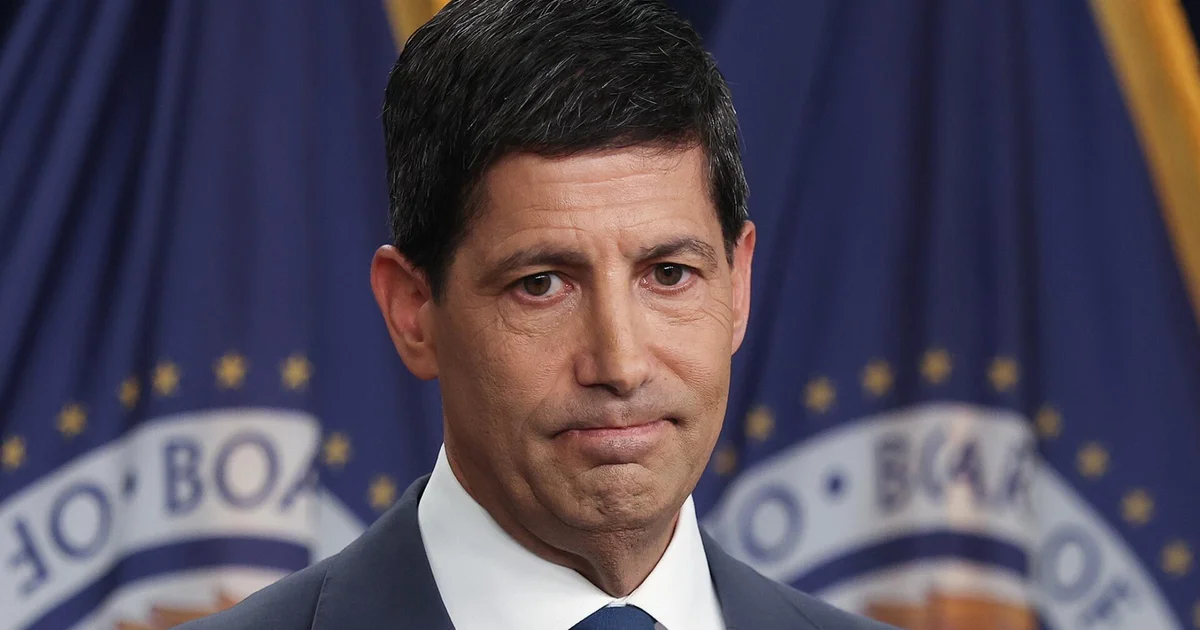
What a difference a day can make for monetary policy. On Thursday, interest rate futures were decidedly tilted toward the Federal Reserve hiking its benchmark rate in September, according to CME FedWatch, which tracks traders to forecast the central bank's policy decisions. But after Friday morning's dismal July jobs report, which showed that employers unexpectedly shed 23,000 jobs last month, that probability has now flipped, with the Fed expected to hold steady next month. The latest employment figures suggest the labor market may be much weaker than previously thought. On Friday, the Labor Department also revised down hiring data for May and June by a combined 103,000. The suddenly wobbly job market complicates the Fed's dual mission of maximizing employment while keeping consumer prices stable. The Fed typically cuts interest rates when the labor market slows sharply because cheaper money stimulates the economy by spurring consumer borrowing and business investment. At the same time, the central bank is also trying to douse inflation, which continues to run hot. Elevated inflation is typically addressed by the Fed raising rates, as higher borrowing costs put the brakes on spending, tempering economic demand and price increases. "The chances of holding just went up pretty significantly today," Indeed Hiring Lab senior economist Cory Stahle told CBS News about next month's Fed meeting. "What we see in the jobs report maybe says that the Federal Reserve, at the very least, might have to think about the timing of a potential rate hike, if not think about some rate cuts on the table as well, if we continue to see this type of deterioration in the labor market."On Friday, the probability that the Fed will hold its benchmark rate steady next month rose to 56%, from 45% the previous day, according to CME FedWatch.